
 EN
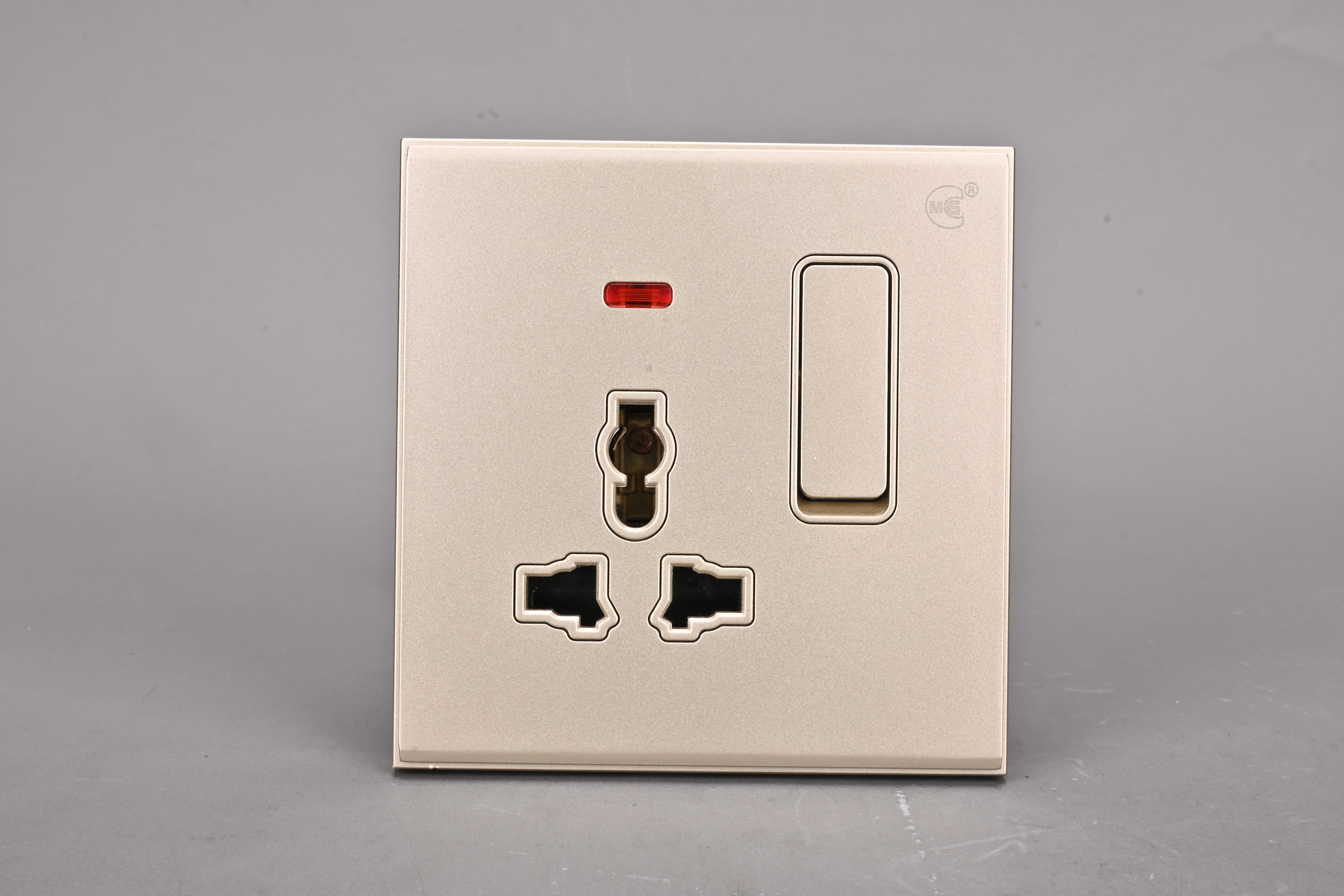
Electrical wiring devices form the backbone of safe and functional electrical installations in homes, offices, and industrial facilities worldwide. Understanding electrical wiring devices safety standards is critical for installers, engineers, facility managers, and property owners who need to ensure compliance with regulatory requirements and protect occupants from electrical hazards. Safety standards for electrical wiring devices establish minimum performance criteria, testing protocols, and installation guidelines that govern everything from switch design to circuit protection and grounding mechanisms. These standards exist because improper selection, installation, or maintenance of electrical wiring devices can lead to electrical shocks, fires, equipment failure, and costly downtime in commercial operations.

Compliance with established electrical wiring devices safety standards is not optional; it is a legal requirement in virtually all jurisdictions. Building codes, electrical regulations, and manufacturer specifications all reference recognized safety standards to ensure consistent quality and performance. When electrical wiring devices meet these standards, they undergo rigorous testing for electrical endurance, mechanical durability, temperature limits, and fault conditions. This article explains the key electrical wiring devices safety standards, their scope, testing requirements, and practical implications for selection and installation across residential, commercial, and industrial environments.
Understanding Core Electrical Wiring Devices Safety Standards
International and Regional Standards Framework
Multiple international and regional standards govern electrical wiring devices across different markets. The International Electrotechnical Commission (IEC) publishes standards such as IEC 60669-1, which specifies requirements for electronic switches used in electrical wiring devices installations. In North America, Underwriters Laboratories (UL) and the National Electrical Code (NEC) define safety requirements specific to electrical wiring devices sold and installed in that region. European markets reference EN standards that align closely with IEC specifications for electrical wiring devices safety and performance. These standards ensure that electrical wiring devices from different manufacturers can be reliably used in approved electrical systems without creating safety risks or compatibility problems.
Key Testing Requirements for Electrical Wiring Devices
Electrical wiring devices must pass standardized testing protocols before they receive safety certification. Electrical wiring devices undergo dielectric strength tests to verify insulation integrity under high-voltage conditions, mechanical cycle tests to simulate thousands of on-off operations, thermal tests to confirm safe operation within temperature limits, and fault-condition tests to verify protective mechanisms function correctly. For example, wall switches classified as electrical wiring devices must complete minimum 20,000 mechanical cycles without failure. Contact durability tests ensure that the conductive materials in electrical wiring devices maintain proper resistance and do not degrade prematurely. Grounding continuity and leakage current measurements verify that electrical wiring devices maintain proper safety-ground integrity throughout their operational life.
Compliance Requirements and Installation Standards
Building Code Integration and Certification
Building codes enforce the use of certified electrical wiring devices in all new construction and major renovations. Local authorities having jurisdiction (AHJs) require that electrical wiring devices carry valid certification marks from recognized testing organizations such as UL, CSA, or equivalent bodies. Electrical wiring devices installed in commercial buildings must also comply with additional standards for fire resistance, environmental stress tolerance, and accessibility for people with disabilities. Documentation and product traceability for electrical wiring devices is increasingly required in regulated industries such as healthcare, pharmaceuticals, and critical infrastructure. Failure to use certified electrical wiring devices can void insurance coverage, result in building permit rejection, and create liability exposure for installers and property owners.
Grounding, Bonding, and Fault Protection in Electrical Wiring Devices
Safety standards for electrical wiring devices specify precise grounding and bonding requirements to prevent electrical shock under fault conditions. Electrical wiring devices must maintain continuous low-resistance paths to ground throughout installation, regardless of environmental exposure or age. Standards require that electrical wiring devices incorporate design features such as insulated sleeves, grounding screws, and fail-safe contact arrangements that prevent unintended electrical hazards. Ground-fault circuit interrupter (GFCI) protection is mandatory for electrical wiring devices installed in wet locations such as bathrooms, kitchens, and outdoor areas. Arc-fault circuit interrupter (AFCI) protection applies to electrical wiring devices in bedrooms and living areas to prevent arc-initiated fires. These protective mechanisms in electrical wiring devices must operate automatically and reliably without requiring user intervention or regular maintenance.
Practical Application and Selection Guidelines
Voltage and Current Rating Compatibility
Every electrical wiring devices product carries voltage and current ratings that must match the circuit in which it is installed. Standard electrical wiring devices in North America typically carry ratings of 120 or 240 volts at 15 or 20 amperes for residential applications and up to 30 amperes for commercial use. Exceeding the rated capacity of electrical wiring devices causes premature failure, creates fire risk, and violates safety standards. Selecting electrical wiring devices with inadequate rating for the intended application is a code violation and a safety hazard. Conversely, oversizing electrical wiring devices to accommodate future expansion is acceptable as long as the circuit breaker protection remains appropriately matched. Installers must verify that electrical wiring devices ratings are clearly marked and match the specific application requirements before installation.
Environmental Conditions and Material Selection
Safety standards for electrical wiring devices specify material durability under various environmental conditions. Standard electrical wiring devices rated for general indoor use may not be suitable for wet, corrosive, or extreme-temperature environments. Stainless steel or specialty alloy contacts are required for electrical wiring devices in corrosive industrial settings. UV-resistant polymers must be used in electrical wiring devices exposed to sunlight or ozone-rich environments. Temperature-rated electrical wiring devices are required in uninsulated attics, refrigerated spaces, and equipment rooms where ambient temperatures fall outside normal ranges. Safety standards also address electrical wiring devices compatibility with different mounting systems, including surface-mounted, flush-mounted, and modular panel configurations. Proper material and environmental specification ensures that electrical wiring devices perform reliably throughout their intended design life without degradation or safety compromise.
Maintenance, Testing, and Regulatory Compliance
Periodic Inspection and Preventive Maintenance
Electrical wiring devices require periodic inspection to maintain safety compliance and detect early signs of deterioration. Visual inspection of electrical wiring devices should identify discoloration, loose fasteners, cracks, or burn marks that indicate developing problems. Facilities managers in commercial settings typically schedule thermographic imaging to detect hot spots in electrical wiring devices that suggest internal arcing or contact degradation. Functional testing of electrical wiring devices includes verifying switch actuation smoothness, continuity in conduction paths, and protective device response times. Electrical wiring devices that show signs of wear or functional degradation should be replaced promptly, even if they have not yet failed. Safety standards recognize that electrical wiring devices degrade over time and recommend replacement intervals for devices in critical applications or high-duty-cycle environments.
Documentation and Regulatory Record-Keeping
Regulatory agencies require facilities to maintain detailed records of electrical wiring devices specifications, installation dates, and maintenance activities. Documentation for electrical wiring devices must include manufacturer name, product certification marks, voltage and current ratings, and installation location. These records support compliance audits, incident investigations, and demonstrate due diligence in electrical system management. Insurance carriers often require documented proof that electrical wiring devices meet applicable safety standards, particularly in commercial and industrial facilities. Digital asset management systems now track electrical wiring devices inventory, warranty status, and maintenance schedules to streamline compliance and reduce safety risks. Proper documentation of electrical wiring devices provides evidence of responsible management and protects organizations from liability claims related to electrical failures.
FAQ
What electrical wiring devices safety standards apply to residential installations?
Residential electrical wiring devices must comply with local building codes and national standards such as the National Electrical Code (NEC) in the United States or equivalent regulations in other countries. These standards typically reference IEC 60669-1 for switch design, UL 20 for general-purpose outlets, and UL 498 for receptacles. The specific electrical wiring devices requirements depend on location within the home; for example, bathroom and kitchen electrical wiring devices must incorporate GFCI protection. All residential electrical wiring devices must carry certification marks from recognized testing laboratories and be listed in product databases maintained by code officials.
How often should electrical wiring devices be replaced for safety compliance?
Electrical wiring devices designed for normal residential use typically have a design life of 20 to 30 years if properly installed and maintained. However, electrical wiring devices in high-duty environments, wet locations, or critical applications may require replacement more frequently. Safety standards do not mandate fixed replacement intervals for electrical wiring devices in general applications, but recommend replacement when inspection reveals deterioration, functional problems, or failure to meet current code requirements. Some jurisdictions require electrical wiring devices replacement when upgrading to newer safety standards that were not available when original installation occurred. Preventive replacement of aging electrical wiring devices is often more cost-effective than managing unexpected failures and associated downtime.
Can electrical wiring devices from different manufacturers be mixed in the same installation?
Yes, electrical wiring devices from different manufacturers can be mixed in a single installation as long as all devices meet the same applicable safety standards and carry valid certification marks. Safety standards for electrical wiring devices establish uniform performance requirements, so certified products from different manufacturers are electrically and mechanically compatible. However, best practices in facilities management often favor standardizing on one or two preferred manufacturers to simplify maintenance, spare parts inventory, and training. Mixing electrical wiring devices from multiple sources is permissible from a safety and code compliance perspective, but consistency in product selection can improve operational efficiency and reduce long-term maintenance costs.