
 EN
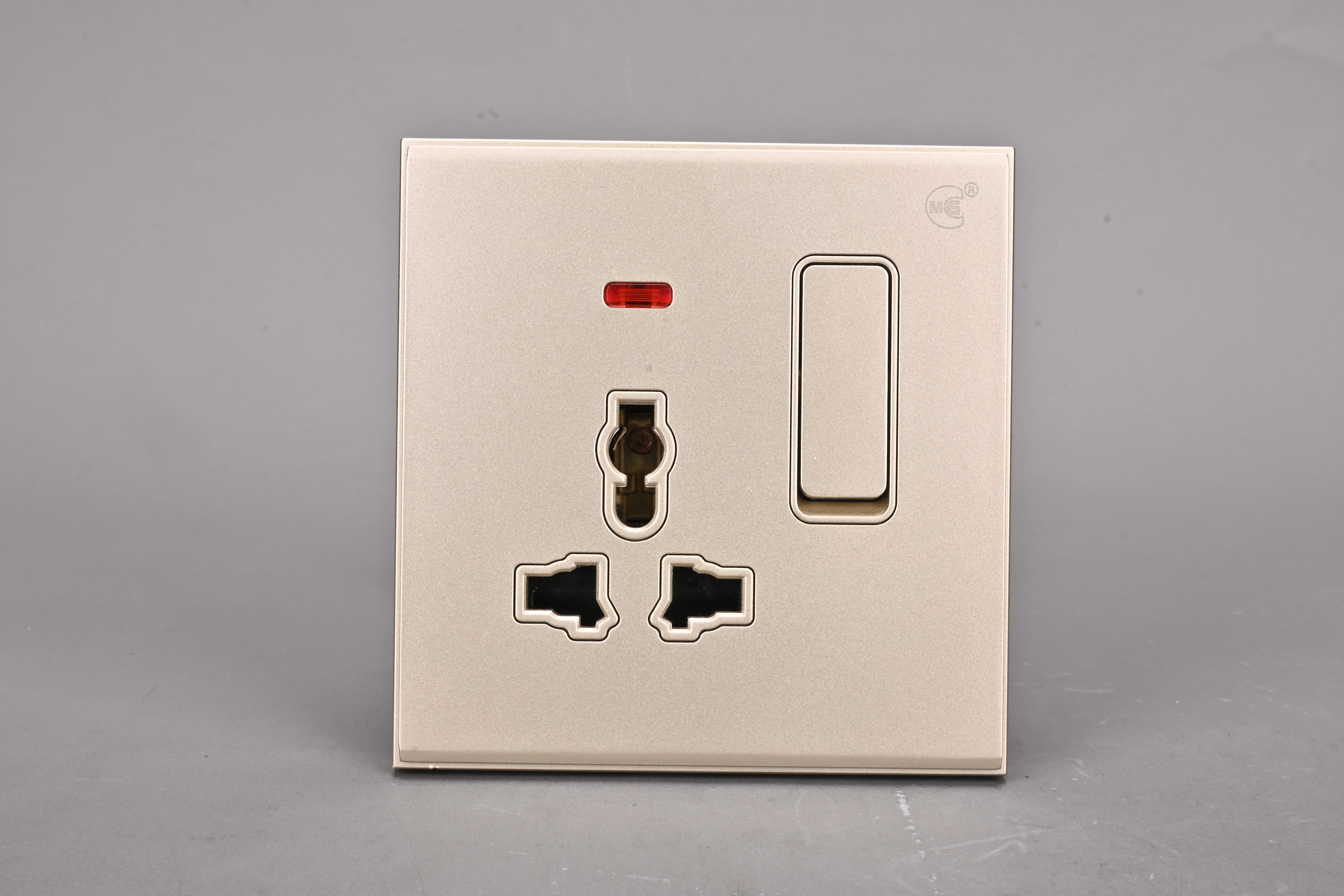
Large-scale development projects demand careful planning and selection of appropriate electrical wiring devices to ensure reliable power distribution, safety compliance, and long-term operational efficiency. The process of choosing electrical wiring devices for expansive commercial, industrial, or residential projects involves analyzing multiple technical factors, regulatory requirements, and site-specific conditions. Selecting the right electrical wiring devices is not a one-size-fits-all decision; it requires understanding load calculations, environmental conditions, safety standards, and future scalability to support the project's full operational scope.
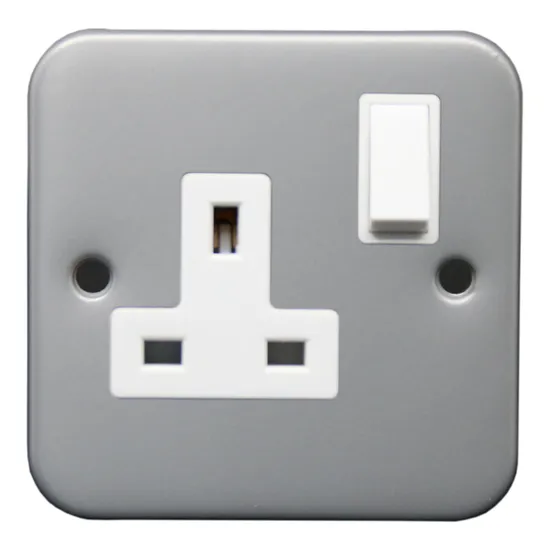
When planning a large development, your choice of electrical wiring devices serves as the backbone of the entire power infrastructure. Poor selection can lead to capacity constraints, safety hazards, compliance violations, and costly retrofits. This guide walks through the essential considerations for selecting electrical wiring devices that meet the demands of large-scale projects while adhering to industry standards and future-proofing your electrical system.
Understanding Load Requirements and Capacity Planning
Calculating Total Electrical Demand
The foundation of selecting appropriate electrical wiring devices begins with accurate load calculation. Every area of your large development—offices, manufacturing floors, data centers, or residential units—consumes different amounts of power. You must sum the connected loads across all sections, apply demand factors based on usage patterns, and account for growth projections. Undersizing electrical wiring devices will create bottlenecks and frequent outages; oversizing unnecessarily increases costs. Qualified electrical engineers use historical usage data, industry standards, and client specifications to determine the precise amperage and voltage requirements for electrical wiring devices throughout the facility.
Selecting Capacity Margins and Future Expansion
Large developments rarely remain static. Additional tenants, equipment upgrades, or operational expansion inevitably occur. When selecting electrical wiring devices, engineers typically design for current demand plus a 20–30 percent capacity margin to accommodate growth without complete system replacement. This forward-thinking approach to electrical wiring devices prevents premature system saturation and reduces the total cost of ownership over the project's lifecycle. Some developments incorporate modular electrical wiring devices that allow staged expansion as occupancy and demand increase.
Safety Standards and Regulatory Compliance
Meeting National and Local Electrical Codes
Every jurisdiction enforces electrical codes that specify material, installation, and performance requirements for electrical wiring devices. In the United States, the National Electrical Code (NEC) establishes minimum standards; other countries reference their own regulatory frameworks such as IEC standards in Europe or Australian standards in Asia-Pacific regions. Your selection of electrical wiring devices must comply with these codes to pass inspections, secure permits, and maintain insurance coverage. Non-compliant electrical wiring devices create liability risks and may require expensive remediation before the facility can operate legally.
Grounding, Protection, and Overcurrent Safety
Large developments require redundant safety mechanisms within electrical wiring devices. Ground fault circuit interrupters (GFCIs), arc fault circuit interrupters (AFCIs), surge protection devices, and coordinated overcurrent protection are essential components of modern electrical wiring devices. These safety features prevent electrical fires, electrocution, and equipment damage. When selecting electrical wiring devices, verify that they include or integrate with appropriate protection mechanisms rated for the expected fault currents and environmental conditions at your site. Proper coordination between upstream and downstream electrical wiring devices ensures that faults are isolated quickly without cascading outages across unaffected areas.
Environmental Conditions and Device Selection Criteria
Temperature, Moisture, and Corrosive Exposure
The physical environment surrounding electrical wiring devices directly affects their performance and lifespan. Outdoor installations, coastal areas, humid manufacturing spaces, and chemically aggressive environments all demand specialized electrical wiring devices. Stainless steel enclosures, sealed connectors, conformal coatings, and weatherproof designs protect electrical wiring devices from corrosion and moisture ingress. Indoor climate-controlled facilities may use standard-duty electrical wiring devices, while harsh industrial settings require heavy-duty variants rated for temperature extremes, vibration, and chemical exposure. Selecting electrical wiring devices matched to your environmental profile prevents premature failures and maintenance costs.
Voltage Levels and System Architecture
Large developments typically employ multiple voltage tiers: utility service feeds at medium or high voltage, step-down transformers to distribution voltage, and final circuits at utilization voltage. Each tier requires specialized electrical wiring devices rated for its specific voltage and current characteristics. Selecting electrical wiring devices involves choosing appropriate main disconnects, distribution boards, feeder breakers, and branch circuit devices for each voltage level. Three-phase systems common in industrial and large commercial projects require different electrical wiring devices than single-phase systems. Specifying mismatched electrical wiring devices across voltage tiers creates incompatibility, safety risks, and operational failures.
Installation, Coordination, and System Integration
Device Spacing, Accessibility, and Maintenance Clearances
Selecting electrical wiring devices extends beyond technical ratings to practical installation layout. Codes mandate minimum clearances around electrical wiring devices to allow safe operation, troubleshooting, and replacement. Large developments distribute electrical wiring devices across multiple equipment rooms, floors, or zones to minimize circuit run lengths and improve response times during faults. Poor placement of electrical wiring devices complicates maintenance, violates safety protocols, and reduces system reliability. During the design phase, coordinate electrical wiring device locations with architectural and mechanical systems to avoid conflicts and ensure adequate access for technicians.
Documentation, Labeling, and Operational Support
Once you select and install electrical wiring devices throughout your large development, comprehensive documentation becomes critical. Each electrical wiring device must be clearly labeled with circuit identification, voltage rating, breaker trip settings, and protection device calibration. Single-line diagrams, as-built drawings, and device schedules enable facility operators to troubleshoot faults, plan maintenance, and respond to emergencies efficiently. Poor documentation of electrical wiring devices creates confusion during handover, complicates future modifications, and increases operational risk. Quality selection of electrical wiring devices includes planning for long-term asset management and operator training.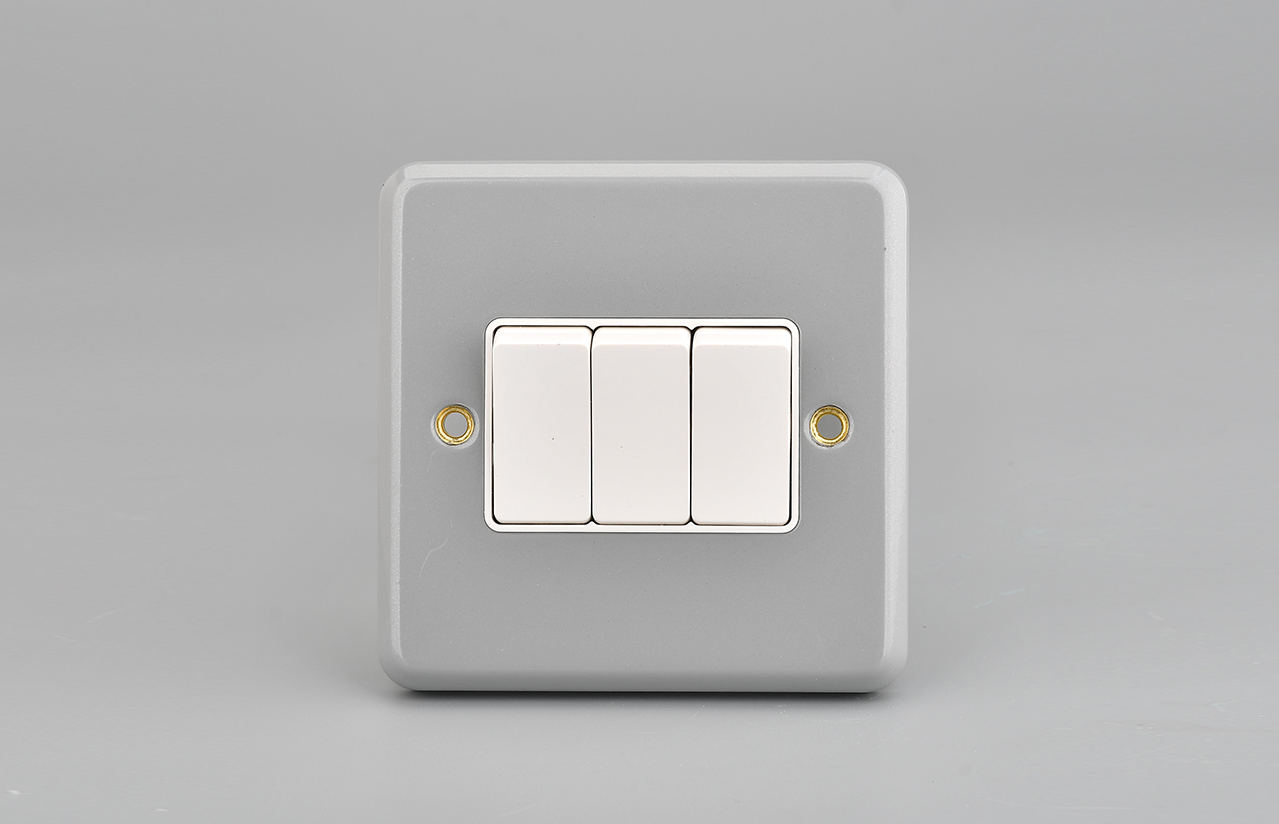
FAQ
What factors should I prioritize when selecting electrical wiring devices for my large development?
Prioritize accurate load calculation, regulatory code compliance, environmental protection ratings, future expansion capacity, and safety feature integration when selecting electrical wiring devices. Engage qualified electrical engineers early to ensure your electrical wiring devices align with the project scope, local requirements, and long-term operational goals. Cost should never be the sole driver; the cheapest electrical wiring devices often create expensive problems later.
How do electrical wiring devices differ between indoor and outdoor installations?
Outdoor electrical wiring devices require weatherproof enclosures, corrosion-resistant materials, and sealed connections to withstand exposure to rain, UV radiation, and temperature swings. Indoor electrical wiring devices in climate-controlled spaces can use standard-duty designs. Coastal and chemically aggressive environments demand additional protection specifications for electrical wiring devices beyond standard outdoor ratings.
Can I upgrade electrical wiring devices after construction if my development exceeds initial load projections?
Upgrading electrical wiring devices after construction is expensive, disruptive, and often requires system downtime. Proper planning during design—including capacity margins and modular designs—allows later expansion without replacing existing electrical wiring devices. Initial over-specification within reasonable cost limits is often more economical than retrofitting electrical wiring devices years later.