
 EN
EN
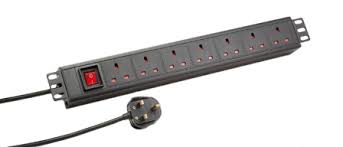
The middle east electrical switches and sockets market operates under a complex web of regulatory frameworks that differ significantly from Western standards. Manufacturers and distributors seeking to supply middle east electrical switches and sockets face substantial compliance hurdles, including adherence to multiple national standards, voltage specifications, and safety certifications that vary by country. Understanding these regulatory challenges for middle east electrical switches and sockets is essential for businesses entering this competitive region, as non-compliance can result in product rejections, costly recalls, and market access denial.
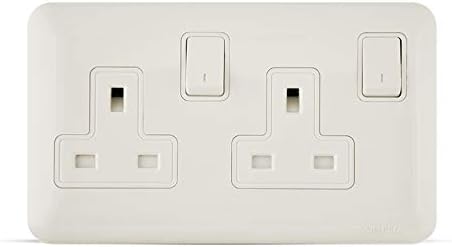
Regulatory compliance for middle east electrical switches and sockets extends far beyond simple voltage compatibility. Each nation within the Middle East region maintains distinct electrical codes, testing protocols, and certification bodies that govern the design, manufacturing, and distribution of middle east electrical switches and sockets. This fragmented regulatory landscape creates significant operational complexity for international suppliers and manufacturers attempting to establish consistent product portfolios across the region.
Voltage Standards and Electrical Safety Requirements
Voltage Specifications Across Middle East Markets
Middle east electrical switches and sockets must accommodate varying voltage standards that differ across the region. Most Gulf Cooperation Council states operate on 220V, 50Hz systems, yet certain industrial applications and specialized installations may require dual voltage capabilities or unique frequency specifications. The standardization of middle east electrical switches and sockets around 220V represents a significant departure from North American 110V systems, necessitating complete product redesigns and certification processes. Manufacturers of middle east electrical switches and sockets must engineer solutions that precisely match these voltage requirements while maintaining safety margins and thermal performance specifications.
Safety Certifications and Testing Protocols
Middle east electrical switches and sockets must undergo rigorous testing procedures mandated by regional authorities. The primary certification framework for middle east electrical switches and sockets involves IEC 60669-1 standards, which specify mechanical durability, electrical performance, and safety criteria. Beyond basic certification, middle east electrical switches and sockets often require country-specific approvals from national standardization organizations such as GASCO in Saudi Arabia or GUST in the United Arab Emirates. Testing facilities for middle east electrical switches and sockets verify contact resistance, insulation breakdown, temperature rise under load, and mechanical cycling performance, typically requiring minimum 20,000 operation cycles for wall-mounted middle east electrical switches and sockets in residential and commercial applications.
Material Composition and Environmental Compliance
Material Standards for Middle East Electrical Switches and Sockets
The middle east electrical switches and sockets market increasingly demands materials that perform reliably in harsh environmental conditions. Middle east electrical switches and sockets manufactured for this region must incorporate corrosion-resistant materials, particularly copper contacts that withstand salt air exposure prevalent in coastal areas and high-temperature environments characteristic of interior climates. Polymer housing materials for middle east electrical switches and sockets must meet UV stability requirements and maintain mechanical integrity across temperature ranges from 40°C to 65°C. The specification of materials for middle east electrical switches and sockets directly impacts long-term reliability, warranty claims, and brand reputation throughout the region.
Restrictions and Prohibited Substances
Environmental regulations affecting middle east electrical switches and sockets increasingly restrict hazardous substances such as lead, cadmium, and certain brominated flame retardants. Manufacturers of middle east electrical switches and sockets must maintain detailed documentation of material composition and compliance with RoHS-equivalent directives implemented across Middle Eastern markets. The use of halogen-free materials in middle east electrical switches and sockets continues to expand as fire safety standards become more stringent. Compliance documentation for middle east electrical switches and sockets serves as essential proof during customs clearance and product certification processes at point of entry.
Import Documentation and Market Access Barriers
Certification and Documentation Requirements
Importers of middle east electrical switches and sockets must navigate complex documentation requirements that include technical data sheets, test certificates, certificates of conformity, and material safety documentation. Middle east electrical switches and sockets cannot clear customs without valid certification stamps from recognized testing laboratories. Each shipment of middle east electrical switches and sockets typically requires submission of product-specific documentation proving compliance with the importing country's electrical codes. The cost of certification for middle east electrical switches and sockets ranges substantially depending on the specific country market, creating budgeting challenges for regional distributors.
Local Representation and Distributor Registration
Some Middle Eastern countries mandate that suppliers of middle east electrical switches and sockets establish local representation through authorized distributors or registered commercial agents. These regulations for middle east electrical switches and sockets require extensive vetting procedures, financial assurances, and ongoing compliance reporting. Distributors of middle east electrical switches and sockets must maintain inventory levels sufficient to support local market demands while adhering to storage condition specifications. The requirement for localized representation of middle east electrical switches and sockets increases operational costs and extends time-to-market for new suppliers entering the region.
Technical Standards and Product Design Considerations
Socket Configuration and Plug Type Compatibility
Middle east electrical switches and sockets predominantly utilize the British Standard BS 1363 plug type, commonly known as the Type G configuration. Manufacturers of middle east electrical switches and sockets must ensure precise dimensional tolerances for socket openings, contact spacing, and earthing provisions to guarantee seamless compatibility with regional plug standards. The design specifications for middle east electrical switches and sockets must accommodate both single-phase and three-phase applications depending on the installation context. Non-compliance with plug type standards for middle east electrical switches and sockets results in complete product incompatibility and rejection during installation phases.
Load Rating and Appliance Compatibility
Middle east electrical switches and sockets must accommodate high-capacity appliances prevalent in both residential and commercial sectors throughout the region. Standard rating specifications for middle east electrical switches and sockets typically range from 10A to 16A for general residential applications, yet commercial installations frequently demand middle east electrical switches and sockets rated for 20A or higher. The copper contact materials used in middle east electrical switches and sockets ensure consistent electrical conductivity and minimal voltage drop even under sustained heavy loads. Improper load rating specifications for middle east electrical switches and sockets create fire hazards and voide manufacturer warranties across the region.
FAQ
What specific safety standards govern middle east electrical switches and sockets?
Middle east electrical switches and sockets must comply primarily with IEC 60669-1 international standards, supplemented by country-specific requirements from national standardization bodies. Each nation within the Middle East region implements additional safety protocols for middle east electrical switches and sockets covering mechanical durability, thermal performance, and electrical safety. Testing protocols for middle east electrical switches and sockets typically mandate minimum 20,000 mechanical cycles and comprehensive electrical testing under various load conditions to ensure reliable performance.
How do environmental conditions affect middle east electrical switches and sockets requirements?
The harsh climate and environmental conditions throughout the Middle East directly influence material specifications for middle east electrical switches and sockets, requiring corrosion-resistant copper contacts and UV-stable polymer housing. Temperature extremes and salt air exposure in coastal regions create additional durability demands for middle east electrical switches and sockets compared to temperate markets. Manufacturers must engineer middle east electrical switches and sockets using halogen-free materials and premium contact compositions to maintain performance reliability across 25-year service lifespans in demanding regional conditions.
What documentation is required for importing middle east electrical switches and sockets?
Importers of middle east electrical switches and sockets must provide technical data sheets, testing certificates, certificates of conformity, and material composition documentation to satisfy customs requirements across the region. Middle east electrical switches and sockets cannot clear customs without valid certification from recognized testing laboratories approved by the importing nation. Complete documentation packages for middle east electrical switches and sockets must demonstrate compliance with local electrical codes and safety standards specific to each country destination.