
 EN
EN

Mizunguko ya kipekee cha Uingereza inawakilisha zaidi ya vipengele vya umeme tu—huvutia miaka mingi ya utakatifu wa uhandisi, mashauri ya usalama, na uwezo wa kutimiza kazi kwa uaminifu ambao unapita kwa muda mrefu zaidi ya kilichotolewa katika maelezo ya msingi. Kuelewa mizunguko hii inahitaji kuangalia mbali ya ratiba za umeme na uwezo wa sasa tu ili kuthamini njia za kujaribu zenye ujuzi, mabadiliko ya sayansi ya vitu, na mifumo ya sheria ambayo yanaunda uwezo wao wa kufanya kazi kwa uaminifu. Wakati wa wataalamu wanaochagua mizunguko ya kipekee cha Uingereza kwa matumizi muhimu, wanaingiza mfumo kamili wa uhakikisho wa ubora ambao unapaswa kuhusiana na mambo yote kutoka kwa taratibu za kufanikisha kuanzisha hadi mikakati ya usimamizi wa muda mrefu.
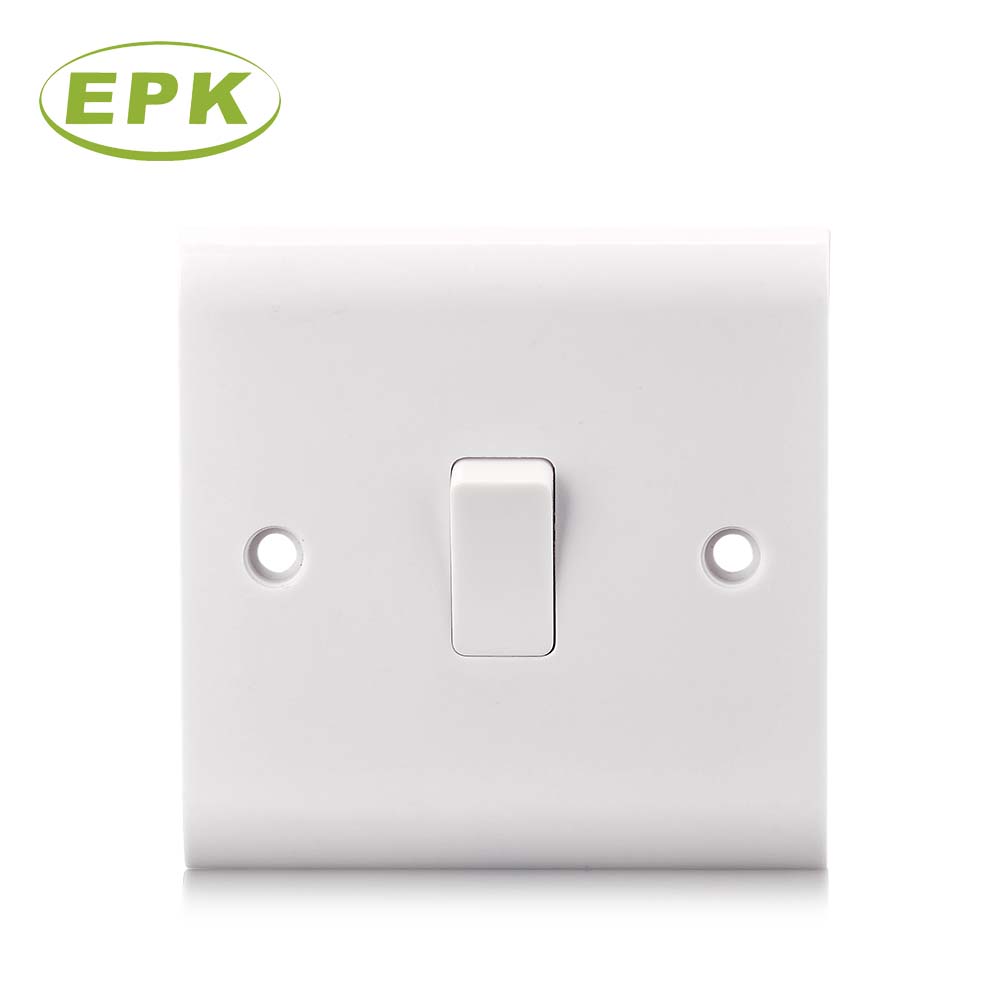
Utofauti kati ya vifungu vya kipekee cha Uingereza na vifungu vya kawaida vinaonekana wakati wa kuchunguza mchakato wa uthibitisho unaofanya kazi kwa nguvu, majaribio ya mashaka ya mazingira, na taratibu za uthibitisho wa utendaji ambazo zinazungumzia maendeleo yao. Vifungu hivi hujaribiwa kwa njia ya kina ili kuelezwa utendaji wa kihisani, utendaji wa umeme chini ya mizani tofauti, ustawi wa joto, na upinzani dhidi ya mambo ya mazingira ambayo yanaweza kuharibu utendaji wakati mrefu wa kufanya kazi. bidhaa ambavyo hutoa vipimo vya utendaji vinavyotegemea kwa ufanisi na kubadilisha mipaka ya usalama ikiwa inapita mahitaji ya chini ya sheria.
Taratibu za Kujaribu Kikamilifu Za Nyuma Ya Uthibitisho wa Kipekee cha Uingereza
Utendaji wa Kihisani na Uthibitisho wa Mwisho wa Maisha
Vipengele vya kuvuruga vya kisheria cha Uingereza vinachukuliwa kwenye majaribio ya kiharusi yanayotumia mbinu za kuvuruga kwa awali ili kupanga miaka mingi ya matumizi ya kawaida. Majaribio haya huamini mfumo wa vipengele vya kuvuruga katika hali zilizowekwa kwa makini ambazo zinarekebisha mtiririko wa matumizi ya kawaida, ikiwemo kasi mbalimbali za kuvuruga, mafuta ya kuvuruga, na hali za mazingira. Miongozo ya kujaribu huamini mzigo wa mafuta ya mifupa, uwezekano wa kushinda kwa mifupa, na uhai wa mfumo wa kuvuruga kwa mara nyingi za kuvuruga. Uthibitisho huu wa kiharusi unahakikisha kwamba vipengele vya kuvuruga vya kisheria cha Uingereza hufanya kazi kwa njia moja kwa moja wakati wote wa maisha yao ya matumizi, ikutoa utendaji wa kuvuruga uliosahihi hata baada ya kutumika kwa muda mrefu katika matumizi ya kipekee.
Mchakato wa kujaribu kivumbuzi pia unapima jibu la kichunjio katika hali zisizotamani, ikiwa ni pamoja na matumizi ya nguvu kali zaidi, mzunguko haraka, na uwepo wa uvimbe unaoweza kutokea katika mazingira ya viwandani. Miongozo ya kujaribu yanayofanana haya husaidia kupatikana kwa njia za kuharibika na kuthibitisha ujasiri wa njia za kujenga kichunjio. Wataalamu wanaweza kuweka agizo la kichunjio cha British Standard kwa uhakika wakiwa wamejua kwamba vipande vya kivumbuzi vimejaribiwa kwa ukamilifu katika hali ambazo zinazidhani mahitaji ya kawaida ya uendeshaji.
Majaribio ya kubadilisha joto ni sehemu muhimu nyingine ya uthibitisho wa kimekaniki, kwa sababu upanuzi na kupungua kwa joto unaweza kuathiri usawa wa mkataba wa kuvuruga na utendaji wake kwa muda mrefu. Mchakato wa majaribio unaathiri jinsi vifaa vya kuvuruga vinavyolingana na viashiria vya Uingereza vinavyojibu kwa mabadiliko ya joto, kuhakikisha kwamba ustahili wa ukubwa na tabia za kufanya kazi zinabaki sawa katika kipindi cha joto kilichotolewa. Uthibitisho huu wa joto unakuwa muhimu sana katika matumizi ambapo vifaa vya kuvuruga vinaweza kujitokeza katika mabadiliko makubwa ya joto wakati wa uendeshaji wa kawaida.
Utendaji wa Umeme chini ya Hali za Kuchukua Kazi Kivary
Miongozo ya kujaribu kivuli kwa kifaa cha kuvuruga kwa kifupi cha Uingereza inaendelea zaidi ya vipimo vya msingi vya sasa na voltage ili kuthibitisha utendaji chake katika hali mbalimbali za mzigo ambazo zinawakilisha matumizi ya ulimwengu wa kweli. Jaribio hili linathibitisha tabia ya kifaa cha kuvuruga kwa mzigo wa kuzuia, mzigo wa kuchanganya, na mzigo wa kuhifadhi, pamoja na kuthibitisha utendaji wa mafungo, uwezo wa kupunguza nuru ya kuvuruga (arc), na usimamizi wa joto kwa kila aina ya mzigo. Uthibitisho wa kivuli kwa ukamilifu unahakikisha kwamba kifaa cha kuvuruga kinatumika kwa uaminifu katika spektra nzima ya mzigo wa kivuli ambalo unaweza kupatikana katika mazingira ya kufanya kazi ya kawaida.
Vipimo vya upinzani wa mawasiliano huunda sehemu muhimu ya kujaribu umeme, kwa sababu mabadiliko ya upinzani yanaweza kuonesha matatizo ya uendelezaji au uvunjika mapema. Mchakato wa kujaribu unatumia upinzani wa mawasiliano chini ya viwango vya sasa mbalimbali, hali za mazingira, na baada ya mzunguko wa kimekaniki ili kuhakikisha utendaji wa umeme unaofanana. Vifungu vya kisheria ya Uingereza vinahitaji kuonyesha tabia ya upinzani wa mawasiliano ya kudumu ambayo inabaki ndani ya mipaka iliyowekwa kote katika muda wao wa kufanya kazi, ikutoa mawasiliano ya umeme yenye uaminifu ambayo inapunguza kutoweka kwa nguvu na kuzalishwa kwa joto.
Uwezo wa kuzima nuru ya umeme (arc) unarejelewa pia kama kiwango cha umeme cha muhimu sana ambacho kinachokolewa kwa undani wakati wa kuthibitisha. Wakati vifungu vinafungua mzunguko wa umeme, hasa katika hali za mzigo, nuru ya umeme inaweza kuzalishwa kati ya mawasiliano wakati wanategemea. Miongozo ya kujaribu huyatumia jinsi ya kufanya kazi kwa ufanisi vichwama vya kawaida cha Uingereza kuzuia na kuzima mafuta haya, kuhakikisha uendeshaji salama na kuzuia uvurugu wa mawakili ambao unaweza kuharibu utendaji wa kudumu.
Uhandisi wa Viwango vya Kina katika Ujenzi wa Mchakato
Uchaguzi wa Viwango vya Mawakili na Uboreshaji wa Utendaji
Viwango vya mawakili vilivyotumika katika mchakato ya kipekee cha Uingereza ni viwango vya kimetali vya kisasa vilivyoundwa kwa lengo la kuboresha utendaji wa umeme, uwezo wa kufanya kazi kwa muda mrefu, na upinzani dhidi ya uvurugu wa mazingira. Viwango vya mawakili vya chuma cha fedha vunaozalisha utendaji bora wa umeme wakati wanapinzana na uvurugu wa oksijeni ambao unaweza kuongeza upinzani wa mawakili kwa muda mrefu. Uundaji wa visababishi maalum vya chuma hivi vimefanywa kwa makini ili kupatua usawa kati ya utendaji wa umeme na nguvu ya kimwili, kuhakikisha kwamba mawakili huendelea kufanya kazi vizuri kwa umeme wakati wanapinda nguvu za kimwili za kufanya kazi mara kwa mara.
Mabaki ya uso ya mawasiliano na malayisho yanaongeza zaidi sifa za utendaji wa vifungu vya kipekee cha Uingereza. Malayisho haya ya kipekee yanaweza kuongeza uwezo wa kupambana na uvunjaji wa arc, kupunguza tendensi ya kufungwa kwa mawasiliano chini ya hali za sasa kubwa, na kutoa uwezo bora zaidi wa kupambana na uvunjaji katika mazingira magumu. Uchaguzi wa vitu vya mawasiliano na malayisho hutolewa kwa kina kulingana na mahitaji ya matumizi yaliyotarajewa, kuhakikisha utendaji bora kote katika muda wa maisha ya kazi ya kifungu.
Hali ya kimapenzi ya muundo na usambazaji wa shinikizo la muktubatisho pia linatumika kuhusu utendaji wa umeme na uwezekanaji wa kimechaniki. Vipengele vya kuvuruga kwa kifupi vya Kiingereza vinatumia muundo wa kuvuruga uliojengwa kwa uhakika ambao unahakikisha usambazaji wa shinikizo unaofanana na muktubatisho ya umeme yenye ustawi. Maoni haya ya muundo huwa muhimu sana katika matumizi ambapo vipengele vya kuvuruga vinapaswa kudumisha utendaji wenye uhakika hata kama kuna vibarabara, mabadiliko ya joto, au mashakili mengine ya mazingira ambayo yanaweza kuathiri usakinisho wa muktubatisho au shinikizo.
Vifaa vya Kufunga na Utendaji wa Dielektriki
Mifumo ya kujifunza yanayotumika katika mifumo ya kawaida ya Uingereza inahakikishwa kwa uchunguzi wa kina ili kuhakikisha utendaji bora wa kuvunja umeme chini ya hali za mazingira mbalimbali. Mifumo hii inapaswa kutoa kujifunza bora cha umeme pamoja na kudumisha ustahili wa kiufundi wakati wa mabadiliko ya joto, uwepo wa unyevu, na sababu nyingine za mazingira. Uchaguzi wa mifumo ya kujifunza unachukua ikiwa ni pamoja na nguvu ya kuvunja umeme, uwezo wa kupuuza kuvuruga kwenye uso, na ustahili wa ukubwa ambao unaweza kuathiri utendaji wa kichunjio kwa muda mrefu wa uendeshaji.
Uwezo wa kupunguza moto unarepresentisha sifa muhimu nyingine ya vitu vya kuzima vilivyotumika katika miongozo ya kisheria ya Uingereza. Vitu hivi vya kuzima vinahitaji kuzuia uanzishwaji wa moto na usambazaji wa moto wakati wanabakia sifa zao za kuzima hata wakati wanaopimwa na mifumo ya umeme au chanzo kingine cha kuanzisha moto. Sifa za kupunguza moto zinasaidia kuhakikisha kwamba miongozo haipunguzi hatari ya moto katika hali ambayo si ya kawaida ya makosa ya umeme au uundaji wa mifumo ya umeme wakati wa uendeshaji.
Uwezo wa kusimama dhidi ya UV na sifa za kuharibika kwa vitu vya kuzima huamuliwa kwa makini, hasa kwa miongozo ambayo yanaweza kuathiriwa na uvumbuzi wa ultraviolet au sababu nyingine za mazingira ambazo zinaweza kusababisha upungufu wa vitu kwa muda mrefu. Miongozo ya kisheria ya Uingereza hujumuisha vitu vya kuzima ambavyo hukabili sifa zao za dielektriki na uthabiti wao wa kimkristo kote katika muda wa maombi yao ya kawaida, hata wakati wanaopimwa na hali za mazingira ambazo zinaweza kusababisha upungufu katika vitu vya chini.
Uchunguzi wa Msimamo wa Mazingira na Uthibitisho wa Uwezo wa Kudumu
Upimaji wa Chumba cha Hali ya Hewa na Uigaji wa Mazingira
Vipengele vya kipekee vya Kiingereza vinachunguzwa kwa kina katika vikombe vya hali ya hewa vya kipekee ambavyo hujasimua hali nyingi za kufanya kazi. Uchunguzi huu unatumia utendaji wa vipengele kwenye vitu vya joto na baridi, mabadiliko ya unyevu, na mabadiliko ya haraka ya mazingira ambayo yanaweza kutokea katika mahali pa kuanzisha katika ulimwengu wa kweli. Uchunguzi wa kikombe cha hali ya hewa husaidia kupata matatizo ya uwezekano ya utendaji yanayohusiana na upanuzi wa joto, kumjaza kwa maji, au athari nyingine zinazotokana na mazingira ambazo zinaweza kuharibu uaminifu wa vipengele.
Ujaribishaji wa unyevu unafanya sehemu muhimu sana ya uthibitisho wa mazingira, kwa sababu uwepo wa maji unaweza kuathiri utendaji wa umeme na wa miundo ya kifaa cha kuzima. Mchakato wa ujaribishaji unaathiri jinsi vifaa vya kuzima vinavyotumika kulingana na standardi ya Uingereza vinavyojibu katika hali za unyevu juu, ikiwemo uundaji wa mvuke na uvutaji wa maji ambavyo yanaweza kutokea katika mazingira ya usanidi ambayo ni ngumu. Ujaribishaji huu unahakikisha kwamba vifaa vya kuzima vinaweza kufanya kazi kwa uaminifu hata katika mazingira ambayo yanajulikana na uwepo wa maji mengi.
Uchunguzi wa kuvutia chumvi unahakikisha uwezo wa kuzuia uvunjaji wa vifungu vya kipekee cha Uingereza wakati wa kuwafungwa katika mazingira ya bahari au mazingira mengine ya kuvunja hewa. Uchunguzi huu unahakikisha athari za hewa iliyojaa chumvi kwenye sehemu za vifungu, ukisubiri jinsi ya kufanya kazi vizuri ya malazi ya kulinda na uchaguzi wa vitu vilivyotumiwa ili kuzuia uvunjaji ambao unaweza kuharibu utendaji wa umeme au utendaji wa kiashiria. Uthibitisho wa kuvutia chumvi unahakikisha kwamba vifungu huvuta utendaji bora katika mahali pa pwani au mazingira ya viwanda yenye hewa inayovunja.
Uchunguzi wa Uwezo wa Kupindua na Kuvunjika
Uthabiti wa kimecha ya vifungu vya kipekee cha Uingereza hupimwa kwa kina kupitia mbinu za kujaribu vibarua na vibarua vya mafuta ambavyo hujisimulia mashakili ya usafirishaji na hali za mazingira ya kufungwa. Majaribio haya yanapima jinsi vifungu vinavyojibu kwa mzunguko wa vibarua na urefu wa vibarua ambavyo yanaweza kutokea katika mazingira ya viwanda, mfumo wa usafirishaji, au majengo yanayopatwa na chanzo cha nje cha vibarua. Jaribio la vibarua linasaidia kuhakikisha kwamba miundo ya vifungu inaendelea kuwa na usawa wa sahihi na shinikizo la mawasiliano hata kwa sababu ya mashakili ya kimecha.
Ujaribisho wa vibaya (shock testing) unatumika kutathmini jibu la kifungu kwa mafungulo ya kimakina ya ghafla ambayo yanaweza kutokea wakati wa usanidi, usimamizi, au matukio ya uendeshaji. Ujaribisho huu unatumia utambulisho wa uaminifu wa vifunguo vya kifungu, miundo ya ndani, na mawasiliano ya umeme wakati wa kufanyiwa mafungulo ya nguvu. Kifungu cha kipekee cha Uingereza (British standard switches) lazima lionekane kuwa kinaweza kuendelea kufanya kazi kwa usalama na kutoa utendaji wa umeme bila kuharibika hata baada ya kufanyiwa mafungulo ya vibaya yanayozidi hali za kawaida za uendeshaji.
Uunganisho wa ujaribisho wa uvibajivu (vibration) na ujaribisho wa vibaya (shock testing) unatoa uthibitisho kamili wa uaminifu wa kifungu cha kimapambo chini ya hali za mzigo wa kimapambo. Ujaribisho huu unakuwa muhimu sana kwa kifungu kilichopandwa katika matumizi ya vitu vya kusogeza, mifumo ya viwanda, au mazingira mengine ambapo uvibajivu wa kimakina unaweza kuathiri utendaji wa kifungu. Uthibitisho huu unahakikisha kwamba kifungu cha kipekee cha Uingereza (british standard switches) kinaweza kuendelea kutoa kitendo cha kufungua/kufunga kwa uhakika hata chini ya mashakiki ya kimakina ambayo inaweza kuharibisha miundo ya kifungu chini ya kiasi.
Mifumo ya Hakikisho la Ubora na Ufanisi wa Utengenezaji
Ukaguzi wa Ubora wa Utengenezaji na Ukaguzi wa Kihistoria wa Mchakato wa Utengenezaji
Mchakato wa utengenezaji wa vichukuzi vya kipindi cha Uingereza (British Standard) unajumuisha mifumo ya kikubwa ya ukaguzi wa ubora yanayofuatilia viparameta vya utengenezaji na kuhakikisha ubora wa bidhaa kwa njia ya kudumu katika mikundi yote ya utengenezaji. Mifumo hii inatumia njia za kudumisha ubora kwa kutumia takwimu (Statistical Process Control) ambazo zinazifuatilia viparameta muhimu vya utendaji na kugundua tofauti za ubora zinazoweza kutokea kabla ya kusababisha mabadiliko katika bidhaa zilizotengenezwa. Ukaguzi wa kina wa ubora unasaidia kuhakikisha kwamba kila kichukuzi cha kipindi cha Uingereza (British Standard) kinakidhi viwango vya juu vya utendaji kama vile vilivyowekwa, bila kujali wakati wa utengenezaji au mahali pa utengenezaji.
Mifumo ya kusubiri na kuthibitisha vitu vya kuingia inahakikisha kwamba vipengele vyote na vitu vilivyotumika katika miongozo ya kipekee cha Uingereza (British Standard) vinakidhi mahitaji ya ubora ulioelezwa. Mifumo hii inatumia matukio ya vitu vya msingi, vipengele vilivyochukuliwa kutoka kwa watoa huduma, na sehemu za chini kulingana na maelezo ya kina yanayofafanua vipengele vya ubora vinavyokubalika. Ubora wa kina wa vitu hivyo unasaidia kuzuia matatizo ya ubora yanayoweza kutokana na vitu au vipengele visivyokidhi viwango, kuhakikisha utendaji wa kawaida wa miongozo katika vitengo vyote vya uzalishaji.
Majaribio ya mwisho ya bidhaa na mchakato wa uthibitisho unahakikisha kuwa kila kikundi cha vifungu vya kipekee cha Uingereza vina kufanana na vipimo vyote vya utendaji kabla ya kutolewa kwenye vyanzo vya usambazaji. Majaribio haya yanatumia mbinu za kujaribu zilizowekwa kama kanuni ili kuchunguza utendaji wa umeme, uendeshaji wa kiashiria, na sifa za usalama, kwa njia inayofanana na mbinu za kujaribu kwa ajili ya uthibitisho. Uthibitisho wa mwisho unaofaa huu unahakikisha kuwa wateja wanapata vifungu vinavyolingana na mahitaji yote ya utendaji yaliyoainishwa na viwango vya usalama.
Mifumo ya Ufuatiliaji na Kontrola ya Waraka
Vipengele vya kawaida vya Uingereza vina mfumo wa ufuatiliaji unaofanya rekodi zinazojumuisha maelezo ya kina ya vitu vilivyotumika, mchakato wa uzalishaji, na matokeo ya majaribio ya ubora kwa kila kikundi cha uzalishaji. Mifumo hii inasaidia kugundua na kutatua matatizo ya ubora kwa haraka pia kutoa udhibiti wa kina unaosaidia maombi ya bima na utafutaji wa utendaji. Mifumo ya ufuatiliaji pia inasaidia mashirika ya kuboresha kwa kudhihirisha utafutaji wa miongo ya utendaji kwa muda mrefu na kugundua fursa za kuboresha.
Mchakato wa usimamizi wa mpangilio unahakikisha kwamba vifungo vya kipekee cha Uingereza vinaweza kudumisha vipengele vya muundo na utendaji kwa njia ya kawaida katika marevisi ya bidhaa na mabadiliko ya uzalishaji. Mchakato huu unatumia athari za mabadiliko ya muundo, badiliko la vitu au mabadiliko ya mchakato juu ya utendaji wa vifungo na vipengele vya usalama. Usimamizi wa kina wa mpangilio unahakikisha kwamba vifungo vinaweza kudumisha kufanana na mahitaji yote ya uthibitisho na vipengele vya utendaji wakati wote wa mchakato wa maisha ya bidhaa.
Mifumo ya usimamizi wa taarifa inadumisha taarifa za teknolojia, maelekezo ya uwekaji, na data za utendaji kwa vifungo vyote vya kipekee cha Uingereza. Mifumo hii inahakikisha kwamba watumiaji wanapata taarifa kamili na sahihi zinazohitajika kwa kuchagua, kuweka na kudumisha vifungo kwa usahihi. Usaidizi wa kina wa taarifa unasaidia kuboresha utendaji wa vifungo katika matumizi maalum wakati mwingine unahakikisha kwamba mchakato wa uwekaji na utendaji unafanywa kwa usalama.
Matukio ya Mfumo wa Uendeshaji Kulingana na Usimamu
U совместимность ya Kupakia na Ulinganisho wa Umeme
Uchaguzi wa vichaguzi vya kipekee cha Uingereza (British Standard) unahitaji kuzingatia makini sana vipengele vya kupakia na uwezekano wa kufanya kazi pamoja kwa umeme ili kuhakikisha utendaji bora katika matumizi maalum. Aina mbalimbali za kuvuta umeme zinatoa changamoto tofauti kwa mifupa ya vichaguzi, ikiwemo kuvuta umeme ya aina ya inductive ambayo inaweza kusababisha kuwaka kwa mifupa wakati wa kuchaguzia, kuvuta umeme ya aina ya capacitive ambayo inaweza kusababisha mtiririko wa juu wa umeme (inrush currents), na kuvuta umeme ya aina ya resistive ambayo inasababisha mashakio ya joto. Kuelewa mchanganyiko huu wa kuvuta umeme unasaidia kuhakikisha uchaguzi wa vichaguzi sahihi na utendaji bora wa muda mrefu.
Mzigo wa motori unawakilisha matumizi ya kipekee ambayo inahitaji kuvuma kwa kipengele cha kuvuma kwa kisheria ya Uingereza kwa sababu ya mikondo ya kuanza ya juu na sifa za kuvuma kwa kuvuma ambazo zinaweza kuharibu mifupa ya kipengele cha kuvuma wakati wa uendeshaji. Uchaguzi wa kipengele cha kuvuma kwa matumizi ya motori unahitaji kuzingatia mikondo ya kuanza ya motori, hali ya rotor iliyofungwa, na mahitaji ya kipengele cha kuvuma kwa kifupi cha matumizi maalum. Kipengele cha kuvuma kwa kisheria ya Uingereza kilichotengenezwa kwa matumizi ya motori kina vitu vya kuboresha vya mifupa na vipengele vya kupunguza nuru ya moto vinavyotoa utendaji bora katika hali hizi za changamoto.
Mizizi ya nuru ya LED inawakilisha changamoto maalum kwa kuchagua vichenge kwa sababu ya mzunguko wa kielektroniki wa mchakato wao na matatizo ya uсовместимости yenye uwezekano wa kutoendana na aina fulani za vichenge. Kuchagua vichenge vya British Standard kwa matumizi ya LED yanahitaji kuzingatia sifa za mzunguko wa mchakato, mahitaji ya mzigo mdogo zaidi, na uwezekano wa ushindani wa umeme unaothibitisha utendaji wa mzunguko. Uchaguzi mzuri wa vichenge unasaidia kuhakikisha utendaji bora wa LED pamoja na kudumisha utendaji bora wa kuchanganya kwa muda mrefu.
Mazingira ya Uwekaji na Mahitaji ya Ulinzi
Mazingira ya uwekaji huathiri kwa kiasi kikubwa chaguzi na mahitaji ya utendaji kwa vifungu vya kipekee cha Uingereza. Mazingira ya ndani yenye hali ya joto na unyevu iliyotarajiwa yanatoa hali za kufanya kazi zenye ubora wa chini, wakati mazingira ya nje au mazingira ya viwanda yanaweza kuweka vifungu dhidi ya vipimo vya joto vya juu au chini, unyevu, maji, unga, uvumbuzi wa kemikali, au mazingira mengine magumu ambayo inahitaji vipengele vya ulinzi vilivyobolewa zaidi.
Ratiba za ulinzi wa kuingia (Ingress Protection) zinaweka kiwango cha ulinzi ambacho vifungu vya kipekee cha Uingereza vinachukua dhidi ya uingia kwake kwa unga na unyevu. Chaguzi ya kiwango cha ulinzi kinachofaa inategemea mazingira maalum ya uwekaji na uwezekano wa kuingia kwa vitu vya kuharibu ambavyo vinaweza kuathiri utendaji wa vifungu. Kiwango cha ulinzi cha juu kinatoa uaminifu uliobolewa zaidi katika mazingira magumu lakini kunaweza kutahitaji kuzingatia mambo ya ziada ya uwekaji ili kudumisha kiwango cha ulinzi kilichotajwa.
Uwezo wa kupuuza kemikali huwa ni jambo muhimu la kuzingatia kwa vichenge vya kipekee cha Uingereza (British Standard) vilivyopakuliwa katika mazingira ya viwandani ambapo kuna uwezekano wa kuathiriwa na kemikali za kufuta, uvumbuzi wa kazi, au kemikali nyingine zenye uwezekano wa kuharibu. Uchaguzi wa vichenge wenye uwezo wa kupuuza kemikali kwa usahihi unasaidia kuhakikisha utendaji bora wa muda mrefu katika mazingira haya ya changamoto. Uchaguzi wa vitu vyenye asili na malazi ya kulinda hushiriki kwa njia muhimu katika kutoa uwezo wa kupuuza kemikali unaohitajika kwa matumizi maalum.
Maswali Yanayoulizwa Mara kwa Mara
Vichenge vya kipekee cha Uingereza vinatofautiana na vichenge vya nyumba kwa upande wa majaribio ya usalama vipi?
Vipengele vya kawaida vya Uingereza vinafanywa mtihani wa usalama unaofanya kazi kwa ufanisi zaidi kuliko vipengele vya nyumba, ikiwemo utathmini wa kamili wa usalama wa umeme katika hali za kushindwa, mtihani wa upungufu wa moto, na uthibitisho wa usalama wa kimekaniki. Mchakato wa uthibitisho unatumia utathmini wa utendaji wa kipengele katika hali ambazo hazijakubalika kama vile hali ya sasa ya ziada, hali ya kuvuruga kwa umeme, na udhoofu wa kimekaniki ambao unaweza kuharibu usalama. Protokoli hizi za kuongeza mtihani wa usalama zinahakikisha kwamba vipengele vya kawaida vya Uingereza vinatoa ulinzi wa kudumu dhidi ya hatari za umeme na huvichukua utendaji wa salama hata katika hali mbaya ambazo zinaweza kusababisha kushindwa kwa vipengele vya kawaida.
Sababu zipi za mazingira zinavyotathminiwa kwa usahihi wakati wa uthibitisho wa vipengele vya kawaida vya Uingereza?
Uchunguzi wa mazingira kwa ajili ya vifungu vya kipekee cha Uingereza (British Standard) unajumuisha mzunguko wa joto katika vikoa vya kizima, uwajibikaji wa upepo wa unyevu pamoja na hali za kuchemsha, uchunguzi wa uvimbe kutokana na mvuke wa chumvi, uwajibikaji wa uvimbe wa UV, na uchunguzi wa uvimbe kutokana na vibarubaru. Majaribio haya yanatumika kutathmini jinsi vifungu vinavyojibu katika hali za mazingira ambazo zinaweza kutokea wakati wa usafirishaji, uhifadhi, na matumizi ya kawaida. Uthibitisho wa kina wa mazingira unahakikisha kwamba vifungu huvichukua utendaji bora kwa kipindi kirefu cha mazingira ya kuweka na hali za kufanya kazi ambazo zinaweza kuchangia udhaifu wa vifungu vya kisasa.
Chaguo la kitu kinachounganisha (contact material) linatumika kwa nini kuhusu utendaji wa kudumu wa vifungu vya kipekee cha Uingereza (British Standard)?
Uchaguzi wa vitu vya mawasiliano unapaswa kufanya mabadiliko kubwa katika utendaji wa umeme, uwezo wa kudumu ya kiashiria, na upinzani dhidi ya uvunjaji wa arc katika mishakili ya kipekee ya Uingereza. Vitu vya mawasiliano vinavyotumia fedha hutoa utendaji mzuri wa umeme na upinzani kwa uvunjaji wa oksijeni, wakati sifa maalum za vikundi vya vifaa vinafafanua usawa baina ya utendaji wa umeme na nguvu ya kiashiria. Uchaguzi mzuri wa vitu vya mawasiliano na malazi ya kulinda husaidia kuhakikisha utendaji wa umeme unaosaidia kwa muda mrefu na utendaji wa kiashiria unaosaidia kwa muda mrefu katika mzunguko wa maisha ya mishakili, hata chini ya mazingira magumu ya kazi au mazingira ya nje.
Ukumbusho gani na mfumo wa kufuatilia ubora wa mishakili ya kipekee ya Uingereza?
Vipengele vya kawaida vya Uingereza vina mfumo wa kikamilifu cha kudokumenta na kufuatilia ambavyo huchukua rekodi zinazojumuisha maelezo ya kina ya vitu vilivyotumika, mchakato wa uzalishaji, matokeo ya majaribio ya ubora, na data ya uthibitisho la utendaji kwa kila kikundi cha uzalishaji. Mifumo hii inasaidia kugundua matatizo ya ubora kwa haraka, kusaidia maombi ya bao la ubora na uchunguzi wa utendaji, pamoja na kusaidia mashauri ya uboreshaji wa mara kwa mara. Udhibiti kamili wa dokumenti unahakikisha kwamba watumiaji wanapata ufikiaji wa maelezo sahihi ya teknolojia, maelekezo ya usimamizi, na data ya utendaji yanayohitajika kwa kuchagua na kutumia vipengele kwa njia bora katika mfumo maalum ya umeme.
Orodha ya Maudhui
- Taratibu za Kujaribu Kikamilifu Za Nyuma Ya Uthibitisho wa Kipekee cha Uingereza
- Uhandisi wa Viwango vya Kina katika Ujenzi wa Mchakato
- Uchunguzi wa Msimamo wa Mazingira na Uthibitisho wa Uwezo wa Kudumu
- Mifumo ya Hakikisho la Ubora na Ufanisi wa Utengenezaji
- Matukio ya Mfumo wa Uendeshaji Kulingana na Usimamu
-
Maswali Yanayoulizwa Mara kwa Mara
- Vichenge vya kipekee cha Uingereza vinatofautiana na vichenge vya nyumba kwa upande wa majaribio ya usalama vipi?
- Sababu zipi za mazingira zinavyotathminiwa kwa usahihi wakati wa uthibitisho wa vipengele vya kawaida vya Uingereza?
- Chaguo la kitu kinachounganisha (contact material) linatumika kwa nini kuhusu utendaji wa kudumu wa vifungu vya kipekee cha Uingereza (British Standard)?
- Ukumbusho gani na mfumo wa kufuatilia ubora wa mishakili ya kipekee ya Uingereza?