
 EN
EN
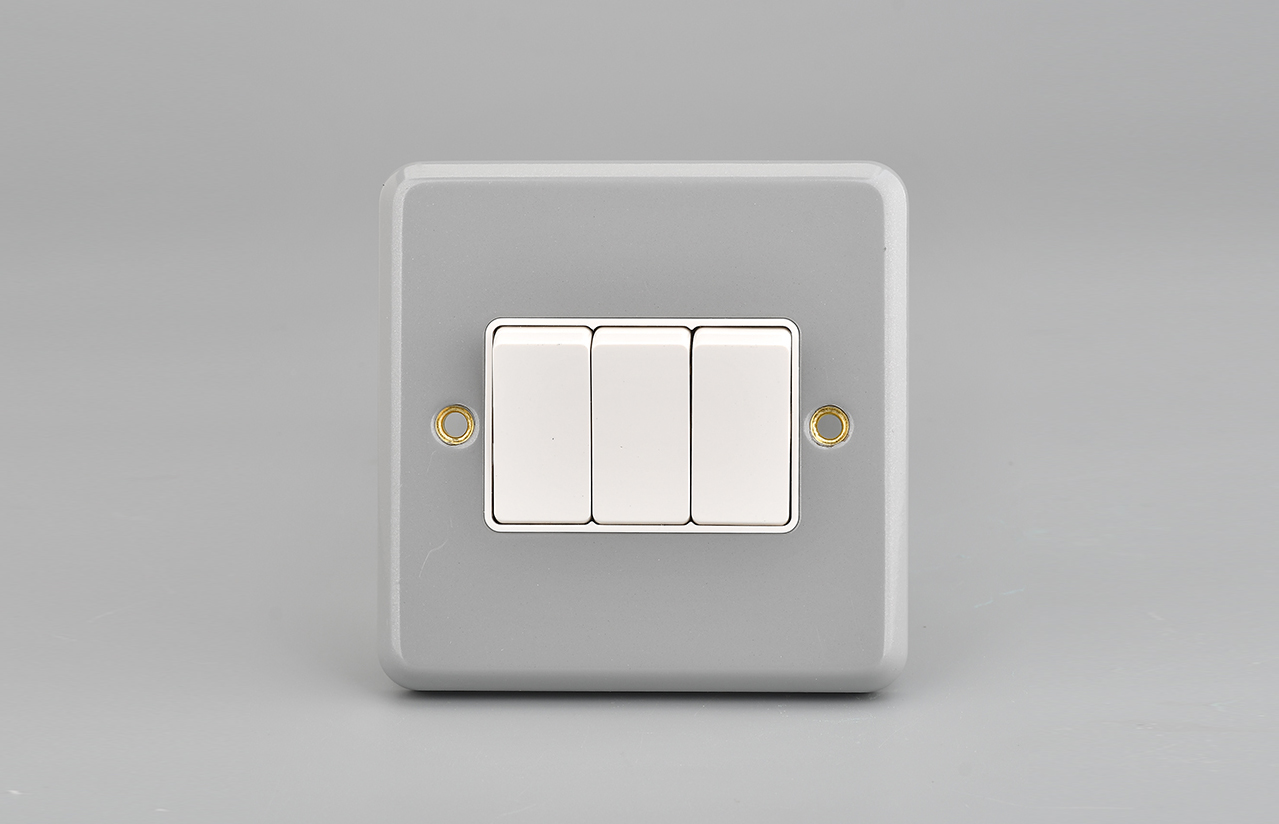
When undertaking international electrical projects, selecting the appropriate switching components is crucial for ensuring safety, compliance, and operational reliability. British standard switches have established themselves as a benchmark for quality and reliability in electrical installations worldwide. These switches, manufactured according to rigorous British Standards Institution specifications, offer superior performance characteristics that make them suitable for diverse international applications. Understanding their global compatibility and certification requirements is essential for electrical engineers, contractors, and project managers working across different geographical regions.
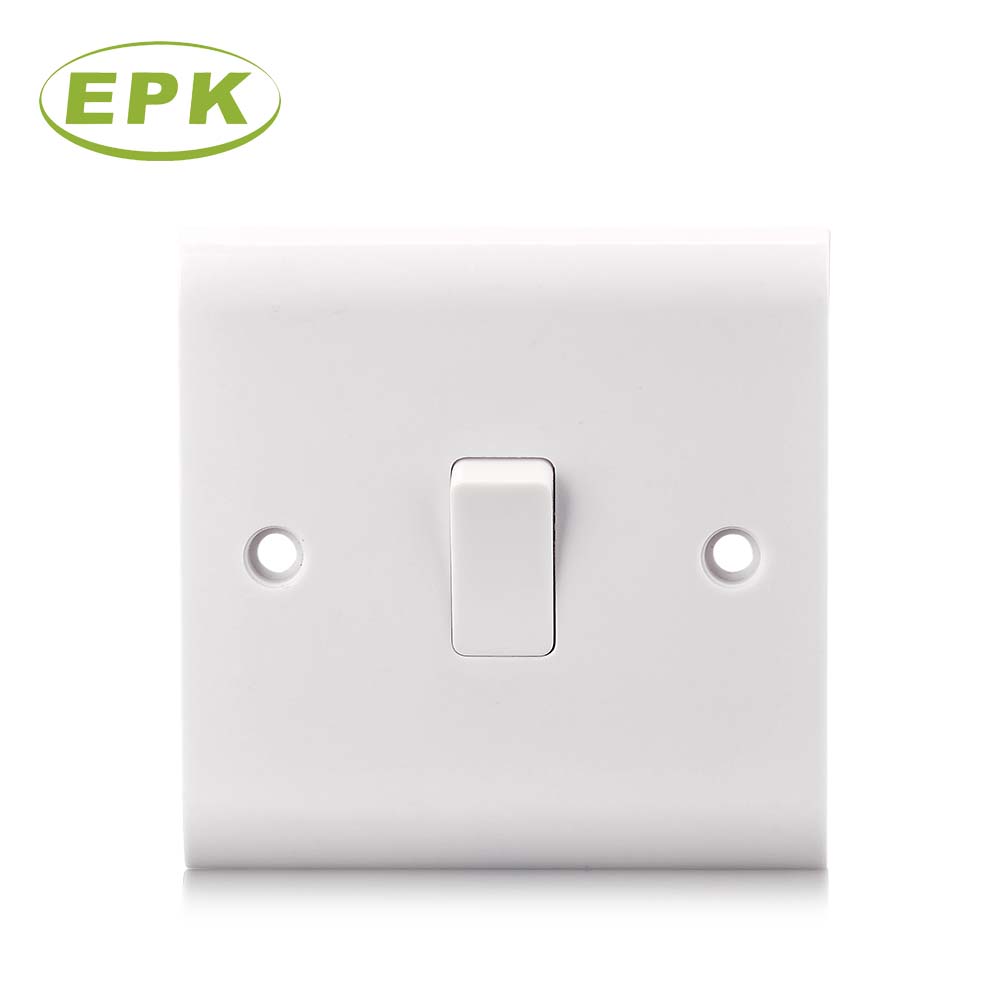
Understanding British Standard Switch Specifications
Core Technical Requirements
British standard switches are manufactured to comply with BS EN 60669 standards, which define comprehensive safety and performance requirements for switches used in household and similar fixed electrical installations. These specifications cover critical aspects including contact ratings, insulation resistance, mechanical endurance, and environmental protection levels. The standards ensure that british standard switches can handle voltage ratings up to 250V AC and current ratings typically ranging from 6A to 20A, depending on the specific application requirements.
The mechanical design of british standard switches incorporates robust construction materials such as high-grade thermoplastics and metal components that resist wear, corrosion, and electrical degradation. Contact mechanisms utilize silver-cadmium oxide or similar materials to ensure reliable switching operations over extended service life. These technical specifications make british standard switches suitable for demanding international environments where consistent performance is paramount.
Certification and Compliance Framework
International acceptance of british standard switches depends largely on their certification status and compliance with local electrical codes. Many countries recognize British Standards as equivalent to their domestic requirements, particularly in Commonwealth nations and regions with historical ties to British electrical practices. The CE marking on british standard switches indicates conformity with European Union safety directives, facilitating their use across European markets without additional certification requirements.
Third-party testing organizations such as BSI, Intertek, and SGS provide independent verification of british standard switches performance against international standards. These certifications demonstrate that the switches meet or exceed safety requirements for insulation, fire resistance, and electrical performance. Project specifiers should verify that selected british standard switches carry appropriate certifications for their target markets to ensure regulatory compliance.
International Compatibility Assessment
Voltage and Frequency Considerations
The global electrical infrastructure varies significantly in terms of supply voltage and frequency, factors that directly impact the suitability of british standard switches for international projects. Most british standard switches are designed for 230V/250V AC operation at 50Hz frequency, which aligns with electrical systems in Europe, Asia, Africa, and Oceania. This voltage compatibility makes them directly applicable in approximately 160 countries worldwide without requiring voltage conversion or adaptation.
However, regions utilizing 120V systems, primarily North America and parts of Central America, require careful evaluation when specifying british standard switches. While some models offer dual voltage ratings accommodating both 120V and 240V operation, project teams must verify specific product specifications to ensure proper functionality. The frequency difference between 50Hz and 60Hz systems typically does not affect switch performance, as these devices operate independently of supply frequency characteristics.
Physical Installation Compatibility
Installation compatibility represents another critical factor when deploying british standard switches in international projects. The standard 86mm x 86mm mounting dimensions commonly used for british standard switches align with international mounting box standards in many regions. European installations typically utilize similar dimensional requirements, facilitating direct replacement or new installation without modification to electrical infrastructure.
Wiring configurations present additional compatibility considerations, as british standard switches typically employ specific terminal arrangements optimized for British wiring practices. International installations may require adaptation of wiring methods or selection of switches with alternative terminal configurations to match local electrical practices. Professional electrical contractors familiar with both British and local standards can provide valuable guidance on installation compatibility requirements.
Regional Application Analysis
European Market Integration
European markets represent the most straightforward application environment for british standard switches due to harmonized electrical standards and regulatory frameworks. The European Committee for Electrotechnical Standardization has developed unified standards that closely align with British specifications, creating seamless compatibility across EU member states. British standard switches carrying CE marking can be deployed throughout Europe without additional certification or modification requirements.
Commercial and residential projects in countries such as Germany, France, Netherlands, and Scandinavian nations readily accept british standard switches as standard components. The established supply chains, technical support infrastructure, and installer familiarity with British products further enhance their suitability for European international projects. Brexit considerations have minimal impact on technical compatibility, though procurement and logistics may require additional attention to customs and regulatory procedures.
Asia-Pacific Market Considerations
The Asia-Pacific region presents diverse opportunities and challenges for british standard switches deployment. Countries with historical British influence, including Hong Kong, Singapore, Malaysia, and Australia, maintain electrical standards closely aligned with British specifications. These markets readily accept british standard switches as premium-quality components suitable for high-end residential, commercial, and industrial applications.
Emerging markets in Southeast Asia increasingly recognize the quality advantages of british standard switches, particularly for international hotel chains, commercial developments, and infrastructure projects requiring proven reliability. However, cost considerations and local content requirements may influence specification decisions. Project teams should evaluate the total cost of ownership, including long-term reliability benefits, when comparing british standard switches with local alternatives.
Quality Advantages for International Projects
Superior Material Construction
The manufacturing quality of british standard switches provides significant advantages for international projects operating in challenging environmental conditions. High-grade thermoplastic housings resist UV degradation, temperature extremes, and chemical exposure common in tropical, desert, and industrial environments. Metal components utilize corrosion-resistant alloys and protective coatings that maintain electrical integrity over extended service periods.
Contact systems in british standard switches employ precious metal alloys and advanced spring mechanisms that ensure consistent electrical connection under varying load conditions. This reliability becomes particularly valuable in international projects where maintenance access may be limited or costly. The superior materials and construction methods justify the premium cost through reduced maintenance requirements and extended service life.
Performance Under Extreme Conditions
International projects often expose electrical components to environmental conditions more severe than typical domestic applications. British standard switches undergo comprehensive testing for temperature cycling, humidity exposure, salt spray corrosion, and mechanical vibration to ensure reliable operation across diverse climatic conditions. These test protocols exceed many national standards, providing confidence for deployment in challenging international environments.
Sealing and protection ratings for british standard switches typically achieve IP20 or higher classifications, protecting internal components from dust, moisture, and foreign object intrusion. Some specialized models offer enhanced protection ratings suitable for harsh industrial or coastal environments where standard switches might fail prematurely. This environmental resilience makes british standard switches particularly suitable for international infrastructure projects in developing regions.
Installation and Maintenance Considerations
Contractor Training and Familiarity
Successful deployment of british standard switches in international projects requires consideration of local contractor capabilities and training requirements. While these switches utilize standard electrical principles, specific installation techniques, wiring methods, and safety procedures may differ from local practices. Project specifications should include provisions for contractor training or certification to ensure proper installation and commissioning.
Technical documentation and installation guides for british standard switches are typically available in multiple languages, facilitating international deployment. Manufacturers often provide local technical support through regional distributors or direct representation, ensuring that installation questions and issues can be resolved promptly. This support infrastructure represents a significant advantage over lesser-known brands that may lack international presence.
Long-term Service and Support
International projects require consideration of long-term parts availability, technical support, and warranty coverage for british standard switches. Established manufacturers maintain extensive global distribution networks and service capabilities that ensure ongoing support throughout the project lifecycle. Standardized product lines and backward compatibility reduce concerns about obsolescence and replacement part availability.
Warranty terms for british standard switches typically provide coverage for material defects and manufacturing issues, with some manufacturers offering extended warranty options for large international projects. Clear warranty procedures and local service contacts facilitate rapid resolution of any performance issues that may arise during the project operational phase. This comprehensive support framework provides project owners with confidence in their long-term investment.
Cost-Benefit Analysis Framework
Initial Investment Considerations
The initial cost of british standard switches typically exceeds that of locally manufactured alternatives, requiring careful evaluation of project budget constraints and value propositions. However, the total cost of ownership calculation should include factors such as installation efficiency, reduced maintenance requirements, extended service life, and warranty coverage. These factors often offset the higher initial investment through reduced lifecycle costs.
Volume purchasing opportunities and long-term supply agreements can provide cost advantages for large international projects utilizing british standard switches. Manufacturers often offer project-specific pricing and technical support packages that improve the overall value proposition. Early engagement with suppliers during the design phase allows for optimization of specifications and costs while maintaining quality requirements.
Risk Mitigation Value
International projects carry inherent risks related to component reliability, regulatory compliance, and long-term support availability. British standard switches provide risk mitigation value through proven reliability, comprehensive certifications, and established support infrastructure. The reputation and track record of British manufacturers reduce project risks associated with component failure or regulatory non-compliance.
Insurance and liability considerations may favor specification of british standard switches due to their comprehensive testing and certification status. Some insurance providers offer reduced premiums for projects utilizing certified, high-quality electrical components that reduce fire and safety risks. Project stakeholders should evaluate these indirect benefits when comparing alternative switching solutions for international applications.
FAQ
What certifications do british standard switches need for international use
British standard switches require appropriate certifications for each target market, typically including CE marking for European Union countries, local electrical authority approvals for specific nations, and compliance with relevant IEC standards. Project teams should verify certification requirements with local electrical authorities and ensure selected switches carry appropriate markings and documentation for their intended markets.
Can british standard switches handle different international voltage systems
Most british standard switches are designed for 230V-250V AC operation, making them compatible with electrical systems in Europe, Asia, Africa, and Oceania. For 120V systems common in North America, specific dual-voltage models may be available, but careful specification verification is required. The 50Hz vs 60Hz frequency difference typically does not affect switch performance.
How do installation requirements differ for british standard switches internationally
Installation requirements vary by country but generally follow similar principles for mounting, wiring, and safety procedures. The standard 86mm x 86mm mounting dimensions are compatible with most international electrical box standards. Local electrical codes may specify particular wiring methods, grounding requirements, or installation procedures that contractors must follow regardless of the switch type used.
What long-term support is available for british standard switches in international projects
Established British manufacturers maintain global distribution and support networks providing technical assistance, warranty service, and replacement parts availability. Many offer project-specific support agreements for large international installations, including training, documentation in local languages, and dedicated technical contacts. This comprehensive support infrastructure ensures ongoing assistance throughout the project lifecycle.
Table of Contents
- Understanding British Standard Switch Specifications
- International Compatibility Assessment
- Regional Application Analysis
- Quality Advantages for International Projects
- Installation and Maintenance Considerations
- Cost-Benefit Analysis Framework
-
FAQ
- What certifications do british standard switches need for international use
- Can british standard switches handle different international voltage systems
- How do installation requirements differ for british standard switches internationally
- What long-term support is available for british standard switches in international projects