
 EN
EN
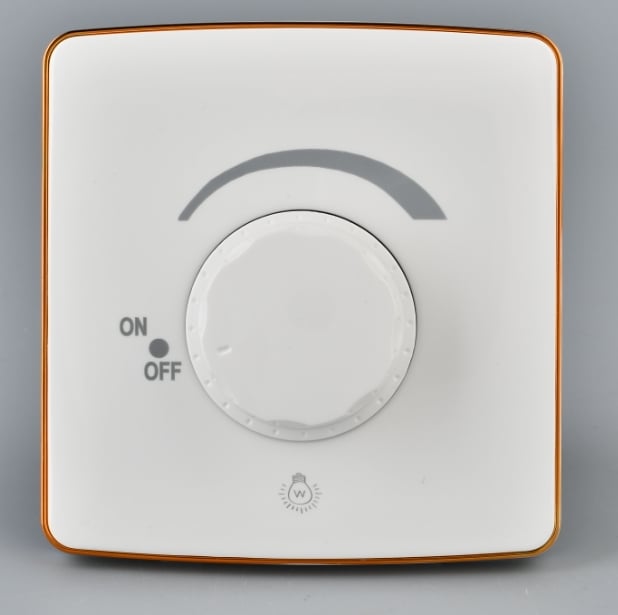
British standard switches represent the pinnacle of electrical safety and reliability in modern building installations. These meticulously engineered components adhere to stringent UK electrical regulations, ensuring optimal performance across both commercial and residential environments. From office complexes to family homes, british standard switches provide the essential control mechanisms that power our daily operations while maintaining the highest safety standards mandated by British electrical codes.
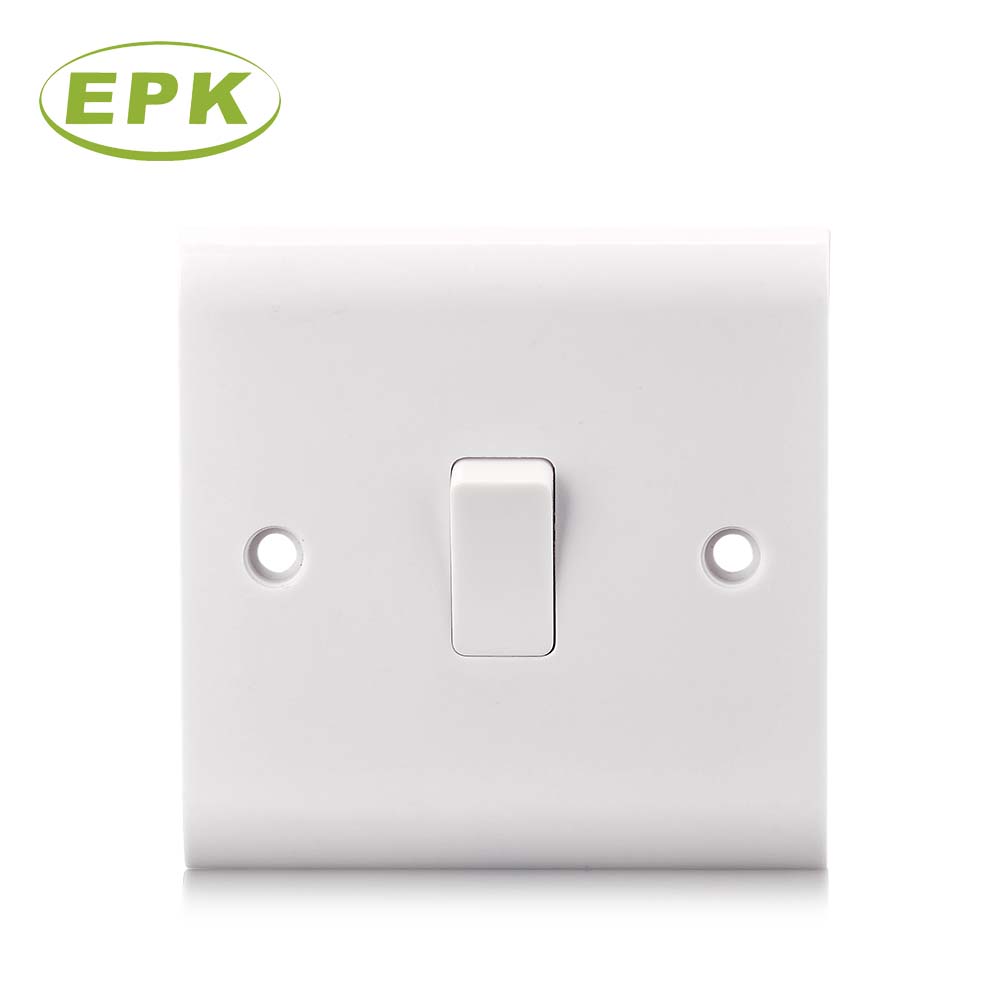
The evolution of electrical switching technology has transformed dramatically over the past century, yet the fundamental principles of british standard switches remain rooted in safety and functionality. Modern installations require switching solutions that can handle increasing electrical loads while providing intuitive operation for end users. Contemporary british standard switches incorporate advanced materials and precision engineering to deliver exceptional durability and performance in demanding applications.
Regulatory Compliance and Safety Standards
British Standard Specifications and Requirements
British standard switches must comply with comprehensive regulations outlined in BS EN 60669, which establishes the technical requirements for switches intended for household and similar fixed electrical installations. These specifications cover everything from contact resistance and temperature rise limits to mechanical endurance testing. Manufacturers must demonstrate that their british standard switches can withstand at least 40,000 operating cycles while maintaining electrical integrity and safety performance.
The certification process for british standard switches involves rigorous testing protocols conducted by accredited laboratories. Each switch design undergoes evaluation for electrical safety, mechanical durability, and environmental resistance. Testing includes verification of insulation resistance, dielectric strength, and protection against electric shock. Only products that successfully complete this comprehensive assessment earn the right to display British Standard markings.
Installation Code Compliance
Proper installation of british standard switches requires adherence to the IET Wiring Regulations (BS 7671), which govern electrical installations in the United Kingdom. Qualified electricians must ensure that switch positioning, circuit protection, and earthing arrangements meet specified requirements. The regulations mandate specific installation heights, accessibility considerations, and safety clearances that affect switch placement in both commercial and residential buildings.
Building control authorities require documentation demonstrating that all electrical work, including british standard switches installation, complies with current regulations. This documentation typically includes circuit diagrams, test certificates, and compliance statements. Non-compliance can result in safety hazards, insurance complications, and legal liability for building owners and contractors.
Technical Specifications and Performance Characteristics
Electrical Ratings and Load Capacity
Modern british standard switches are engineered to handle diverse electrical loads with precision and reliability. Standard residential applications typically require switches rated for 10 amperes at 250 volts, suitable for controlling lighting circuits and small appliances. Commercial installations may demand higher-rated switches capable of managing industrial equipment and complex lighting systems. The electrical contacts within british standard switches utilize advanced alloys that resist arcing and provide consistent performance over extended operating periods.
Load compatibility represents a critical consideration when specifying british standard switches for particular applications. Incandescent lighting loads create different switching challenges compared to LED drivers or fluorescent ballasts. Modern switches incorporate contact materials and switching mechanisms optimized for contemporary lighting technologies while maintaining backward compatibility with traditional electrical loads.
Mechanical Design and Construction
The mechanical components of british standard switches undergo extensive engineering to ensure reliable operation across millions of switching cycles. High-quality switches feature precision-molded actuators, robust internal mechanisms, and corrosion-resistant terminals. The switch housing materials must provide adequate insulation properties while withstanding mechanical stress and environmental conditions typical in building applications.
Internal contact mechanisms within british standard switches utilize spring-loaded designs that provide positive switching action and reliable electrical contact. The contact pressure and travel distances are carefully calibrated to minimize contact bounce while ensuring complete circuit interruption during switching operations. Premium switches incorporate silver-cadmium oxide contacts that offer superior performance in high-frequency switching applications.
Installation Considerations for Different Building Types
Commercial Building Requirements
Commercial installations present unique challenges that influence the selection and installation of british standard switches. Office buildings, retail spaces, and industrial facilities require switching solutions that can accommodate heavy usage patterns while maintaining aesthetic appeal. British standard switches in commercial environments must withstand frequent operation by multiple users while providing consistent performance throughout the building lifecycle.
The design of commercial electrical systems often incorporates sophisticated control strategies that affect switch selection. Emergency lighting circuits, security systems, and building automation networks may require specialized british standard switches with additional functionality. Integration with building management systems demands switches that can provide feedback signals or accept remote control inputs while maintaining standard manual operation capabilities.
Residential Application Considerations
Residential installations of british standard switches focus on user convenience, aesthetic integration, and long-term reliability. Homeowners expect switches to blend seamlessly with interior design schemes while providing intuitive operation for all family members. The selection of switch styles, colors, and finishes becomes particularly important in residential applications where appearance significantly impacts overall satisfaction.
Modern homes increasingly incorporate smart home technologies that affect traditional switching requirements. British standard switches may need to accommodate dimming functions, occupancy sensing, or integration with home automation systems. The electrical infrastructure must support these advanced features while maintaining compatibility with conventional switching operations for situations when automated systems are disabled or require manual override.
Material Quality and Manufacturing Standards
Component Materials and Durability
The materials used in manufacturing british standard switches directly impact their performance, longevity, and safety characteristics. High-quality switches utilize thermoplastic housings that provide excellent electrical insulation while resisting impact damage and environmental degradation. The selection of housing materials must balance mechanical strength, flame resistance, and cost considerations while meeting stringent safety requirements.
Internal components within british standard switches require materials that can withstand electrical stress, mechanical wear, and environmental conditions. Contact springs utilize specialized alloys that maintain proper tension over extended periods while resisting fatigue failure. Terminal screws and connection hardware must provide secure electrical connections while accommodating the thermal expansion and contraction cycles typical in building electrical systems.
Quality Control and Testing Procedures
Manufacturing quality control for british standard switches involves comprehensive testing at multiple production stages. Initial material inspections verify that raw materials meet specified requirements for electrical and mechanical properties. Assembly processes incorporate functional testing to ensure proper switch operation and electrical continuity. Final inspection procedures validate compliance with dimensional tolerances and safety requirements before products receive approval for distribution.
Long-term reliability testing simulates years of normal operation within compressed timeframes to identify potential failure modes. British standard switches undergo accelerated life testing that subjects them to extreme temperature cycles, humidity exposure, and mechanical stress. This testing regime helps manufacturers identify design improvements and validate product warranties while ensuring consistent field performance.
Economic Considerations and Value Analysis
Initial Cost Versus Long-Term Value
The economic evaluation of british standard switches extends beyond initial purchase price to encompass installation costs, maintenance requirements, and expected service life. Premium switches may command higher upfront costs but often provide superior reliability and reduced maintenance expenses over their operational lifetime. Building owners and facility managers increasingly recognize that investing in quality british standard switches can significantly reduce total cost of ownership.
Energy efficiency considerations also influence the economic analysis of switch selection. Modern british standard switches incorporate low-loss designs that minimize standby power consumption and heat generation. While individual switch power losses appear negligible, the cumulative effect across large installations can represent meaningful energy savings over time. Advanced switch designs may also enable integration with energy management systems that optimize building power consumption.
Maintenance and Replacement Considerations
The maintenance requirements for british standard switches vary significantly based on application environment and usage patterns. Commercial installations typically experience higher switching frequencies that accelerate normal wear processes. Preventive maintenance programs can identify potential switch failures before they disrupt building operations, but the cost-effectiveness of such programs depends on switch reliability and replacement costs.
Replacement planning for british standard switches should consider technological evolution and compatibility requirements. Building electrical systems may operate for decades, during which switch technologies and standards may evolve. Selecting switches from established manufacturers with strong product support helps ensure long-term parts availability and technical assistance when replacement becomes necessary.
Future Trends and Technology Integration
Smart Building Integration
The integration of british standard switches with smart building technologies represents a growing trend that affects both commercial and residential applications. Modern building automation systems require switches that can communicate operational status while maintaining standard manual control functions. This dual capability allows building operators to monitor switch usage patterns, detect potential failures, and optimize energy consumption while preserving user control flexibility.
Internet of Things (IoT) connectivity is increasingly influencing the design of british standard switches. Connected switches can provide real-time operational data, enable remote control capabilities, and support predictive maintenance strategies. The challenge for manufacturers lies in adding these advanced features while maintaining the reliability and simplicity that characterize traditional british standard switches.
Environmental and Sustainability Considerations
Environmental sustainability increasingly influences the design and manufacturing of british standard switches. Manufacturers are adopting eco-friendly materials, reducing packaging waste, and implementing recycling programs for end-of-life products. The selection of switch materials now considers environmental impact throughout the product lifecycle, from raw material extraction through manufacturing and eventual disposal.
Energy efficiency requirements continue to drive innovation in british standard switches design. New switching technologies promise reduced power losses, improved reliability, and enhanced functionality while maintaining compatibility with existing electrical infrastructure. These advances support building sustainability goals while providing improved performance and user satisfaction.
FAQ
What makes british standard switches different from other international switch types
British standard switches are specifically designed to comply with UK electrical regulations and safety standards, including BS EN 60669 specifications. They feature unique dimensional requirements, terminal configurations, and safety features that distinguish them from switches manufactured for other markets. The regulatory compliance ensures compatibility with UK electrical systems and adherence to local safety requirements that may differ from international standards.
How do I determine the correct rating for british standard switches in my application
The correct rating for british standard switches depends on the electrical load they will control and the circuit protection provided. Standard residential lighting circuits typically require 10-ampere switches, while higher-capacity applications may need 20-ampere or specialized ratings. Consult with a qualified electrician to evaluate your specific load requirements and ensure proper switch selection for safe and reliable operation.
Can modern LED lighting systems work with traditional british standard switches
Most modern LED lighting systems are compatible with traditional british standard switches, though some applications may require specialized switches designed for LED loads. Dimmable LED systems often need compatible dimmer switches that can properly control LED drivers without causing flickering or damage. Standard on-off british standard switches typically work well with non-dimmable LED lighting installations.
What maintenance is required for british standard switches in commercial buildings
Commercial british standard switches typically require minimal maintenance beyond periodic visual inspection and cleaning. High-usage switches may benefit from annual testing to verify proper operation and electrical connections. Any switches showing signs of wear, damage, or irregular operation should be replaced promptly by qualified personnel to maintain safety and prevent electrical problems.
Table of Contents
- Regulatory Compliance and Safety Standards
- Technical Specifications and Performance Characteristics
- Installation Considerations for Different Building Types
- Material Quality and Manufacturing Standards
- Economic Considerations and Value Analysis
- Future Trends and Technology Integration
-
FAQ
- What makes british standard switches different from other international switch types
- How do I determine the correct rating for british standard switches in my application
- Can modern LED lighting systems work with traditional british standard switches
- What maintenance is required for british standard switches in commercial buildings