
 EN
EN
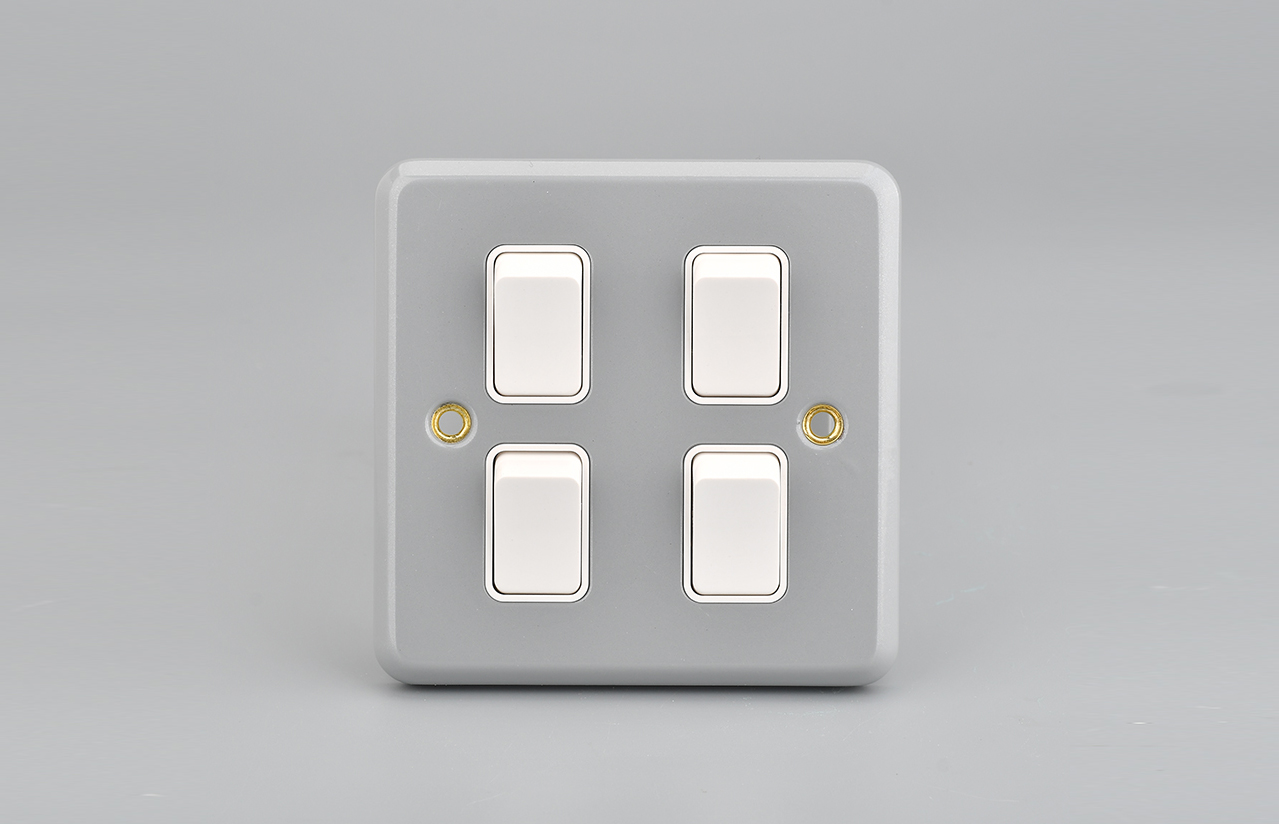
Project engineers working on electrical installations across the UK and international markets must understand the critical importance of selecting compliant switching solutions. British standard switches represent a cornerstone of electrical safety and reliability, offering engineered solutions that meet stringent regulatory requirements while delivering exceptional performance in residential, commercial, and industrial applications. These switching devices undergo rigorous testing protocols to ensure they meet the demanding specifications outlined in BS EN IEC 60669 standards, making them essential components for any professional electrical installation project.
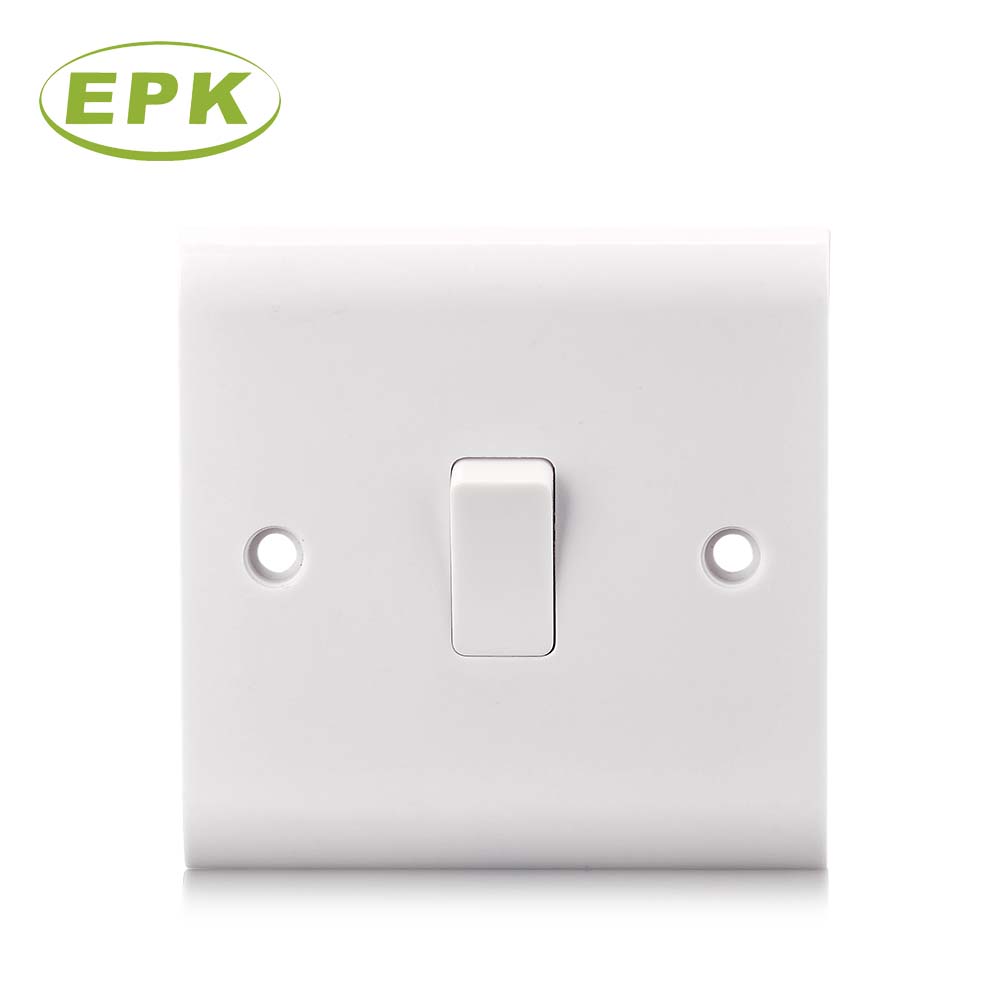
The evolution of electrical switching technology has consistently driven improvements in safety, durability, and operational efficiency. Modern british standard switches incorporate advanced materials, precision manufacturing techniques, and comprehensive quality assurance processes that ensure reliable operation across diverse environmental conditions. For project engineers, understanding these technical specifications and performance characteristics is crucial for making informed decisions that impact both project success and long-term system reliability.
Understanding British Standard Switch Classifications
Regulatory Framework and Compliance Requirements
The regulatory landscape governing british standard switches encompasses multiple interconnected standards that define performance, safety, and installation requirements. BS EN IEC 60669 serves as the primary standard governing the design, construction, and testing of switches for household and similar fixed electrical installations. This comprehensive standard establishes minimum requirements for electrical, mechanical, and environmental performance, ensuring that british standard switches deliver consistent operation under specified conditions.
Project engineers must recognize that compliance with British Standards extends beyond basic functionality to encompass electromagnetic compatibility, fire safety, and environmental impact considerations. The certification process for british standard switches involves extensive testing protocols that evaluate contact reliability, insulation resistance, temperature rise characteristics, and mechanical endurance. These rigorous testing procedures ensure that switches maintain their specified performance levels throughout their operational lifetime, providing the reliability that professional installations demand.
Technical Specifications and Performance Metrics
The technical performance of british standard switches is characterized by specific electrical ratings, mechanical specifications, and environmental tolerances that define their suitability for particular applications. Standard voltage ratings typically range from 250V AC for residential applications to higher voltages for commercial and industrial installations. Current ratings vary according to the intended load characteristics, with standard configurations supporting loads from 10A to 20A depending on the specific switch design and application requirements.
Mechanical durability represents another critical performance parameter, with british standard switches required to demonstrate reliable operation through minimum cycle counts that reflect real-world usage patterns. Premium switches often exceed these minimum requirements, providing extended service life and reduced maintenance requirements. Temperature performance, contact resistance stability, and insulation integrity under various environmental conditions further distinguish high-quality british standard switches from basic alternatives.
Design Considerations for Professional Applications
Material Selection and Construction Quality
The materials used in constructing british standard switches directly impact their performance, durability, and suitability for specific installation environments. High-quality switches incorporate thermoplastic housings that resist impact, provide excellent electrical insulation, and maintain dimensional stability across temperature variations. The contact materials, typically silver alloys or silver-cadmium compositions, are selected for their superior electrical conductivity, arc resistance, and long-term reliability under switching conditions.
Professional-grade british standard switches often feature enhanced construction details that distinguish them from consumer-oriented alternatives. These may include reinforced mounting systems, improved contact spring mechanisms, and advanced arc extinguishing technologies that extend contact life and reduce maintenance requirements. The selection of appropriate materials and construction techniques directly influences the switch's ability to maintain reliable operation in demanding commercial and industrial environments where failure can result in significant operational disruptions.
Environmental Performance and Installation Considerations
Environmental performance characteristics play a crucial role in determining the suitability of british standard switches for specific installation locations. IP (Ingress Protection) ratings define the level of protection against solid particles and liquid ingress, with standard indoor switches typically rated IP20 while specialized applications may require higher protection levels. Temperature ratings specify the operational and storage temperature ranges, ensuring reliable performance across seasonal variations and different geographic locations.
Project engineers must consider the installation environment when specifying british standard switches, accounting for factors such as humidity levels, corrosive atmospheres, vibration exposure, and mechanical stress. Specialized variants designed for harsh environments incorporate enhanced sealing systems, corrosion-resistant finishes, and reinforced mechanical construction to ensure reliable operation under challenging conditions. Proper environmental matching ensures optimal switch performance and minimizes maintenance requirements throughout the installation's operational lifetime.
Installation Standards and Best Practices
Mounting Systems and Mechanical Installation
Proper installation of british standard switches requires adherence to established mounting practices that ensure mechanical integrity and electrical safety. Standard mounting configurations utilize gang boxes or surface-mounted enclosures that provide appropriate cable management, adequate clearances, and secure mechanical support. The mounting system must accommodate the switch's physical dimensions while providing access for maintenance and inspection activities.
Professional installation practices for british standard switches emphasize proper cable termination techniques, appropriate torque specifications for terminal connections, and verification of electrical continuity. The installation process must account for thermal expansion, mechanical stress relief, and accessibility for future maintenance activities. Quality installation practices directly impact the long-term reliability and safety of the switching system.
Electrical Connection and Circuit Protection
The electrical connection of british standard switches requires careful attention to circuit protection, load characteristics, and system compatibility. Proper circuit design ensures that the switch ratings are compatible with the connected loads and protective devices. Circuit protection devices must be coordinated with switch specifications to provide appropriate fault protection while avoiding nuisance tripping during normal operation.
Project engineers must consider the electrical characteristics of the connected loads when specifying british standard switches, accounting for inrush currents, power factor considerations, and harmonic content that may affect switch performance. LED lighting loads, motor starting currents, and capacitive loads each present unique challenges that may require specialized switch configurations or supplementary protection devices. Proper electrical design ensures reliable operation and extends the service life of the switching system.
Quality Assurance and Testing Protocols
Manufacturing Quality Control Systems
The manufacturing of british standard switches involves comprehensive quality control systems that monitor material quality, production processes, and finished product performance. Statistical process control techniques ensure consistent manufacturing quality while identifying potential issues before they affect product reliability. Incoming material inspection, in-process monitoring, and final testing protocols work together to maintain the high standards expected from british standard switches.
Advanced manufacturing facilities employ automated testing systems that evaluate electrical performance, mechanical operation, and environmental resistance characteristics. These systems can detect subtle variations in performance that might indicate potential reliability issues, allowing corrective action before products reach the market. The integration of quality management systems with manufacturing processes ensures that british standard switches consistently meet or exceed their specified performance requirements.
Performance Validation and Certification Processes
The certification process for british standard switches involves independent testing by accredited laboratories that verify compliance with relevant standards and regulations. Type testing evaluates the fundamental design characteristics, while routine testing ensures ongoing production quality. The certification process includes electrical safety testing, electromagnetic compatibility evaluation, and environmental performance validation under controlled laboratory conditions.
Project engineers benefit from understanding the certification status of british standard switches they specify, as this information provides assurance of regulatory compliance and performance reliability. Certified products undergo regular surveillance testing to ensure continued compliance with evolving standards and regulations. The certification process provides an independent verification of product quality that supports confident specification decisions and reduces project risk.
Application-Specific Selection Criteria
Residential and Light Commercial Applications
Residential applications of british standard switches typically emphasize cost-effectiveness, aesthetic appeal, and reliable basic functionality. Standard configurations include single-gang and multi-gang arrangements that accommodate typical residential switching requirements. The selection criteria for residential british standard switches focus on meeting basic performance requirements while providing attractive appearance options that complement interior design schemes.
Light commercial applications may require enhanced durability and additional functionality compared to residential installations. Office buildings, retail spaces, and hospitality facilities often benefit from british standard switches with improved mechanical endurance, enhanced contact materials, and specialized features such as pilot lights or delayed action mechanisms. The increased usage patterns in commercial environments justify the selection of higher-grade switches that provide extended service life and reduced maintenance requirements.
Industrial and Heavy-Duty Applications
Industrial applications present unique challenges that require specialized british standard switches designed for harsh environmental conditions and demanding operational requirements. These applications often involve higher current ratings, enhanced environmental protection, and specialized mounting configurations that accommodate industrial control panel installations. The selection criteria must account for factors such as vibration resistance, temperature extremes, and exposure to contaminants.
Heavy-duty industrial british standard switches incorporate advanced contact materials, reinforced mechanical construction, and enhanced environmental sealing to ensure reliable operation under challenging conditions. These switches may feature specialized arc extinction systems, high-temperature materials, and corrosion-resistant finishes that extend service life in demanding environments. The additional cost of industrial-grade switches is typically justified by reduced maintenance requirements and improved system reliability.
Maintenance and Lifecycle Management
Preventive Maintenance Strategies
Effective maintenance of british standard switches involves systematic inspection and testing procedures that identify potential issues before they result in operational failures. Preventive maintenance programs should include periodic visual inspection, electrical testing, and mechanical operation verification. The frequency of maintenance activities depends on the installation environment, usage patterns, and criticality of the switching functions.
Professional maintenance procedures for british standard switches emphasize safety protocols, proper testing equipment, and documentation of maintenance activities. Contact resistance measurements, insulation testing, and mechanical operation assessments provide objective measures of switch condition and remaining service life. Trending of maintenance data enables predictive maintenance strategies that optimize replacement timing and minimize unexpected failures.
Replacement Planning and Lifecycle Optimization
Strategic replacement planning for british standard switches considers factors such as technological obsolescence, maintenance costs, and reliability trends that indicate approaching end-of-life conditions. Modern switches offer improved performance characteristics and enhanced features that may justify proactive replacement even when existing switches remain functional. Lifecycle cost analysis can help project engineers evaluate the economic benefits of upgrade programs.
The planning process for british standard switches replacement should account for system integration requirements, installation logistics, and coordination with other maintenance activities. Bulk replacement programs can provide cost advantages and ensure system-wide compatibility while minimizing installation disruption. Documentation of switch specifications, installation details, and performance history supports informed replacement decisions and ensures continuity of system operation.
FAQ
What are the key differences between british standard switches and other international switch standards
British standard switches are designed to comply with BS EN IEC 60669 standards, which specify unique requirements for voltage ratings, current capacity, mechanical construction, and safety features. These switches typically operate at 250V AC with current ratings from 10A to 20A, and feature specific pin configurations and mounting dimensions that differ from North American or other European standards. The British standards emphasize particular safety requirements, environmental testing protocols, and electromagnetic compatibility specifications that may not align with other international standards, making proper specification critical for regulatory compliance.
How do environmental conditions affect the performance of british standard switches
Environmental conditions significantly impact the performance and reliability of british standard switches through effects on contact materials, insulation systems, and mechanical components. Temperature extremes can affect contact resistance, thermal expansion of components, and insulation characteristics. Humidity and corrosive atmospheres can degrade contact surfaces and compromise electrical performance over time. Vibration and mechanical stress can cause connection loosening and accelerated wear of moving parts. Proper environmental assessment and switch selection based on IP ratings and temperature specifications ensure reliable operation under specific installation conditions.
What maintenance procedures are recommended for british standard switches in commercial applications
Commercial applications require systematic maintenance procedures including periodic visual inspection for signs of overheating, mechanical wear, or environmental degradation. Electrical testing should include contact resistance measurements, insulation testing, and verification of proper operation under load conditions. Mechanical operation testing ensures smooth switching action and proper contact engagement. Documentation of maintenance activities, trending of performance data, and coordination with overall facility maintenance programs optimize switch reliability and service life. The frequency of maintenance activities should be adjusted based on usage patterns, environmental conditions, and criticality of the switching functions.
How should project engineers evaluate the quality and reliability of british standard switches
Project engineers should evaluate british standard switches based on compliance certifications, manufacturer quality systems, technical specifications, and performance testing data. Key evaluation criteria include adherence to BS EN IEC 60669 standards, third-party certification marks, and documentation of quality management systems. Technical specifications should be compared against application requirements, considering factors such as electrical ratings, mechanical endurance, environmental performance, and expected service life. Manufacturer reputation, technical support capabilities, and availability of replacement parts also influence the overall value proposition and long-term project success.
Table of Contents
- Understanding British Standard Switch Classifications
- Design Considerations for Professional Applications
- Installation Standards and Best Practices
- Quality Assurance and Testing Protocols
- Application-Specific Selection Criteria
- Maintenance and Lifecycle Management
-
FAQ
- What are the key differences between british standard switches and other international switch standards
- How do environmental conditions affect the performance of british standard switches
- What maintenance procedures are recommended for british standard switches in commercial applications
- How should project engineers evaluate the quality and reliability of british standard switches