
 EN
EN
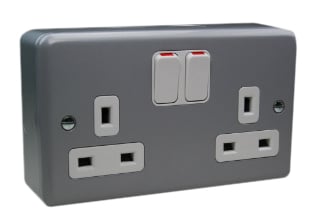
Electrical socket designs vary significantly across the globe, with each region developing systems that reflect safety priorities, historical context, and technical requirements. Among these, british standard sockets stand out as one of the most robust and safety-focused designs in the world. Understanding the differences between socket types helps consumers, engineers, and businesses make informed decisions about electrical infrastructure, particularly when dealing with international markets or upgrading existing installations.
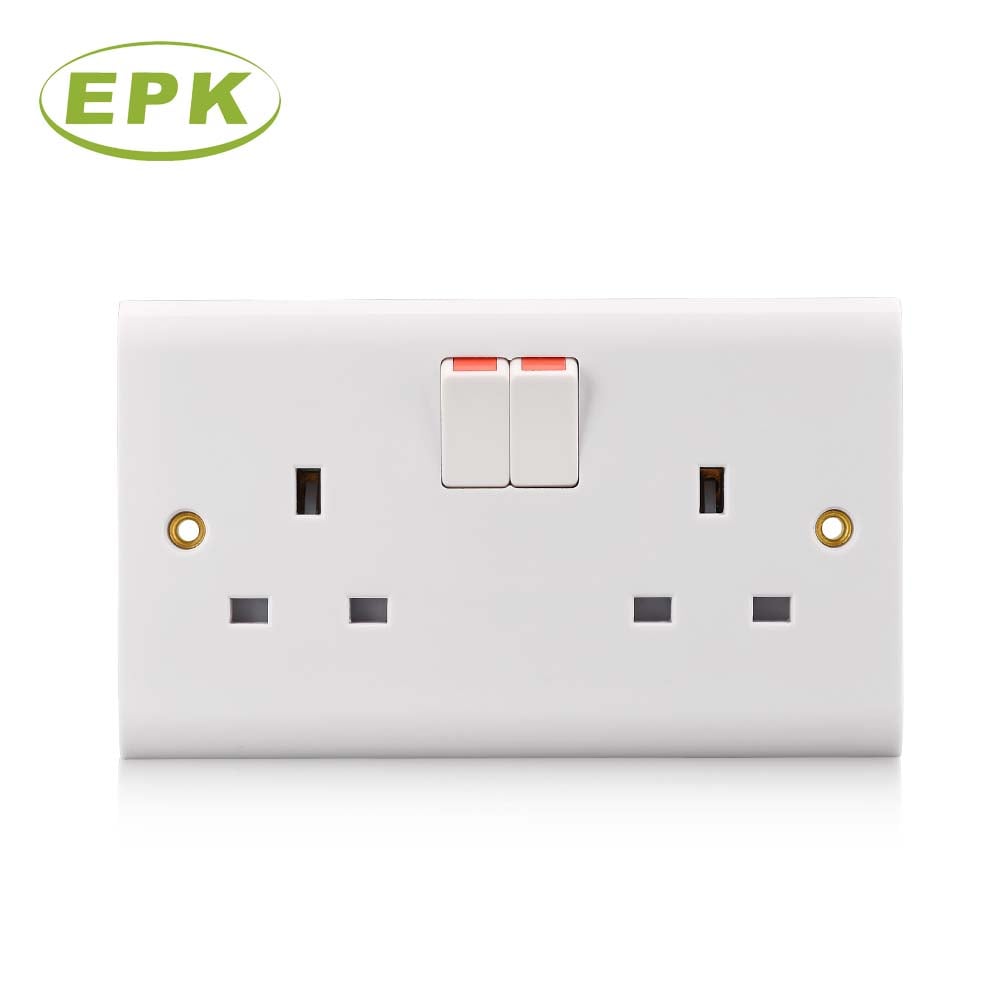
The evolution of socket designs reflects decades of engineering refinement, safety improvements, and standardization efforts. While some countries prioritize simplicity and cost-effectiveness, others emphasize maximum protection and durability. British standard sockets have earned recognition for their comprehensive safety features and reliable performance, making them a preferred choice in many professional and residential applications worldwide.
Understanding British Standard Socket Design
Core Safety Features and Construction
British standard sockets incorporate multiple layers of safety protection that distinguish them from other international designs. The three-pin configuration includes live, neutral, and earth connections, with the earth pin being longer than the other two. This design ensures that the earth connection is established before the live and neutral pins make contact, providing immediate grounding protection for connected devices.
The socket design includes individual shutters for each pin hole, which remain closed until the correct plug is inserted. These shutters prevent accidental contact with live parts, making british standard sockets particularly safe around children and in high-traffic environments. The robust construction typically features thick bakelite or high-grade plastic housings that resist impact and provide excellent insulation properties.
Another distinctive feature is the built-in fuse system within the plug itself, typically rated at 3A, 5A, or 13A depending on the appliance requirements. This localized fuse protection provides an additional safety layer that many other socket designs lack, ensuring that individual appliances are protected without affecting the entire circuit.
Technical Specifications and Standards
British standard sockets operate at 230-240V AC and are designed to handle currents up to 13A per socket. The BS 1363 standard governs these specifications, ensuring consistency and safety across all compliant products. The socket dimensions are precisely defined, with pin spacing of 22.2mm between live and neutral, and the earth pin positioned centrally above.
The contact pressure within british standard sockets is engineered to maintain reliable connections while allowing smooth plug insertion and removal. The spring-loaded contacts ensure consistent electrical contact even after thousands of plug cycles, contributing to the longevity and reliability that these sockets are known for.
Modern british standard sockets often incorporate additional features such as USB charging ports, LED indicators, and smart connectivity options while maintaining the fundamental safety principles of the original design. These enhancements make them suitable for contemporary applications without compromising the proven safety benefits.
Comparison with European Socket Standards
Type C and Type F Socket Analysis
European Type C sockets, commonly known as Europlug sockets, represent a minimalist approach to electrical connections. These two-pin sockets lack the earth connection that is standard in british standard sockets, making them suitable only for double-insulated appliances. The absence of shutters and the simpler construction make Type C sockets less expensive but also less protective.
Type F sockets, used primarily in Germany and other Central European countries, include earth connections through side clips rather than a dedicated pin. While this design provides grounding protection, it lacks the systematic safety features found in british standard sockets. The earth connection is established simultaneously with live and neutral contacts, rather than the safer sequence provided by the British design.
The plug retention mechanism in European sockets varies considerably, with some designs relying solely on friction while others incorporate basic locking features. British standard sockets consistently provide positive plug retention through their precise dimensional tolerances and spring-loaded contacts, ensuring reliable connections even in environments with vibration or movement.
Voltage and Current Handling Differences
European sockets typically handle similar voltage ranges to british standard sockets, operating at 230V AC. However, the current handling capabilities differ significantly. Type C sockets are limited to 2.5A, making them unsuitable for high-power appliances that british standard sockets can easily accommodate at their full 13A rating.
The power distribution philosophy also differs between regions. European installations often rely on dedicated circuits for high-power appliances, while british standard sockets with their higher current capacity allow for more flexible power distribution. This flexibility makes British-style installations more adaptable to changing power requirements without extensive rewiring.
North American Socket Design Comparison
NEMA Socket Configuration Analysis
North American NEMA sockets operate at 120V AC, significantly lower than the 240V standard of british standard sockets. This voltage difference necessitates higher currents to deliver equivalent power, resulting in different design priorities and safety considerations. The most common NEMA 5-15 socket handles 15A at 120V, providing similar power capacity to british standard sockets but through different electrical parameters.
The North American design philosophy emphasizes simplicity and cost-effectiveness, with basic two or three-pin configurations lacking the sophisticated shutter systems found in british standard sockets. The earth connection, when present, uses a round pin below the two flat blade connections, but without the sequential connection advantage of the British design.
NEMA sockets rely primarily on circuit breakers for overcurrent protection rather than the individual fuse protection built into British plugs. While this approach works effectively, it means that appliance-level protection requires additional components or relies on appliance internal protection systems.
Safety Mechanism Variations
Recent developments in North American socket design have introduced GFCI (Ground Fault Circuit Interrupter) protection, particularly for bathroom and outdoor installations. While this provides excellent protection against ground faults, it operates at the circuit level rather than the individual socket level protection offered by british standard sockets through their integrated safety features.
The absence of shutters in standard NEMA sockets has been partially addressed through tamper-resistant outlet requirements in newer installations. However, these safety features are typically mandated only for specific applications, unlike the universal safety approach of british standard sockets.
Asian Socket Standards and Comparisons
Type A and Type I Socket Evaluation
Asian markets utilize various socket standards, with Type A (similar to North American) and Type I (Australian/New Zealand standard) being prominent. Type I sockets share some similarities with british standard sockets, including three-pin configuration and similar voltage ratings, but lack the sophisticated safety mechanisms of the British design.
The Australian Type I socket uses angled pins rather than rectangular ones, and while it includes an earth connection, it doesn't provide the sequential connection safety of british standard sockets. The shutter systems, when present, are typically simpler and may not provide the same level of protection against accidental contact.
Chinese socket standards have evolved to incorporate multiple compatibility options, sometimes supporting several plug types within a single socket design. However, this universal approach can compromise safety and reliability compared to the dedicated design optimization found in british standard sockets.
Manufacturing Quality Considerations
Manufacturing standards for asian socket designs vary considerably between regions and manufacturers. While high-quality examples match international safety standards, the market also includes lower-cost options that may not provide the consistent reliability associated with british standard sockets. This variation makes specification and sourcing more critical for professional applications.
The materials used in asian socket construction range from high-grade engineering plastics to basic thermoplastics, affecting durability and safety performance. British standard sockets typically maintain more consistent material standards across different manufacturers, ensuring predictable performance characteristics.
Installation and Maintenance Advantages
Professional Installation Benefits
Professional electricians often prefer working with british standard sockets due to their consistent design standards and robust construction. The clear identification of terminals, standard screw patterns, and reliable connection methods reduce installation time and improve connection quality. The standardized back box dimensions ensure compatibility across different manufacturers and simplify replacement procedures.
The larger size of british standard sockets provides more space for wire connections, reducing the risk of overcrowding that can occur with compact socket designs. This additional space also facilitates proper wire routing and strain relief, contributing to long-term installation reliability.
When specifying british standard sockets for commercial or industrial applications, engineers can rely on consistent performance specifications and availability of accessories such as weatherproof covers, lockable variants, and specialized mounting options.
Long-term Maintenance Characteristics
The robust construction of british standard sockets translates to lower maintenance requirements over their operational lifetime. The spring-loaded contacts maintain proper pressure even after thousands of plug insertion cycles, while the substantial housing materials resist wear and environmental factors. This durability reduces replacement frequency and associated maintenance costs.
Component availability represents another maintenance advantage, with british standard sockets having extensive parts support and standardized replacement options. The modular design allows for easy component replacement when necessary, extending the useful life of the complete installation.
Cost-Benefit Analysis
Initial Investment Considerations
While british standard sockets typically command higher initial costs compared to basic socket designs, the total cost of ownership often favors the British standard over time. The superior safety features reduce risk-related costs, while the robust construction minimizes replacement frequency. Professional installations benefit from reduced labor costs due to the straightforward installation process and reliable performance.
The integrated safety features of british standard sockets can reduce the need for additional protection devices, potentially offsetting the higher initial socket cost. The individual fuse protection, shutter systems, and robust earth connections provide protection that might otherwise require separate components or systems.
Operational Cost Benefits
Energy efficiency considerations favor british standard sockets due to their reliable connections and minimal contact resistance. Poor connections in inferior socket designs can create heating and energy losses that accumulate over time. The precision manufacturing and quality materials used in british standard sockets maintain low resistance connections throughout their operational life.
Insurance and liability considerations may also favor installations using british standard sockets, as their comprehensive safety features and recognized standards compliance can reduce risk assessments and associated costs. Many professional and commercial applications specifically require or prefer british standard sockets for these reasons.
International Market Applications
Global Adoption and Recognition
British standard sockets have gained adoption beyond their original geographic boundaries, particularly in markets where safety standards are prioritized. Many former Commonwealth countries continue to use british standard sockets, creating a substantial global market for these products. The reputation for safety and reliability has also led to adoption in high-end residential and commercial projects worldwide.
International hotels, offices, and industrial facilities often choose british standard sockets for their proven performance and universal recognition by users. The substantial user base means that travelers and equipment manufacturers are familiar with the design, reducing training requirements and compatibility issues.
Future Development Trends
Modern developments in british standard sockets include smart home integration, USB charging capabilities, and enhanced surge protection features. These advances build upon the fundamental safety and reliability principles while adding contemporary functionality. The established design framework allows for these enhancements without compromising the proven safety benefits.
Sustainability considerations are driving improvements in materials and manufacturing processes for british standard sockets, with increased use of recycled materials and energy-efficient production methods. These developments maintain the performance characteristics while reducing environmental impact.
FAQ
What makes british standard sockets safer than other socket designs?
British standard sockets incorporate multiple safety features including individual pin shutters, sequential earth connection, integrated fuse protection, and robust construction materials. The earth pin connects first during insertion, providing immediate grounding protection, while the shutters prevent accidental contact with live parts. The individual fuse in each plug provides appliance-level protection not found in most other socket designs.
Can british standard sockets handle higher power loads than other types?
Yes, british standard sockets are rated for 13A at 240V, providing up to 3120W power handling capability per socket. This exceeds most other socket designs, such as European Type C sockets limited to 2.5A or standard North American outlets at 15A/120V. The higher voltage and current capacity make british standard sockets suitable for a wider range of appliances without requiring dedicated circuits.
Are british standard sockets compatible with smart home systems?
Modern british standard sockets are available with integrated smart features including WiFi connectivity, USB charging ports, and remote control capabilities. These smart versions maintain all the safety features of traditional designs while adding contemporary functionality. The established mounting standards ensure that smart british standard sockets can replace conventional ones without rewiring.
How do maintenance requirements compare between british standard sockets and alternatives?
British standard sockets typically require less maintenance due to their robust construction and high-quality materials. The spring-loaded contacts maintain proper connection pressure over thousands of cycles, while the substantial housing resists wear and environmental factors. This durability results in longer replacement intervals and lower maintenance costs compared to many alternative socket designs that may require more frequent service or replacement.