
 EN
EN
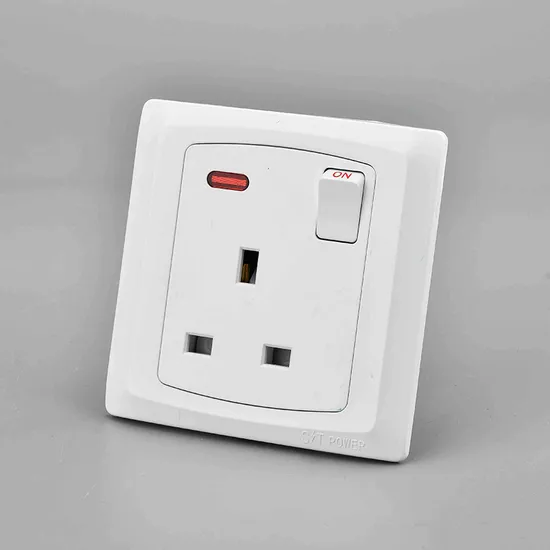
Electrical infrastructure forms the backbone of modern commercial and residential buildings, with british standard sockets serving as critical connection points for power distribution. Understanding the specifications, applications, and procurement considerations for these essential electrical components enables facility managers, contractors, and electrical professionals to make informed decisions that ensure safety, compliance, and operational efficiency. The UK's electrical socket standards have evolved over decades to provide robust, reliable power solutions that meet stringent safety requirements while supporting diverse electrical loads across various applications.
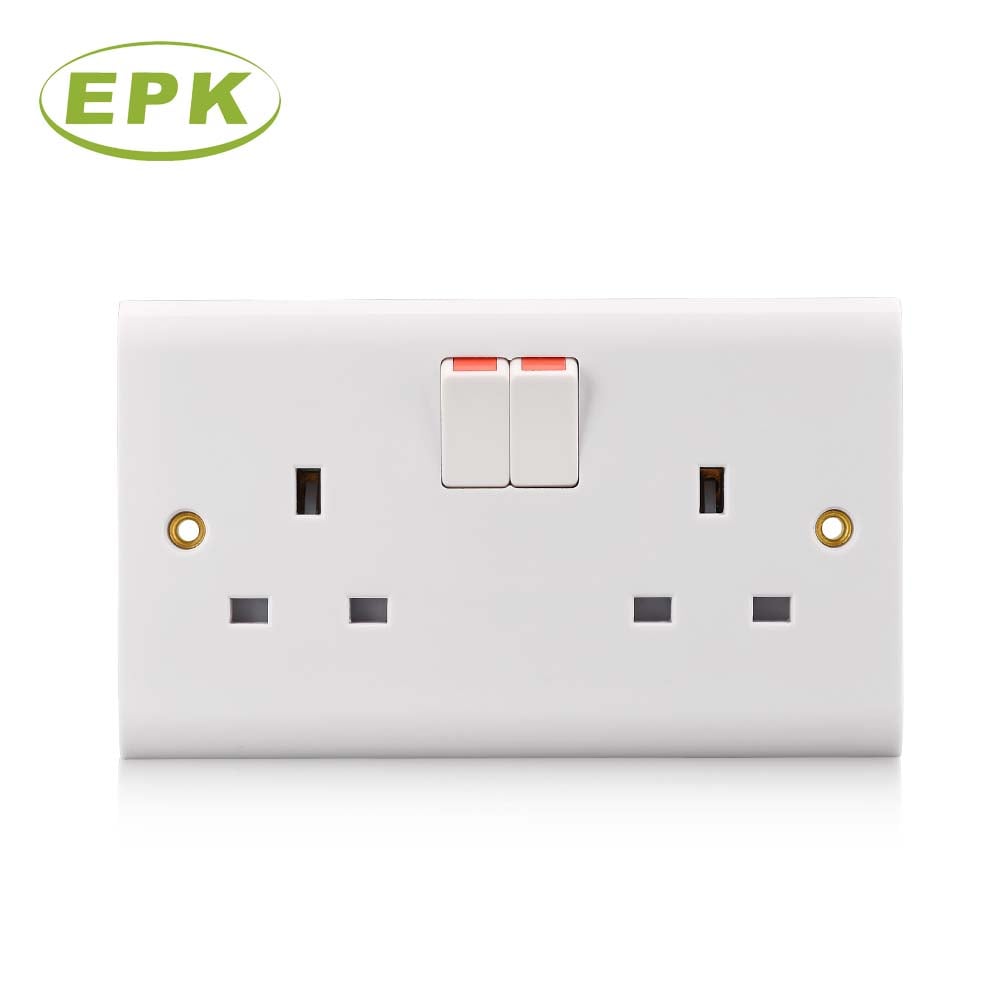
Understanding British Standard Socket Specifications
Core Technical Requirements
British standard sockets must comply with BS 1363 regulations, which establish comprehensive requirements for socket outlets used in domestic and commercial installations. These specifications define pin configurations, current ratings, voltage tolerances, and safety mechanisms that ensure consistent performance across all approved devices. The standard mandates a three-pin configuration with earth connection, typically rated for 13 amperes at 230-250 volts AC, providing sufficient capacity for most standard electrical appliances and equipment.
Manufacturing quality standards for british standard sockets encompass material specifications, dimensional tolerances, and performance testing protocols. Socket bodies must demonstrate adequate mechanical strength, electrical insulation properties, and resistance to environmental factors such as moisture, temperature fluctuations, and mechanical stress. Contact mechanisms require specific spring tension values, corrosion resistance treatments, and electrical conductivity thresholds to maintain reliable connections throughout the socket's operational lifespan.
Safety Features and Protection Mechanisms
Modern british standard sockets incorporate multiple safety features designed to prevent electrical hazards and protect connected equipment. Shuttered socket designs prevent accidental contact with live terminals, while earth leakage protection circuits can detect ground faults and interrupt power flow before dangerous conditions develop. Many commercial-grade sockets include surge protection capabilities, helping to safeguard sensitive electronic equipment from voltage spikes and transient electrical disturbances.
Child safety considerations play a crucial role in socket design, with automatic shuttering mechanisms that only open when proper plug insertion occurs simultaneously across all terminals. This feature prevents insertion of foreign objects while maintaining ease of use for legitimate electrical connections. Additionally, flame-retardant materials and arc-fault protection help minimize fire risks associated with electrical faults or component failures.
Installation and Compliance Considerations
Regulatory Requirements
Installation of british standard sockets must comply with current IET Wiring Regulations (BS 7671), which specify circuit protection requirements, cable specifications, and testing procedures for electrical installations. These regulations mandate appropriate circuit breaker protection, earth bonding connections, and periodic inspection schedules to ensure ongoing safety and performance. Professional electricians must verify that socket circuits include adequate overload protection and ground fault interruption capabilities according to the specific application and environmental conditions.
Building codes and local authority requirements may impose additional constraints on socket placement, circuit loading, and installation methods. Commercial installations often require enhanced documentation, including circuit schedules, load calculations, and maintenance protocols that demonstrate compliance with workplace safety regulations. Understanding these requirements during the planning phase helps avoid costly modifications and ensures smooth project approval processes.
Installation Best Practices
Proper mounting techniques for british standard sockets ensure long-term reliability and user safety. Wall-mounted installations require appropriate back boxes with sufficient depth to accommodate wiring connections and allow for thermal expansion. Surface-mounted options provide flexibility for retrofit applications, though they may require additional cable protection and aesthetic considerations in finished spaces.
Circuit design considerations include load distribution, wire sizing, and protection coordination to prevent nuisance tripping and ensure adequate power delivery. Professional installers typically group sockets into logical circuits based on usage patterns and load requirements, avoiding overloading individual circuits while providing convenient access throughout the facility. Proper labeling and documentation of socket circuits facilitates future maintenance and troubleshooting activities.
Commercial Applications and Selection Criteria
Industrial and Commercial Usage
Commercial environments place demanding requirements on electrical infrastructure, with british standard sockets needing to withstand frequent use, environmental stresses, and varying electrical loads. Manufacturing facilities, offices, retail spaces, and institutional buildings each present unique challenges that influence socket selection and placement strategies. Heavy-duty versions with enhanced contact materials and reinforced mounting systems provide extended service life in high-traffic applications.
Specialized commercial requirements may include weatherproof enclosures for outdoor applications, explosion-proof housings for hazardous locations, or hospital-grade specifications for medical facilities. These enhanced versions of british standard sockets maintain compatibility with standard plugs while providing additional protection features appropriate to the specific environment and application requirements.
Procurement Considerations
Successful procurement of british standard sockets requires careful evaluation of supplier credentials, product certifications, and long-term support capabilities. Qualified suppliers should demonstrate compliance with relevant standards through third-party testing and certification documentation. Volume pricing considerations, delivery schedules, and technical support availability influence total cost of ownership beyond initial purchase prices.
Quality assurance programs help ensure consistent performance across large installations, with incoming inspection procedures and batch testing protocols identifying potential issues before installation. Establishing preferred supplier relationships with manufacturers who maintain comprehensive product lines enables standardization benefits and simplified maintenance procedures throughout the facility lifecycle.
Maintenance and Troubleshooting
Preventive Maintenance Protocols
Regular maintenance of british standard sockets helps prevent unexpected failures and extends operational lifespan. Visual inspections should identify signs of overheating, mechanical damage, or contamination that could compromise performance or safety. Thermal imaging surveys can detect developing hot spots in electrical connections before they progress to failure conditions, allowing proactive maintenance interventions.
Cleaning procedures for socket contacts and housing assemblies remove accumulated dust, moisture, and chemical residues that can degrade electrical performance. Appropriate cleaning materials and techniques prevent damage to contact platings and insulation materials while restoring optimal electrical conductivity. Documentation of maintenance activities provides valuable trend data for predicting replacement schedules and identifying potential design improvements.
Common Issues and Solutions
Typical problems with british standard sockets include loose connections, contact wear, and housing damage from mechanical stress or environmental exposure. Early detection through systematic inspection programs enables cost-effective repairs before minor issues develop into major failures. Replacement of individual components may be possible in some designs, though complete socket replacement often proves more economical for older installations.
Troubleshooting procedures should follow established safety protocols, including proper lockout/tagout procedures and verification of de-energized conditions before beginning work. Professional electricians use specialized testing equipment to verify circuit integrity, measure contact resistance, and confirm proper grounding connections. These diagnostic capabilities help identify root causes of performance issues and guide appropriate corrective actions.
Future Developments and Technology Trends
Smart Socket Technology
Emerging smart socket technologies integrate british standard sockets with digital communication capabilities, enabling remote monitoring, control, and energy management functions. These advanced systems can track power consumption, detect equipment malfunctions, and provide automated switching based on occupancy or scheduling requirements. Integration with building management systems creates opportunities for optimized energy usage and predictive maintenance capabilities.
Wireless connectivity options allow smartphone and tablet control of individual sockets, providing unprecedented flexibility for facility management and energy conservation efforts. Data analytics capabilities help identify usage patterns, optimize load distribution, and detect abnormal conditions that may indicate equipment problems or safety concerns. These technological advances represent the evolution of traditional power distribution toward intelligent infrastructure systems.
Sustainability and Environmental Considerations
Environmental consciousness drives development of more sustainable british standard sockets using recycled materials, energy-efficient manufacturing processes, and extended product lifecycles. Manufacturers increasingly focus on reducing packaging waste, implementing take-back programs for end-of-life products, and developing modular designs that facilitate component replacement rather than complete socket disposal.
Energy efficiency improvements in socket design minimize standby power consumption and reduce heat generation during normal operation. These enhancements contribute to overall building energy performance while reducing operating costs and environmental impact. Certification programs such as ENERGY STAR recognition help buyers identify products that meet enhanced efficiency criteria beyond basic regulatory requirements.
FAQ
What is the standard voltage rating for british standard sockets
British standard sockets are designed to operate at 230-250 volts AC, which aligns with UK electrical supply standards. The 13-ampere current rating provides sufficient capacity for most household and commercial appliances, while the robust three-pin configuration with dedicated earth connection ensures safe operation across various load conditions.
How often should british standard sockets be inspected or replaced
Professional inspection of british standard sockets should occur every five years for domestic installations and annually for commercial applications with heavy usage. Visual checks for damage, discoloration, or loose mounting should be performed monthly in critical applications. Replacement timing depends on usage intensity, environmental conditions, and manufacturer recommendations, typically ranging from 15-25 years for quality installations.
Can british standard sockets be used in outdoor applications
Standard indoor british standard sockets require weatherproof enclosures and appropriate IP-rated housings for outdoor use. Specialized outdoor versions incorporate enhanced sealing, corrosion-resistant materials, and UV protection to withstand environmental exposure. Professional installation following manufacturer guidelines ensures proper protection against moisture ingress and temperature cycling effects.
What certifications should buyers look for when purchasing british standard sockets
Quality british standard sockets should carry BSI Kitemark certification demonstrating compliance with BS 1363 standards, along with CE marking for European conformity. Additional certifications may include BEAB approval for enhanced safety verification and manufacturer-specific quality assurance marks. Buyers should verify that products meet current standard revisions and include appropriate documentation for regulatory compliance verification.