
 EN
EN
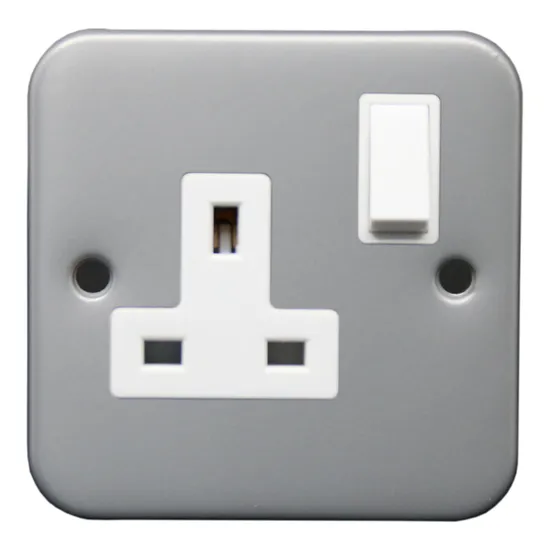
Export projects across the globe consistently rely on British Standard sockets as their preferred electrical infrastructure choice, and this preference stems from decades of proven reliability, safety, and international acceptance. Engineers and project managers worldwide recognize that british standard sockets offer unmatched performance characteristics that make them ideal for diverse applications ranging from commercial buildings to industrial facilities. The BS 1363 standard has established itself as a benchmark for electrical safety and functionality, making these sockets the go-to solution for contractors working on international developments.
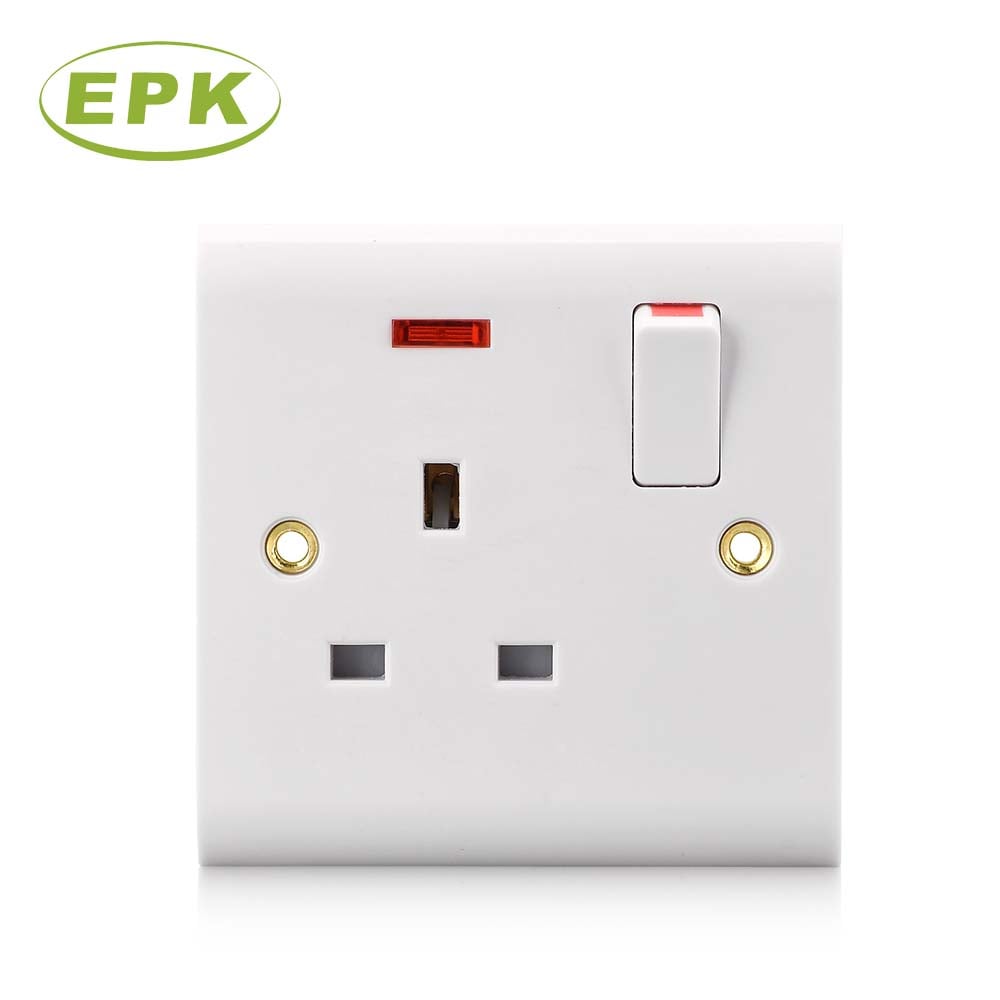
The widespread adoption of british standard sockets in export markets reflects their superior design philosophy and robust construction standards. Unlike many regional socket systems, British standards prioritize user safety through innovative features such as shuttered outlets, robust earth connections, and integrated fusing systems. This comprehensive approach to electrical safety has made british standard sockets particularly attractive to international developers who prioritize long-term reliability and compliance with stringent safety regulations.
International Recognition and Standards Compliance
Global Certification Acceptance
British standard sockets have achieved remarkable international recognition due to their rigorous testing protocols and comprehensive safety certifications. Major international bodies including IEC, CENELEC, and various national standards organizations have acknowledged the superior safety features inherent in BS 1363 designs. This widespread acceptance means that projects utilizing british standard sockets face fewer regulatory hurdles when seeking approval in multiple jurisdictions, streamlining the export process significantly.
The certification process for british standard sockets involves extensive testing for electrical performance, mechanical durability, and environmental resistance. These comprehensive evaluations ensure that each socket meets or exceeds international safety requirements, providing project developers with confidence in their electrical infrastructure choices. Export projects benefit from this thorough certification process as it reduces liability concerns and demonstrates compliance with best practice standards.
Regulatory Framework Advantages
The regulatory framework surrounding british standard sockets provides clear guidelines for installation, maintenance, and safety protocols that translate effectively across international borders. This standardized approach simplifies training requirements for electrical contractors working on export projects, as the installation procedures and safety protocols remain consistent regardless of the project location. The well-documented standards also facilitate easier inspection and approval processes with local authorities.
Export project managers appreciate how british standard sockets integrate seamlessly with international electrical codes and safety regulations. The comprehensive documentation and established testing protocols associated with BS 1363 standards provide clear evidence of compliance, which is essential when working with international regulatory bodies and insurance providers.
Technical Superiority in Design
Safety Features and Protection Systems
The technical design of british standard sockets incorporates multiple layers of safety protection that surpass many alternative socket systems used in international markets. The mandatory shuttered design prevents accidental contact with live terminals, while the robust earth pin configuration ensures reliable grounding connections. These safety features have made british standard sockets particularly valuable in applications where user safety is paramount.
The integrated fusing system within british standard sockets provides an additional layer of protection that many export projects find invaluable. Each socket incorporates individual fuse protection, which isolates faults and prevents damage to connected equipment. This distributed protection approach reduces the likelihood of widespread electrical failures and minimizes maintenance requirements over the project lifecycle.
Electrical Performance Characteristics
British standard sockets deliver exceptional electrical performance through their robust contact systems and high-quality materials. The spring-loaded contact mechanisms ensure reliable electrical connections even after thousands of insertion cycles, while the substantial contact area minimizes resistance and heat generation. These performance characteristics translate to improved reliability and reduced maintenance costs for export projects.
The current-carrying capacity of british standard sockets accommodates a wide range of electrical loads commonly encountered in international projects. With ratings up to 13 amperes at 250 volts, these sockets can handle most commercial and residential applications while maintaining excellent safety margins. This versatility makes them particularly suitable for mixed-use developments and projects with varying electrical requirements.
Economic Benefits for Export Markets
Cost-Effectiveness and Value Proposition
Export projects consistently choose british standard sockets due to their exceptional cost-effectiveness over the project lifecycle. While the initial procurement costs may be slightly higher than some alternatives, the reduced maintenance requirements and extended service life provide significant long-term savings. The robust construction and high-quality materials used in british standard sockets minimize replacement needs and reduce ongoing operational expenses.
The standardized design of british standard sockets also contributes to cost savings through simplified inventory management and reduced training requirements. Maintenance teams can work with a single socket type across multiple projects, reducing the complexity of spare parts procurement and technical support. This standardization is particularly valuable for organizations managing multiple export projects simultaneously.
Supply Chain Advantages
The global supply chain for british standard sockets is well-established and reliable, making them readily available for export projects regardless of location. Major manufacturers maintain distribution networks that can support projects in remote locations, ensuring consistent availability of products and spare parts. This supply chain reliability is crucial for export projects that cannot afford delays due to component shortages.
Quality control within the british standard sockets supply chain maintains high consistency standards that export projects depend upon. Manufacturers adhere to strict production protocols and quality assurance procedures, ensuring that every socket meets the same high standards regardless of where it is manufactured or supplied. This consistency is essential for maintaining project quality and avoiding costly rework or replacements.
Installation and Maintenance Considerations
Installation Simplicity and Standards
The installation procedures for british standard sockets are well-documented and standardized, making them accessible to electrical contractors worldwide. The consistent mounting dimensions and wiring configurations simplify the installation process and reduce the likelihood of errors. Export projects benefit from this standardization as it enables the use of local contractors who can quickly become proficient with british standard sockets installation requirements.
British standard sockets incorporate design features that facilitate efficient installation in various construction types. The standard back box dimensions and mounting systems accommodate different wall construction methods commonly used in international projects. This adaptability reduces the need for specialized installation hardware and simplifies the procurement process for project managers.
Long-Term Maintenance Benefits
The maintenance requirements for british standard sockets are minimal due to their robust construction and high-quality components. The self-contained fusing system reduces the complexity of fault diagnosis and repair, while the durable contact systems maintain reliable performance over extended periods. Export projects appreciate these low-maintenance characteristics as they reduce ongoing operational costs and minimize service disruptions.
Replacement procedures for british standard sockets are straightforward and can be performed by local maintenance personnel with minimal training. The standardized mounting systems and wiring configurations ensure that replacement sockets can be installed quickly and efficiently. This serviceability is particularly important for export projects in remote locations where specialized technical support may not be readily available.
Environmental Adaptability and Performance
Climate Resistance and Durability
British standard sockets demonstrate exceptional performance across diverse environmental conditions commonly encountered in export projects. The high-quality materials and protective treatments used in their construction provide excellent resistance to humidity, temperature variations, and corrosive atmospheres. This environmental adaptability makes british standard sockets suitable for projects in challenging climates where other socket systems might fail prematurely.
The thermal performance of british standard sockets enables reliable operation in both high and low temperature environments. The robust contact systems maintain low resistance connections even under thermal stress, while the housing materials retain their mechanical properties across wide temperature ranges. This thermal stability is particularly valuable for export projects in extreme climate regions.
Mechanical Robustness and Impact Resistance
The mechanical design of british standard sockets incorporates features that provide excellent resistance to physical damage and abuse. The substantial housing construction and reinforced mounting systems can withstand impacts and vibrations that might damage lighter socket designs. Export projects in industrial or high-traffic environments particularly benefit from this mechanical robustness.
British standard sockets maintain their electrical performance and safety characteristics even after exposure to mechanical stress. The internal components are designed to operate reliably despite housing deformation or mounting stress, ensuring continued safe operation throughout the project lifecycle. This resilience reduces maintenance requirements and improves overall system reliability.
Future-Proofing and Technology Integration
Evolving Standards and Compatibility
The british standard sockets specification continues to evolve to accommodate new technologies and changing user requirements while maintaining backward compatibility with existing installations. This evolutionary approach ensures that export projects utilizing british standard sockets can integrate new technologies without requiring complete electrical infrastructure replacement. The standards development process considers international trends and requirements, making these sockets suitable for future export market needs.
Recent developments in british standard sockets include enhanced safety features, improved materials, and integration capabilities for smart building systems. These advancements maintain compatibility with existing installations while providing enhanced functionality for modern export projects. The continuous improvement approach ensures that british standard sockets remain relevant and competitive in evolving international markets.
Smart Building Integration Capabilities
Modern british standard sockets can accommodate smart building technologies and monitoring systems without compromising their fundamental safety and performance characteristics. Integration options include remote switching, energy monitoring, and fault detection capabilities that enhance the functionality of export projects. These smart features can be implemented gradually, allowing projects to upgrade their capabilities over time.
The modular design approach of british standard sockets facilitates the integration of additional technologies such as USB charging ports, wireless communication modules, and environmental sensors. Export projects can specify these enhanced capabilities based on their specific requirements while maintaining compatibility with standard installation practices and regulatory approvals.
FAQ
What makes british standard sockets more suitable for export projects than other socket types
British standard sockets offer superior safety features including mandatory shuttering, individual fuse protection, and robust earth connections that exceed many international socket standards. Their well-established certification processes and international recognition simplify regulatory approvals for export projects, while the comprehensive supply chain ensures reliable availability worldwide.
How do british standard sockets perform in challenging environmental conditions
British standard sockets demonstrate excellent environmental adaptability through high-quality materials and protective treatments that resist humidity, temperature variations, and corrosive atmospheres. Their thermal stability and mechanical robustness enable reliable operation across diverse climate conditions commonly encountered in international projects.
What are the long-term cost benefits of using british standard sockets in export projects
While initial costs may be slightly higher, british standard sockets provide significant long-term savings through reduced maintenance requirements, extended service life, and simplified inventory management. The standardized design reduces training costs and spare parts complexity, while the robust construction minimizes replacement needs over the project lifecycle.
Can british standard sockets integrate with modern smart building technologies
Modern british standard sockets can accommodate smart building technologies including remote switching, energy monitoring, and fault detection systems while maintaining their safety and performance characteristics. The modular design approach allows for gradual technology integration and future capability upgrades without requiring complete infrastructure replacement.
Table of Contents
- International Recognition and Standards Compliance
- Technical Superiority in Design
- Economic Benefits for Export Markets
- Installation and Maintenance Considerations
- Environmental Adaptability and Performance
- Future-Proofing and Technology Integration
-
FAQ
- What makes british standard sockets more suitable for export projects than other socket types
- How do british standard sockets perform in challenging environmental conditions
- What are the long-term cost benefits of using british standard sockets in export projects
- Can british standard sockets integrate with modern smart building technologies