
 EN
EN

Navigating the complex landscape of electrical component procurement requires careful consideration of quality, compliance, and supplier reliability. For businesses seeking reliable electrical solutions, sourcing british standard switches from reputable OEM manufacturers has become increasingly critical in ensuring project success and regulatory compliance. The electrical industry demands precision, safety, and adherence to stringent standards that only experienced manufacturers can consistently deliver.
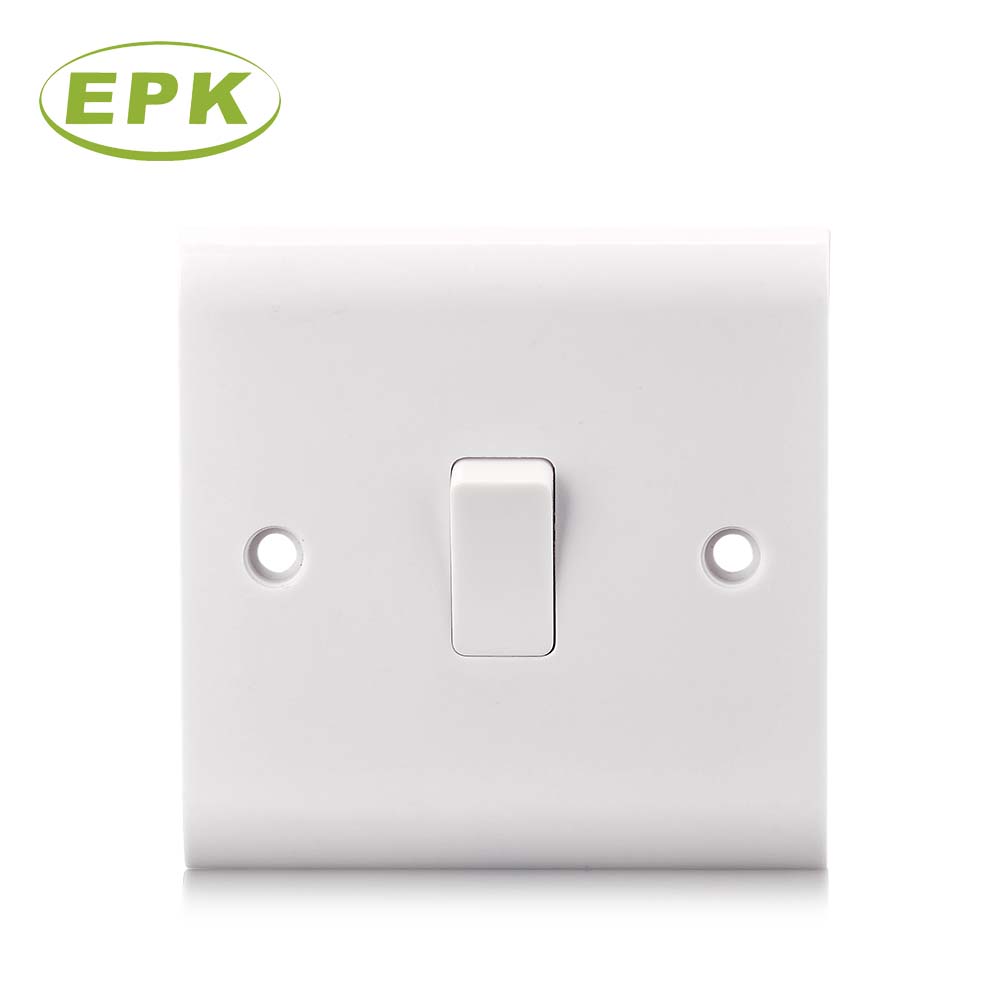
The procurement of electrical components, particularly british standard switches, involves multiple layers of technical specifications, quality assurance protocols, and supply chain considerations. Modern construction projects and electrical installations require components that meet or exceed British Standards, ensuring both safety and performance throughout their operational lifecycle. Understanding the nuances of OEM partnerships and supplier evaluation becomes crucial for procurement professionals and electrical contractors alike.
Professional buyers recognize that british standard switches represent more than simple on-off mechanisms; they embody sophisticated engineering solutions designed to handle diverse electrical loads while maintaining safety standards. The selection process involves evaluating manufacturer capabilities, production certifications, quality control systems, and long-term supply chain stability. These considerations directly impact project timelines, budget allocation, and overall installation reliability.
Understanding British Standard Compliance in Switch Manufacturing
Regulatory Framework and Certification Requirements
British Standards Institution (BSI) regulations establish comprehensive guidelines for electrical switch manufacturing, covering everything from material specifications to performance testing protocols. Manufacturers producing british standard switches must demonstrate compliance through rigorous testing procedures that evaluate electrical safety, mechanical durability, and environmental resistance. These standards ensure that switches perform reliably across diverse installation environments while maintaining consistent safety margins.
The certification process requires manufacturers to implement quality management systems that track production parameters, material sourcing, and finished product testing. OEM manufacturers specializing in british standard switches invest significantly in testing equipment and certification maintenance to ensure ongoing compliance. This investment translates into higher product reliability and reduced liability risks for end users and contractors.
Compliance verification involves multiple testing phases, including electrical performance testing, mechanical endurance testing, and environmental stress testing. Manufacturers must document these processes thoroughly, providing traceability for every component used in british standard switches production. This documentation becomes essential for project specifications and regulatory inspections.
Material Standards and Manufacturing Specifications
The material composition of british standard switches directly influences their performance characteristics, durability, and safety ratings. OEM manufacturers must source materials that meet specific British Standards requirements, including flame resistance ratings, electrical insulation properties, and mechanical strength specifications. These material requirements ensure that switches maintain their protective functions even under adverse conditions.
Manufacturing specifications for british standard switches encompass precise dimensional tolerances, electrical contact specifications, and assembly procedures. OEM manufacturers implement statistical process control systems to maintain consistency across production runs while meeting the exacting standards required for British compliance. This level of control ensures that every switch meets performance expectations throughout its operational life.
Quality control measures extend beyond basic functionality testing to include comprehensive validation of material properties, assembly integrity, and finish quality. Manufacturers producing british standard switches typically maintain extensive quality documentation that supports product certification and provides assurance to procurement professionals regarding product reliability and performance consistency.
Evaluating OEM Manufacturer Capabilities
Production Capacity and Scalability
Assessing OEM manufacturer production capabilities requires understanding their capacity to meet demand fluctuations while maintaining quality standards for british standard switches. Established manufacturers typically operate multiple production lines with flexible configurations that can accommodate varying order volumes and product specifications. This flexibility becomes crucial for large-scale projects requiring consistent delivery schedules and quality assurance.
Manufacturing scalability involves evaluating equipment capabilities, workforce expertise, and supply chain integration. OEM manufacturers specializing in british standard switches often maintain strategic inventory levels and established supplier relationships that enable rapid production scaling without compromising quality. This operational flexibility provides procurement professionals with confidence in meeting project deadlines and specifications.
Production efficiency metrics provide insights into manufacturer reliability and cost-effectiveness. Leading OEM manufacturers implement lean manufacturing principles and continuous improvement programs that optimize production processes while maintaining stringent quality standards for british standard switches. These improvements typically translate into competitive pricing and improved delivery performance for customers.
Quality Assurance Systems and Certifications
Comprehensive quality assurance systems form the foundation of reliable OEM manufacturing operations, particularly for critical components like british standard switches. Manufacturers must demonstrate implementation of ISO 9001 quality management systems alongside industry-specific certifications that validate their technical capabilities and process control effectiveness. These systems provide systematic approaches to quality control and continuous improvement.
Quality assurance protocols for british standard switches typically include incoming material inspection, in-process quality monitoring, and final product testing procedures. OEM manufacturers invest in advanced testing equipment and calibration programs that ensure accurate quality assessments throughout production. This investment in quality infrastructure supports consistent product performance and reduces warranty claims.
Third-party certifications provide additional validation of manufacturer capabilities and product quality. Reputable OEM manufacturers maintain certifications from recognized testing laboratories and regulatory bodies that independently verify their british standard switches meet or exceed specified performance requirements. These certifications provide procurement professionals with objective assurance of product quality and regulatory compliance.
Supply Chain Management and Procurement Strategies
Supplier Relationship Development
Developing strategic relationships with OEM manufacturers requires understanding their organizational structure, communication protocols, and service capabilities. Successful partnerships for british standard switches procurement involve establishing clear communication channels, defining quality expectations, and implementing collaborative planning processes. These relationships extend beyond transactional interactions to include technical support and product development collaboration.
Long-term supplier relationships enable better pricing structures, priority allocation during supply constraints, and access to technical expertise for british standard switches applications. OEM manufacturers typically provide enhanced support services to established customers, including custom product development, expedited delivery options, and comprehensive technical documentation. These benefits significantly improve procurement efficiency and project success rates.
Relationship management involves regular performance reviews, feedback mechanisms, and continuous improvement discussions. Leading OEM manufacturers welcome these interactions and use customer feedback to enhance their british standard switches offerings and service delivery. This collaborative approach results in better product alignment with market requirements and improved customer satisfaction.
Risk Management and Supply Chain Resilience
Supply chain risk management requires comprehensive evaluation of potential disruptions that could impact british standard switches availability and pricing. OEM manufacturers with robust risk management programs implement multiple sourcing strategies, maintain safety stock levels, and develop contingency plans for various disruption scenarios. These measures provide procurement professionals with greater supply security and predictable costs.
Geographic diversification of manufacturing facilities and supplier networks enhances supply chain resilience for british standard switches procurement. Leading OEM manufacturers operate multiple production sites and maintain relationships with diverse material suppliers to minimize single-point-of-failure risks. This diversification strategy provides continued product availability even during localized disruptions.
Inventory management strategies balance carrying costs with availability requirements for british standard switches. Sophisticated OEM manufacturers implement demand planning systems that optimize inventory levels based on historical patterns, market forecasts, and customer requirements. These systems enable responsive delivery while minimizing total cost of ownership for customers.
Technical Specifications and Performance Requirements
Electrical Performance Characteristics
Understanding electrical performance specifications for british standard switches enables informed procurement decisions that align with application requirements. Key performance parameters include current ratings, voltage specifications, switching capacity, and electrical life expectancy. These specifications directly impact switch selection for specific applications and installation environments.
Current carrying capacity represents a fundamental specification for british standard switches, determining their suitability for different load types and installation requirements. OEM manufacturers provide detailed ratings that specify continuous current capacity, maximum switching current, and derating factors for various operating conditions. This information enables proper application engineering and ensures reliable operation throughout the switch lifecycle.
Voltage ratings and insulation specifications define the electrical safety margins built into british standard switches. These ratings encompass working voltage, impulse voltage withstand, and insulation resistance characteristics that ensure safe operation under normal and fault conditions. Understanding these specifications enables proper application selection and compliance with electrical installation regulations.
Mechanical Durability and Environmental Protection
Mechanical performance specifications for british standard switches include operational force requirements, mechanical life expectancy, and structural integrity under various loading conditions. These parameters determine switch suitability for different user populations and installation environments. OEM manufacturers provide comprehensive mechanical testing data that supports application engineering decisions.
Environmental protection ratings define the level of protection that british standard switches provide against dust, moisture, and other environmental factors. IP ratings and similar classification systems help procurement professionals select appropriate products for specific installation environments. Understanding these ratings prevents premature failures and ensures long-term reliability.
Temperature performance characteristics affect both electrical and mechanical properties of british standard switches. Operating temperature ranges, storage temperature limits, and thermal cycling capabilities influence product selection for various climate conditions and application environments. These specifications become particularly important for outdoor installations and industrial applications.
Cost Analysis and Value Engineering
Total Cost of Ownership Considerations
Comprehensive cost analysis for british standard switches extends beyond initial purchase price to include installation costs, maintenance requirements, and lifecycle performance. Value engineering approaches consider these total cost factors when evaluating different OEM manufacturer offerings and product specifications. This analysis often reveals that higher-quality products provide superior long-term value despite higher initial costs.
Installation cost factors include product compatibility with existing systems, installation complexity, and required accessories or mounting hardware. OEM manufacturers design british standard switches with installation efficiency in mind, providing features that reduce labor costs and installation time. These design considerations significantly impact total project costs and scheduling.
Maintenance and replacement costs vary significantly among different british standard switches offerings based on product quality, durability, and manufacturer support. Premium OEM manufacturers typically provide extended warranty coverage and comprehensive technical support that reduces long-term maintenance costs. These factors should be weighted appropriately in procurement decisions.
Price Structure Analysis and Negotiation Strategies
Understanding OEM manufacturer pricing structures enables effective negotiation strategies for british standard switches procurement. Pricing typically reflects material costs, manufacturing complexity, certification requirements, and market positioning. Volume discounts, long-term contracts, and early payment terms provide opportunities for cost optimization.
Market dynamics influence pricing for british standard switches, including raw material costs, regulatory changes, and competitive pressures. Experienced procurement professionals monitor these factors and time their purchases to optimize costs while ensuring adequate supply security. Working with multiple qualified OEM manufacturers provides negotiating leverage and supply redundancy.
Value-added services often justify premium pricing for british standard switches from leading OEM manufacturers. These services include technical support, custom product development, expedited delivery, and comprehensive documentation. Evaluating the value of these services in the context of specific project requirements helps optimize procurement decisions.
FAQ
What certifications should I look for when sourcing british standard switches from OEM manufacturers
When sourcing british standard switches, look for manufacturers with BS EN 60669 certification, which covers switches for household and similar fixed electrical installations. Additionally, seek suppliers with ISO 9001 quality management certification and CE marking compliance. These certifications ensure the switches meet safety standards, quality requirements, and European regulatory compliance for electrical installations.
How do I evaluate the production capacity of OEM manufacturers for large-scale projects
Evaluate OEM manufacturer production capacity by requesting detailed information about their manufacturing facilities, daily production rates, and lead times for british standard switches. Ask for references from similar large-scale projects and assess their ability to maintain quality standards during high-volume production. Consider manufacturers with multiple production lines and established supply chain relationships that can scale production to meet your project requirements.
What are the key differences between standard and premium british standard switches
Premium british standard switches typically offer enhanced durability, superior electrical performance, and extended warranty coverage compared to standard versions. Premium products often feature higher-grade contact materials, improved mechanical mechanisms, and better environmental protection ratings. While initial costs are higher, premium switches generally provide better long-term value through reduced maintenance requirements and longer operational life.
How can I ensure consistent quality when ordering british standard switches from overseas OEM manufacturers
Ensure consistent quality by implementing comprehensive supplier qualification processes, including facility audits and quality system assessments. Request product samples for testing and verification against British Standards requirements. Establish clear quality agreements with performance metrics and implement incoming inspection procedures for british standard switches deliveries. Consider working with manufacturers who have local technical support and quality assurance representatives.
Table of Contents
- Understanding British Standard Compliance in Switch Manufacturing
- Evaluating OEM Manufacturer Capabilities
- Supply Chain Management and Procurement Strategies
- Technical Specifications and Performance Requirements
- Cost Analysis and Value Engineering
-
FAQ
- What certifications should I look for when sourcing british standard switches from OEM manufacturers
- How do I evaluate the production capacity of OEM manufacturers for large-scale projects
- What are the key differences between standard and premium british standard switches
- How can I ensure consistent quality when ordering british standard switches from overseas OEM manufacturers