
 EN
EN

The electrical industry faces ongoing challenges when navigating the technical specifications between different regional standards, particularly when comparing British Standard switches with their European Union counterparts. Understanding these distinctions becomes crucial for electrical engineers, contractors, and facility managers working across international markets or managing installations that require compliance with specific regulatory frameworks. The fundamental differences between these two switch standards extend beyond simple dimensional variations, encompassing voltage ratings, safety protocols, installation requirements, and compatibility considerations that directly impact project specifications and operational reliability.
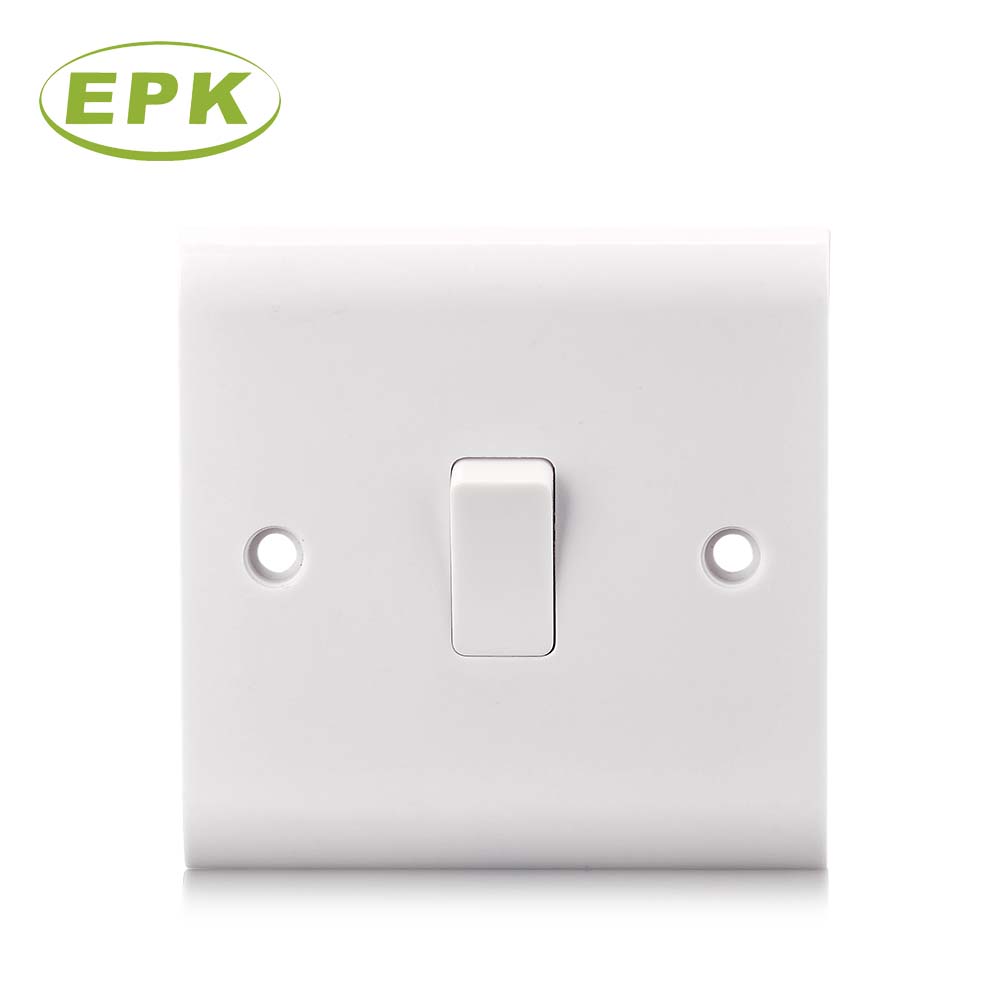
Regulatory Framework and Compliance Standards
British Standard Specifications
British standard switches operate under the comprehensive BS EN 60669 standard, which defines the technical requirements for switches used in fixed electrical installations. This standard establishes specific parameters for voltage ratings, current capacity, mechanical endurance, and environmental performance that manufacturers must meet. The British approach emphasizes robust construction methods and stringent testing protocols that ensure long-term reliability in diverse operating conditions. These switches typically feature enhanced insulation properties and are designed to withstand the variable environmental conditions commonly encountered in British installations.
The regulatory framework governing british standard switches incorporates additional safety measures that exceed basic European requirements. These enhanced specifications address factors such as moisture resistance, temperature cycling, and mechanical stress testing that reflect the specific challenges of the British electrical infrastructure. The standards also mandate specific marking requirements and documentation protocols that facilitate proper installation and maintenance procedures.
European Union Standardization
European Union switches operate under the harmonized EN 60669 standard, which provides a unified technical framework across member states. This standardization approach facilitates cross-border trade and ensures consistent performance characteristics regardless of the manufacturing location within the EU. The European standard emphasizes modular design principles and interoperability features that support standardized installation practices across different countries and electrical systems.
The EU regulatory approach incorporates comprehensive environmental directives such as RoHS compliance and WEEE requirements that influence material selection and manufacturing processes. These regulations ensure that switches meet environmental sustainability goals while maintaining the technical performance standards required for commercial and residential applications. The harmonized standard also includes specific provisions for energy efficiency and electromagnetic compatibility that align with broader European policy objectives.
Technical Specifications and Performance Characteristics
Voltage and Current Ratings
The voltage rating specifications represent one of the most significant technical differences between british standard switches and EU alternatives. British standard switches are typically rated for 250V AC operation, reflecting the standard voltage levels used in UK electrical installations. These switches incorporate enhanced insulation systems and contact arrangements that ensure reliable operation at these voltage levels while providing adequate safety margins for varying supply conditions.
Current carrying capacity represents another critical specification area where differences emerge between regional standards. British standard switches often feature higher current ratings for equivalent physical sizes, utilizing advanced contact materials and thermal management techniques. The enhanced current capacity reflects the design philosophy that prioritizes long-term reliability and operational flexibility over cost optimization. These switches incorporate sophisticated arc suppression mechanisms that extend contact life and maintain consistent performance throughout their operational lifetime.
Mechanical Construction and Durability
The mechanical construction of british standard switches emphasizes robust materials and precision manufacturing techniques that ensure consistent operation under demanding conditions. These switches typically feature reinforced housing materials, enhanced contact spring systems, and improved mounting mechanisms that provide superior mechanical stability. The design approach prioritizes long-term reliability over initial cost considerations, resulting in switches that maintain their performance characteristics throughout extended service periods.
Durability testing protocols for British standard switches often exceed the minimum requirements specified in international standards. These enhanced testing procedures include accelerated aging tests, extended mechanical cycling, and environmental stress testing that validates performance under extreme conditions. The comprehensive testing approach ensures that switches maintain their specified performance characteristics throughout their expected service life while providing adequate safety margins for unexpected operating conditions.
Installation and Compatibility Considerations
Dimensional Specifications and Mounting Systems
The dimensional specifications of british standard switches reflect the unique requirements of British electrical installation practices and wiring systems. Standard gang box dimensions, mounting hole patterns, and depth requirements differ significantly from European equivalents, necessitating careful specification when selecting switches for international projects. These dimensional differences extend beyond simple measurements to include considerations such as cable entry arrangements, terminal positioning, and access requirements for maintenance procedures.
Mounting system compatibility represents a critical factor when specifying switches for retrofitting or renovation projects. British standard switches utilize specific mounting arrangements and fixing methods that may not be directly compatible with European installation systems. The mounting mechanisms incorporate features such as adjustable mounting lugs, specialized screw patterns, and depth compensation systems that accommodate the varying installation conditions encountered in British construction practices.
Wiring Configuration and Terminal Arrangements
Terminal arrangements in british standard switches reflect the specific wiring practices and cable types commonly used in British electrical installations. These switches feature terminal configurations optimized for solid copper conductors and specific cable insulation types that may differ from European standards. The terminal design incorporates enhanced clamping mechanisms and improved conductor retention features that ensure reliable long-term connections under varying environmental conditions.
The wiring configuration options available in British standard switches often provide greater flexibility for complex switching arrangements and control systems. Advanced terminal arrangements support multiple switching modes, including two-way, intermediate, and dimming configurations that accommodate sophisticated lighting control requirements. These enhanced wiring options reflect the design philosophy that prioritizes installation flexibility and future modification capabilities over standardization simplicity.
Performance Testing and Quality Assurance
Environmental Testing Protocols
Environmental testing protocols for british standard switches incorporate comprehensive evaluation procedures that validate performance under diverse operating conditions. These testing protocols include temperature cycling, humidity exposure, salt spray resistance, and vibration testing that ensures reliable operation in challenging environments. The enhanced testing requirements reflect the variable climate conditions and installation environments commonly encountered in British applications.
The testing methodology employed for British standard switches emphasizes long-term reliability validation through accelerated aging procedures and extended operational testing. These comprehensive evaluation protocols provide confidence in switch performance throughout their expected service life while identifying potential failure modes before they occur in field applications. The testing approach incorporates statistical analysis methods that ensure consistent quality across production batches and manufacturing facilities.
Quality Control and Manufacturing Standards
Manufacturing standards for british standard switches incorporate rigorous quality control procedures that ensure consistent performance and reliability. These standards specify material selection criteria, manufacturing process controls, and inspection procedures that validate compliance with technical specifications. The quality assurance approach emphasizes prevention of defects through process control rather than detection through post-production inspection.
The quality control framework includes comprehensive documentation requirements and traceability systems that facilitate rapid identification and resolution of quality issues. Advanced statistical process control methods ensure that manufacturing variations remain within acceptable limits while providing early warning of potential quality problems. The comprehensive approach to quality management reflects the commitment to delivering products that meet the demanding requirements of professional electrical installations.
Application-Specific Considerations
Commercial and Industrial Applications
Commercial applications of british standard switches require enhanced performance characteristics that address the demanding operational requirements of business environments. These applications typically involve higher switching frequencies, extended operating hours, and exposure to environmental conditions that exceed residential standards. The switch specifications must accommodate these challenging requirements while maintaining reliable performance throughout extended service periods.
Industrial applications present additional challenges that require specialized switch configurations and enhanced performance characteristics. British standard switches designed for industrial use incorporate advanced contact materials, improved arc suppression systems, and enhanced environmental protection that ensure reliable operation in demanding industrial environments. The switches must withstand exposure to dust, moisture, chemical vapors, and mechanical vibration while maintaining their specified performance characteristics.
Residential Installation Requirements
Residential applications of british standard switches emphasize ease of installation, aesthetic appeal, and long-term reliability in domestic environments. These switches must accommodate the installation practices and wiring methods commonly used in residential construction while providing the performance characteristics required for daily use. The design approach balances cost considerations with the reliability requirements of residential electrical systems.
The residential market requires switches that integrate seamlessly with standard installation practices and provide consistent performance throughout their service life. British standard switches designed for residential use incorporate user-friendly features such as clear switching action, appropriate operating forces, and aesthetic designs that complement modern interior designs. The switches must also accommodate the installation constraints typically encountered in residential construction projects.
Future Development and Technology Integration
Smart Switch Technologies
The integration of smart technologies into british standard switches represents a significant development opportunity that addresses the growing demand for intelligent building systems. These advanced switches incorporate communication capabilities, remote control features, and integration with building management systems that enhance operational efficiency and user convenience. The technology integration must maintain compatibility with existing installation practices while providing enhanced functionality.
Smart switch implementations require careful consideration of power consumption, communication protocols, and user interface design that ensures reliable operation and user acceptance. The development of these advanced switches must address the specific requirements of British electrical installations while providing compatibility with international building automation standards. The technology integration represents an opportunity to enhance the functionality of traditional switching systems while maintaining the reliability characteristics expected from British standard switches.
Sustainability and Environmental Impact
Sustainability considerations increasingly influence the development and specification of british standard switches, driving innovations in material selection, manufacturing processes, and end-of-life management. The industry focus on environmental responsibility requires switches that minimize resource consumption while maintaining the performance characteristics required for reliable operation. These considerations include material recyclability, energy efficiency, and reduced environmental impact throughout the product lifecycle.
The development of environmentally responsible switch technologies must balance sustainability goals with the technical performance requirements of professional electrical installations. British standard switches incorporate advanced materials and manufacturing techniques that reduce environmental impact while maintaining the reliability and safety characteristics required for demanding applications. The sustainability approach includes considerations of packaging, transportation, and installation efficiency that contribute to overall environmental performance.
FAQ
What are the main technical differences between British standard switches and EU switches
The primary technical differences include voltage ratings, dimensional specifications, terminal arrangements, and regulatory compliance requirements. British standard switches typically operate at 250V AC with specific dimensional requirements that differ from European standards. Additionally, the testing protocols and quality assurance requirements for British standard switches often exceed the minimum European standards, resulting in enhanced reliability and performance characteristics. The regulatory frameworks also differ in terms of marking requirements, documentation standards, and environmental compliance specifications.
Are British standard switches compatible with European electrical installations
Direct compatibility between British standard switches and European installations is limited due to dimensional differences, wiring configurations, and voltage rating variations. While both systems may share similar basic electrical principles, the physical mounting requirements, terminal arrangements, and installation practices differ significantly. Successful integration typically requires careful evaluation of technical specifications and may necessitate additional components or modifications to ensure proper fit and compliance with local electrical codes.
How do performance testing requirements differ between British and EU switch standards
British standard switches undergo enhanced testing protocols that often exceed the minimum requirements specified in European standards. These comprehensive testing procedures include extended mechanical cycling, accelerated aging tests, and environmental stress testing that validates performance under extreme conditions. The British approach emphasizes long-term reliability validation through statistical analysis methods and comprehensive quality control procedures that ensure consistent performance across production batches.
What factors should be considered when selecting between British standard and EU switches
Selection factors include regulatory compliance requirements, installation compatibility, performance specifications, and long-term maintenance considerations. The choice should consider the specific electrical system requirements, environmental conditions, operational demands, and future modification needs. Additionally, factors such as availability of replacement parts, technical support, and integration with existing systems should influence the selection decision. Cost considerations must be balanced against performance requirements and long-term reliability expectations to ensure optimal system performance.
Table of Contents
- Regulatory Framework and Compliance Standards
- Technical Specifications and Performance Characteristics
- Installation and Compatibility Considerations
- Performance Testing and Quality Assurance
- Application-Specific Considerations
- Future Development and Technology Integration
-
FAQ
- What are the main technical differences between British standard switches and EU switches
- Are British standard switches compatible with European electrical installations
- How do performance testing requirements differ between British and EU switch standards
- What factors should be considered when selecting between British standard and EU switches