
 EN
EN
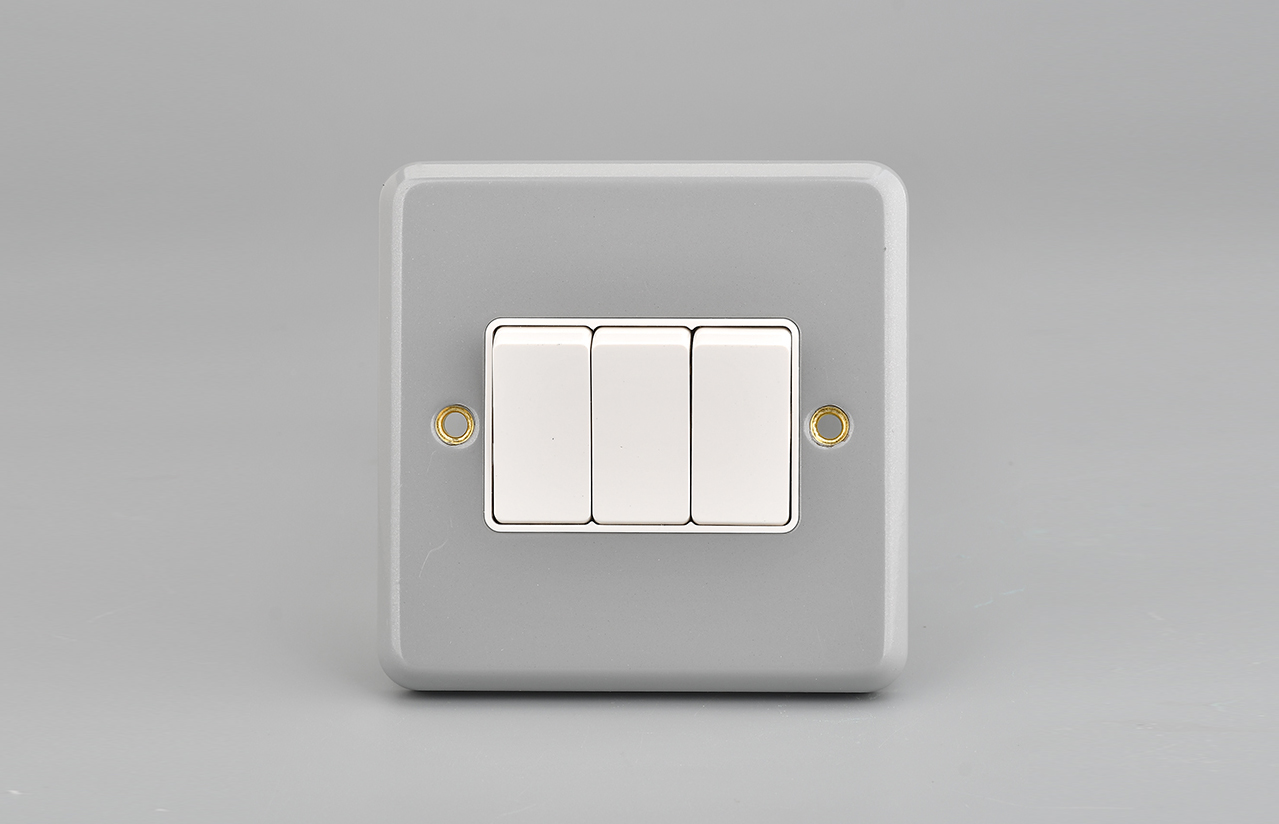
Importing british standard switches requires careful evaluation of multiple technical, regulatory, and commercial factors that directly impact market acceptance and compliance requirements. The UK electrical market maintains strict adherence to BS EN IEC 60669 standards, making it essential for importers to understand the specific considerations that govern successful procurement and distribution of british standard switches. International suppliers must navigate complex certification processes, quality assurance protocols, and market positioning strategies to establish sustainable import operations in this regulated sector.
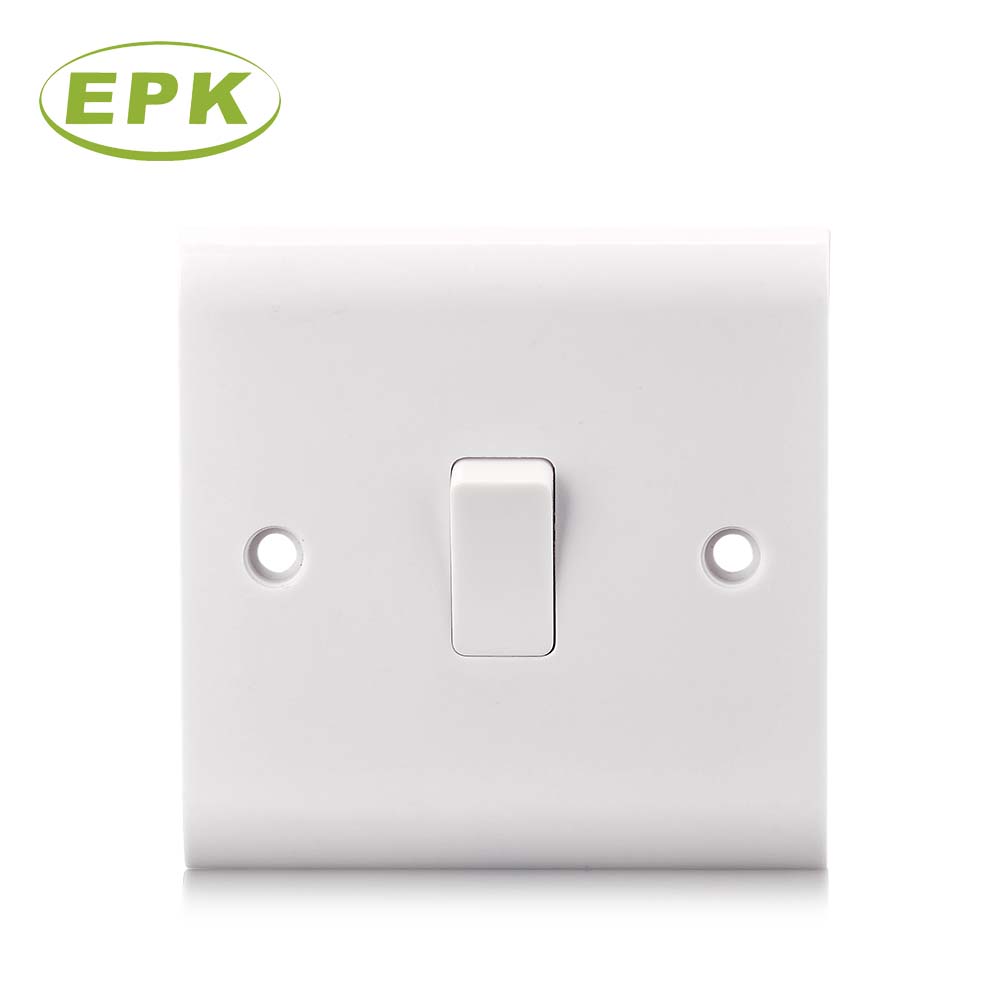
The decision to import british standard switches involves analyzing manufacturer credentials, testing laboratory certifications, shipping logistics, and end-user market demands that determine commercial viability. Successful importers recognize that british standard switches represent more than simple electrical components, serving as critical infrastructure elements that must meet rigorous safety standards while delivering consistent performance across residential, commercial, and industrial applications. Understanding these buying considerations enables importers to make informed sourcing decisions that align with UK market requirements and regulatory expectations.
Regulatory Compliance and Certification Requirements
BS EN IEC 60669 Standard Compliance
British standard switches must demonstrate full compliance with BS EN IEC 60669 specifications, which establish comprehensive safety and performance requirements for switches used in household and similar installations. This standard covers mechanical durability, electrical performance, thermal stability, and environmental resistance parameters that directly impact product suitability for UK market distribution. Importers must verify that their selected british standard switches have undergone appropriate testing procedures and hold valid certification documentation from recognized testing laboratories.
The certification process for british standard switches involves extensive laboratory testing that evaluates contact resistance, insulation properties, switching capacity, and mechanical endurance under specified load conditions. Testing laboratories assess temperature rise characteristics, short-circuit performance, and environmental stress factors to ensure switches maintain reliable operation throughout their intended service life. Importers should request detailed test reports and certification documents that demonstrate compliance with all applicable sections of the BS EN IEC 60669 standard before finalizing procurement agreements.
CE Marking and UKCA Marking Requirements
Post-Brexit regulatory changes have introduced UKCA marking requirements for british standard switches sold in the UK market, complementing or replacing CE marking depending on distribution channels and timeline considerations. Importers must understand the transition periods and marking requirements that apply to their specific product categories and target market segments. The UKCA marking demonstrates that british standard switches conform to UK regulations and have undergone appropriate conformity assessment procedures.
Documentation requirements for UKCA marking include technical files, risk assessments, conformity declarations, and authorized representative arrangements where applicable. Importers should work with manufacturers to ensure proper marking procedures are followed and that all supporting documentation is available for regulatory review. The transition from CE to UKCA marking affects import procedures and market acceptance, making it crucial for importers to plan certification strategies that accommodate both current requirements and future regulatory developments.
Technical Specifications and Performance Criteria
Electrical Performance Parameters
The electrical performance of british standard switches encompasses voltage ratings, current capacity, switching frequency, and contact life specifications that determine application suitability and long-term reliability. Standard voltage ratings for residential applications typically operate at 250V AC, while commercial and industrial installations may require switches rated for higher voltage levels. Current capacity ratings must align with circuit protection requirements and expected load characteristics to ensure safe operation without thermal stress or contact degradation.
Contact materials and design configurations significantly influence the electrical performance of british standard switches, with silver-based alloys providing superior conductivity and arc resistance compared to alternative materials. Arc extinction mechanisms, contact spacing, and switching mechanisms affect the ability of switches to interrupt electrical circuits safely under normal and fault conditions. Importers should evaluate these technical parameters against intended application requirements to select british standard switches that deliver appropriate performance characteristics for their target markets.
Mechanical Construction and Durability
Mechanical durability testing evaluates the ability of british standard switches to withstand repeated operation cycles without degradation of electrical or mechanical performance. Standard testing procedures specify minimum operation cycles ranging from 10,000 to 40,000 operations depending on switch type and intended application category. The mechanical construction includes actuator mechanisms, spring systems, contact assemblies, and housing materials that contribute to overall durability and user experience.
Housing materials for british standard switches typically utilize thermoplastic compounds that provide adequate mechanical strength, flame resistance, and dimensional stability under varying environmental conditions. Impact resistance, UV stability, and chemical resistance properties affect the suitability of switches for different installation environments and exposure conditions. Importers should assess mechanical construction details and material specifications to ensure selected products meet durability expectations and environmental requirements for their intended applications.
Supplier Evaluation and Quality Assurance
Manufacturing Capability Assessment
Evaluating manufacturing capabilities involves analyzing production capacity, quality management systems, testing facilities, and supply chain reliability factors that impact consistent delivery of compliant british standard switches. Manufacturers with ISO 9001 certification and established quality management procedures demonstrate systematic approaches to quality control and continuous improvement processes. Production facility audits and capability assessments help importers understand manufacturing processes and identify potential quality risks.
Testing laboratory facilities and quality control procedures at manufacturing sites directly influence the consistency and reliability of british standard switches production. In-house testing capabilities for electrical performance, mechanical durability, and environmental resistance enable manufacturers to maintain quality standards throughout production runs. Importers should evaluate testing protocols, measurement equipment calibration procedures, and quality documentation systems to assess manufacturing capability and quality assurance effectiveness.
Supply Chain Reliability and Lead Times
Supply chain reliability encompasses raw material sourcing, component availability, production scheduling, and logistics coordination factors that affect consistent delivery of british standard switches to import markets. Manufacturers with diversified supplier networks and strategic inventory management systems demonstrate greater resilience against supply disruptions and material shortages. Lead time consistency and order fulfillment reliability directly impact importer ability to meet market demand and maintain customer satisfaction.
Logistics coordination for british standard switches imports involves packaging requirements, shipping methods, customs clearance procedures, and delivery scheduling that affect total procurement costs and market responsiveness. Container loading optimization, protective packaging systems, and documentation accuracy contribute to successful import operations and minimize product damage during transit. Importers should establish clear communication protocols with suppliers regarding order status, shipping notifications, and delivery confirmation procedures to maintain supply chain visibility.
Market Analysis and Commercial Considerations
Target Market Segmentation
Market segmentation for british standard switches includes residential retrofit applications, new construction projects, commercial installations, and industrial facility upgrades that exhibit different performance requirements and purchasing criteria. Residential markets emphasize aesthetic design, ease of installation, and cost-effectiveness, while commercial applications prioritize durability, performance consistency, and regulatory compliance. Understanding target market preferences enables importers to select appropriate product specifications and develop effective marketing strategies.
End-user preferences for british standard switches vary significantly across market segments, with design aesthetics, functional features, and installation compatibility influencing purchase decisions. Residential customers often prioritize visual appeal and seamless integration with interior design schemes, while commercial buyers focus on operational reliability and maintenance requirements. Industrial applications require switches that withstand harsh environmental conditions and provide consistent performance under demanding operational conditions.
Competitive Pricing and Market Positioning
Pricing strategies for imported british standard switches must account for manufacturing costs, transportation expenses, import duties, certification fees, and distribution margins while remaining competitive with established market alternatives. Value proposition development involves balancing product quality, performance features, and pricing to create attractive offerings for target customer segments. Market positioning requires understanding competitor strengths, customer preferences, and regulatory requirements that influence purchase decisions.
Cost analysis for british standard switches imports includes direct product costs, shipping and logistics expenses, customs duties and taxes, certification and testing fees, and working capital requirements for inventory management. Total landed cost calculations enable importers to establish realistic pricing strategies and evaluate profit margins under different market scenarios. Currency exchange fluctuations and international trade policies affect import costs and require risk management strategies to maintain pricing stability.
Import Logistics and Distribution Strategy
Shipping and Customs Procedures
Shipping procedures for british standard switches involve selecting appropriate transportation methods, container types, and routing options that balance cost efficiency with delivery timeline requirements. Ocean freight provides cost-effective solutions for large volume shipments, while air freight enables faster delivery for urgent orders or smaller quantities. Packaging requirements must protect products from damage during transit while optimizing space utilization and minimizing shipping costs.
Customs clearance procedures require accurate product classification, proper documentation, and compliance with import regulations that govern british standard switches entry into UK markets. Tariff classifications, duty rates, and regulatory approvals affect import costs and processing timelines. Importers should work with experienced customs brokers and freight forwarders who understand electrical product regulations and can facilitate smooth customs clearance processes.
Inventory Management and Distribution Planning
Inventory management strategies for british standard switches must balance stock availability with carrying costs and obsolescence risks while maintaining adequate supply levels to meet market demand fluctuations. Demand forecasting, seasonal variations, and market growth trends influence inventory planning decisions and warehouse capacity requirements. Effective inventory management systems enable importers to optimize stock levels and minimize working capital requirements.
Distribution planning involves establishing warehouse facilities, logistics partnerships, and delivery networks that provide efficient market coverage for british standard switches sales. Regional distribution centers, third-party logistics providers, and direct-to-customer shipping options each offer different advantages depending on market characteristics and customer requirements. Distribution strategy decisions affect delivery times, shipping costs, and customer service capabilities that influence market competitiveness.
FAQ
What certification documentation should importers require for british standard switches?
Importers should require BS EN IEC 60669 compliance certificates, test reports from accredited laboratories, UKCA marking declarations, technical specification sheets, and quality management system certificates. Additional documentation may include material safety data sheets, installation instructions, and warranty information that demonstrate product suitability for UK market distribution.
How do importers verify the quality and reliability of british standard switches suppliers?
Quality verification involves conducting facility audits, reviewing quality management certifications, evaluating testing capabilities, checking customer references, and requesting product samples for independent testing. Importers should assess manufacturing processes, quality control procedures, and supply chain management systems to ensure consistent product quality and delivery reliability.
What are the typical lead times and minimum order quantities for importing british standard switches?
Lead times for british standard switches typically range from 4-12 weeks depending on product complexity, customization requirements, and manufacturer capacity. Minimum order quantities vary significantly based on product type and supplier policies, often ranging from 1000 to 10000 pieces per order. Importers should negotiate terms that balance inventory investment with supply chain efficiency.
How do Brexit regulations affect the import of british standard switches into the UK market?
Brexit has introduced UKCA marking requirements for british standard switches sold in the UK market, replacing CE marking for certain categories and timeframes. Importers must ensure compliance with UK regulations, maintain authorized representative arrangements where required, and adapt to changing customs procedures and documentation requirements that affect import operations and market access.
Table of Contents
- Regulatory Compliance and Certification Requirements
- Technical Specifications and Performance Criteria
- Supplier Evaluation and Quality Assurance
- Market Analysis and Commercial Considerations
- Import Logistics and Distribution Strategy
-
FAQ
- What certification documentation should importers require for british standard switches?
- How do importers verify the quality and reliability of british standard switches suppliers?
- What are the typical lead times and minimum order quantities for importing british standard switches?
- How do Brexit regulations affect the import of british standard switches into the UK market?