
 EN
EN
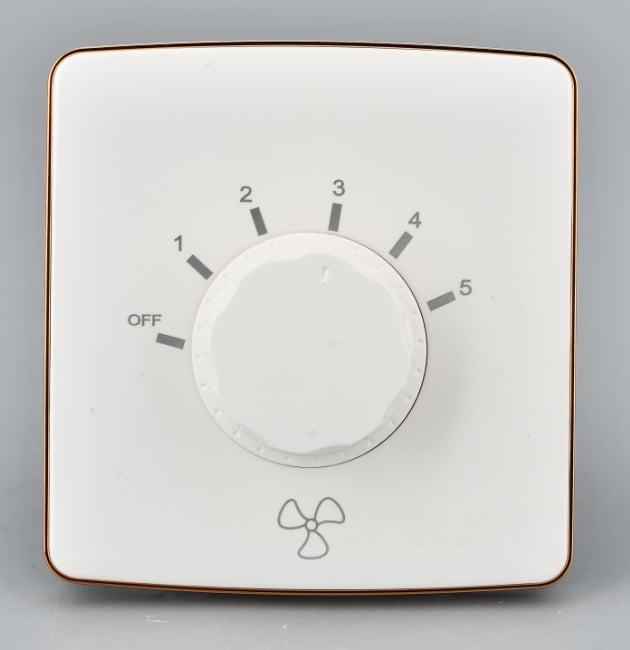
British standard switches represent a cornerstone of electrical safety in residential, commercial, and industrial applications across the UK and many international markets. These specialized electrical components are engineered to comply with stringent safety regulations established by the British Standards Institution, ensuring reliable performance while protecting users from electrical hazards. Understanding how these switches achieve their safety credentials provides essential insight for electrical professionals, contractors, and facility managers responsible for maintaining safe electrical installations.
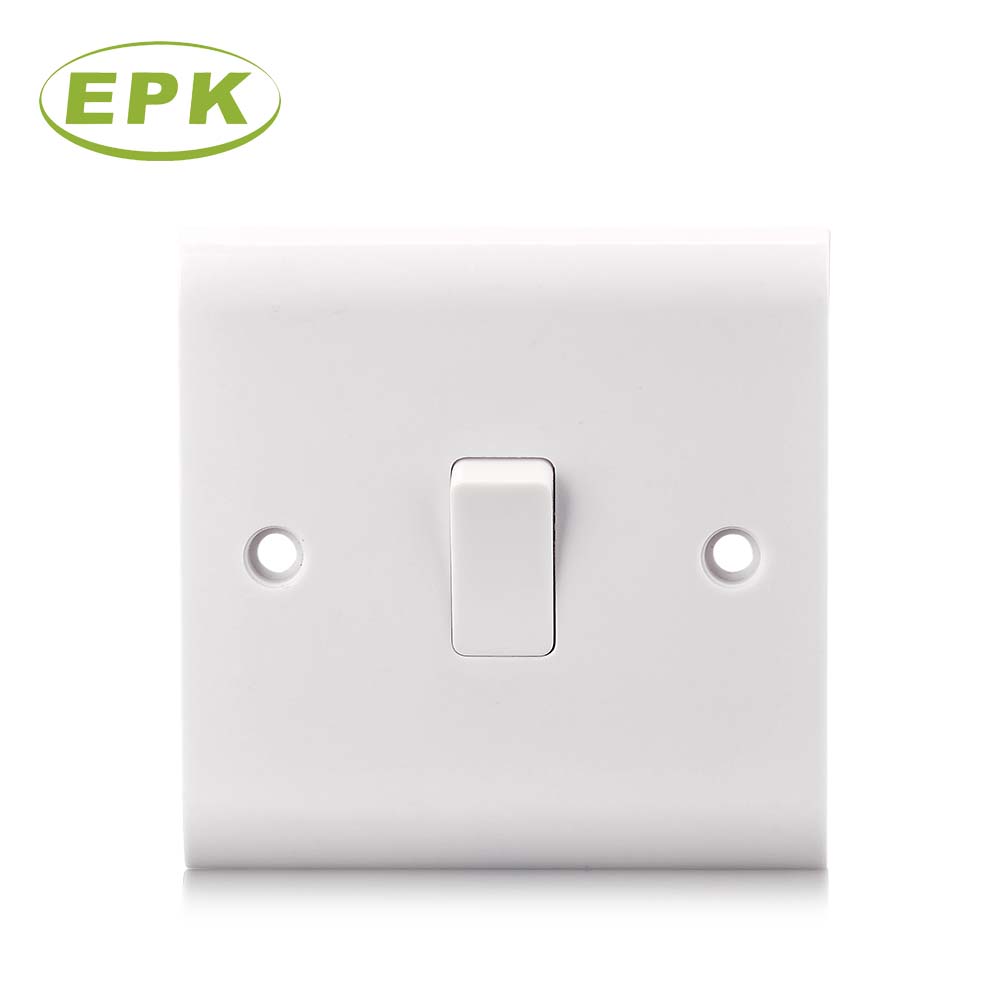
The safety mechanism of british standard switches involves multiple integrated design features and manufacturing processes that work together to prevent electrical accidents, minimize fire risks, and ensure consistent operation under varying load conditions. From contact materials and arc suppression technology to housing durability and terminal connections, every component contributes to the overall safety profile. This comprehensive approach to safety engineering makes British standard switches a preferred choice for applications where electrical reliability and user protection are paramount concerns.
Regulatory Framework and Compliance Standards
BS EN 60669 Standard Requirements
The primary safety framework governing british standard switches is BS EN 60669, which establishes comprehensive requirements for switches intended for household and similar fixed electrical installations. This standard defines critical safety parameters including maximum voltage ratings, current carrying capacity, temperature rise limits, and mechanical endurance specifications. Switches must demonstrate compliance through rigorous testing protocols that simulate real-world operating conditions over extended periods.
Contact resistance measurements form a crucial component of BS EN 60669 compliance, with british standard switches required to maintain stable electrical connections throughout their operational lifetime. The standard specifies maximum contact resistance values and mandates testing procedures that verify switches can handle their rated current without excessive heating. Additionally, insulation resistance requirements ensure adequate electrical separation between live conductors and earthed metal parts, preventing dangerous leakage currents that could pose shock hazards.
Temperature rise testing represents another critical aspect of the compliance framework, with british standard switches subjected to continuous operation at rated load to verify they remain within safe operating temperatures. This testing identifies potential hotspots and ensures that switch components maintain their integrity under sustained electrical stress. The standard also addresses mechanical operation requirements, specifying minimum switch life cycles and force requirements that ensure reliable user operation over time.
Additional Safety Certifications
Beyond BS EN 60669 compliance, quality british standard switches often carry additional certifications that demonstrate enhanced safety performance. UKCA marking indicates conformity with UK safety regulations, while CE marking shows compliance with European safety directives. These certifications require independent testing and verification by accredited bodies, providing additional assurance of safety performance.
Fire safety certifications add another layer of protection, with some british standard switches tested to meet specific flame retardancy and heat resistance standards. These certifications are particularly important in commercial and industrial applications where fire safety regulations impose strict requirements on electrical components. Third-party testing organizations evaluate switch materials, design features, and performance characteristics to verify compliance with relevant fire safety standards.
Environmental certifications address the performance of british standard switches under challenging conditions including humidity, temperature extremes, and corrosive atmospheres. These additional certifications expand the range of applications where switches can be safely deployed while maintaining their protective functions. IP rating certifications specify the level of protection against dust and moisture ingress, ensuring switches maintain their safety performance even in demanding environmental conditions.
Design Features for Electrical Safety
Contact System Engineering
The contact system represents the heart of electrical safety in british standard switches, with specialized materials and geometric designs ensuring reliable current interruption and connection. Silver-based contact materials provide excellent conductivity while resisting oxidation and corrosion that could compromise electrical connections. The contact geometry incorporates multiple contact points that distribute electrical stress and provide redundant current paths, enhancing reliability and safety.
Arc suppression technology prevents dangerous electrical arcs during switching operations, particularly important when interrupting inductive loads or high current circuits. British standard switches employ various arc control methods including contact spacing optimization, magnetic arc deflection, and specialized contact materials that minimize arc formation. These design features protect users from arc flash hazards while preventing contact degradation that could lead to unsafe operating conditions.
Contact pressure mechanisms ensure consistent electrical connections throughout the switch operating life, compensating for normal wear and material changes. Spring-loaded contact systems maintain optimal contact force even as components age, preventing dangerous high-resistance connections that could generate excessive heat. The contact system design also incorporates wiping action that helps maintain clean contact surfaces and reliable electrical continuity.
Insulation and Isolation Systems
Comprehensive insulation systems in british standard switches provide multiple barriers against electrical shock and short circuit conditions. Primary insulation separates live conductors from user-accessible surfaces, while supplementary insulation provides additional protection in case of primary insulation failure. The insulation materials used in quality switches resist electrical tracking, moisture absorption, and temperature-induced degradation that could compromise safety over time.
Creepage and clearance distances within british standard switches meet or exceed regulatory requirements, preventing flashover between conductors under normal and fault conditions. These design parameters account for factors including operating voltage, pollution degree, and altitude that affect electrical breakdown characteristics. Proper spacing ensures switches maintain their protective function even when subjected to overvoltage conditions or contamination that might occur in real-world installations.
Barrier systems within switch housings provide physical separation between different electrical circuits and between live parts and earthed components. These barriers prevent accidental contact during installation or maintenance while maintaining proper insulation coordination throughout the switch structure. The barrier design also facilitates proper conductor routing and minimizes the risk of installation errors that could compromise safety.
Manufacturing Quality Control for Safety
Material Selection and Testing
The safety performance of british standard switches begins with careful selection and testing of raw materials used in their construction. Housing materials must demonstrate appropriate flame retardancy, impact resistance, and dimensional stability under varying environmental conditions. Thermoplastic materials undergo extensive testing to verify their performance characteristics including heat deflection temperature, UV resistance, and chemical compatibility with other switch components.
Metal components used in british standard switches require specific material properties to ensure long-term safety and reliability. Copper alloys used for current-carrying conductors must meet strict purity and conductivity standards, while spring materials require appropriate tensile strength and fatigue resistance. Plating and coating materials undergo corrosion resistance testing to ensure they maintain their protective properties throughout the switch operating life.
Quality control testing during manufacturing includes electrical property verification, dimensional accuracy checking, and visual inspection procedures that identify potential defects before switches leave the factory. Statistical process control methods monitor key manufacturing parameters and identify trends that might affect safety performance. Batch testing procedures verify that finished switches meet all specified safety requirements and perform consistently within their design parameters.
Assembly and Quality Assurance
Assembly processes for british standard switches incorporate multiple quality checkpoints that verify proper component installation and electrical connections. Torque specifications for terminal screws ensure adequate conductor clamping force while preventing over-tightening that could damage components. Contact alignment procedures verify proper mechanical and electrical interface between switching elements.
Functional testing during manufacturing includes electrical continuity verification, insulation resistance measurement, and mechanical operation testing that confirms switches meet their performance specifications. High-voltage testing procedures verify insulation integrity and identify potential weak points that could compromise safety. Temperature rise testing on production samples ensures switches maintain safe operating temperatures under rated load conditions.
Final inspection procedures include comprehensive visual examination and electrical testing that verifies each switch meets safety standards before packaging. Documentation systems track manufacturing data and test results, providing traceability that supports quality assurance and regulatory compliance. Packaging and handling procedures protect switches during shipping and storage while maintaining their safety characteristics until installation.
Installation and Application Safety Considerations
Proper Installation Practices
Safe installation of british standard switches requires adherence to specific procedures that maintain their designed safety performance. Electrical isolation during installation prevents accidental energization that could pose shock hazards to installers. Proper conductor preparation including appropriate stripping length and terminal tightening torque ensures reliable electrical connections that won't degrade over time.
Mounting considerations for british standard switches include proper back box selection, adequate clearance for conductor routing, and appropriate environmental protection based on installation location. Wall mounting systems must provide adequate support and maintain proper switch alignment that ensures correct mechanical operation. Environmental factors including temperature, humidity, and exposure to contaminants require appropriate switch selection and protective measures.
Load compatibility represents a critical installation consideration, with british standard switches selected to match the electrical characteristics of connected loads. Inductive loads including motors and fluorescent lighting require switches with appropriate arc interruption capability and contact ratings. Resistive heating loads demand switches capable of handling high inrush currents and sustained operation at rated capacity.
Maintenance and Inspection Requirements
Periodic inspection of british standard switches helps maintain their safety performance throughout their operational life. Visual inspection procedures identify signs of overheating, physical damage, or contamination that could compromise safety. Electrical testing including insulation resistance measurement and contact resistance verification can detect deteriorating conditions before they become hazardous.
Cleaning procedures for british standard switches must use appropriate materials and methods that don't damage insulation systems or affect electrical properties. Contamination removal helps maintain proper insulation performance while preventing tracking or flashover conditions. Regular maintenance schedules should account for environmental conditions and usage patterns that affect switch degradation rates.
Replacement criteria for british standard switches include consideration of operational age, usage cycles, and any signs of deteriorating performance. Switches showing signs of contact wear, mechanical binding, or electrical problems should be replaced promptly to maintain safety. Upgrade considerations may include newer switch designs that offer enhanced safety features or better environmental protection for specific applications.
Performance Monitoring and Safety Validation
Operational Safety Indicators
Monitoring the ongoing safety performance of british standard switches involves recognizing operational indicators that suggest potential safety issues. Temperature monitoring can identify switches operating outside their safe thermal limits due to overloading, poor connections, or environmental factors. Excessive heating often precedes more serious failures and represents an early warning of potential safety problems.
Mechanical operation characteristics provide insights into switch condition and safety performance. Changes in operating force, travel distance, or tactile feedback may indicate wear or damage that could affect safety. Intermittent operation or failure to maintain contact position suggests internal problems that require investigation and potential replacement.
Electrical performance indicators for british standard switches include voltage drop measurements across switch contacts and insulation resistance testing between circuits and ground. These measurements can detect degrading conditions before they become hazardous while providing objective data about switch condition. Regular electrical testing helps establish baseline performance characteristics and track changes over time.
Safety Testing and Verification
Comprehensive safety testing of british standard switches includes both routine verification and detailed diagnostic procedures. Insulation resistance testing verifies adequate electrical separation between circuits and ground connections. High-voltage testing can identify insulation weaknesses that might not be apparent during normal operation but could pose safety risks under fault conditions.
Contact resistance measurements provide quantitative data about electrical connection quality and can identify degrading contacts before they become unsafe. Thermal imaging during operation reveals hotspots and temperature distributions that indicate potential safety problems. These testing methods help validate that switches continue to meet their original safety specifications throughout their service life.
Documentation of safety testing results creates a record of switch performance that supports maintenance decisions and regulatory compliance. Test data trends help predict when switches may require replacement or additional maintenance attention. Regular safety validation ensures that british standard switches continue to provide their intended protective functions throughout their operational life.
FAQ
What makes British standard switches safer than non-standard alternatives?
British standard switches undergo rigorous testing and certification to meet specific safety requirements including contact performance, insulation integrity, and thermal management. They incorporate design features such as arc suppression technology, optimized contact materials, and comprehensive insulation systems that provide multiple layers of protection against electrical hazards. Non-standard switches may lack these safety features and haven't been verified to meet established safety performance criteria.
How often should British standard switches be inspected for safety compliance?
The inspection frequency for british standard switches depends on their application environment and usage patterns. In commercial and industrial settings, annual inspections are typically recommended, while residential applications may require inspection every 3-5 years. High-usage applications or harsh environmental conditions may necessitate more frequent safety inspections. Any signs of overheating, mechanical problems, or electrical issues should prompt immediate inspection regardless of the scheduled interval.
Can British standard switches be safely used in outdoor applications?
British standard switches can be used in outdoor applications when they have appropriate IP ratings and environmental protection. Standard indoor switches are not suitable for direct outdoor exposure due to moisture and temperature concerns. Outdoor-rated british standard switches incorporate enhanced sealing, UV-resistant materials, and corrosion-resistant components that maintain safety performance in challenging environmental conditions. Proper installation with appropriate weatherproof enclosures is essential for outdoor safety.
What are the consequences of using British standard switches beyond their rated capacity?
Operating british standard switches beyond their rated capacity can lead to overheating, contact degradation, and potential fire hazards. Excessive current can cause contact welding, making switches inoperable and creating permanent electrical connections. Overvoltage conditions may cause insulation breakdown and electrical shock hazards. To maintain safety, switches should always be selected with appropriate ratings for their intended application, including consideration of inrush currents and load characteristics that may exceed steady-state values.
Table of Contents
- Regulatory Framework and Compliance Standards
- Design Features for Electrical Safety
- Manufacturing Quality Control for Safety
- Installation and Application Safety Considerations
- Performance Monitoring and Safety Validation
-
FAQ
- What makes British standard switches safer than non-standard alternatives?
- How often should British standard switches be inspected for safety compliance?
- Can British standard switches be safely used in outdoor applications?
- What are the consequences of using British standard switches beyond their rated capacity?