
 EN
EN
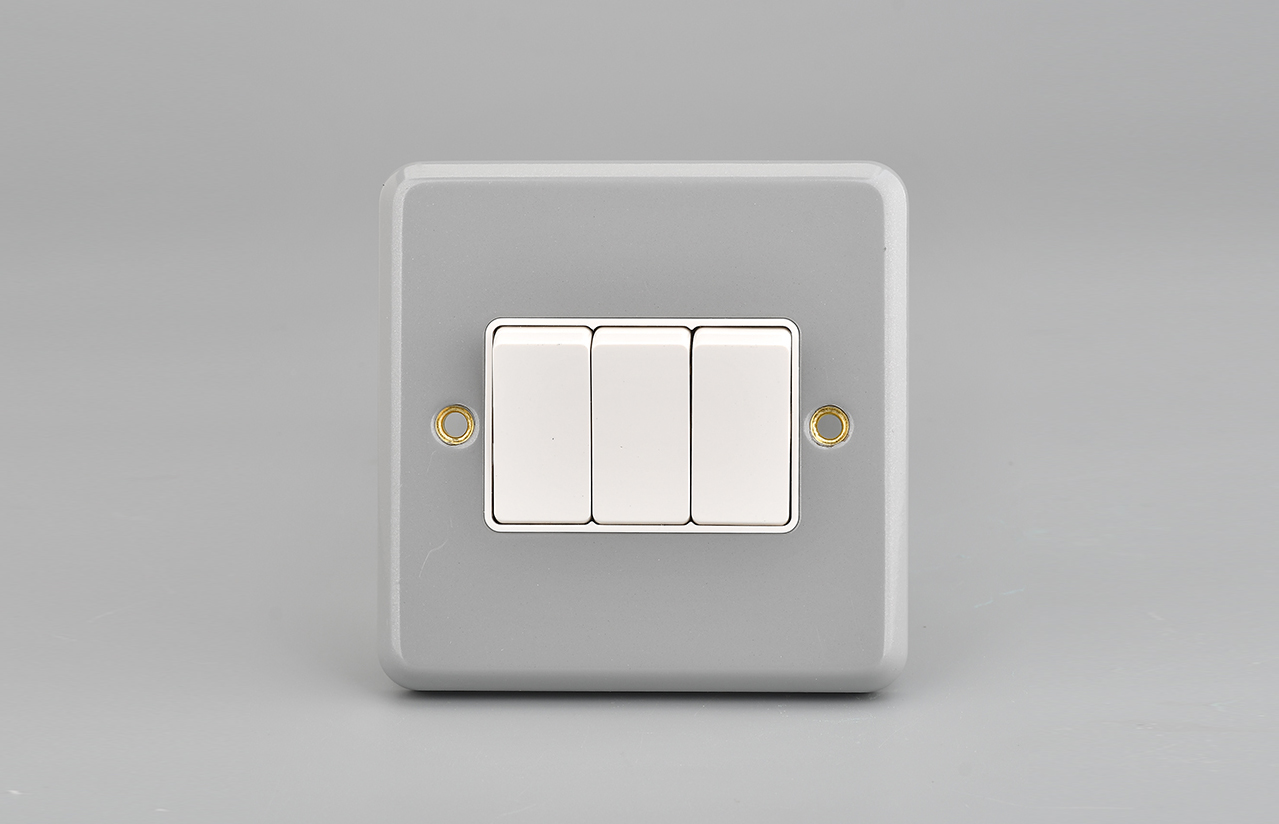
British standard switches have established a significant global presence, extending far beyond the borders of the United Kingdom to become integral components in electrical systems across numerous countries and regions. These standardized electrical switches, governed by BS EN IEC 60669 specifications, serve as reliable control mechanisms in residential, commercial, and industrial applications worldwide. Understanding the geographical distribution and application contexts of these switches provides valuable insight into global electrical infrastructure standards and the enduring influence of British engineering excellence.
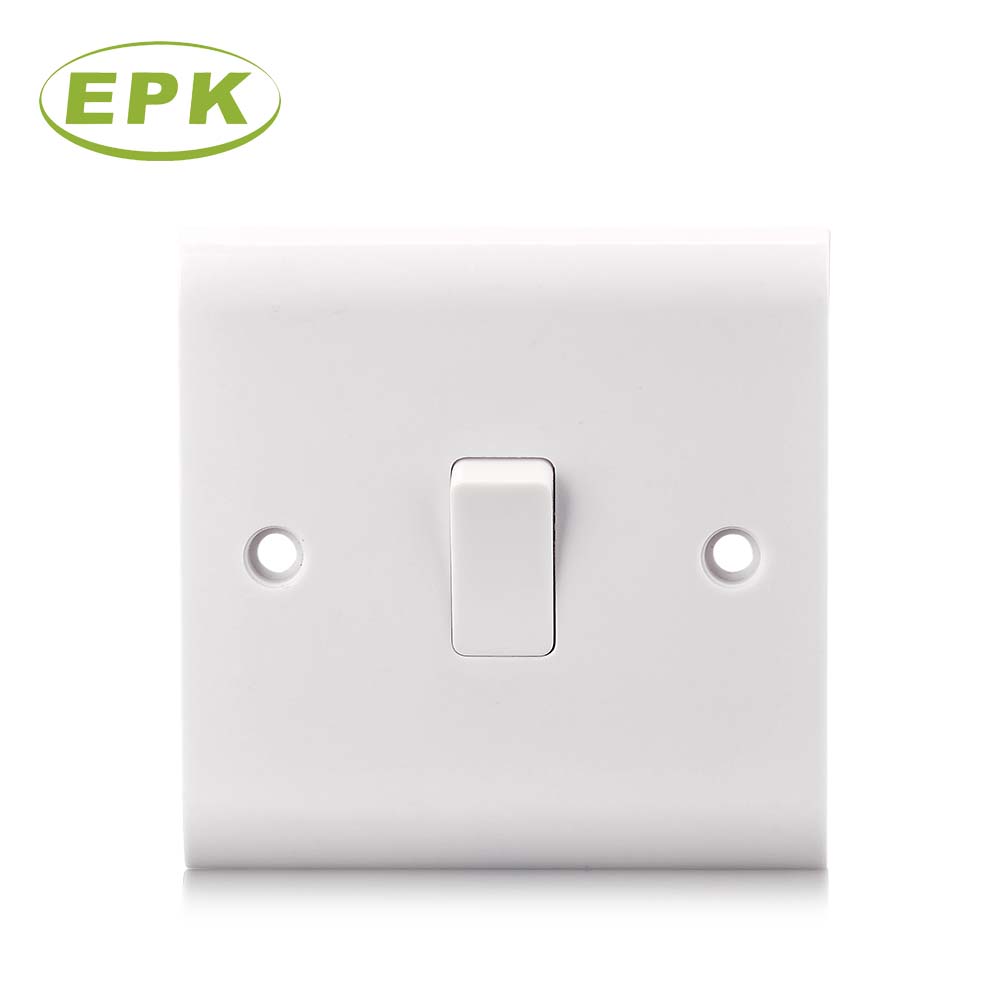
The widespread adoption of british standard switches reflects both historical colonial connections and the practical advantages of standardized electrical components in modern infrastructure development. From Commonwealth nations maintaining traditional electrical standards to emerging markets seeking reliable switching solutions, these devices continue to play crucial roles in diverse electrical environments. The global reach of British standard switches demonstrates how technical specifications developed for specific regional requirements can achieve international acceptance through proven performance and compatibility advantages.
Commonwealth Nations and Former British Territories
United Kingdom and Ireland
Within the United Kingdom itself, british standard switches remain the predominant choice for electrical installations across England, Scotland, Wales, and Northern Ireland. These switches comply with strict safety regulations and building codes that mandate specific performance characteristics for residential and commercial applications. The consistency of standards ensures compatibility across different regions and facilitates maintenance and replacement procedures.
Ireland maintains similar electrical standards, making british standard switches common throughout both the Republic of Ireland and Northern Ireland. This standardization supports cross-border electrical projects and ensures consistent performance in interconnected power systems. The shared technical specifications facilitate trade and technical cooperation between these neighboring nations.
Professional electricians and electrical contractors in these regions rely on british standard switches for their proven reliability and compliance with local electrical codes. The extensive availability of compatible components and accessories further reinforces their continued use in new installations and renovation projects.
Australia and New Zealand
Australia has maintained strong connections to British electrical standards, with british standard switches commonly used throughout residential and commercial buildings across the continent. The country's electrical infrastructure incorporates these switches in diverse climatic conditions, from tropical northern regions to temperate southern areas. This widespread adoption demonstrates the adaptability and durability of British standard designs in varying environmental conditions.
New Zealand similarly employs british standard switches throughout its electrical systems, benefiting from the compatibility with Australian standards and the broader Commonwealth electrical framework. The reliability of these switches in seismically active regions has proven their robustness under challenging physical conditions. Professional electrical installations in both countries frequently specify these switches for their consistent performance and regulatory compliance.
The mining and industrial sectors in both nations often utilize british standard switches in specialized applications, taking advantage of their proven performance in demanding operational environments. This industrial adoption extends the practical applications beyond residential and commercial settings into heavy-duty industrial contexts.
South Africa and African Commonwealth Nations
South Africa represents a significant market for british standard switches, with extensive use in residential developments, commercial complexes, and industrial facilities throughout the country. The electrical infrastructure in major cities like Johannesburg, Cape Town, and Durban incorporates these switches as standard components in both new construction and renovation projects. The compatibility with existing electrical systems makes them practical choices for infrastructure upgrades.
Other African Commonwealth nations, including Kenya, Nigeria, Ghana, and Tanzania, commonly employ british standard switches in various applications. These countries benefit from the established supply chains and technical support networks that have developed around British electrical standards. The familiarity of local electrical professionals with these standards facilitates proper installation and maintenance procedures.
The durability of british standard switches in challenging African climates, including high temperatures, humidity, and dust conditions, has contributed to their continued acceptance in these markets. Their performance in off-grid and rural electrification projects demonstrates versatility beyond urban applications.
Asian Markets and Regional Applications
Hong Kong and Singapore
Hong Kong maintains its historical connection to British electrical standards, with british standard switches widely used throughout the territory's dense urban environment. High-rise residential buildings, commercial towers, and industrial facilities throughout Hong Kong incorporate these switches as integral components of their electrical systems. The consistency with established building codes and electrical regulations supports their continued use in new development projects.
Singapore has similarly maintained compatibility with British electrical standards, making british standard switches common throughout the city-state's modern infrastructure. The demanding tropical climate and high humidity conditions provide rigorous testing environments where these switches have demonstrated reliable long-term performance. Their use in Singapore's advanced industrial and commercial sectors validates their suitability for sophisticated electrical applications.
Both territories benefit from established distribution networks and technical support systems that facilitate the specification and procurement of british standard switches for various project requirements. The proximity to manufacturing centers and global shipping routes ensures reliable availability and competitive pricing for these electrical components.
Malaysia and Regional Southeast Asian Markets
Malaysia represents another significant market where british standard switches maintain strong market presence, particularly in residential and commercial applications throughout major urban centers. The country's electrical infrastructure incorporates these switches in diverse applications, from residential housing developments to large-scale commercial and industrial projects. The compatibility with existing electrical standards facilitates their integration into various building types and electrical system designs.
Other Southeast Asian markets, including parts of Thailand, Vietnam, and the Philippines, utilize british standard switches in specific applications where compatibility with Commonwealth standards provides advantages. These applications often involve international development projects, multinational facility construction, or specialized industrial installations requiring standardized electrical components.
The tropical climate conditions throughout Southeast Asia provide demanding operational environments where british standard switches must perform reliably despite high temperatures, humidity, and seasonal weather variations. Their continued use in these challenging conditions demonstrates the robust design and quality construction that characterizes British electrical standards.
Middle Eastern and Gulf Region Applications
Traditional British Influence Areas
Several Middle Eastern countries maintain connections to British electrical standards through historical relationships and ongoing technical cooperation. Countries such as Jordan, Iraq, and parts of the Arabian Peninsula continue to utilize british standard switches in various applications, particularly in government buildings, military installations, and infrastructure projects where standardization with Commonwealth practices provides operational advantages.
The demanding desert climate conditions in these regions, including extreme temperatures, sand exposure, and low humidity, create challenging operating environments for electrical components. British standard switches have demonstrated reliable performance in these conditions, supporting their continued specification in regional electrical projects. The durability and consistent operation under extreme environmental stress validates the robust design principles incorporated in British electrical standards.
International construction projects and multinational facilities in the Middle East often specify british standard switches to maintain compatibility with global corporate standards and facilitate maintenance procedures across international operations. This application extends beyond traditional Commonwealth connections to encompass broader international business requirements.
Gulf Cooperation Council Countries
Certain Gulf Cooperation Council countries, particularly those with historical British connections, continue to utilize british standard switches in specific applications. These uses often involve specialized industrial facilities, international business complexes, or infrastructure projects where compatibility with Commonwealth electrical standards provides technical or operational advantages. The specification of these switches reflects both historical relationships and practical engineering considerations.
The extreme climate conditions throughout the Gulf region, including very high temperatures, sandstorms, and corrosive coastal environments, provide severe testing conditions for electrical components. British standard switches that perform reliably in these environments demonstrate exceptional durability and engineering quality. Their use in critical applications validates their suitability for demanding operational requirements.
Oil and gas industry applications in the Gulf region sometimes specify british standard switches for compatibility with international standards and operational procedures. These industrial applications require components that meet stringent safety and performance requirements while maintaining compatibility with global engineering standards and practices.
Industrial and Specialized Global Applications
Marine and Offshore Industries
The marine industry represents a significant global application area for british standard switches, with ships, offshore platforms, and marine facilities worldwide incorporating these components in their electrical systems. The harsh marine environment, including salt spray, humidity, and constant motion, requires electrical components that can maintain reliable operation under challenging conditions. British standard switches have proven their durability and performance in these demanding applications.
Offshore oil and gas platforms around the world often specify british standard switches for compatibility with international safety standards and operational procedures. These applications require components that meet strict safety requirements while providing reliable performance in extreme environmental conditions. The use of standardized electrical components facilitates maintenance procedures and ensures compatibility with international operational practices.
International shipping companies frequently standardize on british standard switches across their global fleets to simplify maintenance procedures, reduce spare parts inventory, and ensure consistent performance across different vessels. This standardization approach demonstrates the practical advantages of using established electrical components with proven reliability and global availability.
International Development Projects
International development organizations and aid agencies often specify british standard switches for infrastructure projects in developing countries, particularly in regions with existing Commonwealth connections or British technical influence. These projects benefit from the established quality standards, proven performance, and availability of technical support that characterizes British electrical components. The reliability of these switches in challenging operational environments makes them suitable for critical infrastructure applications.
Educational and healthcare facility construction projects funded by international organizations frequently incorporate british standard switches to ensure reliable electrical system operation. These critical applications require components that will provide dependable service with minimal maintenance requirements. The proven track record of British standard switches in similar applications worldwide supports their specification in these important projects.
Rural electrification programs in various developing countries sometimes utilize british standard switches where compatibility with existing electrical infrastructure or technical standards provides practical advantages. These applications often involve challenging operational conditions and limited maintenance resources, making the reliability and durability of British standard switches particularly valuable.
FAQ
Which countries most commonly use british standard switches today?
The United Kingdom, Ireland, Australia, New Zealand, South Africa, Hong Kong, Singapore, and Malaysia represent the primary markets where british standard switches maintain strong market presence. These countries continue to use these switches extensively in residential, commercial, and industrial applications due to established electrical codes, compatibility requirements, and proven performance characteristics.
Are british standard switches suitable for tropical and desert climates?
Yes, british standard switches are designed to perform reliably in diverse climate conditions, including tropical environments with high humidity and temperature, as well as arid desert conditions with extreme heat and dust exposure. Their proven performance in countries like Malaysia, Singapore, and various Middle Eastern nations demonstrates their environmental adaptability and robust construction.
Do international projects outside Commonwealth countries ever use british standard switches?
International projects, particularly those involving multinational corporations, marine applications, or international development organizations, sometimes specify british standard switches for standardization purposes, compatibility with global operational procedures, or proven reliability requirements. These applications extend beyond traditional Commonwealth markets to encompass broader international engineering and business needs.
What industries most commonly specify british standard switches globally?
The marine industry, offshore oil and gas sector, international construction projects, educational and healthcare facilities, and industrial manufacturing operations represent the primary global industries that commonly specify british standard switches. These industries value the proven reliability, standardized specifications, and international availability of these electrical components for their critical applications.
Table of Contents
- Commonwealth Nations and Former British Territories
- Asian Markets and Regional Applications
- Middle Eastern and Gulf Region Applications
- Industrial and Specialized Global Applications
-
FAQ
- Which countries most commonly use british standard switches today?
- Are british standard switches suitable for tropical and desert climates?
- Do international projects outside Commonwealth countries ever use british standard switches?
- What industries most commonly specify british standard switches globally?