
 EN
EN
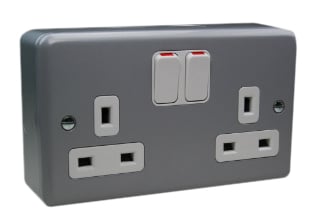
Selecting the right electrical components for original equipment manufacturer (OEM) supply requires careful consideration of technical specifications, regulatory compliance, and end-user safety. When sourcing power outlets for integration into appliances, control panels, industrial equipment, or consumer electronics destined for UK and Commonwealth markets, british standard sockets represent a critical component choice that directly impacts product certification, market acceptance, and operational reliability. Understanding the nuances of BS 1363 compliance, material quality, and supplier capabilities becomes essential for OEM decision-makers who must balance cost efficiency with uncompromising safety standards.
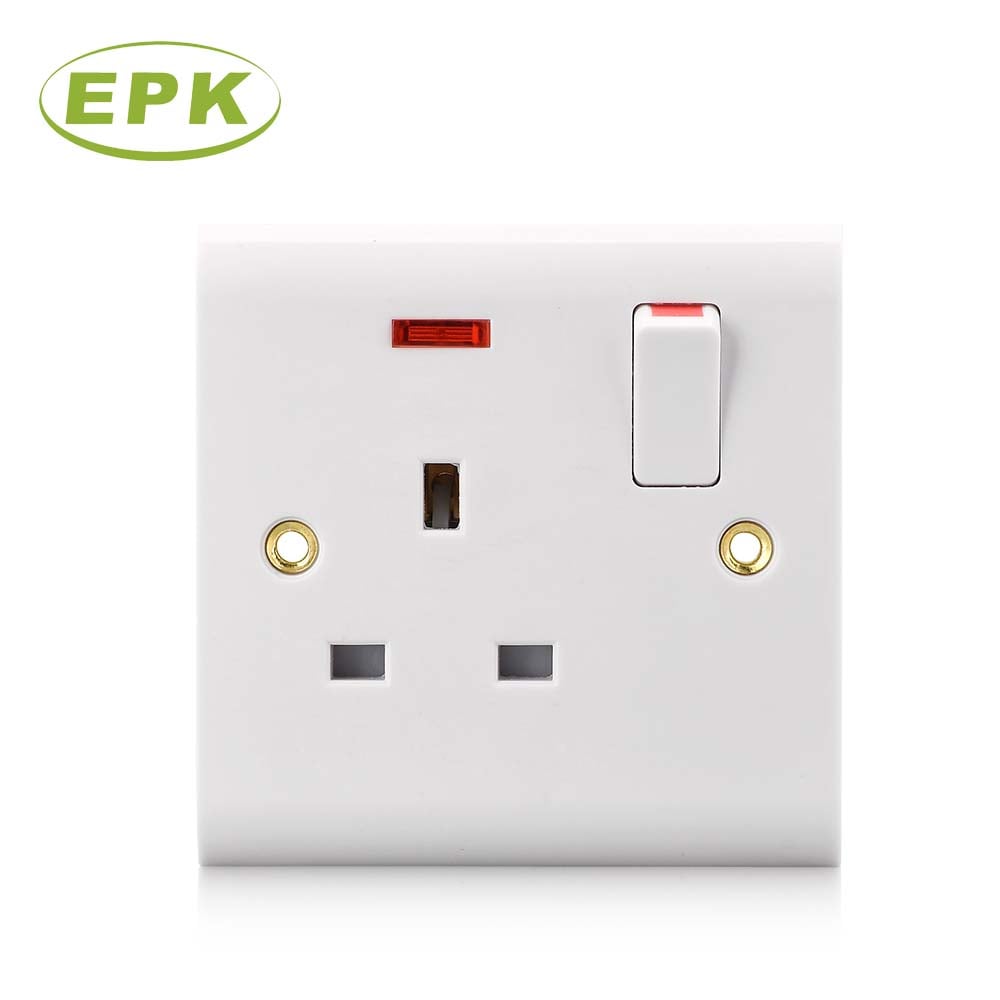
The decision to incorporate british standard sockets into OEM products extends beyond simple procurement. Manufacturers must evaluate dimensional compatibility with existing designs, assess the electrical ratings against anticipated load profiles, and verify that chosen socket assemblies meet stringent testing requirements imposed by certification bodies. For equipment destined for export to regions including the United Kingdom, Ireland, Malaysia, Singapore, Hong Kong, and numerous African nations, proper socket selection ensures seamless market entry while minimizing the risk of costly redesigns or compliance failures during final product testing phases.
Understanding BS 1363 Certification Requirements for OEM Applications
Core Technical Specifications of British Standard Sockets
British standard sockets manufactured to BS 1363 specifications incorporate several distinctive design features that differentiate them from other international socket standards. The characteristic rectangular pin configuration includes three pins arranged in a triangular pattern, with the earth pin positioned above two parallel live and neutral pins. This geometry ensures proper polarization and provides enhanced safety through the shutter mechanism that only opens when the longer earth pin initiates contact. For OEM applications, understanding these dimensional requirements becomes critical when designing equipment housings and ensuring adequate clearance for socket integration.
The electrical ratings specified under BS 1363 establish clear parameters for current-carrying capacity and voltage tolerances. Standard british standard sockets are rated for 13 amperes at 230 volts alternating current, with variations available for lower current applications where space constraints or specific equipment requirements dictate alternative ratings. OEM engineers must carefully match socket ratings to the maximum anticipated load of connected equipment, incorporating appropriate safety margins to account for inrush currents, transient loads, and environmental factors that may affect contact resistance over the product lifecycle.
Material Requirements and Construction Standards
The construction of compliant british standard sockets involves specific material choices mandated by the standard to ensure fire resistance, electrical insulation integrity, and mechanical durability. Body materials typically consist of high-grade thermoplastic compounds or phenolic resin compositions, commonly known as Bakelite, which provide excellent dimensional stability across temperature extremes while resisting tracking and arc damage. For OEM applications where equipment may experience elevated operating temperatures or exposure to solvents and cleaning agents, material selection becomes a critical consideration that directly impacts long-term reliability and maintenance requirements.
Contact materials within british standard sockets must demonstrate consistent conductivity, resistance to oxidation, and adequate spring tension to maintain reliable electrical connection throughout repeated insertion and withdrawal cycles. Brass alloy contacts with nickel or tin plating represent the industry standard, offering the optimal balance between conductivity, corrosion resistance, and manufacturing cost. OEM buyers should verify that supplier specifications clearly document contact material composition, plating thickness, and expected mechanical life cycle ratings to ensure alignment with anticipated usage patterns in the final application.
Testing and Certification Documentation
Obtaining proper certification documentation for british standard sockets integrated into OEM equipment requires understanding the distinction between component certification and final product approval. While individual socket assemblies may carry BS 1363 certification from recognized testing laboratories, the incorporation of these components into larger equipment assemblies necessitates additional testing to verify proper installation, adequate electrical isolation, and compliance with overarching safety standards applicable to the finished product category. OEM manufacturers must maintain comprehensive documentation trails that connect component certifications to final product approvals, facilitating efficient regulatory reviews and market surveillance audits.
The certification process for british standard sockets involves rigorous testing protocols that evaluate electrical performance under fault conditions, mechanical strength during impact and stress testing, and thermal stability during overload scenarios. Testing laboratories assess parameters including contact resistance, insulation resistance between live parts and accessible conductive surfaces, and the ability of shuttered mechanisms to prevent insertion of single pins or non-standard objects. For OEM applications, understanding these testing protocols helps inform quality assurance procedures and incoming inspection criteria that verify supplier-provided components meet declared specifications before integration into production assemblies.
Selecting Appropriate Socket Configurations for Different OEM Requirements
Single Gang Versus Multi-Gang Assemblies
The choice between single gang and multi-gang british standard sockets significantly impacts equipment design, space utilization, and installation complexity within OEM applications. Single gang sockets, typically measuring 86mm x 86mm in standard mounting configurations, provide dedicated power points suitable for equipment with singular connection requirements or applications where physical separation of power sources enhances safety or operational flexibility. For industrial control panels, medical equipment, and specialized machinery, single gang configurations often prove advantageous by allowing modular layout designs and simplifying maintenance procedures through individual component replacement.
Multi-gang assemblies consolidating two or more british standard sockets into unified mounting plates offer space efficiency benefits for applications requiring multiple power connection points within constrained installation areas. These configurations reduce overall material requirements, simplify wiring harness design, and can provide cost advantages through consolidated procurement and installation labor. However, OEM designers must carefully evaluate load distribution across gang positions, ensuring that simultaneous maximum load operation does not exceed the thermal dissipation capacity of the assembly or create excessive voltage drop across shared neutral connections that could affect sensitive electronic equipment performance.
Switched Versus Unswitched Socket Options
The incorporation of integral switching mechanisms within british standard sockets provides users with convenient local disconnect capability without requiring circuit breaker access or plug removal. Switched configurations incorporate a rocker or toggle mechanism that interrupts the live conductor, offering enhanced safety during equipment maintenance and the ability to disable power to connected devices without physical disconnection. For OEM applications in commercial kitchens, laboratory equipment, and industrial workstations, switched british standard sockets represent a valuable user interface feature that enhances operational safety and equipment longevity by reducing plug wear associated with frequent connection and disconnection cycles.
Unswitched british standard sockets eliminate the mechanical complexity and potential failure points associated with switching mechanisms, offering simplified construction suitable for applications where power control occurs through external means or where continuous connection represents the normal operating condition. In dedicated equipment installations such as refrigeration systems, computer servers, and critical infrastructure applications, unswitched configurations reduce component count and eliminate switch contact resistance that could contribute to voltage drop or thermal management challenges. OEM engineers must balance the operational convenience of switched designs against the reliability advantages and cost efficiencies offered by unswitched alternatives based on specific application requirements and end-user operational protocols.
Additional Feature Integration Options
Modern british standard sockets incorporate various supplementary features that enhance functionality and user awareness in OEM equipment applications. Neon indicator lamps provide visual confirmation of live circuit status, alerting users to energized conditions even when no equipment is connected and facilitating troubleshooting procedures during installation and maintenance activities. For applications in dimly lit industrial environments or equipment cabinets where visual inspection proves challenging, illuminated indicators represent valuable safety enhancements that reduce the risk of inadvertent contact with live conductors during service procedures.
Some british standard sockets incorporate USB charging ports alongside traditional three-pin outlets, accommodating the proliferation of mobile devices and portable equipment in modern industrial and commercial environments. While these hybrid configurations prove popular in consumer applications, OEM designers must carefully evaluate whether such features align with the intended equipment application and whether additional regulatory compliance burdens associated with digital power conversion circuitry justify the added functionality. Alternative features including surge protection circuitry, residual current detection, and tamper-resistant shuttering mechanisms may offer more relevant value propositions depending on the specific risk profile and operational context of the OEM equipment.
Evaluating Supplier Capabilities and Quality Assurance Processes
Manufacturing Quality and Consistency Standards
Supplier selection for british standard sockets requires thorough assessment of manufacturing process controls, quality management systems, and production capacity alignment with OEM volume requirements. Reputable suppliers maintain ISO 9001 certification demonstrating systematic approaches to quality management, implement statistical process control methodologies that ensure dimensional consistency across production runs, and operate comprehensive testing facilities capable of verifying compliance with BS 1363 specifications through both routine sampling and type testing protocols. For OEM buyers, factory audits and supplier qualification processes should verify the presence of calibrated measurement equipment, documented inspection procedures, and robust non-conformance management systems that prevent defective components from entering supply chains.
The consistency of material specifications across production batches significantly impacts the long-term reliability and regulatory compliance of british standard sockets integrated into OEM products. Suppliers demonstrating mature material qualification processes maintain approved vendor lists for raw material inputs, conduct incoming inspection of molding compounds and contact materials, and perform periodic verification testing to confirm ongoing compliance with declared specifications. OEM procurement teams should request material certifications, test reports documenting electrical and mechanical properties, and evidence of change management procedures that ensure notification and approval processes occur before any modifications to materials or manufacturing processes that could affect component performance characteristics.
Testing Capabilities and Certification Support
Comprehensive testing infrastructure represents a critical differentiator among suppliers of british standard sockets for OEM applications. Leading manufacturers maintain in-house testing laboratories equipped with specialized apparatus for conducting electrical endurance testing, thermal stability assessments, mechanical life cycle evaluations, and environmental exposure testing that replicates real-world operating conditions. The availability of such testing capabilities enables rapid validation of custom specifications, accelerates qualification timelines for new product introductions, and provides objective performance data supporting engineering design decisions and risk assessments conducted during product development phases.
Suppliers offering comprehensive certification support services add significant value for OEM manufacturers navigating complex regulatory landscapes across multiple market jurisdictions. These services may include assistance with technical file preparation, coordination with notified bodies and testing laboratories, and provision of component-level certifications that streamline final product approval processes. When sourcing british standard sockets for equipment destined for regulated markets including medical devices, industrial control systems, or consumer appliances, the availability of supplier technical support and certification expertise can substantially reduce time-to-market and minimize the risk of compliance-related project delays or market entry obstacles.
Supply Chain Reliability and Technical Support
Robust supply chain management capabilities ensure consistent availability of british standard sockets throughout OEM production lifecycles, preventing costly manufacturing disruptions and maintaining delivery commitments to downstream customers. Qualified suppliers demonstrate supply chain resilience through diversified material sourcing strategies, maintenance of appropriate safety stock levels, and transparent communication regarding lead times and capacity constraints. For OEM manufacturers operating lean production systems or serving markets with stringent delivery requirements, supplier performance metrics including on-time delivery rates, order fill accuracy, and responsiveness to expedited requests represent critical selection criteria that often outweigh minor price differentials in total cost of ownership calculations.
Ongoing technical support from british standard sockets suppliers enhances product development efficiency and facilitates problem resolution when field issues arise. Valuable support services include provision of detailed CAD models for design integration, electrical characteristic curves supporting thermal analysis and circuit protection coordination, and application engineering assistance addressing installation questions or performance optimization opportunities. Suppliers maintaining dedicated technical support teams with deep product knowledge and responsiveness to engineering inquiries enable OEM manufacturers to leverage component expertise throughout the product lifecycle, from initial concept development through field service support and eventual product redesign or upgrade initiatives.
Cost Optimization Strategies for OEM Socket Procurement
Volume Pricing and Contractual Structures
Procurement volume significantly influences unit pricing for british standard sockets, with substantial cost reductions achievable through consolidated purchasing strategies and long-term supply agreements. OEM manufacturers should conduct thorough demand forecasting exercises that account for production ramp schedules, seasonal volume fluctuations, and anticipated product lifecycle durations to establish realistic volume commitments that unlock favorable pricing tiers without creating excess inventory burdens. Structured procurement contracts incorporating volume commitments, pricing escalation clauses tied to material cost indices, and flexibility provisions addressing demand variability provide predictable cost structures that facilitate accurate product costing and margin management throughout production runs.
Beyond simple volume discounts, negotiation strategies for british standard sockets procurement should address total cost of ownership factors including packaging specifications that minimize handling labor, delivery scheduling aligned with production requirements to reduce warehousing costs, and quality assurance protocols that reduce incoming inspection burdens. Value-added services such as kitting operations that consolidate multiple component types into production-ready assemblies, custom labeling or marking that eliminates secondary operations, and vendor-managed inventory programs that transfer holding costs to suppliers while ensuring material availability represent opportunities for cost optimization that extend beyond unit price negotiations.
Balancing Quality Requirements with Budget Constraints
Effective cost management for british standard sockets procurement requires careful calibration of quality specifications to actual application requirements, avoiding over-specification that unnecessarily inflates component costs while ensuring adequate performance margins for safety and reliability. Engineering teams should conduct thorough design failure modes and effects analysis to identify critical-to-quality characteristics that warrant premium component selection versus parameters where standard specifications provide adequate performance. For example, applications involving infrequent connection cycles may accommodate lower mechanical life ratings, while equipment exposed to corrosive environments justifies investment in enhanced contact plating or specialized housing materials despite higher unit costs.
The evaluation of british standard sockets should incorporate life cycle cost analysis that accounts for warranty exposure, field service costs, and brand reputation impacts associated with component failures rather than focusing exclusively on initial purchase price. Higher-quality sockets incorporating superior contact materials, reinforced housing structures, and enhanced manufacturing process controls may command premium pricing but deliver substantial lifecycle value through reduced failure rates, extended service intervals, and enhanced end-user satisfaction. OEM manufacturers should develop comprehensive cost models that quantify these factors, enabling informed decisions that optimize total program profitability rather than achieving false economies through selection of inadequate components based solely on lowest initial cost criteria.
Customization Versus Standard Product Selection
The decision to pursue customized british standard sockets tailored to specific OEM requirements versus selecting standard catalog products involves complex tradeoffs between differentiation benefits, development costs, and supply chain implications. Custom socket designs incorporating unique mounting provisions, specialized switching arrangements, integrated cable assemblies, or distinctive aesthetic treatments enable product differentiation and optimized integration with equipment enclosures but require investment in tooling, prototype development, and regulatory testing that may prove prohibitive for moderate production volumes. OEM manufacturers should establish clear decision criteria addressing minimum volume thresholds justifying custom tooling investments, intellectual property protection requirements, and competitive advantage assessments that quantify the market value of differentiated socket configurations.
Standard british standard sockets from established manufacturers offer immediate availability, proven reliability based on extensive field history, and streamlined certification processes leveraging existing approvals and test reports. These advantages prove particularly valuable for new product introductions where time-to-market pressures favor rapid design cycles and for mature products where component standardization facilitates second-source qualification and competitive procurement strategies. Effective component selection strategies often employ standard configurations during initial product launches, reserving custom socket development for subsequent product generations once market acceptance validates production volumes and revenue streams justify the incremental investment in differentiated component designs.
Integration Considerations for Equipment Design and Manufacturing
Mechanical Mounting and Panel Integration
Proper mechanical integration of british standard sockets into OEM equipment requires careful attention to mounting provisions, panel material compatibility, and accessibility requirements for both installation and future maintenance activities. Standard socket mounting typically employs metal or plastic mounting boxes that provide structural support and house wiring terminations, secured to equipment panels through screw fixings or snap-fit retention mechanisms. OEM designers must ensure adequate panel thickness and rigidity to prevent socket movement during plug insertion and withdrawal cycles, specify appropriate cutout dimensions with sufficient clearance for socket body depth including rear terminal protrusions, and consider strain relief provisions for supply wiring that prevent mechanical stress transmission to socket terminals.
Panel materials hosting british standard sockets must provide adequate electrical insulation, mechanical strength, and fire resistance to complement socket safety features and satisfy overarching equipment certification requirements. Metal panels require careful attention to earthing continuity, with provisions ensuring the socket earth terminal maintains reliable connection to equipment chassis earth systems. Non-metallic panels including fiberglass, phenolic laminates, and engineering thermoplastics must demonstrate adequate thickness to prevent flexure that could stress socket mounting hardware and sufficient thermal stability to withstand heat dissipation from socket contacts during continuous high-current operation. Material selection decisions should incorporate testing data addressing flammability characteristics, tracking resistance, and dimensional stability across anticipated operating temperature ranges.
Electrical Connection and Wiring Practices
Electrical connections to british standard sockets involve screw-terminal, push-fit, or quick-connect configurations, each offering distinct advantages and limitations for OEM manufacturing environments. Screw terminals provide robust connections suitable for solid or stranded conductors, accommodate a wide range of wire gauges, and permit verification through visual inspection and pull-testing, but require skilled installation labor and introduce variability associated with installer technique and torque application. Push-fit terminals offer rapid assembly suitable for high-volume production environments and eliminate torque sensitivity, but require careful wire preparation including precise strip length control and mandrel straightening to ensure proper contact engagement within terminal chambers.
Wire sizing for british standard sockets supply circuits must account for maximum socket rating, length of supply runs affecting voltage drop calculations, and environmental factors including ambient temperature and conductor bundling that influence current-carrying capacity. For 13-ampere rated sockets, typical installations employ 2.5mm² conductors for moderate cable runs, with larger cross-sections required for extended distances or situations where multiple sockets share common supply conductors. OEM wiring specifications should reference applicable national electrical codes, manufacturer installation guidelines, and internal quality standards addressing acceptable voltage drop limits, ensuring that supply circuit impedance does not compromise connected equipment performance or create nuisance tripping of protective devices under normal operating loads.
Protection Coordination and Circuit Design
Effective integration of british standard sockets into OEM equipment electrical systems requires careful coordination between socket ratings, upstream overcurrent protection devices, and connected load characteristics. Circuit breakers or fuses protecting socket circuits must provide adequate current-carrying capacity for anticipated loads while ensuring rapid disconnection under fault conditions before conductor insulation damage or socket component degradation occurs. Discrimination studies ensure that faults occurring at socket outlets or connected equipment clear through the nearest upstream protective device without unnecessarily tripping higher-level distribution system protection that would affect unrelated equipment circuits and disrupt broader facility operations.
Ground fault protection integration enhances safety for british standard sockets installed in OEM equipment operating in wet environments, medical applications, or situations where persons may simultaneously contact grounded surfaces and equipment supplied through socket outlets. Residual current devices monitoring supply circuits for imbalance between live and neutral currents provide rapid disconnection upon detection of earth leakage currents, protecting users from electric shock hazards associated with insulation failures or accidental contact with live parts. OEM electrical designers must carefully select residual current device trip thresholds balancing sensitivity for personnel protection against nuisance tripping caused by normal leakage currents in electronic equipment or accumulated capacitive coupling in extended wiring installations.
FAQ
What are the key differences between British standard sockets and other international socket standards?
British standard sockets feature a distinctive three-pin rectangular configuration with a longer earth pin positioned above live and neutral pins, incorporating integral shuttered mechanisms that prevent insertion of single pins or foreign objects. This design differs fundamentally from European Schuko sockets with round pins, North American NEMA configurations with parallel blade contacts, and various other regional standards. The BS 1363 standard specifies 13-ampere current rating with built-in fuse protection in plug tops, providing overcurrent protection closer to connected equipment than standards relying solely on fixed installation circuit protection. Additionally, british standard sockets incorporate mandatory mechanical interlocks ensuring earth contact closure before live pins engage, enhancing safety compared to standards lacking such provisions.
How do material choices affect the long-term reliability of british standard sockets in OEM applications?
Material selection significantly impacts socket durability, with thermoplastic body materials offering cost efficiency and ease of molding versus phenolic resin compositions providing superior thermal stability and resistance to tracking degradation. Contact materials critically affect electrical performance, with brass alloy compositions providing optimal conductivity while nickel or tin plating prevents oxidation that increases contact resistance over time. OEM applications involving frequent connection cycles benefit from phosphor bronze spring contacts maintaining consistent pressure throughout mechanical life, while environments with exposure to chemicals or cleaning agents require housing materials resistant to stress cracking and dimensional changes that could compromise electrical clearances or mechanical integrity.
What certification documentation should OEM manufacturers request from british standard sockets suppliers?
Comprehensive supplier documentation packages should include BS 1363 type test reports from accredited laboratories verifying compliance with all standard requirements, material certifications documenting composition and properties of thermoplastic compounds and contact alloys, and dimensional inspection reports confirming conformance to drawing specifications. Additional valuable documentation includes factory production control certificates demonstrating ongoing quality management processes, declaration of conformity statements asserting continued compliance with declared specifications, and technical data sheets providing electrical characteristics, temperature ratings, and mechanical life expectations. For equipment requiring CE marking or other regulatory approvals, suppliers should provide technical construction files supporting component-level compliance documentation integration into overall equipment certification packages.
How should OEM manufacturers approach second-source qualification for british standard sockets?
Effective second-source strategies begin with development of comprehensive component specifications documenting all critical-to-quality characteristics including dimensional requirements, electrical performance parameters, material compositions, and testing protocols that qualification samples must satisfy. Prospective suppliers should undergo structured evaluation processes including factory audits assessing manufacturing capabilities and quality systems, sample testing validating compliance with established specifications, and pilot production runs demonstrating consistent quality and supply chain reliability. OEM manufacturers should maintain approved vendor lists, document qualification evidence supporting each approved source, and implement incoming inspection procedures ensuring ongoing compliance as production transitions between suppliers. Cross-functional teams including engineering, quality, and procurement functions should participate in qualification decisions, ensuring balanced evaluation of technical suitability, commercial terms, and supply chain risk factors.
Table of Contents
- Understanding BS 1363 Certification Requirements for OEM Applications
- Selecting Appropriate Socket Configurations for Different OEM Requirements
- Evaluating Supplier Capabilities and Quality Assurance Processes
- Cost Optimization Strategies for OEM Socket Procurement
- Integration Considerations for Equipment Design and Manufacturing
-
FAQ
- What are the key differences between British standard sockets and other international socket standards?
- How do material choices affect the long-term reliability of british standard sockets in OEM applications?
- What certification documentation should OEM manufacturers request from british standard sockets suppliers?
- How should OEM manufacturers approach second-source qualification for british standard sockets?