
 EN
EN
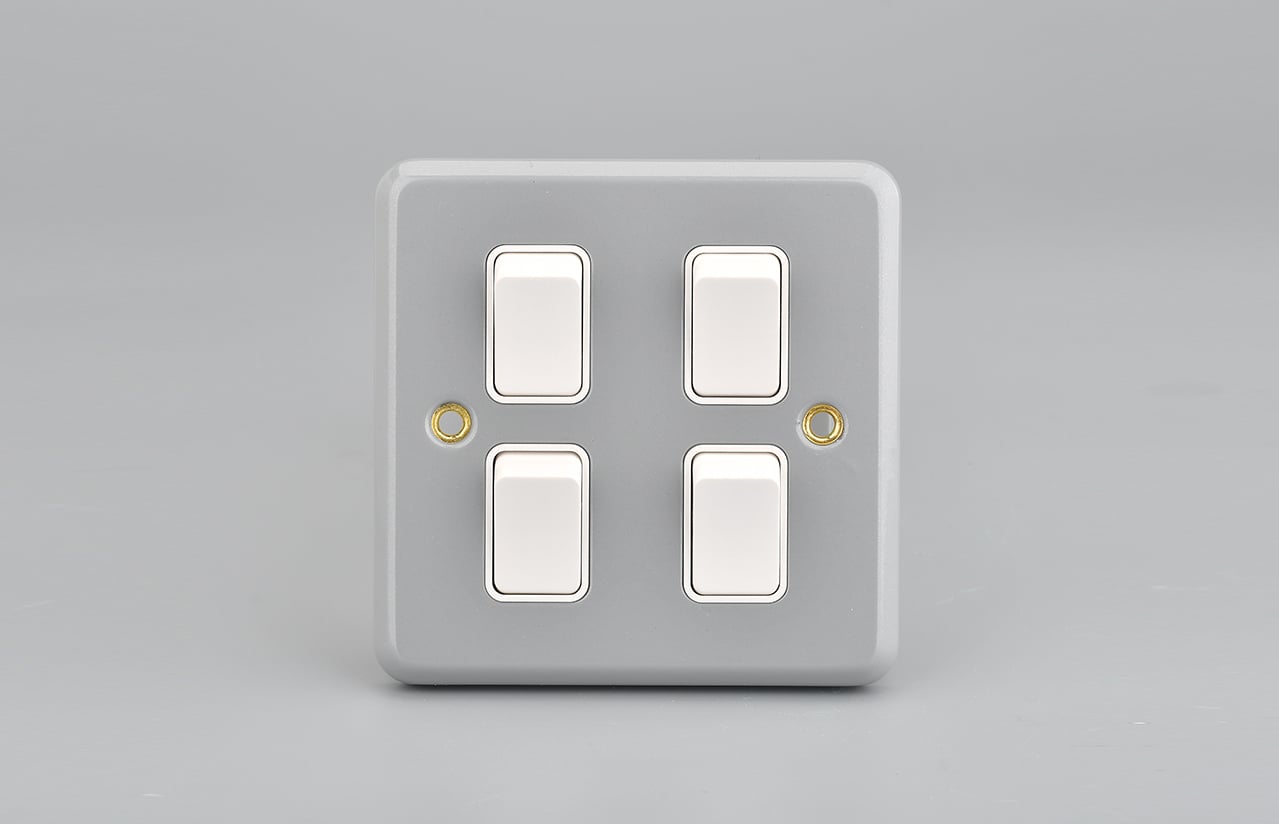
Modern building projects demand reliable and compliant electrical wiring devices that meet contemporary safety standards and performance requirements. The selection and installation of electrical wiring devices has become increasingly critical as buildings evolve to support higher power demands, greater automation, and stricter regulatory compliance. Whether you are managing a residential development, commercial office complex, or industrial facility, understanding the role and specifications of electrical wiring devices directly impacts project success, safety outcomes, and long-term operational efficiency.
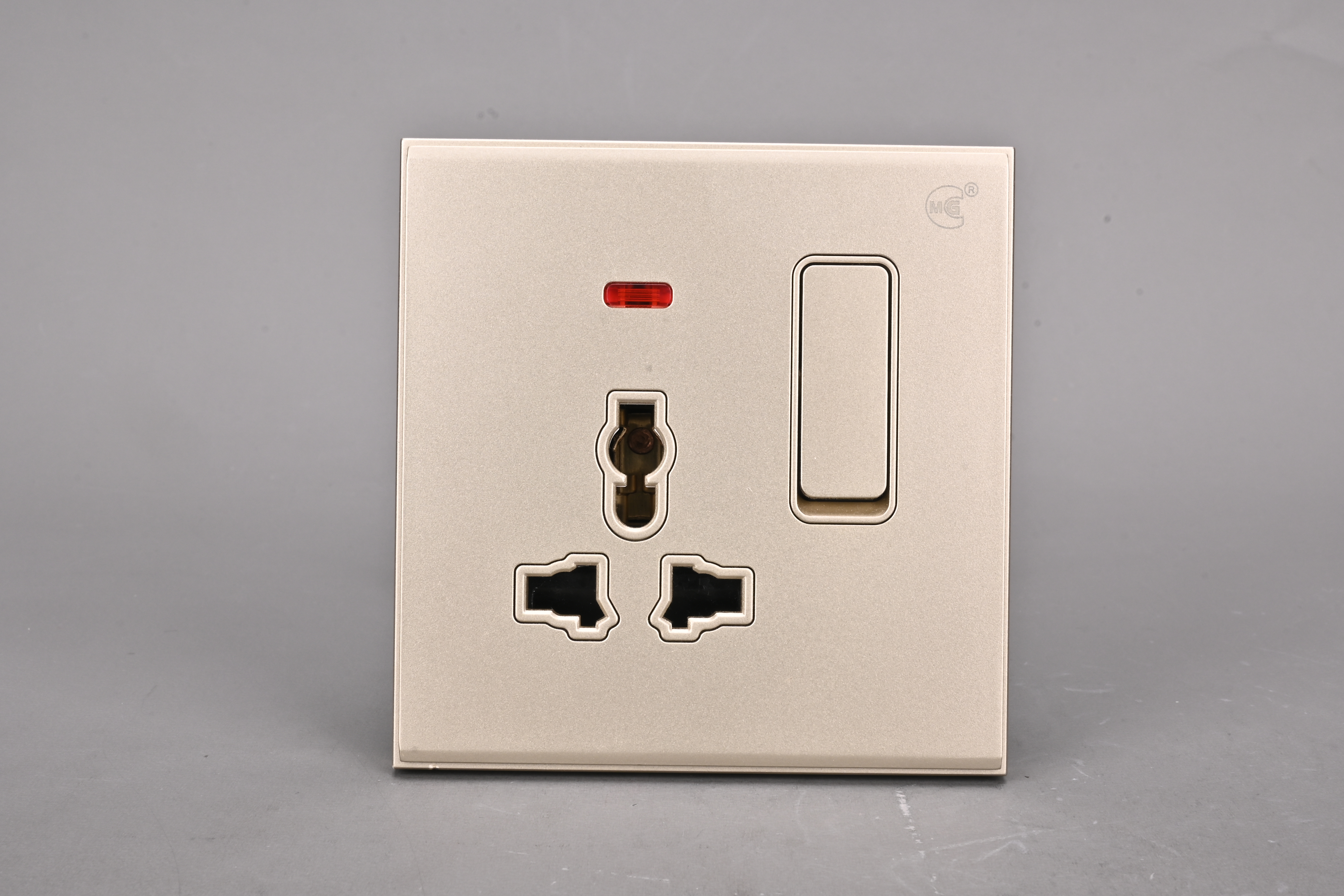
Electrical wiring devices function as the interface between the building's distribution network and its end-user loads, controlling, protecting, and distributing power throughout the structure. These devices range from simple switches and outlets to advanced circuit protection systems and modular distribution units. The quality, durability, and specification of electrical wiring devices directly influence energy efficiency, user safety, and maintenance requirements across the building lifecycle.
Core Types and Functions of Electrical Wiring Devices
Wall-Mounted Switches and Control Devices
Wall-mounted switches represent the most visible category of electrical wiring devices in any building, serving as the primary user interface for lighting control and load management. Modern electrical wiring devices in this category integrate ergonomic design, aesthetic finish options, and advanced switching mechanisms that support various circuit configurations. Single-pole, two-way, and three-way switches are common configurations, each suited to specific architectural layouts and user patterns in residential and commercial spaces.
Contemporary electrical wiring devices now incorporate enhanced durability features, such as electrical wiring devices with copper contacts rated for minimum cycling standards such as EN 60669-1. These electrical wiring devices undergo rigorous testing to ensure contact reliability across tens of thousands of operational cycles, meeting the reliability demands of high-traffic commercial environments and residential installations alike. Panel materials, contact systems, and screw-based installation mechanisms are engineered to withstand temperature fluctuations, humidity variations, and physical wear.
Outlet and Socket Configurations
Electrical outlet devices and socket configurations form the essential connection points where portable equipment and appliances access building power supplies. Standard electrical wiring devices for outlets must comply with regional voltage specifications, grounding requirements, and safety standards such as those mandated in EN 60083 and equivalent international codes. Two-gang, three-gang, and multi-outlet electrical wiring devices accommodate diverse equipment loads across residential kitchens, office workstations, and industrial facilities.
Modern electrical wiring devices in outlet configurations increasingly feature integrated surge protection, USB charging ports, and smart control integration. Safety enhancements in electrical wiring devices include shutter mechanisms to prevent accidental contact, earth-leakage detection, and tamper-resistant designs suitable for child-safe residential installations. The physical dimensions and panel aesthetics of electrical wiring devices must integrate seamlessly into architectural design while maintaining full compliance with safety and performance certifications.
Installation Standards and Compliance Requirements for Electrical Wiring Devices
International Testing and Certification Standards
Electrical wiring devices must satisfy rigorous international and regional testing protocols before deployment in building projects. Standards such as EN 60669-1, IEC 60083, and equivalent regional codes establish minimum performance thresholds for electrical wiring devices, including mechanical endurance, electrical safety, thermal stability, and material compatibility. Compliance certification ensures that electrical wiring devices will perform safely and reliably across their intended design life, typically 10 to 20 years in residential settings and longer in commercial applications.
Testing protocols for electrical wiring devices typically measure contact resistance under load, withstand voltage under fault conditions, and mechanical durability under repeated switching cycles. Electrical wiring devices must demonstrate consistent performance across temperature ranges from minus 5 to plus 40 degrees Celsius in standard residential applications, with extended ranges for climatic extremes in some regions. Certification marks and third-party verification on packaging and documentation provide assurance that electrical wiring devices meet or exceed these mandatory thresholds before installation.
Building Code Integration and Project Specifications
Building codes and project specifications establish mandatory requirements for electrical wiring devices based on occupancy type, fire safety classification, and functional demand. Electrical wiring devices in residential installations must comply with local building codes specifying outlet spacing, circuit protection, and grounding continuity. Commercial and industrial electrical wiring devices face additional requirements for load capacity, emergency shutdown accessibility, and integration with building management systems.
Project architects and electrical engineers specify electrical wiring devices based on functional demand, safety criticality, and aesthetic coordination with interior design elements. The selection of electrical wiring devices includes decisions about panel finish colors, material composition, mounting depth, and terminal configuration to match both technical requirements and design intent. Early specification of electrical wiring devices prevents costly rework, ensures material availability during construction phases, and reduces commissioning delays.
Practical Selection and Installation Guidance for Modern Building Projects
Determining Appropriate Electrical Wiring Devices for Specific Applications
Selecting appropriate electrical wiring devices requires matching device specifications to functional demand, environmental conditions, and user patterns within each building zone. High-traffic commercial corridors demand electrical wiring devices with superior mechanical durability and contact reliability, while guest-accessible areas may prioritize aesthetic integration and standardized configurations. Kitchens, bathrooms, and outdoor areas require electrical wiring devices with moisture resistance, surge protection, and earth-leakage detection to maintain safety in damp environments.
Load capacity represents a critical selection criterion for electrical wiring devices, with ratings typically ranging from 10 amperes in standard residential installations to 16 or 20 amperes in high-demand commercial applications. Electrical wiring devices must be sized to handle maximum simultaneous loads in their circuit zone without voltage drop, thermal stress, or contact degradation. Coordination between electrical wiring devices and upstream circuit protection ensures that fault currents are interrupted safely before device damage or fire risk emerges.
Installation Best Practices and Quality Assurance
Proper installation of electrical wiring devices requires trained electricians who understand local wiring standards, grounding protocols, and safety procedures specific to each region. Electrical wiring devices must be installed at consistent heights and aligned arrangements to enhance visual consistency and user ergonomics across the building. Screw-based terminal connections on electrical wiring devices require appropriate torque specifications to ensure reliable electrical contact without mechanical damage to internal components.
Quality assurance procedures during installation verify that electrical wiring devices function correctly before wall finishes are applied, preventing costly remediation after construction completion. Testing electrical wiring devices includes continuity checks, insulation resistance measurement, and functional operation under load to confirm proper installation. Documentation of electrical wiring devices, including installation dates, testing results, and maintenance schedules, supports long-term facility management and regulatory compliance audits throughout the building lifecycle.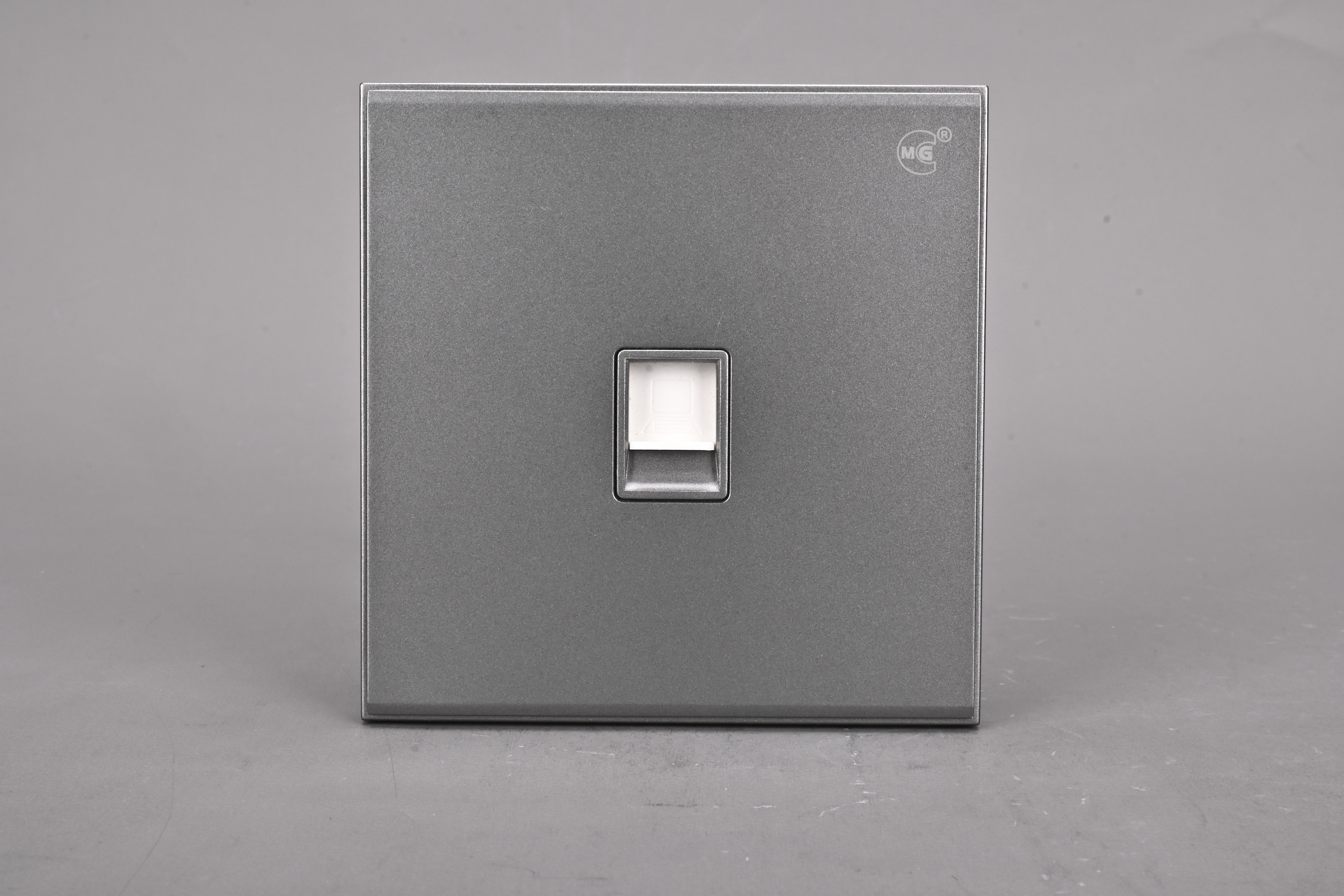
FAQ
What standards must electrical wiring devices meet in modern building projects?
Electrical wiring devices must comply with international standards such as EN 60669-1 for switches, IEC 60083 for plugs and sockets, and regional building codes applicable to the project location. These standards establish minimum mechanical durability, electrical safety, and thermal performance thresholds. Certification marks and third-party verification confirm that electrical wiring devices meet mandatory requirements before installation, ensuring safe operation throughout their design life in residential and commercial buildings.
How do I choose the right electrical wiring devices for a specific building zone?
Selection of electrical wiring devices depends on functional demand, environmental conditions, and expected usage patterns in each building area. High-traffic commercial zones require electrical wiring devices with superior mechanical endurance and contact reliability, while residential areas may prioritize aesthetic integration and standard configurations. Environmental factors such as moisture exposure in kitchens and bathrooms demand electrical wiring devices with moisture resistance and surge protection features, while load capacity must be matched to circuit demand and upstream protection settings.
What are the key installation considerations for electrical wiring devices in construction projects?
Proper installation of electrical wiring devices requires trained electricians who follow local wiring standards and grounding protocols specific to each region. Electrical wiring devices must be mounted at consistent heights, aligned for visual coordination, and connected using appropriate terminal torque specifications to ensure reliable electrical contact. Quality assurance testing during installation, including continuity checks and functional operation under load, verifies correct installation before wall finishes are applied, preventing costly remediation and ensuring safety compliance throughout the building lifecycle.