
 EN
EN
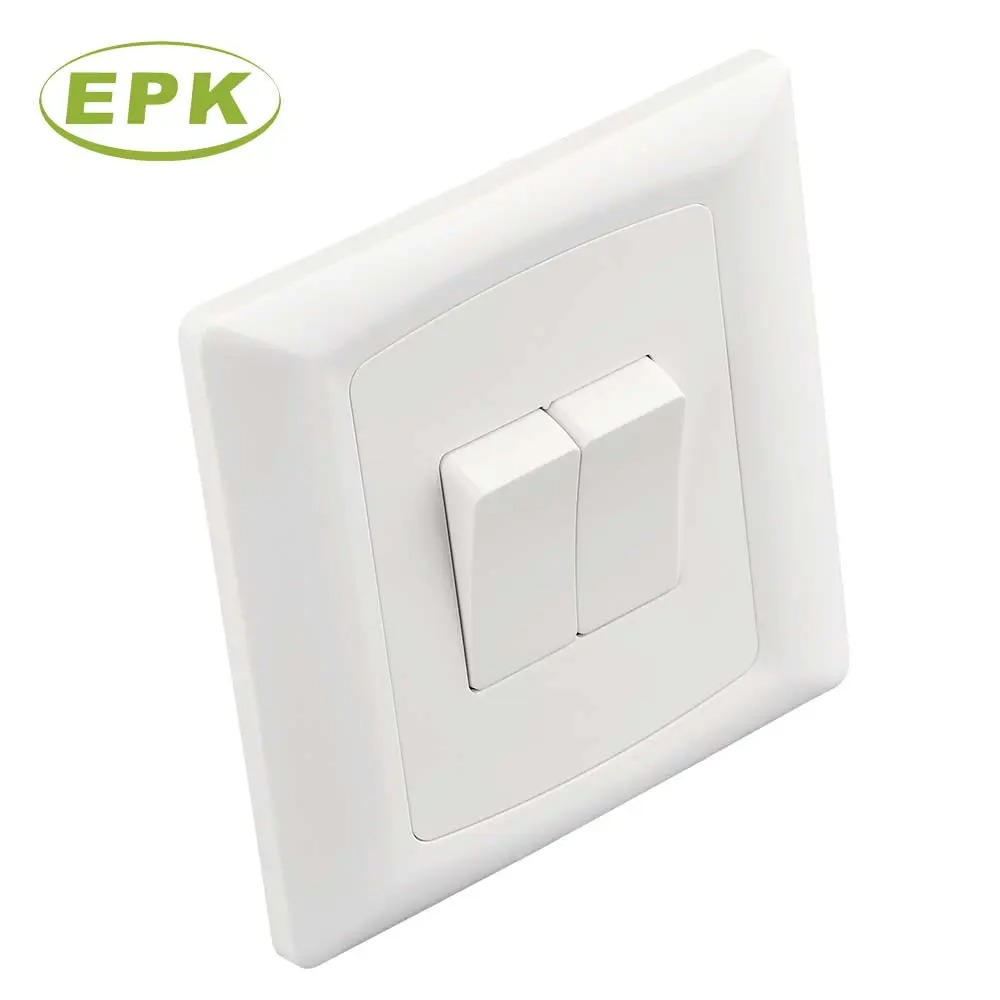
Selecting the right electrical components for original equipment manufacturer (OEM) and private label projects requires more than functional performance—it demands regulatory compliance and quality assurance that international markets expect. CE certified wall switches represent a critical investment in product credibility, market access, and operational risk reduction. For manufacturers planning to distribute products across European Union markets and beyond, understanding the role and benefits of CE certified wall switches is essential to project success and customer confidence.
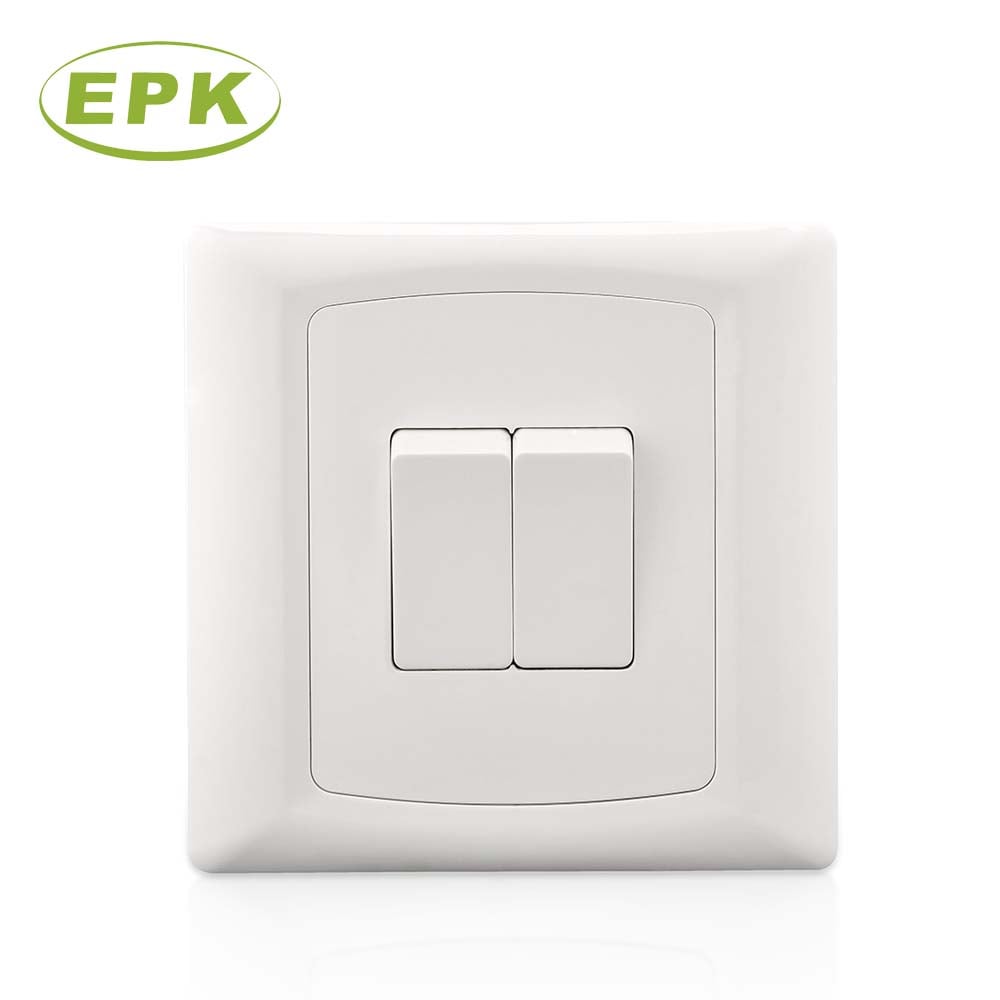
The integration of CE certified wall switches into OEM product lines signals commitment to safety, performance consistency, and compliance with international electrical standards. Unlike generic switches without certification, CE certified wall switches have undergone rigorous testing protocols and documentation procedures that demonstrate adherence to essential health and safety requirements. This certification pathway transforms how manufacturers approach product design, sourcing, quality control, and market positioning.
Understanding CE Certification for Wall Switches
The Core of CE Certification
CE certification, derived from the French 'Conformité Européenne,' certifies that a product meets EU regulatory requirements for safety, electromagnetic compatibility, and performance standards. CE certified wall switches must comply with EN 60669-1 standards, which establish minimum requirements for electronic switches used in residential and commercial building environments. When you source CE certified wall switches for OEM applications, you gain documented proof that each switch has been tested, inspected, and approved for distribution throughout European Economic Area markets and regions that recognize EU compliance frameworks.
Regulatory Requirements and Testing Standards
CE certified wall switches undergo specific testing to verify electrical safety, mechanical durability, and operational reliability. Testing protocols evaluate contact resistance, electrical endurance measured in switching cycles, temperature stability, and resistance to environmental stress. Most CE certified wall switches must demonstrate mechanical reliability over a minimum threshold—typically 20,000 switching cycles—to ensure longevity in residential and commercial applications. For OEM projects, this testing data provides material evidence of product quality that can be included in technical documentation, warranty claims, and regulatory submissions.
Benefits of CE Certified Wall Switches for OEM Manufacturers
Market Access and Regulatory Compliance
Incorporating CE certified wall switches into OEM product lines directly enables access to European Union markets and regions that legally require CE certification for electrical equipment. Rather than undertaking complex and costly certification processes independently, OEM manufacturers can source pre-certified components and reduce time-to-market significantly. CE certified wall switches eliminate the need to conduct separate conformity assessments, test reports, and technical file documentation for each individual switch variant. This approach reduces regulatory risk, accelerates product launch timelines, and simplifies compliance obligations across multiple markets.
Quality Assurance and Operational Risk Mitigation
CE certified wall switches come with traceable quality records, technical specifications, and conformity declarations from suppliers. These documented standards create accountability throughout the supply chain and reduce liability exposure for OEM manufacturers. When product defects or field failures occur, having CE certified wall switches backed by third-party testing reports provides evidence of due diligence and appropriate component selection. For private label projects where brand reputation depends on product reliability, CE certified wall switches deliver the assurance needed to support warranty programs and customer satisfaction commitments.
Cost Efficiency and Supplier Reliability
Sourcing CE certified wall switches from established suppliers reduces internal testing expenses and certification overhead. Rather than investing in laboratory equipment, technical expertise, and regulatory consulting, OEM manufacturers can leverage supplier certifications and streamline component procurement. CE certified wall switches typically come with standardized technical documentation, safety data, and performance guarantees that simplify design integration and quality control processes. This efficiency translates into lower total project costs and faster product development cycles for time-sensitive OEM initiatives.
Practical Implementation for OEM and Private Label Projects
Component Selection and Specification
When evaluating CE certified wall switches for OEM applications, manufacturers should verify that specific product variants meet their electrical requirements, voltage ratings, contact ratings, and mechanical specifications. CE certified wall switches are available in multiple configurations—single-gang and multi-gang assemblies, various contact materials including copper contacts, and installation options ranging from screwed to push-in terminals. OEM designers must confirm that selected CE certified wall switches align with intended mounting systems, panel dimensions, and electrical load specifications before finalizing component sourcing decisions. Technical datasheets for CE certified wall switches should clearly identify voltage ratings (such as 220-250V AC), amperage ratings (such as 10A), and applicable safety standards (such as EN 60669-1) to ensure proper specification matching.
Quality Control and Supply Chain Integration
Integrating CE certified wall switches into OEM manufacturing requires establishing supplier quality agreements, batch testing protocols, and incoming inspection procedures. Even certified components benefit from verification testing to confirm that received batches meet specified performance parameters. Private label manufacturers should implement traceability systems that connect CE certified wall switches to finished products, enabling rapid identification and remediation if supply chain issues emerge. Documentation retention becomes critical—maintaining copies of supplier conformity declarations, test certificates, and batch records supports warranty administration and regulatory defense if questions arise after product distribution.
Documentation and Regulatory File Maintenance
OEM and private label projects using CE certified wall switches must maintain comprehensive technical documentation that supports CE marking compliance for finished products. This documentation should include component-level certifications for CE certified wall switches, circuit design documentation, assembly procedures, and final product testing records. When an OEM product incorporates CE certified wall switches as a core electrical component, the finished product inherits compliance evidence from certified components, reducing the scope of independent testing required for overall product certification. Regulatory files should be organized and accessible for regulatory inspections, customer audits, and potential market surveillance activities.
FAQ
What specific standards do CE certified wall switches meet?
CE certified wall switches typically comply with EN 60669-1, which establishes electronic switch safety requirements for residential and commercial building applications. This standard addresses electrical safety, mechanical durability, temperature stability, and operational reliability. Many CE certified wall switches also meet electromagnetic compatibility directives and relevant low-voltage equipment regulations, depending on their specific design and application context. Suppliers should provide detailed standard references in their technical documentation to confirm which regulations apply to your selected CE certified wall switches.
Can CE certified wall switches be used for private label product development?
Yes, CE certified wall switches are ideal for private label manufacturing because they provide pre-validated component safety and compliance. By sourcing CE certified wall switches from qualified suppliers, private label manufacturers significantly reduce certification complexity for their own finished products. The component-level certification evidence supports the OEM's conformity assessment and reduces independent testing requirements. This approach allows private label brands to maintain rigorous quality standards while accelerating product development and market entry timelines.
How do I verify that wall switches have genuine CE certification?
Genuine CE certified wall switches should be accompanied by supplier conformity declarations, technical files, and test certificates from recognized laboratories or notified bodies. Request detailed documentation including standard compliance statements, test reports, and traceability information before committing to component sourcing decisions. Reputable suppliers of CE certified wall switches maintain transparent documentation practices and provide clear references to applicable standards and testing procedures. Verify supplier credentials and ask for references from established OEM customers who have successfully integrated their CE certified wall switches into production environments.