
 EN
EN
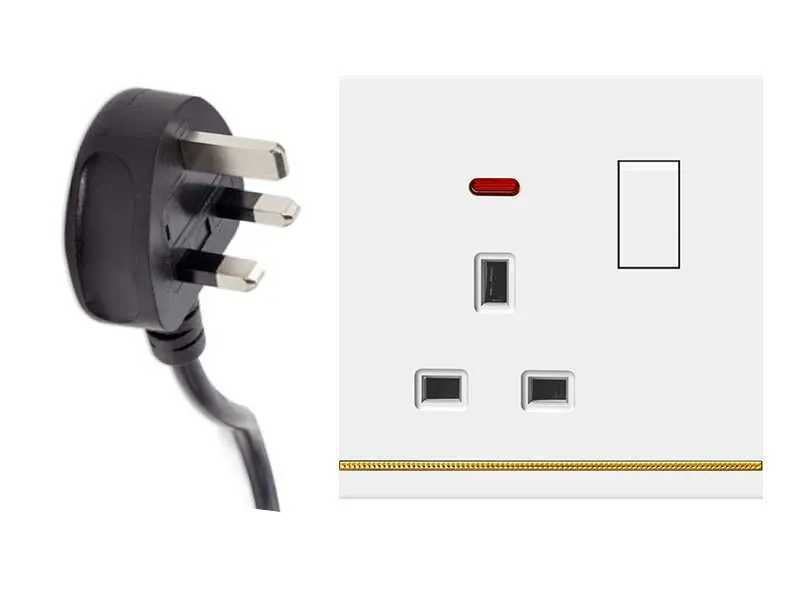
Electrical safety in any building depends on equipment that meets rigorous standards and regulations. British standard sockets form the backbone of compliant electrical installations across the United Kingdom and many other countries that adopt BS specifications. These sockets are not simply convenient connection points; they are engineered devices designed to prevent electrical hazards, protect users from shock, and ensure that circuits operate safely under normal and fault conditions. Understanding how british standard sockets support electrical compliance helps facilities managers, electricians, and property owners make informed decisions about installation, maintenance, and upgrades.
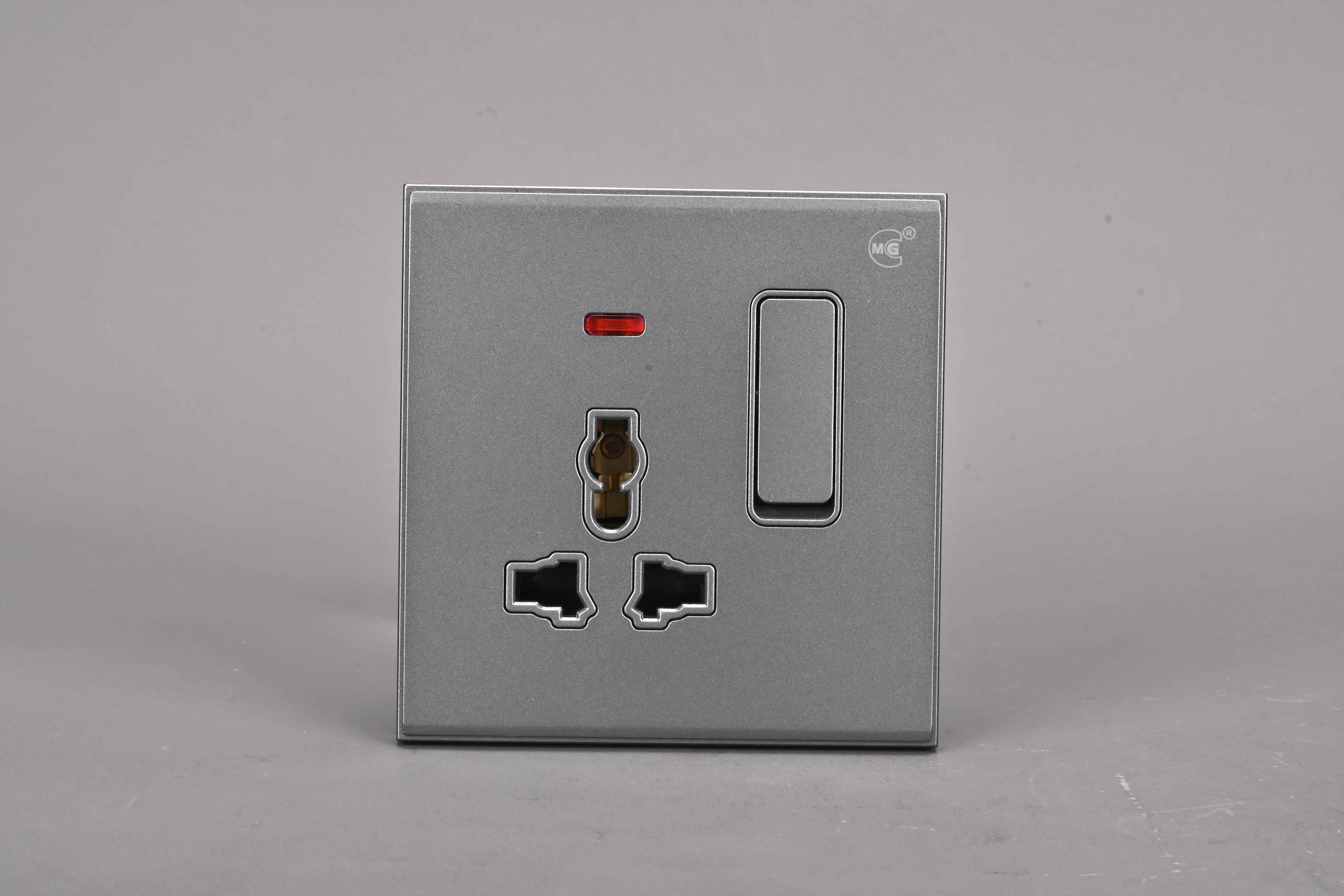
The role of british standard sockets extends beyond providing a physical connection between appliances and power supplies. These sockets embody decades of research, testing, and regulatory refinement that address real-world electrical risks. Compliance with british standard sockets means adhering to BS 1363, a comprehensive specification that covers dimensions, electrical performance, safety shutters, earthing mechanisms, and material durability. When installations incorporate genuine british standard sockets, they satisfy building regulations, insurance requirements, and the expectations of modern electrical safety codes that protect occupants and property.
Core Safety Features of British Standard Sockets
Integrated Shuttered Technology
A defining feature of british standard sockets is the mandatory shutter mechanism that prevents accidental contact with live terminals. When no plug is inserted, the shutters remain closed, blocking direct access to the electrical contacts. This design is particularly important in homes with children or in workplaces where general staff may not be trained in electrical safety. The british standard sockets specification requires these shutters to be mechanically sound, smooth in operation, and capable of withstanding repeated use over the lifetime of the socket. This protective layer significantly reduces the risk of electric shock, which remains one of the most common electrical hazards in buildings.
Robust Earthing and Grounding Systems
British standard sockets incorporate a dedicated earthing contact that connects equipment casings to ground, providing a critical safety path for fault currents. This earthing contact is longer than the live and neutral pins, ensuring it makes electrical connection before the live pins do during insertion. If a fault develops in an appliance, this earthing conductor allows dangerous current to flow safely to ground rather than through a user's body. Many modern british standard sockets include enhanced earthing designs that accommodate both round and flat pin configurations, broadening compatibility while maintaining safety. The earthing requirement embedded in british standard sockets reflects decades of experience with electrical accidents and demonstrates why this standard remains non-negotiable in electrical compliance frameworks.
Meeting Building Regulations and Electrical Standards
Alignment with BS 1363 and Electrical Installation Work
Building Regulations in England, Scotland, Wales, and Northern Ireland all reference british standard sockets as the baseline for residential and commercial electrical installations. When an electrician installs british standard sockets according to BS 1363 and related codes of practice, the installation automatically satisfies the safety requirements specified in the Building Regulations Part P. This alignment means that facilities managers can confidently specify british standard sockets without fear of regulatory violations or failed inspections. Additionally, insurers and mortgage lenders often require evidence that electrical work meets these standards, and british standard sockets provide that documented proof. Using non-compliant sockets, by contrast, can void warranties, breach insurance policies, and create liability exposure for property owners and managers.
Compliance Documentation and Testing
Authentic british standard sockets carry certification marks that demonstrate they have undergone rigorous third-party testing and quality control. These marks confirm that the sockets have been tested for electrical continuity, insulation resistance, voltage drop, mechanical durability, and flammability. Electrical contractors and facilities teams should always verify that newly installed british standard sockets carry appropriate certification, such as the KEMA or BSI mark, indicating compliance with BS 1363. This documentation trail proves to building inspectors, insurance companies, and future buyers that electrical infrastructure meets recognized safety standards. When maintenance or upgrades occur, specifying certified british standard sockets ensures continuity of compliance and protects the building's electrical safety record.
Practical Installation and Maintenance Considerations
Design Standards That Support Safe Installation
The physical dimensions, terminal spacing, and mechanical tolerances built into british standard sockets ensure compatibility with properly designed plugs and reduce installation errors. Electricians trained to work with british standard sockets benefit from standardized specifications that make the work predictable and repeatable. The sockets' mounting arrangements, cable entry points, and enclosure design have been optimized to accommodate standard wiring practices and support durable, professional installations. When british standard sockets are installed in properly sized backboxes with appropriate cable management, the result is an electrical installation that functions reliably and safely for decades. This inherent design quality means that compliance with british standard sockets is not a burdensome requirement but rather a rational, practical approach to electrical infrastructure that simplifies training, reduces mistakes, and lowers long-term maintenance costs.
Long-Term Safety and Lifecycle Management
Over the life of a building, electrical outlets experience millions of plug insertions, environmental stresses, and wear cycles. British standard sockets are engineered to tolerate this cumulative stress without degrading safety features. The contact materials, spring mechanisms, and shutter systems in compliant sockets maintain their performance across the expected service life, whereas substandard or counterfeit products may degrade rapidly, leading to loose connections, arcing, and fire risk. Facilities managers who maintain british standard sockets through periodic inspection and timely replacement prevent electrical faults that could damage equipment or endanger occupants. This lifecycle perspective reinforces why investing in genuine british standard sockets is a cost-effective strategy that reduces emergency repairs, prevents insurance claims, and protects property and life.
FAQ
Why are british standard sockets required for building compliance?
British standard sockets are required because they meet BS 1363 and related safety specifications that form the foundation of Building Regulations. These standards address electrical hazards such as shock, arc, and fire, and they have been validated through decades of field experience and research. Regulatory bodies, insurers, and lenders all expect electrical installations to incorporate british standard sockets because they provide proven protection and documented compliance. Using non-compliant sockets violates Building Regulations, risks insurance denial, and exposes property owners to legal liability if an accident occurs.
How do british standard sockets protect against electrical shock?
British standard sockets incorporate multiple protective layers: shuttered contacts that block access to live terminals until a plug is fully inserted, robust earthing that safely diverts fault currents away from users, and high-quality insulation and mechanical design that prevents accidental bridging of electrical contacts. The shutters are a key defense against accidental contact, while the earthing system protects against faults within appliances. Together, these features embedded in british standard sockets greatly reduce the probability and severity of electrical shock in normal use and under many fault conditions.
Can older electrical installations upgrade to british standard sockets?
Yes, older installations can be upgraded to modern british standard sockets, though the process depends on the existing wiring and backboxes. In many cases, if the wiring is still sound and properly grounded, electricians can replace old outlets with new compliant british standard sockets without major rewiring. However, older installations may lack proper earthing or have deteriorated wiring that requires comprehensive upgrades. A qualified electrician should inspect the installation to determine whether simple socket replacement or more extensive work is needed to achieve full compliance with british standard sockets and current Building Regulations.