
 EN
EN
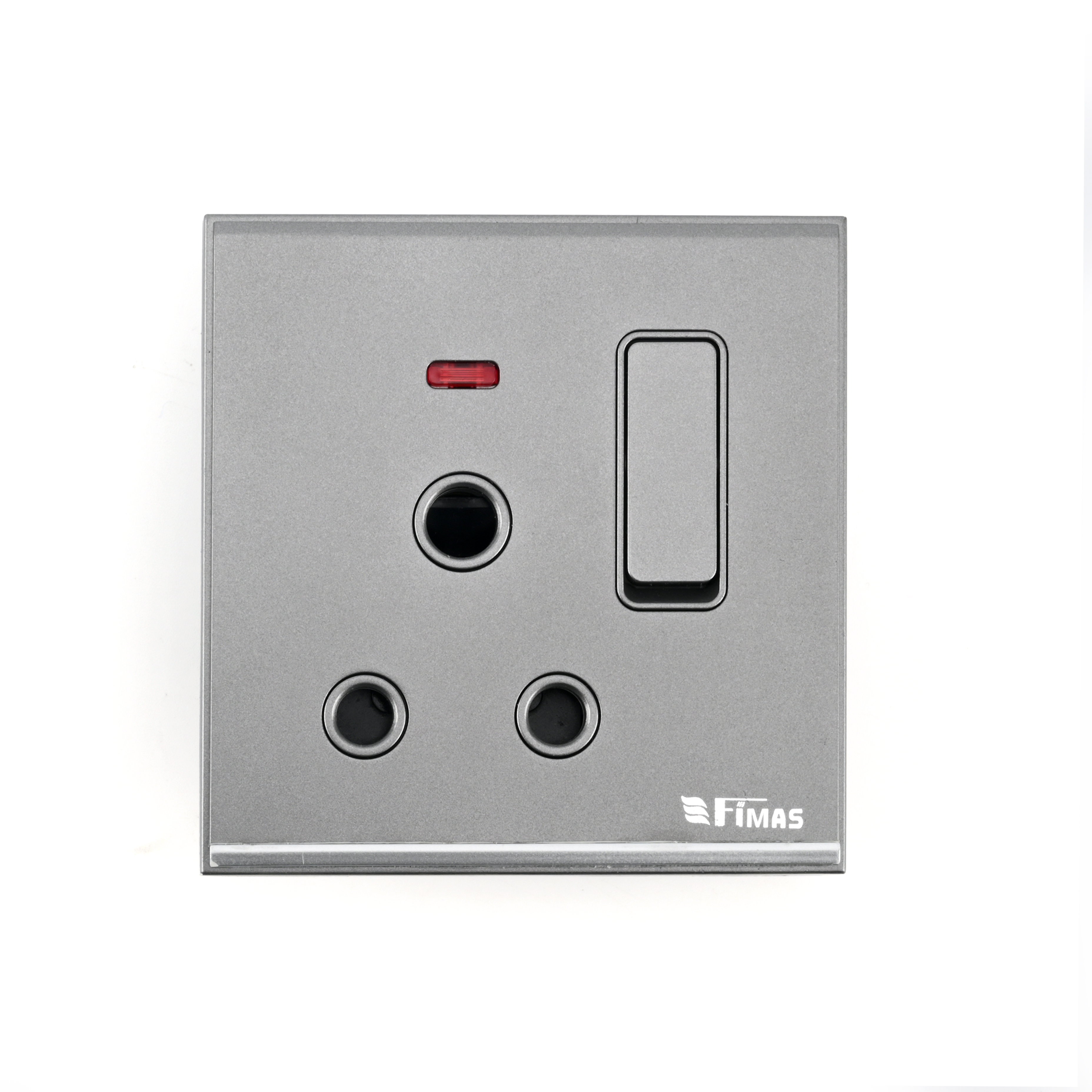
British standard sockets represent one of the most critical components in modern electrical infrastructure across the United Kingdom and Commonwealth nations. The manufacturing quality of british standard sockets directly impacts electrical safety, device compatibility, and long-term reliability in residential and commercial installations. Understanding the key manufacturing quality factors that define british standard sockets ensures that electrical professionals, builders, and facilities managers source products that meet rigorous performance and safety benchmarks. Manufacturing excellence in british standard sockets involves precision engineering, material selection, rigorous testing protocols, and strict adherence to regulatory frameworks that govern electrical safety standards.
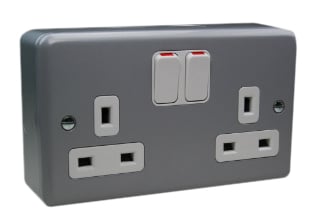
The manufacturing standards governing british standard sockets have evolved over decades to address evolving electrical demands, environmental conditions, and safety concerns. Modern british standard sockets must comply with BS 1363, the authoritative British Standard that specifies dimensional accuracy, electrical performance, mechanical durability, and thermal stability. Quality manufacturers of british standard sockets invest heavily in precision tooling, material science, quality control systems, and compliance verification to deliver products that consistently exceed baseline safety requirements. This article explores the fundamental manufacturing quality factors that distinguish superior british standard sockets from substandard alternatives, enabling informed procurement decisions and optimal electrical system performance.
Material Selection and Durability Standards
Bakelite and Thermoplastic Housing Materials
The housing material used in british standard sockets significantly influences durability, flame resistance, and aesthetic consistency. Premium british standard sockets typically utilize high-grade bakelite, a thermosetting plastic renowned for exceptional heat resistance, dimensional stability, and flame retardant properties. Bakelite housing in british standard sockets withstands prolonged exposure to heat generated by connected devices without warping, discoloring, or losing mechanical integrity. Thermoplastic alternatives used in certain british standard sockets applications offer cost advantages but require careful formulation to achieve adequate flame ratings and thermal stability under sustained electrical loads.
Copper and Brass Contact Systems
Contact materials represent a critical quality differentiator in british standard sockets manufacturing. High-quality british standard sockets employ solid brass or beryllium copper contacts that resist corrosion, maintain consistent electrical conductivity, and provide reliable engagement with device plugs across thousands of insertion cycles. The thickness and composition of contacts in British standard sockets directly affect current-carrying capacity, heat dissipation, and resistance to intermittent contact failures that cause electrical arcing and fire hazards. Manufacturers of premium british standard sockets implement multi-stage contact finishing processes, including silver plating or nickel underlays, to enhance conductivity and prevent oxidation degradation over years of operational exposure.
Manufacturing Precision and Dimensional Compliance
Tolerance Control and Socket Geometry
BS 1363 establishes strict dimensional tolerances for socket opening geometry, contact spacing, and overall housing dimensions that ensure universal plug compatibility and safe electrical engagement. Quality british standard sockets manufacturers maintain tolerance ranges within 0.1 millimeters across socket openings, contact pin positions, and earthing clips to guarantee reliable plug insertion and secure mechanical connections. Precision injection molding equipment and computer-controlled tooling used in advanced british standard sockets facilities enables consistent dimensional accuracy across production batches, eliminating mechanical fit issues that compromise electrical safety. Regular dimensional verification through coordinate measuring machines and automated inspection systems ensures that every batch of british standard sockets meets exacting compliance specifications.
Mechanical Strength and Impact Resistance
The structural integrity of british standard sockets housing must withstand mechanical stress from daily plug insertion, removal, and occasional impacts from facility maintenance activities. Quality manufacturing processes for british standard sockets incorporate reinforced internal ribbing, optimized wall thickness, and material composition that provides impact resistance without compromising dimensional stability or electrical performance. Impact testing of british standard sockets samples verifies that housing materials absorb mechanical shock without cracking, splintering, or developing fractures that expose internal conductors and create electrical hazards. High-performance british standard sockets demonstrate consistent mechanical durability across temperature extremes, humidity variations, and mechanical stress cycles that simulate years of normal operational service.
Electrical Performance and Safety Testing Protocols
Current Rating and Thermal Performance
Standard british standard sockets are engineered to safely handle 13 amperes at 230-250 volts, with manufacturing processes that verify current-carrying capacity and thermal stability under maximum rated load conditions. Quality british standard sockets manufacturers conduct heat-cycle testing that measures contact temperature rise, housing surface temperature, and internal component stability when operating at rated current for extended periods. Thermal imaging and temperature sensors applied to british standard sockets test samples identify potential hotspots, contact degradation patterns, and material weakening that could compromise safety during normal use. Rigorous thermal testing ensures that british standard sockets maintain electrical performance and mechanical integrity even during continuous operation under peak electrical loads.
Insulation Resistance and Electrical Safety
Electrical safety in british standard sockets depends on consistent insulation resistance across housing materials, contact assemblies, and internal structural components that separate live conductors from external touch points. Premium british standard sockets manufacturing incorporates high-dielectric-strength materials, strategic component spacing, and comprehensive isolation design that exceeds BS 1363 minimum insulation requirements. Insulation resistance testing of british standard sockets samples measures leakage current, breakdown voltage, and dielectric strength through standardized electrical test sequences that simulate worst-case environmental conditions including humidity, salt exposure, and temperature extremes. Leading manufacturers of british standard sockets implement 100 percent electrical testing of finished products, ensuring that every unit meets precise insulation standards before distribution.
Manufacturing Compliance and Quality Assurance Systems
BS 1363 Certification and Regulatory Compliance
British standard sockets must comply with BS 1363 electrical safety standards, which specify performance requirements, testing protocols, and mandatory safety features including earthing contact protection and shutter mechanisms. Advanced british standard sockets manufacturers maintain detailed technical documentation, test reports, and compliance verification records that demonstrate consistent adherence to regulatory requirements throughout production. Third-party certification bodies conduct periodic audits of british standard sockets manufacturing facilities, verifying that production processes, material sourcing, quality control procedures, and testing systems consistently deliver compliant products. Certification markings displayed on premium british standard sockets provide end-users with visible assurance that products have undergone rigorous compliance verification and meet authoritative electrical safety standards.
Quality Control and Statistical Process Management
Systematic quality control in british standard sockets manufacturing involves statistical process monitoring, ongoing testing of production samples, and documented corrective action procedures that maintain consistent quality across large production volumes. Modern british standard sockets manufacturers employ automated vision systems that verify housing finish, contact alignment, and assembly completeness for every unit produced, eliminating manual inspection variability. Statistical quality control of british standard sockets production tracks key performance metrics including dimensional accuracy, contact resistance, insulation values, and mechanical durability across production batches, enabling rapid identification of process drift or material inconsistencies. Continuous improvement programs implemented by quality-focused british standard sockets manufacturers systematically reduce defect rates, enhance reliability margins, and optimize manufacturing efficiency while maintaining or exceeding established safety standards.
FAQ
What specific manufacturing standards apply to british standard sockets?
British standard sockets must comply with BS 1363, the authoritative British Standard that specifies dimensional accuracy, electrical performance, mechanical durability, contact materials, insulation resistance, current ratings, thermal stability, and mandatory safety features. BS 1363 also mandates earthing contact protection, shutter mechanisms that prevent accidental contact with live conductors, and rigorous testing protocols that verify safe operation under normal and fault conditions. Leading manufacturers of british standard sockets maintain detailed compliance documentation and undergo periodic third-party certification audits to demonstrate ongoing adherence to these demanding regulatory requirements.
How do material choices affect the quality of british standard sockets?
Material selection profoundly influences british standard sockets performance, durability, and safety characteristics. Premium british standard sockets utilize high-grade bakelite housing for superior heat resistance and dimensional stability, combined with solid brass or beryllium copper contacts that resist corrosion and maintain consistent electrical conductivity throughout years of use. Contact finishing processes including silver plating enhance conductivity and oxidation resistance in quality british standard sockets, while inferior alternatives using low-grade plastics and thin contact materials exhibit accelerated degradation, higher contact resistance, and increased fire hazard risks during normal operation.
What testing procedures ensure british standard sockets manufacturing quality?
Quality british standard sockets manufacturers implement comprehensive testing protocols including dimensional verification through coordinate measuring machines, thermal cycling tests that evaluate housing and contact stability, insulation resistance measurements, current-carrying capacity verification, mechanical impact resistance testing, and 100 percent electrical testing of finished products. Statistical process monitoring tracks key performance metrics across production batches, enabling rapid identification of process deviations or material inconsistencies that could compromise british standard sockets safety or performance. Third-party certification bodies conduct periodic facility audits and product testing to verify that manufacturing processes consistently deliver compliant british standard sockets that meet BS 1363 requirements and exceed baseline safety expectations.