
 EN
EN
Large-scale construction projects across the Middle East demand electrical infrastructure that combines durability, safety compliance, and operational reliability. Selecting appropriate middle east electrical switches and sockets requires understanding regional standards, environmental challenges, and project-specific requirements. This comprehensive guide examines the critical factors that influence middle east electrical switches and sockets selection for commercial buildings, industrial facilities, and mixed-use developments throughout the region.
The unique climate conditions, regulatory frameworks, and installation environments found across Middle Eastern countries create distinct requirements for middle east electrical switches and sockets. High ambient temperatures, dust exposure, and corrosive coastal atmospheres influence material selection and product specifications. Understanding these regional factors ensures that middle east electrical switches and sockets deliver consistent performance throughout their operational lifespan while meeting local electrical codes and international safety standards.
Regional Standards and Compliance Requirements
Middle East Electrical Codes and Certifications
Middle east electrical switches and sockets must comply with various national electrical codes that often reference British Standards, International Electrotechnical Commission guidelines, or Gulf Cooperation Council technical regulations. Countries including the United Arab Emirates, Saudi Arabia, Qatar, Kuwait, Bahrain, and Oman have established electrical safety frameworks that govern middle east electrical switches and sockets installation. Many jurisdictions require third-party certification from recognized testing laboratories before middle east electrical switches and sockets can be legally installed in commercial or residential properties.
The certification process for middle east electrical switches and sockets typically includes fire resistance testing, contact durability verification, and insulation resistance measurements. Products meeting BS EN 60669-1 standards demonstrate compliance with essential safety requirements applicable to middle east electrical switches and sockets. Contractors and facility managers should verify that middle east electrical switches and sockets carry appropriate certification marks and documentation before procurement to avoid project delays or compliance issues during final inspection stages.
Voltage and Frequency Compatibility
Most Middle Eastern countries operate on 220-240V AC electrical systems with 50Hz frequency, requiring middle east electrical switches and sockets rated for these parameters. middle east electrical switches and sockets designed for this voltage range ensure safe operation without overheating or premature failure. Current ratings for middle east electrical switches and sockets typically range from 10A to 16A depending on the intended application, with higher amperage options available for specialized industrial installations requiring middle east electrical switches and sockets with enhanced capacity.
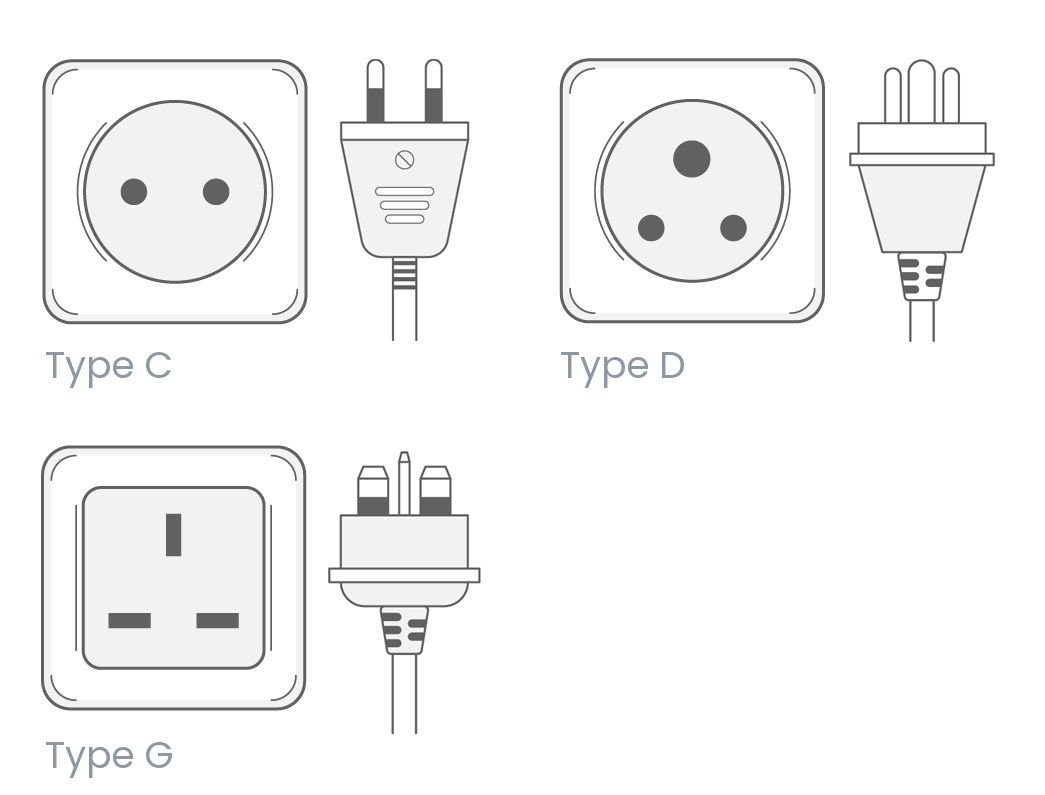
Compatibility considerations extend beyond voltage ratings when selecting middle east electrical switches and sockets. Socket outlet configurations must accommodate the plug types commonly used throughout the region, with Type G plugs being prevalent in Gulf Cooperation Council countries. Ensuring that middle east electrical switches and sockets match local plug standards prevents compatibility issues and eliminates the need for adapters that compromise electrical safety. For multinational facilities or hotels serving international visitors, universal socket designs provide flexibility while maintaining the safety characteristics essential for middle east electrical switches and sockets.
Environmental and Durability Considerations
Climate Resilience for Middle East Conditions
The harsh environmental conditions found across the Middle East demand that middle east electrical switches and sockets incorporate materials resistant to thermal stress, ultraviolet degradation, and moisture ingress. Summer temperatures frequently exceed 45°C in many regions, creating thermal expansion challenges for middle east electrical switches and sockets manufactured from inferior plastics or metals. High-quality polycarbonate panels used in premium middle east electrical switches and sockets maintain dimensional stability and electrical insulation properties even under sustained heat exposure.
Coastal installations face additional challenges from salt-laden air that accelerates corrosion of metal components within middle east electrical switches and sockets. Copper contacts and brass terminals used in quality middle east electrical switches and sockets resist oxidation better than aluminum alternatives, ensuring reliable electrical conductivity throughout the product lifecycle. The internal mechanisms of middle east electrical switches and sockets should incorporate corrosion-resistant materials to prevent contact degradation that leads to arcing, overheating, or complete failure in humid coastal environments.
Dust and Particulate Protection
Desert environments throughout the Middle East expose electrical infrastructure to fine dust particles that infiltrate poorly sealed middle east electrical switches and sockets. Ingress protection ratings indicate the degree to which middle east electrical switches and sockets resist dust and moisture penetration. For most indoor applications, middle east electrical switches and sockets with IP20 rating provide adequate protection, while outdoor or industrial installations may require middle east electrical switches and sockets with IP44 or higher ratings.
The gasket seals and tight tolerances engineered into quality middle east electrical switches and sockets prevent dust accumulation on contact surfaces that could compromise electrical continuity. During sandstorm events common in certain Middle Eastern regions, airborne particulates can penetrate building envelopes and reach electrical installations. Specifying middle east electrical switches and sockets with enhanced sealing characteristics reduces maintenance requirements and extends operational lifespan in these challenging conditions. Regular inspection schedules should assess whether middle east electrical switches and sockets maintain their protective seals after years of thermal cycling and mechanical operation.
Selection Criteria for Large-Scale Projects
Lifecycle Cost Analysis
Initial procurement costs represent only a fraction of the total ownership expenses associated with middle east electrical switches and sockets across large projects. Facilities managers should evaluate middle east electrical switches and sockets based on expected operational lifespan, maintenance requirements, and replacement frequency. Premium middle east electrical switches and sockets featuring copper contacts and robust mechanical assemblies typically achieve 20,000 operational cycles or more, substantially reducing replacement labor costs compared to economy-grade middle east electrical switches and sockets that fail prematurely.
Energy efficiency considerations influence the selection of middle east electrical switches and sockets for projects implementing building management systems or automated lighting controls. Smart middle east electrical switches and sockets with integrated occupancy sensors or dimming capabilities enable energy consumption optimization while maintaining the reliability expected from commercial-grade middle east electrical switches and sockets. The return on investment for technologically advanced middle east electrical switches and sockets becomes evident through reduced utility expenses and enhanced occupant comfort in hospitality, healthcare, and corporate office environments.
Aesthetic Integration and Design Flexibility
Contemporary Middle Eastern architecture emphasizes visual sophistication, requiring middle east electrical switches and sockets that complement interior design schemes without compromising functionality. Modular middle east electrical switches and sockets systems allow designers to configure multi-gang arrangements matching specific room layouts and control requirements. The availability of middle east electrical switches and sockets in various finish options including brushed metal, matte colors, and glass panels ensures aesthetic consistency across luxury residential and commercial installations.
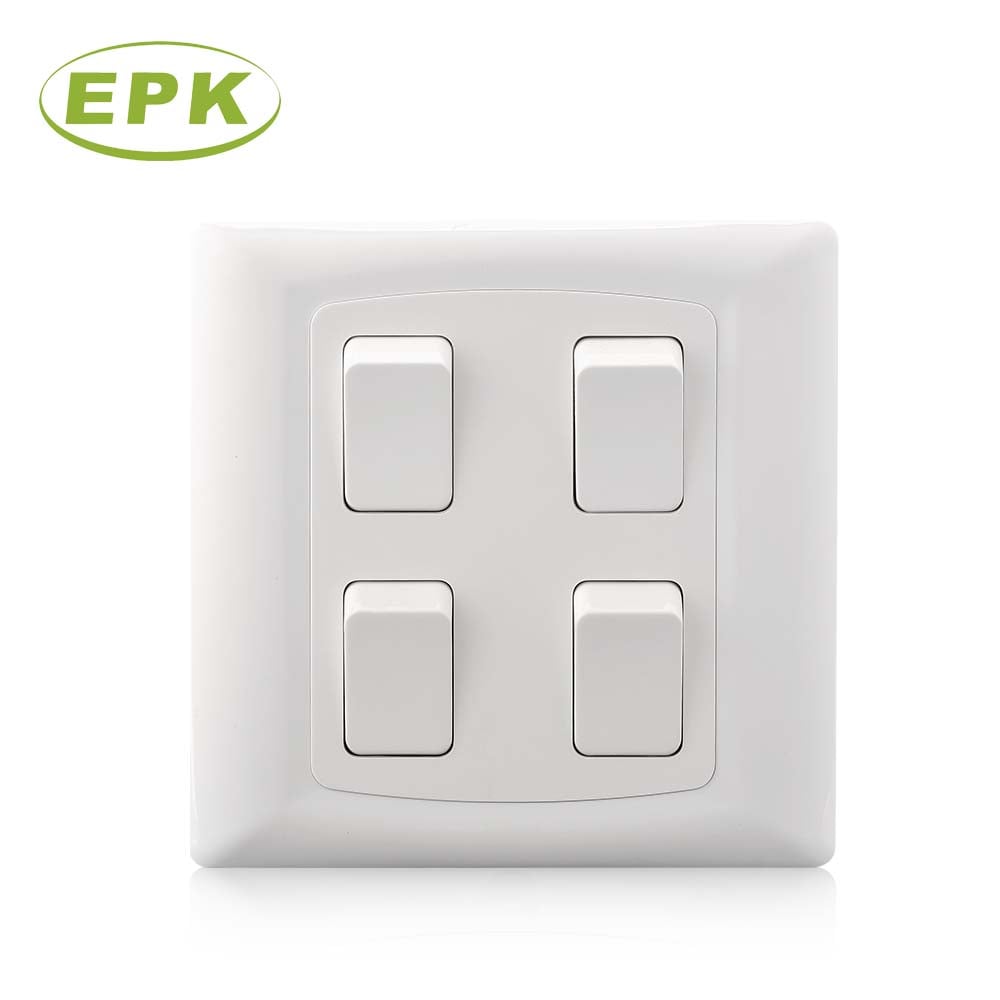
Gang configurations for middle east electrical switches and sockets should align with lighting circuit design and power distribution planning during the electrical schematic development phase. Four-gang middle east electrical switches and sockets provide flexible control options for conference rooms or master bedroom suites requiring independent control of multiple lighting zones. The standardized 86mm x 86mm mounting dimensions used by quality middle east electrical switches and sockets simplify installation planning and ensure compatibility with international electrical box standards common throughout the Middle East.
FAQ
What voltage rating should middle east electrical switches and sockets have for standard commercial applications?
Middle east electrical switches and sockets for commercial applications should be rated for 220-250V AC operation with minimum 10A current capacity. This voltage range accommodates the electrical systems used throughout Gulf Cooperation Council countries and ensures safe operation under normal and transient voltage conditions. Higher current ratings may be necessary for middle east electrical switches and sockets controlling heavy loads or multiple connected devices.
How does climate affect the performance of middle east electrical switches and sockets?
Extreme heat, humidity, and dust exposure significantly impact middle east electrical switches and sockets performance. High temperatures cause thermal expansion in inferior materials, while coastal humidity accelerates corrosion of metal contacts. Quality middle east electrical switches and sockets incorporate polycarbonate panels and copper contacts that resist these environmental stresses, maintaining reliable operation throughout their design lifespan in challenging Middle Eastern conditions.
What certifications are required for middle east electrical switches and sockets in large projects?
Middle east electrical switches and sockets typically require certification demonstrating compliance with BS EN 60669-1 standards or equivalent regional electrical safety regulations. Many Gulf Cooperation Council countries mandate third-party testing and certification from recognized laboratories before middle east electrical switches and sockets can be installed in commercial buildings. Project specifications should verify that middle east electrical switches and sockets carry appropriate certification marks and documentation to ensure regulatory approval during final inspections.
Table of Contents
- Regional Standards and Compliance Requirements
- Environmental and Durability Considerations
- Selection Criteria for Large-Scale Projects
-
FAQ
- What voltage rating should middle east electrical switches and sockets have for standard commercial applications?
- How does climate affect the performance of middle east electrical switches and sockets?
- What certifications are required for middle east electrical switches and sockets in large projects?