
 EN
EN
The Middle East construction sector has experienced unprecedented growth over the past two decades, with mega-developments reshaping skylines from Dubai to Riyadh. As residential towers, commercial complexes, and hospitality projects continue to rise across the region, selecting appropriate middle east electrical switches and sockets has become a critical consideration for developers, contractors, and electrical consultants. The region's unique regulatory landscape, diverse expatriate population, and climate conditions create specific requirements that differ significantly from other global markets. Understanding which switch and socket configurations align with local codes, user expectations, and long-term performance standards is essential for project success.
Developers working across Gulf Cooperation Council nations must navigate a complex environment where British Standards coexist with European specifications, and where user demographics span multiple continents. The selection of middle east electrical switches and sockets directly impacts installation efficiency, occupant satisfaction, and compliance with evolving energy codes. This guide examines the dominant switch and socket types currently specified in Middle East developments, explaining why certain configurations have gained regional preference and how project teams can make informed decisions that balance regulatory compliance, cost efficiency, and end-user functionality.
British Standard Switches and Sockets Dominate the Region
Historical Adoption and Current Prevalence
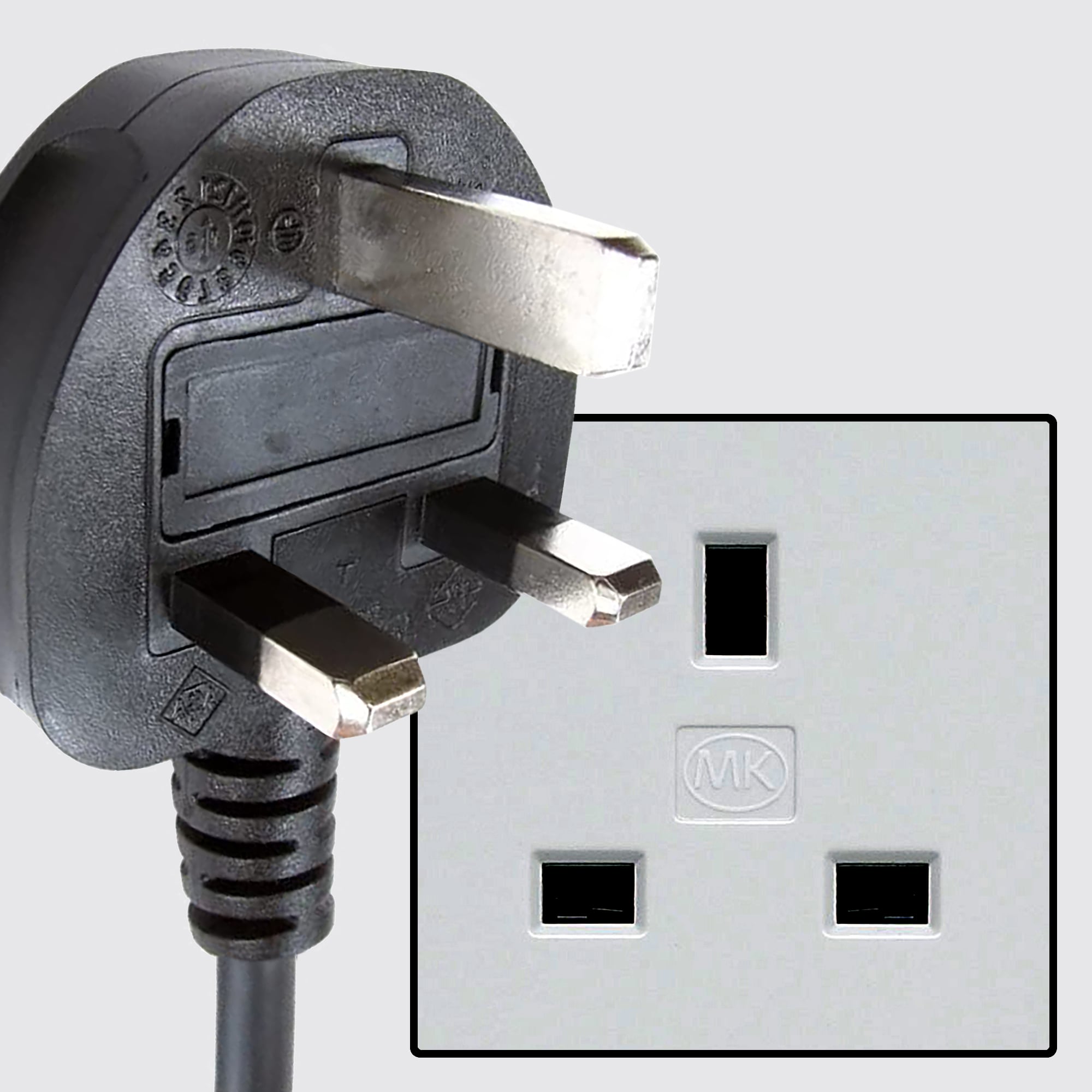
British Standard BS 1363 sockets remain the most widely specified configuration for middle east electrical switches and sockets across residential and commercial projects in the UAE, Saudi Arabia, Qatar, Bahrain, Oman, and Kuwait. This dominance traces back to historical British influence in the Gulf region and has been reinforced by decades of infrastructure development using UK-based electrical codes. The BS 1363 system features a distinctive three-pin rectangular design with a 13-ampere rating, fused plugs, and built-in shutter mechanisms that enhance child safety. Major developers continue specifying middle east electrical switches and sockets following British Standards because the format is familiar to the large expatriate population from the UK, India, Pakistan, and other Commonwealth nations who form a significant portion of the region's workforce and residents.
Technical Specifications and Safety Features
The technical robustness of British Standard middle east electrical switches and sockets contributes to their sustained popularity in demanding applications. BS 1363 sockets incorporate several safety mechanisms including mandatory earth pins that must be inserted before live and neutral contacts are exposed, reducing accidental shock risks. The fused plug design limits current flow to individual appliances, providing an additional layer of protection beyond circuit breakers. Modern variants of middle east electrical switches and sockets in the British Standard format now include surge protection, USB charging ports, and smart connectivity features while maintaining backward compatibility with legacy BS 1363 plugs. Contractors appreciate the widespread availability of middle east electrical switches and sockets that meet both British and IEC standards, ensuring compatibility with regional voltage specifications of 220-240V at 50Hz frequency.
European Schuko Sockets in Mixed-Use Developments
Addressing Diverse Occupant Needs
While British Standards dominate, many Middle East developments incorporate European Schuko-type sockets to accommodate the region's significant European expatriate population and to support imported appliances from continental Europe. Schuko outlets for middle east electrical switches and sockets feature two round pins with side grounding clips, rated at 16 amperes, providing higher power capacity than standard British sockets. High-end residential towers, international hotel chains, and serviced apartment complexes frequently specify dual-standard installations where middle east electrical switches and sockets include both BS 1363 and Schuko configurations within the same unit. This approach eliminates the need for adapters, enhances user experience, and reduces wear on socket contacts that occurs when universal adapters are constantly plugged and unplugged.
Installation Considerations and Code Compliance
Specifying Schuko-format middle east electrical switches and sockets requires careful coordination with local electrical authorities, as some jurisdictions mandate specific approvals or testing certifications. Contractors must ensure that any European-standard middle east electrical switches and sockets installed in the region comply with the prevailing voltage and frequency specifications, which typically match European norms at 230V, 50Hz. The installation of mixed-standard middle east electrical switches and sockets also demands clear labeling and documentation to prevent maintenance confusion and ensure proper circuit loading calculations. Project teams selecting Schuko outlets should verify that the specific product models carry appropriate Gulf Cooperation Council certification marks and meet local fire safety requirements, particularly regarding flammability ratings for socket housings and internal components.
Integrated USB Charging and Smart Controls
Evolving Functionality in Modern Installations
Contemporary developments across the Middle East increasingly specify middle east electrical switches and sockets with integrated USB charging ports to meet occupant expectations shaped by ubiquitous mobile device usage. These hybrid units combine traditional power outlets with dedicated USB-A and USB-C ports, eliminating the need for separate charging adapters and freeing up standard sockets for other appliances. Advanced middle east electrical switches and sockets now incorporate smart control features including Wi-Fi connectivity, remote operation via smartphone apps, energy monitoring, and integration with building management systems. Developers targeting premium segments specify middle east electrical switches and sockets with touch-sensitive controls, LED status indicators, and voice assistant compatibility to differentiate their projects and command higher rental or sale premiums.
Technical Implementation and Long-Term Value
Integrating smart functionality into middle east electrical switches and sockets requires robust network infrastructure and careful consideration of cybersecurity protocols to protect building systems from unauthorized access. Electrical consultants recommend that projects deploying connected middle east electrical switches and sockets implement segregated control networks, encrypted communication protocols, and regular firmware update mechanisms to maintain security over the building's operational lifespan. The initial cost premium for smart-enabled middle east electrical switches and sockets typically ranges from thirty to sixty percent above standard units, but developers report that this investment enhances marketability and supports operational efficiency through centralized control and energy analytics. When specifying connected middle east electrical switches and sockets, project teams should prioritize products with open protocols or widely adopted standards to avoid vendor lock-in and ensure long-term supportability as technology ecosystems evolve.
FAQ
What voltage and frequency standards apply to middle east electrical switches and sockets?
Middle east electrical switches and sockets operate at 220-240 volts with a frequency of 50Hz across all Gulf Cooperation Council countries. This specification aligns with British and European standards, making products designed for those markets generally compatible with regional electrical infrastructure. However, installers must verify that specific middle east electrical switches and sockets carry appropriate certification marks from local authorities and meet the thermal performance requirements necessary for the region's high ambient temperatures, which can affect component ratings and service life.
Can I install European Schuko sockets alongside British Standard outlets in the same development?
Yes, many Middle East developments successfully incorporate both British Standard and European Schuko configurations for middle east electrical switches and sockets within the same project. This mixed approach requires proper circuit design to accommodate different current ratings, with British sockets typically rated at 13 amperes and Schuko outlets at 16 amperes. Electrical consultants recommend clearly labeling different socket types and ensuring that circuit protection devices are appropriately sized for the highest-rated outlets on each circuit. Mixed-standard middle east electrical switches and sockets installations must comply with local electrical codes, which may require specific approval processes or documentation demonstrating equivalent safety performance.
How do smart switches with USB charging affect electrical load calculations for middle east electrical switches and sockets?
Smart switches and USB-integrated middle east electrical switches and sockets introduce additional continuous loads that must be factored into circuit design and panel capacity calculations. A typical USB charging port draws between 2.4 to 3 amperes at 5 volts, which translates to approximately 12-15 watts per port. When specifying middle east electrical switches and sockets with dual USB ports across multiple rooms, the cumulative load can become significant, particularly in hospitality projects with hundreds of guestrooms. Electrical engineers should account for simultaneous usage scenarios and include the standby power consumption of smart control modules, which typically ranges from 0.5 to 2 watts per device, when calculating total building electrical demand and sizing distribution equipment for projects using connected middle east electrical switches and sockets.
Table of Contents
- British Standard Switches and Sockets Dominate the Region
- European Schuko Sockets in Mixed-Use Developments
- Integrated USB Charging and Smart Controls
-
FAQ
- What voltage and frequency standards apply to middle east electrical switches and sockets?
- Can I install European Schuko sockets alongside British Standard outlets in the same development?
- How do smart switches with USB charging affect electrical load calculations for middle east electrical switches and sockets?