
 EN
EN
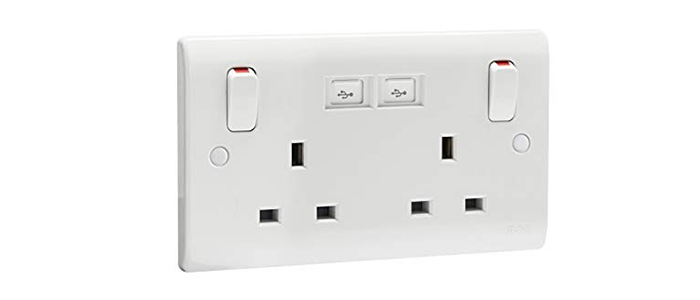
The Middle East represents a substantial growth opportunity for manufacturers and exporters of middle east electrical switches and sockets. With rapid urbanization, ambitious infrastructure projects, and increasing demand for quality electrical components across the Gulf Cooperation Council countries and beyond, exporters who understand regional requirements can capture significant market share. This guide examines the critical factors that determine success when exporting middle east electrical switches and sockets, from regulatory compliance to distribution strategy.
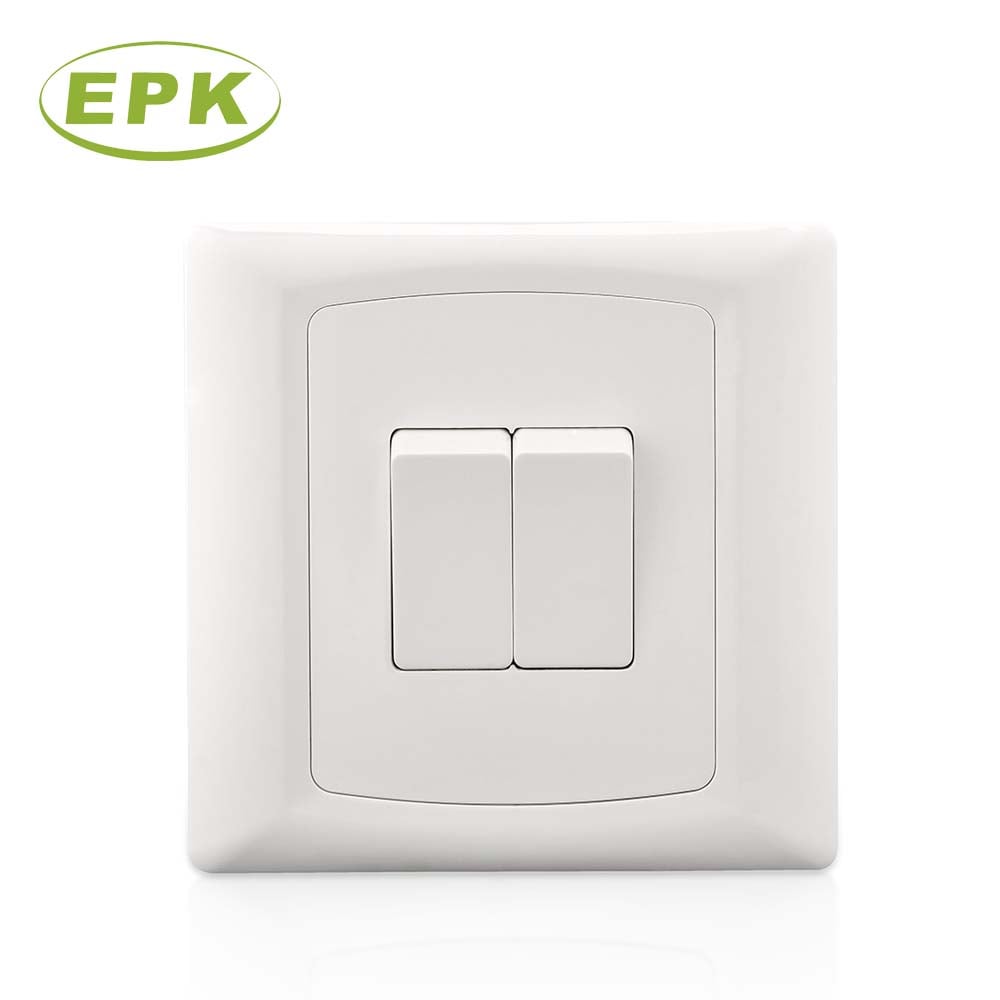
Exporting middle east electrical switches and sockets requires understanding diverse technical standards, certification pathways, and commercial practices that vary significantly across countries in the region. Suppliers must navigate country-specific voltage requirements, safety certifications, and import documentation while building relationships with distributors, contractors, and project specifiers who influence purchasing decisions. The complexity of exporting middle east electrical switches and sockets extends beyond product compliance to encompass logistics coordination, after-sales support, and market positioning strategies tailored to regional buyer preferences.
Understanding Regional Standards and Certification Requirements
Technical Standards Governing Middle East Electrical Switches and Sockets
When exporting middle east electrical switches and sockets, manufacturers must comply with multiple technical standards that govern product safety, performance, and compatibility. The Saudi Standards, Metrology and Quality Organization enforces SASO standards, which often reference IEC 60669 for switches and IEC 60884 for socket outlets. Similarly, the Emirates Authority for Standardization and Metrology in the UAE requires compliance with equivalent standards. Exporters of middle east electrical switches and sockets must verify voltage ratings match regional power systems, typically 220-240V AC at 50Hz, and ensure products meet mechanical endurance requirements, often specifying minimum operational cycles of 20,000 or more.
Certification Pathways for Market Entry
The certification process for middle east electrical switches and sockets varies by destination country but generally requires third-party testing and documentation. Saudi Arabia mandates SASO certification through approved conformity assessment bodies, while the UAE requires ECAS registration through accredited laboratories. Qatar, Kuwait, and Oman maintain similar certification frameworks with country-specific requirements. Exporters of middle east electrical switches and sockets should obtain test reports from internationally recognized laboratories demonstrating compliance with relevant IEC standards, flammability testing for plastic components, and protection against electric shock. The certification timeline for middle east electrical switches and sockets typically ranges from four to twelve weeks, depending on product complexity and testing requirements. Maintaining updated certificates and technical files ensures smooth customs clearance when exporting middle east electrical switches and sockets to any Middle Eastern destination.
Market Dynamics and Distribution Strategy
Identifying Target Customer Segments
The market for middle east electrical switches and sockets encompasses residential construction, commercial projects, hospitality developments, and infrastructure initiatives. Large-scale construction projects in Saudi Arabia, the UAE, Qatar, and Kuwait drive substantial demand for middle east electrical switches and sockets, with developers and main contractors often specifying products based on international brand recognition, local availability, and technical support capabilities. Residential builders purchasing middle east electrical switches and sockets prioritize cost-effectiveness balanced with reliability, while luxury hospitality projects demand premium designs and finishes. Industrial facilities require middle east electrical switches and sockets with enhanced durability and safety ratings suitable for demanding environments. Exporters should segment their approach to middle east electrical switches and sockets based on project type, price positioning, and distribution channel alignment.
Building Effective Distribution Networks
Successful export of middle east electrical switches and sockets depends on establishing relationships with qualified distributors and electrical wholesalers who maintain inventory, provide technical support, and serve contractor networks. Distributors of middle east electrical switches and sockets typically expect exclusive territorial rights, minimum order commitments, and marketing support from manufacturers. When selecting distribution partners for middle east electrical switches and sockets, exporters should evaluate warehouse infrastructure, sales team capabilities, existing customer relationships, and financial stability. Many distributors of middle east electrical switches and sockets also require manufacturers to support technical training for sales staff and provide product samples for contractor demonstrations. Establishing a physical presence or regional representative who can visit distributors, attend project meetings, and resolve technical questions significantly enhances market penetration for middle east electrical switches and sockets.
Logistics and Supply Chain Considerations
Shipping and Customs Procedures
Exporting middle east electrical switches and sockets involves coordinating sea freight or air cargo shipments, customs documentation, and import clearance procedures. Most shipments of middle east electrical switches and sockets enter through major ports such as Jebel Ali in Dubai, King Abdulaziz Port in Dammam, or Hamad Port in Qatar. Exporters must provide commercial invoices, packing lists, certificates of origin, and product certificates when shipping middle east electrical switches and sockets. Customs duties on middle east electrical switches and sockets vary by country, with GCC nations maintaining relatively low tariff rates, typically between five and ten percent. However, VAT implementation across the region adds fifteen percent to the landed cost of middle east electrical switches and sockets in Saudi Arabia and the UAE. Exporters should work with experienced freight forwarders familiar with middle east electrical switches and sockets shipments to ensure proper HS code classification, accurate valuation, and timely customs clearance.
Inventory Management and Lead Time Planning
Distributors of middle east electrical switches and sockets require reliable supply continuity to meet contractor demands and project deadlines. Manufacturers exporting middle east electrical switches and sockets should establish minimum inventory levels at distributor warehouses to prevent stockouts that damage market reputation. Production lead times for middle east electrical switches and sockets typically range from four to eight weeks, while shipping adds another two to four weeks depending on origin location and chosen freight method. Exporters of middle east electrical switches and sockets should implement demand forecasting systems that account for seasonal construction patterns, major project schedules, and distributor order histories. Maintaining buffer stock of fast-moving SKUs within the range of middle east electrical switches and sockets helps exporters respond quickly to unexpected demand surges during peak construction periods. Clear communication of production schedules and shipping timelines builds trust with distributors handling middle east electrical switches and sockets.
Competitive Positioning and Commercial Strategy
Pricing Strategy for Middle East Markets
Pricing middle east electrical switches and sockets requires balancing competitive positioning against landed costs, distributor margins, and perceived value in target market segments. European manufacturers of middle east electrical switches and sockets typically command premium pricing based on brand reputation and quality perception, while Asian exporters of middle east electrical switches and sockets compete more aggressively on price for residential and value-oriented commercial projects. Distributors expect margins between twenty-five and forty percent on middle east electrical switches and sockets, depending on product category and sales volume commitments. Exporters should calculate total landed costs for middle east electrical switches and sockets including freight, insurance, customs duties, VAT, and certification expenses before setting distributor pricing. Volume-based pricing tiers incentivize larger orders of middle east electrical switches and sockets while project-specific quotations allow flexibility for major construction opportunities.
Marketing and Technical Support Requirements
Marketing middle east electrical switches and sockets effectively requires product catalogs in English and Arabic, technical data sheets meeting regional specifications, and sample kits for distributor showrooms and contractor presentations. Many specifiers of middle east electrical switches and sockets request third-party test reports, warranty documentation, and installation guidelines before approving products for major projects. Exporters of middle east electrical switches and sockets should provide technical training for distributor sales teams covering product features, installation requirements, and troubleshooting procedures. Participation in regional trade shows such as Middle East Electricity in Dubai provides visibility for middle east electrical switches and sockets and facilitates direct contact with contractors, consultants, and project developers. Digital marketing strategies for middle east electrical switches and sockets should include search engine optimization targeting regional buyers, LinkedIn outreach to electrical contractors and MEP consultants, and case studies demonstrating successful installations of middle east electrical switches and sockets in comparable projects.
FAQ
What certifications are required for exporting middle east electrical switches and sockets?
Exporting middle east electrical switches and sockets requires country-specific certifications such as SASO for Saudi Arabia, ECAS for the UAE, and similar conformity assessments for other regional markets. Products must comply with IEC 60669 for switches and IEC 60884 for sockets, with third-party test reports demonstrating electrical safety, mechanical endurance, and material compliance. Certification timelines typically require four to twelve weeks and must be renewed periodically to maintain market access for middle east electrical switches and sockets.
How do I find reliable distributors for middle east electrical switches and sockets?
Finding distributors for middle east electrical switches and sockets involves researching established electrical wholesalers, attending regional trade shows, and leveraging trade promotion organizations that facilitate market entry. Qualified distributors of middle east electrical switches and sockets should demonstrate warehouse infrastructure, established contractor relationships, technical sales capabilities, and financial stability. Manufacturers should conduct due diligence including reference checks with existing suppliers, site visits to distributor facilities, and clear contractual agreements defining territorial rights, minimum orders, and support obligations for middle east electrical switches and sockets.
What are the typical margins and payment terms for middle east electrical switches and sockets?
Distributors of middle east electrical switches and sockets typically expect gross margins between twenty-five and forty percent depending on product positioning and volume commitments. Payment terms for exporting middle east electrical switches and sockets commonly include letters of credit for initial orders, transitioning to open account terms with established distributors after trust is built. Some distributors request consignment inventory arrangements for middle east electrical switches and sockets on major projects, while others maintain their own stock with standard net thirty to sixty day payment terms. Exporters should establish clear credit policies and consider trade credit insurance when shipping middle east electrical switches and sockets to new distribution partners.