
 EN
EN
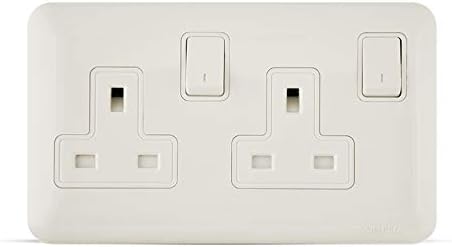
Selecting the right middle east electrical switches and sockets requires careful consideration of regional standards, climate factors, and safety requirements. The Middle East market presents unique challenges including extreme temperature variations, humidity in coastal areas, and diverse voltage systems across countries. Understanding these factors ensures reliable electrical infrastructure that meets both regulatory compliance and operational demands. This checklist guides procurement professionals through critical evaluation criteria when sourcing middle east electrical switches and sockets for residential, commercial, and industrial projects.
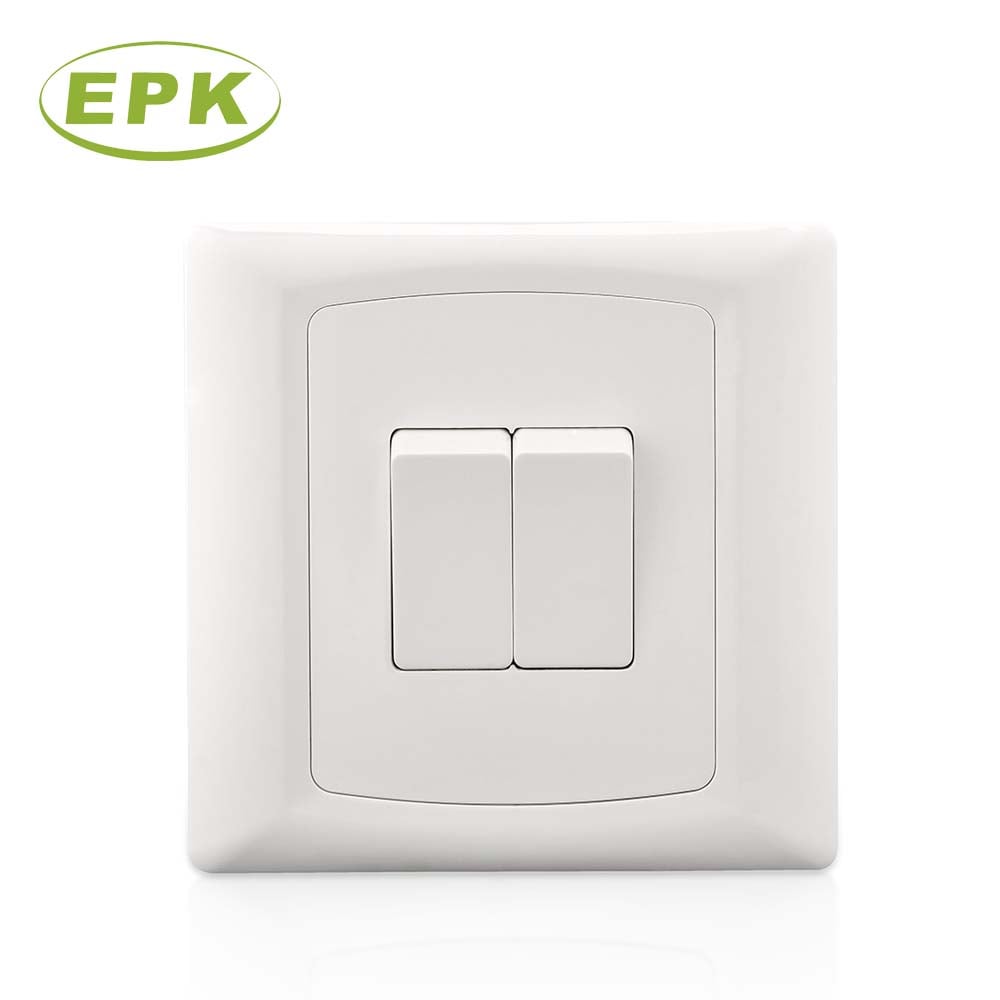
The procurement process for middle east electrical switches and sockets demands attention to voltage compatibility, material durability, and certification requirements that vary significantly across Gulf Cooperation Council states, Levantine countries, and North African territories. Buyers must verify that products withstand regional environmental conditions while delivering consistent performance across diverse building types. This comprehensive checklist covers technical specifications, compliance verification, supplier evaluation, and long-term maintenance considerations essential for successful electrical component sourcing in Middle Eastern markets.
Regional Standards and Certification Requirements
Understanding Voltage and Frequency Specifications
Middle east electrical switches and sockets must accommodate voltage standards ranging from 220V to 240V across different countries, with frequency typically standardized at 50Hz. Saudi Arabia, UAE, Qatar, and Kuwait operate on 220V systems, while countries like Lebanon and Jordan use 230V configurations. Electrical switches and sockets designed for middle east electrical switches and sockets applications require voltage tolerance ranges that prevent component failure during power fluctuations common in developing grid infrastructure. Procurement teams should verify rated voltage capacity matches the specific country deployment location, as using incompatible middle east electrical switches and sockets creates serious safety hazards and regulatory violations.
Mandatory Certification and Compliance Documentation
All middle east electrical switches and sockets require certification from recognized standards bodies including Gulf Standardization Organization (GSO), Saudi Standards, Metrology and Quality Organization (SSMQ), Emirates Authority for Standardization and Metrology (ESMA), and country-specific regulatory agencies. The IEC 60669-1 standard serves as the foundation for switch specifications, while IEC 60884-1 governs socket outlet requirements throughout the region. When evaluating middle east electrical switches and sockets, buyers must confirm products carry appropriate certification marks such as SASO for Saudi Arabia, ECAS for UAE, or QS mark for Qatar. Documentation should include test reports demonstrating compliance with fire safety standards, electrical safety parameters, and mechanical durability requirements. Counterfeit middle east electrical switches and sockets lacking proper certification expose projects to legal liability, insurance complications, and potential catastrophic electrical failures. Requesting original certification documents and verifying authenticity through issuing authority databases protects buyers from non-compliant middle east electrical switches and sockets entering supply chains.
Material Quality and Environmental Durability
Climate-Resistant Construction Materials
The harsh Middle Eastern climate subjects middle east electrical switches and sockets to extreme temperature ranges exceeding 50°C in summer months, combined with sandstorms, salt-laden coastal air, and intense UV radiation. Premium middle east electrical switches and sockets utilize polycarbonate (PC) panels rather than standard ABS plastic, offering superior impact resistance and UV stability that prevents yellowing and brittleness over time. Contact materials represent another critical factor, with copper alloy contacts in middle east electrical switches and sockets providing better conductivity and corrosion resistance compared to brass alternatives. Buyers should specify minimum IP ratings appropriate for installation environments, with IP44 suitable for standard indoor applications and IP54 or higher necessary for areas exposed to dust ingress or moisture. The internal mechanism of middle east electrical switches and sockets should feature corrosion-resistant coatings on metal components, particularly in coastal installations where salt air accelerates oxidation. Testing middle east electrical switches and sockets for thermal cycling performance ensures components maintain electrical integrity across the daily temperature fluctuations characteristic of desert climates.
Mechanical Durability and Lifecycle Performance
Quality middle east electrical switches and sockets demonstrate mechanical endurance through rated lifecycle testing, with minimum specifications of 20,000 switching cycles for residential applications and 40,000 cycles for commercial installations. The switching mechanism within middle east electrical switches and sockets should provide tactile feedback confirming engagement while minimizing contact bounce that causes arcing and premature wear. Terminal design affects installation quality and long-term reliability, with screw terminals in middle east electrical switches and sockets offering superior connection stability compared to quick-connect alternatives, particularly important in regions where vibration from construction activity or equipment operation may loosen connections. Socket outlets within middle east electrical switches and sockets product lines must maintain consistent contact pressure throughout their service life, preventing loose connections that generate heat buildup and fire risk. Buyers should request technical specifications documenting contact pressure measurements and insertion force requirements, ensuring middle east electrical switches and sockets meet international benchmarks for socket retention strength.
Safety Features and Installation Considerations
Integrated Protection Mechanisms
Advanced middle east electrical switches and sockets incorporate multiple safety features addressing regional electrical infrastructure challenges including voltage spikes, overload conditions, and arc fault risks. Surge-protected variants of middle east electrical switches and sockets integrate varistor components that clamp transient voltages, protecting connected equipment from damage during thunderstorms or grid switching events common in rapidly expanding power networks. Child safety shutters represent mandatory features for socket outlets in middle east electrical switches and sockets destined for residential and educational facilities, with mechanisms requiring simultaneous pressure on both contact points to open protective barriers. Fire-resistant properties of middle east electrical switches and sockets housing materials must meet UL94 V-0 flammability ratings, ensuring components self-extinguish within specified timeframes if exposed to ignition sources. Terminal blocks within middle east electrical switches and sockets should provide adequate spacing between live conductors, reducing arc-over risks in high-humidity environments. Buyers evaluating middle east electrical switches and sockets for healthcare, hospitality, or critical infrastructure applications should prioritize models incorporating hospital-grade specifications with antimicrobial coatings and enhanced grounding reliability.
Installation Compatibility and Mounting Systems
Middle east electrical switches and sockets must accommodate regional installation practices including standard mounting box dimensions, wiring methods, and wall construction materials prevalent throughout the territory. The 86mm x 86mm mounting format dominates commercial construction across Gulf states, though 118mm formats appear in premium residential projects, requiring buyers to specify appropriate middle east electrical switches and sockets frame configurations. Modular systems within middle east electrical switches and sockets product lines offer flexibility for mixed-function installations combining power outlets, data ports, and control switches in unified assemblies. Screw-type installation mechanisms provide superior mounting stability compared to clip-mounted middle east electrical switches and sockets, particularly important in gypsum board and concrete block construction common throughout the region. Wiring terminal accessibility affects installation efficiency, with side-entry terminal designs in middle east electrical switches and sockets facilitating easier conductor insertion in shallow mounting boxes typical of retrofitted buildings. Color-coding and terminal labeling on middle east electrical switches and sockets improve installation accuracy and simplify future maintenance activities, reducing errors during electrical system modifications.
Supplier Evaluation and Quality Assurance
Manufacturer Credentials and Production Standards
Reliable suppliers of middle east electrical switches and sockets maintain ISO 9001 quality management certification demonstrating systematic production controls and traceability protocols. Factory audit reports provide insight into manufacturing capabilities for middle east electrical switches and sockets, revealing automated testing equipment, quality control sampling rates, and defect tracking systems that separate professional manufacturers from opportunistic traders. Buyers should request production capacity documentation confirming suppliers can fulfill order volumes for middle east electrical switches and sockets without compromising delivery schedules or quality consistency. Technical support capabilities distinguish quality middle east electrical switches and sockets suppliers, with responsive engineering teams capable of providing application guidance, custom configuration services, and post-delivery troubleshooting assistance. Warranty terms for middle east electrical switches and sockets reflect manufacturer confidence in product reliability, with reputable suppliers offering minimum two-year coverage against manufacturing defects and material failures. Sample testing before bulk procurement represents prudent risk management for middle east electrical switches and sockets purchases, allowing buyers to conduct independent verification of specifications, build quality, and performance characteristics.
Supply Chain Transparency and Logistics
Understanding the complete supply chain for middle east electrical switches and sockets helps buyers assess delivery reliability, pricing stability, and counterfeit risk exposure. Direct manufacturers of middle east electrical switches and sockets offer price advantages and quality consistency compared to multi-tier distribution channels that introduce markup layers and authenticity concerns. Inventory availability affects project timelines, making suppliers with regional warehouse networks for middle east electrical switches and sockets preferable for large-scale construction projects requiring phased delivery schedules. Packaging standards for middle east electrical switches and sockets should protect products during international shipping and local distribution, with individual component wrapping and moisture-resistant cartons preventing damage in humid port environments. Buyers should verify minimum order quantities align with project requirements, as some middle east electrical switches and sockets suppliers impose volume thresholds that create excess inventory challenges for smaller installations. Payment terms and currency options impact total procurement costs for middle east electrical switches and sockets, with flexible arrangements reducing financial exposure during extended project execution periods.
FAQ
What voltage ratings should I specify for middle east electrical switches and sockets across different countries?
Middle east electrical switches and sockets should accommodate voltage ranges from 220V to 240V depending on country-specific standards. Gulf Cooperation Council states primarily use 220V systems, while Levantine countries operate on 230V configurations. Always specify middle east electrical switches and sockets with voltage tolerance of plus or minus ten percent to handle grid fluctuations common in developing infrastructure. Verify exact voltage requirements with local electrical authorities before finalizing middle east electrical switches and sockets specifications, as standards continue evolving across the region.
How do I verify certification authenticity for middle east electrical switches and sockets?
Request original certification documents including test reports and approval letters when purchasing middle east electrical switches and sockets. Verify certification authenticity by cross-referencing certificate numbers with issuing authority databases such as SASO for Saudi Arabia or ESMA for UAE. Reputable middle east electrical switches and sockets suppliers provide QR codes or online verification links on certification documents. Conduct random inspection of middle east electrical switches and sockets shipments to confirm products match certified samples, as substitution represents a common quality issue in regional markets.
What IP rating is appropriate for middle east electrical switches and sockets in coastal locations?
Coastal installations of middle east electrical switches and sockets require minimum IP54 rating to protect against salt-laden moisture and dust ingress that accelerates corrosion. Standard IP44-rated middle east electrical switches and sockets suffice for interior protected environments, but exposed locations demand higher protection levels. Consider IP65-rated middle east electrical switches and sockets for outdoor applications or areas subject to direct water exposure. Always evaluate specific environmental conditions at installation sites when specifying protection ratings for middle east electrical switches and sockets, as microclimate factors significantly impact component longevity in harsh Middle Eastern conditions.
Table of Contents
- Regional Standards and Certification Requirements
- Material Quality and Environmental Durability
- Safety Features and Installation Considerations
- Supplier Evaluation and Quality Assurance
-
FAQ
- What voltage ratings should I specify for middle east electrical switches and sockets across different countries?
- How do I verify certification authenticity for middle east electrical switches and sockets?
- What IP rating is appropriate for middle east electrical switches and sockets in coastal locations?