
 EN
EN
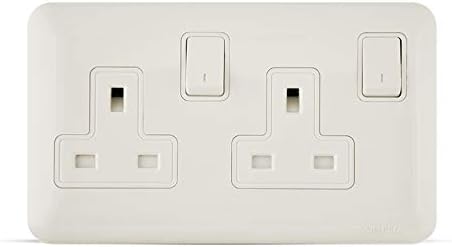
The Middle East presents one of the most demanding environments for electrical infrastructure worldwide. When specifying middle east electrical switches and sockets for projects across the Gulf states and surrounding regions, engineers and facility managers must account for climatic factors that significantly impact component performance, longevity, and safety. Understanding how temperature extremes, humidity fluctuations, and airborne particulates interact with electrical systems enables more informed product selection and installation practices that prevent premature failures and maintain operational reliability throughout the building lifecycle.
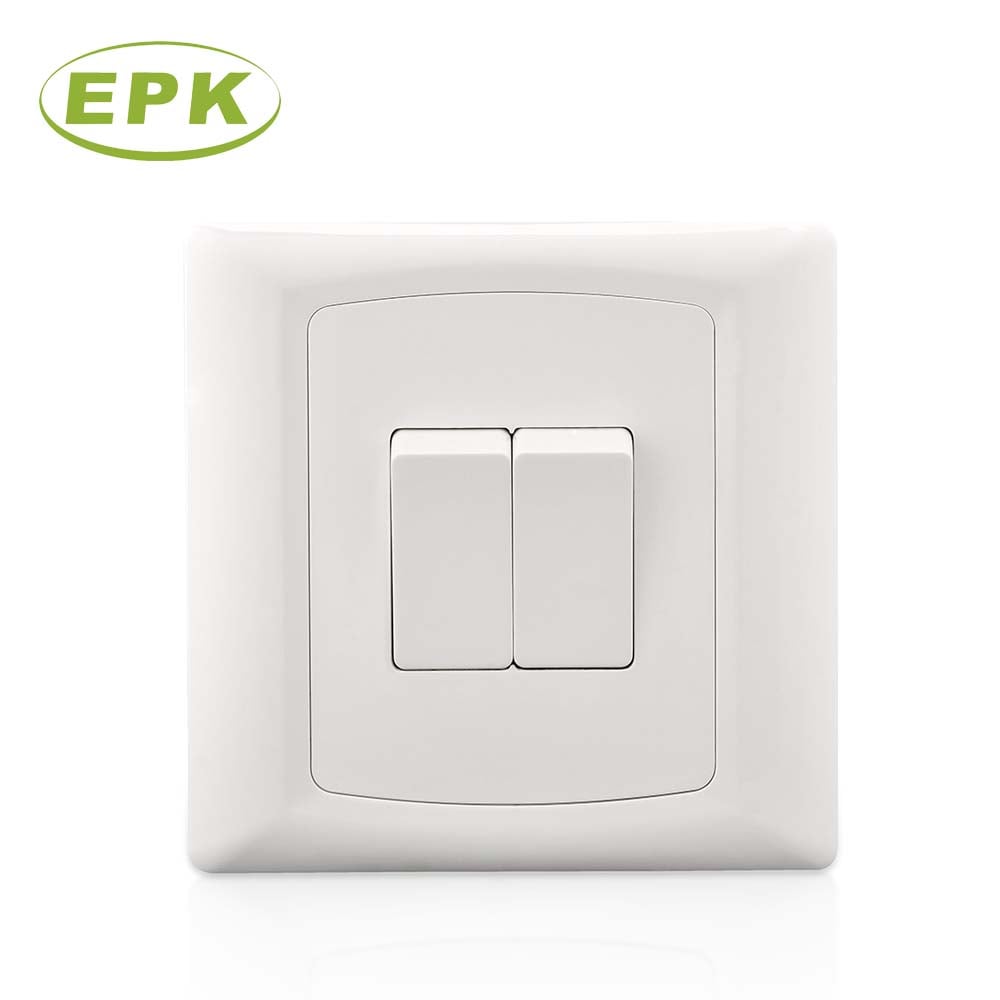
Climate conditions across the Middle East vary substantially from coastal humidity zones to inland desert areas, yet all regions share common challenges that affect middle east electrical switches and sockets. Ambient temperatures routinely exceed 50 degrees Celsius during summer months, while coastal installations contend with corrosive salt-laden air. Inland locations experience abrasive dust storms that penetrate building envelopes and deposit fine particles on electrical contacts. These environmental stressors accelerate material degradation, compromise insulation integrity, and increase contact resistance when middle east electrical switches and sockets are not properly specified for local conditions.
Temperature Extremes and Thermal Performance Requirements
Heat-Induced Material Degradation in Switching Components
Sustained high temperatures affect middle east electrical switches and sockets through multiple degradation mechanisms. Thermoplastic housings soften and deform when exposed to temperatures approaching or exceeding their glass transition points, leading to dimensional instability that compromises mounting integrity and internal component alignment. Standard polycarbonate materials rated for 85 degrees Celsius ambient operation prove inadequate for surface-mounted middle east electrical switches and sockets installed on sun-exposed exterior walls where localized temperatures can reach 70 degrees Celsius. High-performance engineering polymers with glass transition temperatures above 150 degrees Celsius provide necessary thermal stability for such applications.
Internal components within middle east electrical switches and sockets experience accelerated aging under thermal stress. Copper alloy contacts undergo increased oxidation rates at elevated temperatures, forming insulating surface layers that raise contact resistance and generate additional heat during current flow. This positive feedback loop accelerates degradation in middle east electrical switches and sockets subjected to continuous high-temperature exposure. Silver-alloy contact materials demonstrate superior oxidation resistance and maintain lower contact resistance across temperature ranges typical of regional installations, extending operational life for middle east electrical switches and sockets in demanding thermal environments.
Thermal Cycling and Mechanical Stress Accumulation
Daily temperature variations in the Middle East commonly span 20 to 30 degrees Celsius, subjecting middle east electrical switches and sockets to repetitive thermal expansion and contraction cycles. Dissimilar materials within switch assemblies expand at different rates, creating mechanical stresses at material interfaces. Over thousands of thermal cycles, these stresses propagate microcracks in solder joints, loosen crimped connections, and compromise the mechanical integrity of spring contacts in middle east electrical switches and sockets. Component designs that minimize the use of dissimilar materials and incorporate flexible mounting arrangements better accommodate thermal cycling without accumulating fatigue damage.
Thermal expansion differentials also affect the dimensional stability of mounting boxes and wall plates used with middle east electrical switches and sockets. Metal mounting boxes expand more than surrounding gypsum or concrete substrates, potentially distorting switch mechanisms or creating gaps that allow dust infiltration. Engineers specifying middle east electrical switches and sockets should verify that mounting hardware thermal expansion coefficients match substrate materials and that sufficient clearance exists to accommodate dimensional changes without binding or stressing electrical connections.
Humidity and Corrosion Management in Coastal Installations
Salt Air Corrosion and Contact Deterioration
Coastal regions throughout the Arabian Gulf expose middle east electrical switches and sockets to salt-laden air that accelerates corrosion of metallic components. Chloride ions penetrate protective surface treatments and initiate electrochemical corrosion processes on copper, brass, and steel components within middle east electrical switches and sockets. Surface-mounted outdoor installations face particularly severe exposure, with salt deposits accumulating on contact surfaces and current-carrying components. Regular corrosion manifests as increased contact resistance, arcing during switching operations, and eventual contact welding or failure to make reliable electrical connections in affected middle east electrical switches and sockets.
Protective measures for middle east electrical switches and sockets in coastal environments include conformal coatings on printed circuit boards, sealed contact chambers that exclude atmospheric contaminants, and the use of corrosion-resistant contact materials such as gold-flashed silver alloys. Housing ingress protection ratings become critical selection criteria for middle east electrical switches and sockets exposed to salt air, with IP54 or higher ratings necessary to prevent moisture and particulate infiltration that enables corrosion initiation. Maintenance protocols for coastal installations should include periodic inspection and cleaning of middle east electrical switches and sockets to remove accumulated salt deposits before corrosion damage becomes irreversible.
Condensation Formation and Insulation Breakdown
Humidity variations between air-conditioned interior spaces and hot exterior environments create condensation risks for middle east electrical switches and sockets installed near thermal boundaries. Water droplets forming on cooled surfaces migrate into unsealed switch enclosures, depositing conductive films on insulating materials and creating current leakage paths. Repeated condensation events gradually degrade insulation resistance in middle east electrical switches and sockets, increasing shock hazards and ground fault risks. This phenomenon proves especially problematic for middle east electrical switches and sockets installed in entrance vestibules, loading docks, and other transitional spaces where temperature differentials are most pronounced.
Specifying middle east electrical switches and sockets with sealed construction and moisture-resistant insulating materials mitigates condensation-related failures. Hygroscopic insulating materials that absorb atmospheric moisture should be avoided in favor of hydrophobic polymers that maintain dielectric strength under humid conditions. Installation practices that minimize thermal bridging between conditioned and unconditioned spaces reduce condensation formation on middle east electrical switches and sockets. Where condensation cannot be eliminated through design measures, middle east electrical switches and sockets should incorporate drainage provisions to prevent water accumulation within enclosures.
Dust Infiltration and Particulate Contamination Effects
Abrasive Particle Damage to Contact Surfaces
Fine airborne dust characterizes Middle Eastern environments, particularly during seasonal dust storms when suspended particulate concentrations exceed 1000 micrograms per cubic meter. These abrasive particles infiltrate middle east electrical switches and sockets through ventilation openings and mounting gaps, depositing on contact surfaces and mechanical linkages. During switching operations, abrasive particles trapped between mating contacts accelerate wear, creating rough surface textures that increase contact resistance and promote arcing in affected middle east electrical switches and sockets. Accumulated wear debris further contaminates contact surfaces, establishing a progressive degradation cycle that shortens operational life for middle east electrical switches and sockets in dusty environments.
Dust particle composition affects the specific failure mechanisms observed in middle east electrical switches and sockets. Silica-rich desert dust acts as an abrasive that physically erodes contact plating and base metal surfaces. Calcium carbonate dust from construction activities can react with atmospheric moisture to form conductive surface films on insulating materials within middle east electrical switches and sockets. Organic particulates from agricultural areas may carbonize under arcing conditions, creating conductive tracking paths. Understanding regional dust composition enables more targeted specification of protective measures for middle east electrical switches and sockets deployed in specific locations.
Particulate-Induced Mechanical Binding and Operational Failures
Dust accumulation within the mechanical assemblies of middle east electrical switches and sockets causes operational problems beyond contact degradation. Fine particles infiltrate bearing surfaces, pivot points, and spring mechanisms, increasing friction and altering the mechanical forces required for switching operations. Users may perceive increased stiffness in middle east electrical switches and sockets long before electrical performance degrades significantly. Severe dust accumulation can cause complete mechanical binding, rendering middle east electrical switches and sockets inoperable even when electrical components remain functional.
Sealed switch mechanisms with gasket-protected enclosures prevent particulate infiltration into the critical mechanical and electrical components of middle east electrical switches and sockets. Ingress protection ratings of IP5X or higher effectively exclude dust particles larger than one millimeter, while IP6X ratings provide complete dust exclusion. However, achieving and maintaining high ingress protection ratings requires careful attention to installation details, including proper gasket compression, sealed cable entries, and elimination of penetrations that compromise enclosure integrity. Middle east electrical switches and sockets specified for dusty environments should incorporate wiping contact actions that maintain clean contact surfaces during normal switching operations, providing inherent resistance to particulate contamination effects.
FAQ
What ingress protection rating is recommended for middle east electrical switches and sockets in dusty environments?
For typical indoor commercial installations in the Middle East, middle east electrical switches and sockets with IP44 rating provide adequate protection against dust and incidental moisture. Industrial facilities and outdoor applications require IP54 or higher ratings to exclude finer dust particles and withstand direct water spray during cleaning operations. Coastal installations benefit from IP65-rated middle east electrical switches and sockets that provide complete dust exclusion and protection against water jets, preventing salt-laden moisture infiltration that accelerates corrosion.
How does ambient temperature affect the current rating of middle east electrical switches and sockets?
Standard middle east electrical switches and sockets are rated for maximum ambient temperatures of 25 to 35 degrees Celsius, with current-carrying capacity decreasing as temperature rises. In Middle Eastern environments where ambient temperatures routinely exceed 40 degrees Celsius, middle east electrical switches and sockets should be derated by 10 to 20 percent to prevent overheating. High-temperature rated middle east electrical switches and sockets designed for 55 to 70 degrees Celsius ambient operation maintain full current ratings under regional conditions without requiring derating, providing more reliable performance and longer operational life.
What maintenance practices extend the service life of middle east electrical switches and sockets in harsh climates?
Regular visual inspection of middle east electrical switches and sockets every six months identifies early signs of corrosion, discoloration, or mechanical wear that indicate developing problems. Cleaning accessible surfaces to remove dust accumulation and salt deposits prevents contamination from reaching internal components of middle east electrical switches and sockets. Thermal imaging surveys detect elevated operating temperatures in middle east electrical switches and sockets caused by increased contact resistance or poor connections, enabling proactive replacement before complete failure occurs. Comprehensive preventive maintenance programs for middle east electrical switches and sockets reduce unplanned downtime and extend asset life in demanding Middle Eastern operating environments.
Table of Contents
- Temperature Extremes and Thermal Performance Requirements
- Humidity and Corrosion Management in Coastal Installations
- Dust Infiltration and Particulate Contamination Effects
-
FAQ
- What ingress protection rating is recommended for middle east electrical switches and sockets in dusty environments?
- How does ambient temperature affect the current rating of middle east electrical switches and sockets?
- What maintenance practices extend the service life of middle east electrical switches and sockets in harsh climates?