
 EN
EN
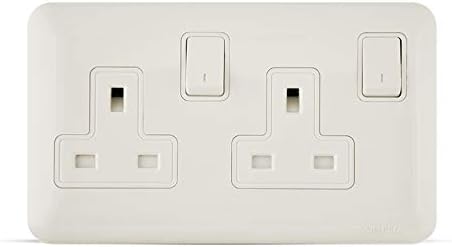
The market for middle east electrical switches and sockets is undergoing a significant transformation, driven by rapid urbanization, large-scale infrastructure investment, and evolving regulatory frameworks across the region. From the Gulf Cooperation Council states to the broader Levant and North Africa corridor, demand for reliable, standards-compliant wiring accessories has never been stronger. Developers, contractors, and facility managers are all paying close attention to how product specifications, compliance requirements, and installation standards are shifting in real time.
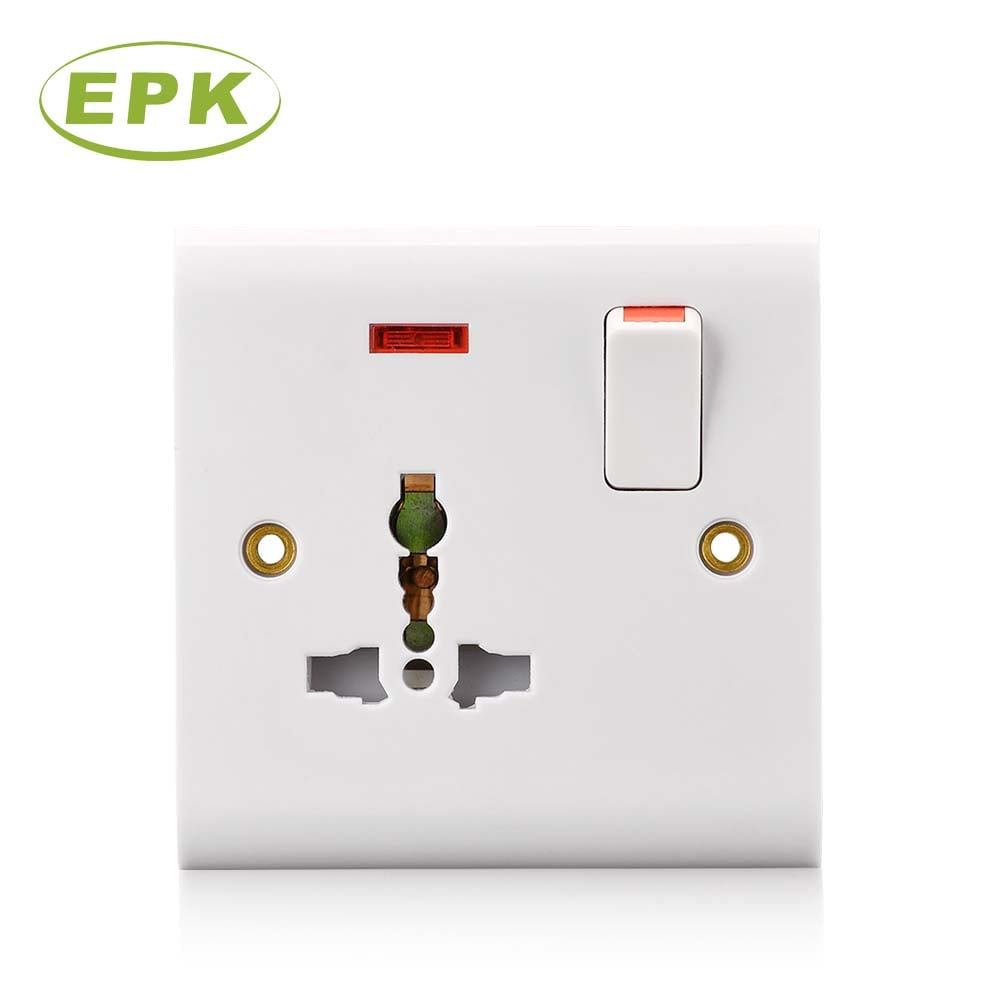
Understanding the current and emerging trends shaping middle east electrical switches and sockets is essential for any business operating in construction, real estate development, hospitality, or industrial facilities management across the region. This article examines the key market forces, regulatory influences, technology directions, and procurement considerations that define where this product category is heading — and what decision-makers need to know to stay ahead of the curve.
Market Growth Drivers in the Region
Construction Boom and Urban Expansion
The Middle East continues to experience one of the most sustained construction booms in the world, with mega-projects, smart city developments, and large-scale residential complexes reshaping skylines from Riyadh to Dubai and beyond. Each of these projects requires substantial volumes of middle east electrical switches and sockets, making the wiring accessories segment a direct beneficiary of broader real estate and infrastructure growth. The sheer scale of projects like NEOM in Saudi Arabia or the ongoing expansion of Abu Dhabi's urban core creates consistent, high-volume demand that is expected to persist well into the next decade.
Residential construction is not the only driver. Commercial real estate, including office towers, retail complexes, and mixed-use developments, demands high-specification electrical fittings that meet both aesthetic and functional requirements. Hospitality projects — hotels, resorts, and serviced apartments — place particular emphasis on the quality and finish of middle east electrical switches and sockets, as these components are visible to end users and directly affect the perceived quality of a space. This has pushed demand toward premium product tiers with enhanced durability and refined aesthetics.
Industrial and logistics infrastructure is also expanding rapidly, particularly in free zones and economic corridors. Warehouses, manufacturing plants, and data centers all require robust electrical installations, and the specification of appropriate switches and sockets for these environments is a critical part of the design and procurement process. The diversity of end-use sectors means that the market for middle east electrical switches and sockets is broad, resilient, and not overly dependent on any single vertical.
Government Investment and Vision Programs
National vision programs across the Gulf states have become powerful catalysts for infrastructure spending. Saudi Vision 2030, UAE Centennial 2071, and Qatar's National Vision 2030 all include substantial commitments to building new cities, upgrading existing infrastructure, and diversifying economic activity away from hydrocarbons. These programs translate directly into government-funded construction projects that specify and procure middle east electrical switches and sockets at scale.
Public sector projects — schools, hospitals, government offices, and transportation hubs — are particularly significant because they tend to enforce strict compliance with international and regional electrical standards. This creates a quality floor in the market, pushing suppliers and contractors to source products that meet recognized certifications. The ripple effect on private sector procurement is also notable, as developers and contractors working on government-adjacent projects often align their specifications with public sector requirements to simplify supply chains and reduce compliance risk.
Regulatory Standards and Compliance Trends
The Role of British Standards in the Gulf
One of the defining characteristics of the middle east electrical switches and sockets market is the widespread adoption of British Standards, particularly BS 1363, as the baseline for residential and commercial electrical fittings. This legacy reflects the historical influence of British engineering and construction practices across the Gulf states, and it remains deeply embedded in local building codes and procurement specifications. Products that carry BS 1363 compliance are consistently preferred by specifiers and contractors working on projects in the UAE, Qatar, Bahrain, and Kuwait.
The 13-amp switched socket outlet, rated for 220–250V operation, is the dominant product format in this compliance category. Its three-pin configuration, integrated shutters, and robust contact design make it well-suited to the high ambient temperatures and demanding usage cycles common in Middle Eastern environments. For suppliers of middle east electrical switches and sockets, maintaining BS 1363 certification is not optional — it is a market entry requirement for the most significant project segments in the region.
Beyond BS 1363, there is growing attention to product lifespan and cycle ratings. Specifiers on large commercial and hospitality projects increasingly request documentation on mechanical endurance, with cycle ratings of 15,000 or more becoming a standard benchmark for quality assurance. This shift reflects a broader move toward total cost of ownership thinking, where the upfront cost of a fitting is weighed against its expected service life and maintenance requirements.
Evolving Local and Regional Certification Requirements
While British Standards remain dominant in many Gulf markets, there is a clear trend toward the development and enforcement of local and regional certification frameworks. Saudi Arabia's SASO certification, the UAE's ESMA mark, and similar schemes in other GCC states are becoming increasingly important gatekeepers for middle east electrical switches and sockets entering these markets. Suppliers who have historically relied solely on international certifications are finding that local mark compliance is now a prerequisite for many public tenders and large private projects.
This regulatory evolution creates both challenges and opportunities. For established suppliers with the resources to pursue multiple certifications, it raises barriers to entry for less-compliant competitors. For buyers and specifiers, it provides greater assurance that products have been tested against standards relevant to local conditions. The trend is expected to continue, with more GCC states likely to strengthen their local certification requirements for electrical fittings over the coming years.
Importers and distributors of middle east electrical switches and sockets need to stay closely aligned with regulatory updates in each target market. A product that is fully compliant in one GCC state may require additional testing or documentation to be sold in another. Building compliance management into procurement and supply chain processes is increasingly a competitive differentiator rather than a back-office administrative task.
Technology and Product Innovation Trends
Smart and Connected Electrical Fittings
The integration of smart home and building automation technology is reshaping expectations for middle east electrical switches and sockets across premium residential and commercial segments. Demand for switches and sockets that can be controlled via smartphone apps, integrated into building management systems, or connected to voice-activated platforms is growing steadily, particularly in luxury residential developments and high-specification commercial interiors. This trend is most pronounced in the UAE and Saudi Arabia, where technology adoption rates are high and end users are increasingly sophisticated in their expectations.
Smart switches that offer dimming, scheduling, and remote monitoring capabilities are moving from niche to mainstream in certain project categories. Similarly, sockets with integrated USB charging ports — and increasingly USB-C compatibility — are becoming standard specifications in hospitality and residential projects where the convenience of device charging is a key user experience consideration. Suppliers of middle east electrical switches and sockets who can offer a coherent range of smart and connected products alongside their standard ranges are well-positioned to capture premium project specifications.
The challenge for smart product adoption in the region is ensuring that connectivity features are compatible with the diverse range of building management platforms in use across different project types. Interoperability, cybersecurity, and long-term software support are all considerations that specifiers are beginning to raise during the product selection process. Suppliers who can address these concerns with clear technical documentation and credible support commitments will have a meaningful advantage.
Material Quality and Aesthetic Preferences
Material selection for middle east electrical switches and sockets has evolved considerably in recent years. While white bakelite and polycarbonate panels remain the workhorses of the standard residential and commercial market — valued for their durability, heat resistance, and cost-effectiveness — there is growing demand for premium finishes in high-end applications. Brushed stainless steel, matte black, and champagne gold finishes are increasingly specified in luxury hotels, high-end residential developments, and premium office interiors across the region.
The internal construction of sockets is also under greater scrutiny. Copper terminals are strongly preferred over brass or aluminum alternatives in specifications that prioritize conductivity, corrosion resistance, and long-term reliability. In a region where ambient temperatures can place significant stress on electrical connections, the quality of terminal materials and contact design is a genuine performance differentiator, not merely a marketing claim. Buyers of middle east electrical switches and sockets who understand these material distinctions are better equipped to make procurement decisions that minimize long-term maintenance costs.
The 86mm x 86mm modular format has established itself as a widely accepted standard for wall-mounted switches and sockets across the region, offering compatibility with a broad range of back boxes and installation systems. This standardization simplifies procurement and installation logistics, particularly on large projects where consistency across hundreds or thousands of outlets is a practical necessity. Suppliers who build their ranges around this format benefit from alignment with established contractor workflows and specification habits.
Supply Chain and Procurement Dynamics
Sourcing Patterns and Import Dependency
The Middle East remains heavily dependent on imports for its supply of electrical switches and sockets, with manufacturing capacity in the region still limited relative to demand. This import dependency creates both vulnerability and opportunity. On one hand, supply chain disruptions — whether caused by logistics bottlenecks, geopolitical factors, or raw material shortages — can have a direct impact on project timelines and costs. On the other hand, it means that international suppliers with strong logistics capabilities and reliable stock availability have a clear path to market.
Procurement teams working on large construction projects in the region are increasingly focused on supply chain resilience. Multi-sourcing strategies, where buyers qualify two or more suppliers for the same product category, are becoming more common as a risk management measure. For suppliers of middle east electrical switches and sockets, this creates an opportunity to position themselves as a reliable secondary or primary source for buyers who have experienced disruption with their existing suppliers.
Lead times and minimum order quantities are important commercial considerations in this market. Large project developers and main contractors often require the ability to place substantial orders with short lead times, particularly during the fit-out phase of a project. Suppliers who can offer flexible order sizes, reliable delivery schedules, and responsive customer service are consistently preferred over those who offer lower unit prices but less reliable fulfillment.
Distribution Channels and Market Access
The distribution landscape for middle east electrical switches and sockets is evolving. Traditional channels — electrical wholesalers, building materials distributors, and specialist electrical retailers — remain important, particularly for smaller contractors and maintenance buyers. However, direct procurement by large developers and main contractors, often through structured tender processes, is growing in significance. Suppliers who can engage effectively at both the specification stage and the procurement stage have a structural advantage in this market.
E-commerce and digital procurement platforms are also gaining traction, particularly for standard product categories where buyers are confident in their specifications and are primarily seeking competitive pricing and reliable delivery. This channel is more developed in the UAE than in other parts of the region, but it is expanding. Suppliers of middle east electrical switches and sockets who invest in digital product listings, clear technical documentation, and streamlined online ordering processes are positioning themselves well for the next phase of market development.
Specification influence — the ability to get a product written into a project's bill of quantities at the design stage — remains one of the most valuable forms of market access in this sector. Engaging with architects, MEP consultants, and project managers early in the design process, and providing them with the technical information they need to specify confidently, is a long-term investment that pays dividends across multiple project cycles.
FAQ
What electrical standards are most commonly required for switches and sockets in the Middle East?
British Standard BS 1363 is the most widely required standard for middle east electrical switches and sockets in the Gulf Cooperation Council states, particularly for 13-amp switched socket outlets rated at 220–250V. In addition to BS 1363, local certification marks such as SASO in Saudi Arabia and ESMA in the UAE are increasingly required for market access, especially on public sector and large commercial projects. Buyers and suppliers should verify the specific certification requirements for each target market, as these can vary between GCC states.
How is smart home technology affecting demand for electrical switches and sockets in the region?
Smart and connected products are growing in importance within the premium segments of the middle east electrical switches and sockets market. Demand is strongest in luxury residential, hospitality, and high-specification commercial projects, where buyers expect integration with building management systems, smartphone control, and features such as USB charging ports. Standard product categories continue to dominate by volume, but suppliers who can offer a credible smart product range alongside their conventional lines are increasingly well-positioned for premium project specifications.
Why are copper terminals preferred in electrical sockets for Middle Eastern environments?
Copper terminals are preferred in middle east electrical switches and sockets because of their superior electrical conductivity, resistance to corrosion, and ability to maintain reliable contact performance under the high ambient temperatures common in the region. In environments where heat stress on electrical connections is a genuine concern, the quality of terminal materials directly affects long-term reliability and safety. Specifiers and procurement teams on quality-focused projects consistently prioritize copper terminal construction as a key product selection criterion.
What procurement trends should suppliers be aware of when entering the Middle East market?
Suppliers entering the market for middle east electrical switches and sockets should be aware of several key procurement trends: the growing importance of local certification marks alongside international standards; the shift toward multi-sourcing strategies among large project buyers seeking supply chain resilience; the increasing role of digital procurement channels, particularly in the UAE; and the value of early engagement with MEP consultants and specifiers to achieve product specification at the design stage. Flexibility in order sizes, reliable lead times, and strong technical documentation are consistently cited as differentiating factors by regional buyers.
Table of Contents
- Market Growth Drivers in the Region
- Regulatory Standards and Compliance Trends
- Technology and Product Innovation Trends
- Supply Chain and Procurement Dynamics
-
FAQ
- What electrical standards are most commonly required for switches and sockets in the Middle East?
- How is smart home technology affecting demand for electrical switches and sockets in the region?
- Why are copper terminals preferred in electrical sockets for Middle Eastern environments?
- What procurement trends should suppliers be aware of when entering the Middle East market?