
 EN
EN
When specifying or procuring middle east electrical switches and sockets for a construction or infrastructure project, understanding the governing standards is not optional — it is a fundamental requirement. The Middle East encompasses a diverse range of regulatory environments, from the Gulf Cooperation Council states to the Levant and North Africa, and each jurisdiction applies specific technical standards that determine what products are legally permitted, how they must be tested, and what certifications they must carry before installation.
The regulatory landscape for middle east electrical switches and sockets is shaped by a combination of British Standards legacy, IEC international frameworks, and locally adapted codes enforced by national authorities. For engineers, procurement managers, and project developers, navigating these standards correctly means avoiding costly compliance failures, ensuring occupant safety, and meeting the expectations of local inspection bodies. This article breaks down the key standards, their regional application, and what they mean in practical terms for anyone working with electrical wiring accessories in the Middle East.
The Role of British Standards in Middle East Electrical Regulation
Historical Influence of BS Standards on Regional Codes
The British Standards framework has had a lasting influence on the regulatory environment for middle east electrical switches and sockets, particularly across the Gulf states and former British-administered territories. Countries such as the United Arab Emirates, Saudi Arabia, Qatar, Bahrain, Kuwait, and Oman have historically referenced BS standards as the baseline for their electrical wiring accessory requirements. This legacy stems from decades of British engineering involvement in regional infrastructure development, which embedded BS-aligned specifications into local building codes and procurement practices.
The most directly relevant standard in this context is BS EN 60669, which governs switches for household and similar fixed electrical installations. This standard defines the mechanical and electrical performance requirements that middle east electrical switches and sockets must meet, including rated current, voltage, endurance, and temperature resistance. Products that comply with BS EN 60669 are widely accepted across GCC markets and are routinely specified in both residential and commercial projects throughout the region.
It is important to note that BS EN 60669 is itself a harmonized standard, meaning it aligns with the IEC 60669 framework while incorporating European and British national annexes. This dual alignment makes BS EN 60669-compliant products broadly compatible with international procurement requirements, which is a significant advantage for contractors working across multiple jurisdictions in the Middle East.
BS 1363 and Socket Outlet Compatibility
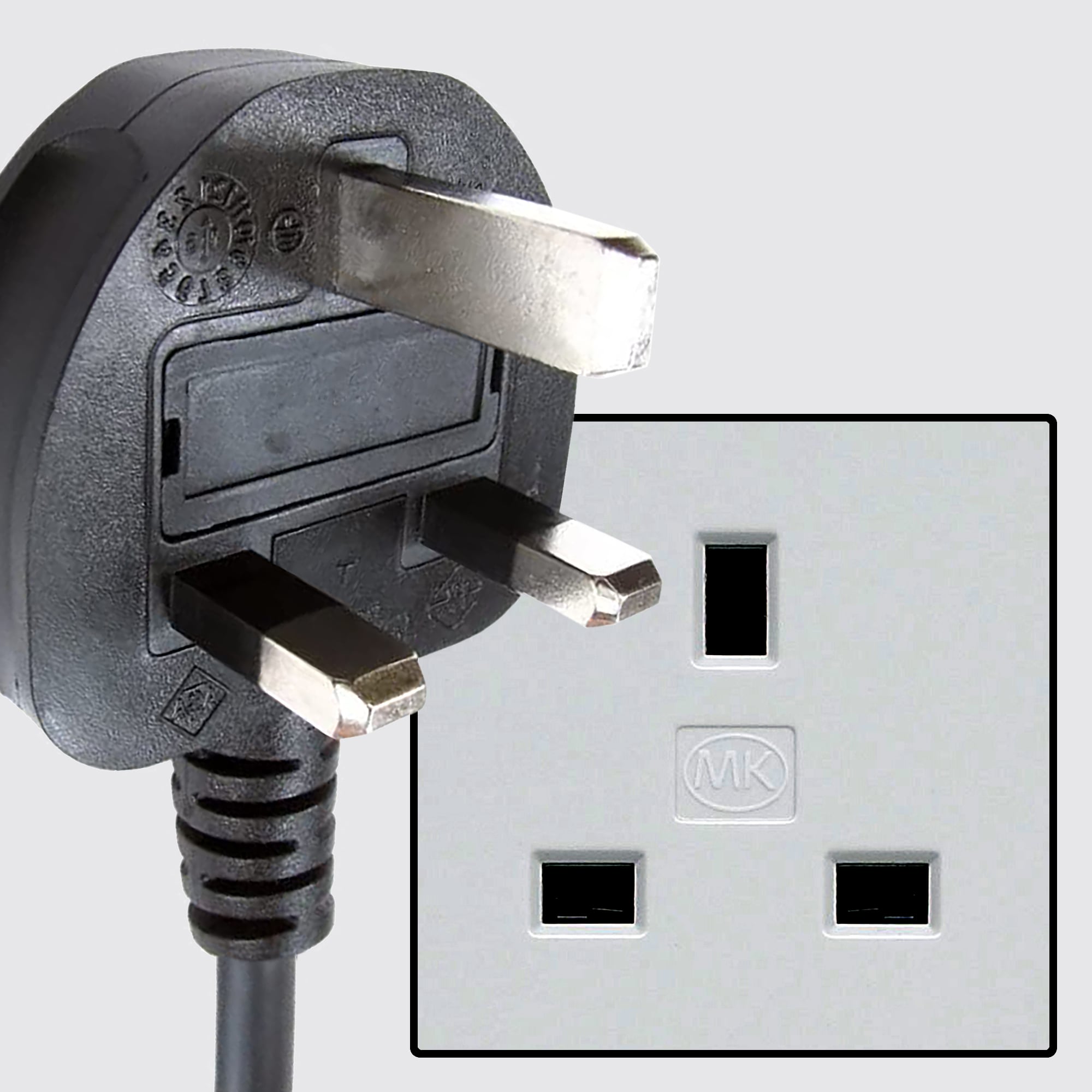
Beyond switches, the socket outlet standard BS 1363 plays a critical role in defining the physical format and safety requirements for middle east electrical switches and sockets in several key markets. The three-pin rectangular plug and socket system defined by BS 1363 is the dominant format in the UAE, Qatar, Bahrain, and other GCC countries, as well as in many parts of the Levant. This standard specifies requirements for shuttered live and neutral contacts, fused plugs, and socket mechanical strength — all of which are enforced through local approval processes.
For project teams sourcing middle east electrical switches and sockets, specifying BS 1363-compliant socket outlets ensures compatibility with the installed base of plugs and appliances used throughout the region. Deviating from this format without explicit approval from the local authority having jurisdiction can result in product rejection during inspection, project delays, and potential liability issues if incidents occur post-installation.
IEC Standards and Their Application Across the Region
IEC 60669 as the International Benchmark
The International Electrotechnical Commission's IEC 60669 standard serves as the foundational international benchmark for middle east electrical switches and sockets. IEC 60669 Part 1 covers general requirements for manually operated switches, while subsequent parts address specific switch types including time-delay switches, remote-control switches, and electronic switches. Countries across the Middle East that have developed their own national standards have typically done so by adopting IEC 60669 with local modifications rather than creating entirely independent frameworks.
The practical implication for procurement is that middle east electrical switches and sockets carrying IEC 60669 certification are generally well-positioned for regional acceptance, provided they also meet any additional local requirements. Testing to IEC 60669 involves rigorous evaluation of electrical endurance, mechanical strength, resistance to heat and fire, and protection against accidental contact — all of which are directly relevant to the demanding climatic and operational conditions found across the Middle East.
Products rated at 10A and 250V, which represent the most common specification for residential and light commercial middle east electrical switches and sockets, must demonstrate compliance with the full test sequence defined in IEC 60669-1. This includes a minimum of 40,000 operating cycles for standard switches, confirming that the product will perform reliably over its intended service life in buildings where air conditioning and lighting loads are switched frequently.
IEC 60884 for Socket Outlets and Plugs
For socket outlets specifically, IEC 60884 provides the international standard framework that complements IEC 60669 for switches. Together, these two standards define the complete performance envelope for middle east electrical switches and sockets used in fixed wiring installations. IEC 60884 addresses contact dimensions, current-carrying capacity, mechanical retention force, and protection against electric shock — requirements that are directly enforced through national certification schemes in countries such as Saudi Arabia and the UAE.
Several GCC countries have adopted IEC 60884 as the basis for their national socket outlet standards, sometimes with modifications to reflect local voltage and frequency conditions or to mandate specific physical formats. Understanding which version of IEC 60884 applies in a given country is essential for teams sourcing middle east electrical switches and sockets for large-scale projects, as minor dimensional or performance differences between national variants can affect product approval outcomes.
National and Regional Certification Requirements
SASO and Saudi Arabian Compliance
In Saudi Arabia, the Saudi Standards, Metrology and Quality Organization — known as SASO — is the primary authority governing the approval of middle east electrical switches and sockets. SASO has developed a technical regulation framework that mandates conformity assessment for electrical wiring accessories before they can be imported or sold in the Kingdom. Products must be tested by accredited laboratories and registered under the SASO product certification scheme, which references both IEC and BS standards as the technical basis for evaluation.
The SASO conformity mark is a mandatory requirement for middle east electrical switches and sockets entering the Saudi market. Importers and distributors must ensure that their products carry valid SASO certification and that the certification remains current throughout the product's commercial lifecycle. Non-compliant products are subject to customs rejection, market withdrawal, and financial penalties — making early engagement with the SASO certification process a critical step in any Saudi market entry strategy.
SASO technical regulations for electrical switches and sockets typically reference IEC 60669 and IEC 60884 as the core performance standards, with additional requirements for marking, packaging, and documentation. Products that have already been tested to these IEC standards by accredited laboratories are generally well-positioned to achieve SASO certification, provided the test reports are current and cover the full scope of the applicable standard.
ESMA and UAE Market Access
In the United Arab Emirates, the Emirates Authority for Standardization and Metrology — ESMA — oversees the conformity requirements for middle east electrical switches and sockets. The UAE has implemented a mandatory product registration system under which electrical wiring accessories must be registered with ESMA before they can be placed on the market. This system is designed to ensure that only products meeting the relevant UAE standards, which are largely aligned with IEC and BS frameworks, are available to contractors and end users.
The UAE also enforces the requirements of the Dubai Electricity and Water Authority and the Abu Dhabi Distribution Company at the project level, meaning that middle east electrical switches and sockets specified for projects in these emirates must meet the technical requirements of both ESMA and the relevant distribution authority. Project engineers should verify the specific approved product lists maintained by these authorities when selecting wiring accessories for UAE-based developments.
ESMA's standards for switches and sockets are published as UAE.S standards, which are typically identical to or closely derived from the corresponding IEC standards. This alignment simplifies the compliance pathway for manufacturers and importers who have already achieved IEC certification, as the technical requirements are substantially the same and test reports from accredited IEC laboratories are generally accepted as the basis for UAE registration.
Physical Format Standards and the 86mm Module System
The 86mm x 86mm Gang Format in Regional Practice
One of the most practically significant aspects of middle east electrical switches and sockets is the physical format standard that governs gang size and mounting dimensions. The 86mm x 86mm single-gang format is widely used across the Middle East for residential and commercial wiring accessories, reflecting the influence of both British and Asian manufacturing traditions on regional product specifications. This format is compatible with standard back boxes and conduit systems used throughout the GCC and Levant, making it a practical default for most project types.
Products conforming to the 86mm x 86mm format are designed to fit standard flush-mounted back boxes, which are the dominant installation method in the region's residential and commercial construction sectors. The dimensional consistency of this format ensures interchangeability between products from different manufacturers, which is important for maintenance and replacement scenarios in long-lifecycle buildings. For middle east electrical switches and sockets, adherence to the 86mm module standard is therefore both a practical and a commercial requirement.
Material and Environmental Considerations
The material specification of middle east electrical switches and sockets is also governed by the applicable standards, with particular attention to flame retardancy, heat resistance, and UV stability. Bakelite and high-grade thermoplastic materials are commonly specified for switch faceplates and bodies in the region, as these materials offer the combination of electrical insulation, mechanical durability, and resistance to the high ambient temperatures encountered in Middle Eastern climates.
IEC 60669 and BS EN 60669 both include glow-wire and needle-flame tests that evaluate the fire behavior of non-metallic materials used in switch construction. These tests are directly relevant to the Middle East context, where elevated temperatures can accelerate material degradation and where fire safety standards in buildings are increasingly stringent. Specifying middle east electrical switches and sockets that have been tested and certified to these standards provides assurance that the products will perform safely under the thermal conditions typical of the region.
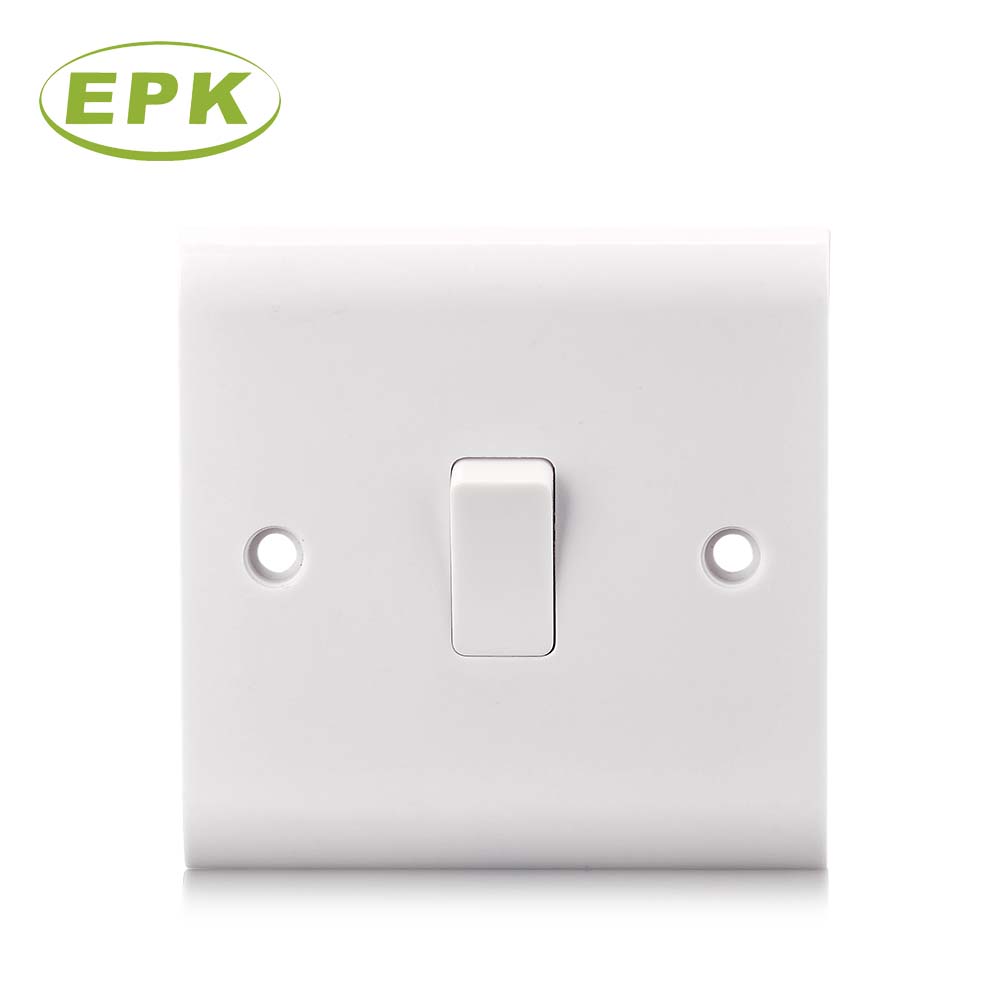
White Bakelite panel switches, for example, are a well-established product category for middle east electrical switches and sockets, combining the required electrical performance with a clean aesthetic that suits both residential and commercial interiors. When these products carry BS EN IEC 60669 certification and are manufactured to the 86mm x 86mm format, they represent a straightforward compliance solution for the majority of standard wiring accessory applications across the region.
Practical Compliance Guidance for Project Teams
Verifying Certification Before Procurement
For project teams working with middle east electrical switches and sockets, the most important practical step is to verify the certification status of products before committing to procurement. This means requesting current test reports from accredited laboratories, confirming that the reports cover the full scope of the applicable standard, and checking that the certification is valid for the specific product variant being specified — not just a similar product from the same manufacturer.
Certification documents for middle east electrical switches and sockets should clearly state the standard to which the product has been tested, the rated current and voltage, the test laboratory's accreditation body, and the date of issue. Products that carry only self-declared compliance without third-party test evidence are a significant compliance risk in markets such as Saudi Arabia and the UAE, where regulatory authorities conduct market surveillance and can impose penalties for non-compliant products found in the supply chain.
Aligning Specifications with Local Authority Requirements
Beyond product certification, project teams must ensure that their specifications for middle east electrical switches and sockets align with the requirements of the local authority having jurisdiction over the project. In practice, this means consulting the relevant national electrical installation code — such as the Saudi Building Code, the UAE Fire and Life Safety Code, or the Qatar Construction Specification — to confirm that the specified products meet all applicable requirements for the project type and occupancy category.
Local authorities in the Middle East increasingly require that middle east electrical switches and sockets be sourced from approved supplier lists or carry specific national certification marks as a condition of project approval. Engaging with the authority having jurisdiction early in the design phase, and confirming product compliance before finalizing specifications, is the most effective way to avoid compliance-related delays during construction and commissioning.
FAQ
Which standard is most commonly required for electrical switches in the GCC countries?
BS EN IEC 60669 is the most widely referenced standard for middle east electrical switches and sockets across the GCC, covering performance requirements for manually operated switches in household and similar fixed electrical installations. Many GCC countries have adopted this standard either directly or through their national standards bodies, making it the primary compliance benchmark for the region.
Do middle east electrical switches and sockets need separate certification for each country?
In most cases, yes. While the underlying technical standards are similar across the region, countries such as Saudi Arabia and the UAE operate their own mandatory certification schemes — SASO and ESMA respectively — that require separate product registration. A product certified in one country may still need to undergo additional conformity assessment before it can be legally sold in another GCC market.
What does the 10A 250V rating mean for switches used in the Middle East?
The 10A 250V rating indicates the maximum current and voltage that the switch is designed to handle safely under normal operating conditions. For middle east electrical switches and sockets used in residential and light commercial applications, this rating is the standard specification and is consistent with the 220–240V supply voltage used throughout the GCC and most of the broader Middle East region.
Why is the 86mm x 86mm format important when specifying switches for Middle East projects?
The 86mm x 86mm single-gang format is the dominant physical standard for middle east electrical switches and sockets in the region's residential and commercial construction sectors. Specifying products in this format ensures compatibility with standard back boxes and conduit systems already installed on site, simplifies procurement and replacement, and aligns with the expectations of local electrical inspectors and installation contractors.
Table of Contents
- The Role of British Standards in Middle East Electrical Regulation
- IEC Standards and Their Application Across the Region
- National and Regional Certification Requirements
- Physical Format Standards and the 86mm Module System
- Practical Compliance Guidance for Project Teams
-
FAQ
- Which standard is most commonly required for electrical switches in the GCC countries?
- Do middle east electrical switches and sockets need separate certification for each country?
- What does the 10A 250V rating mean for switches used in the Middle East?
- Why is the 86mm x 86mm format important when specifying switches for Middle East projects?