
 EN
EN
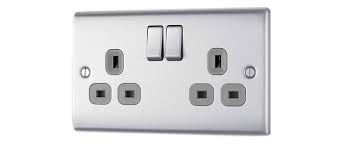
Selecting the right middle east electrical switches and sockets is one of the most consequential decisions a project engineer, procurement manager, or electrical contractor can make. The region spans a diverse range of climates, regulatory environments, and building typologies — from high-rise commercial towers in Dubai and Riyadh to large-scale residential developments in Qatar and Kuwait. Each of these contexts places distinct demands on the electrical components installed within them, and a poor selection can lead to compliance failures, safety incidents, and costly retrofits down the line.
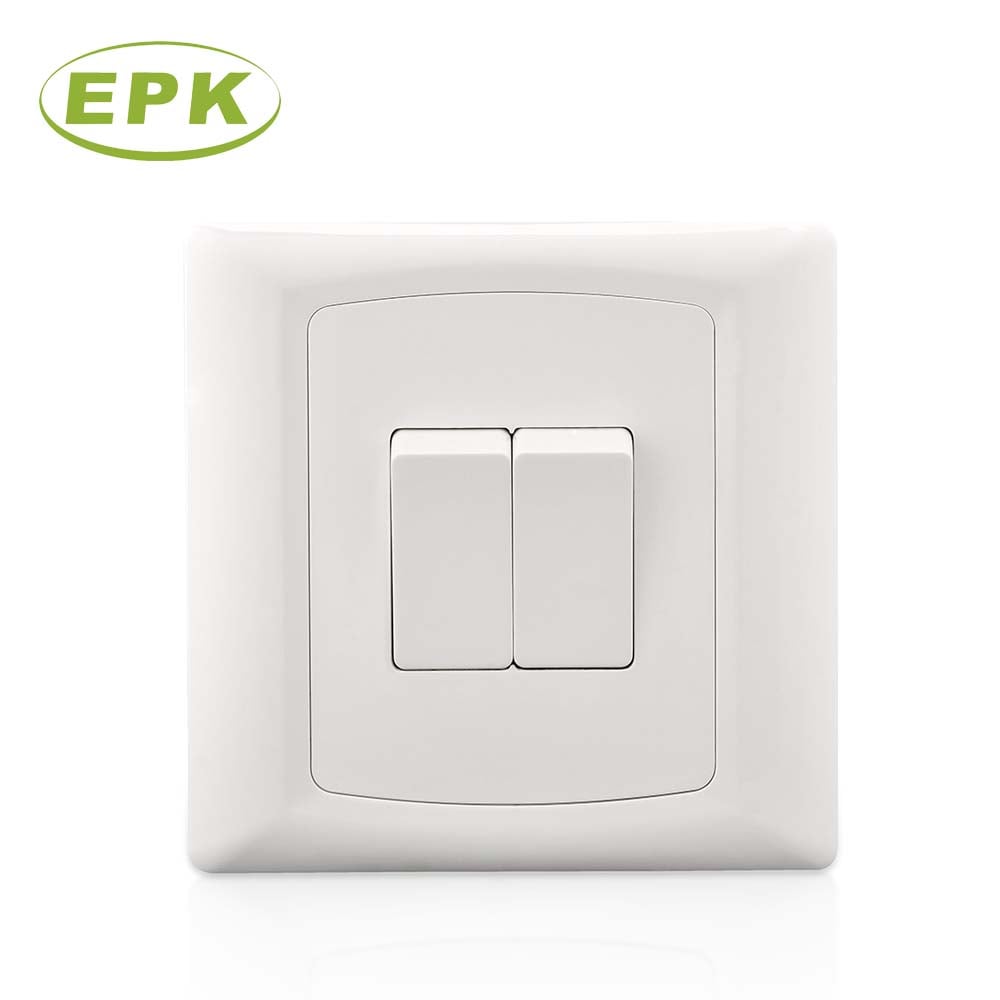
This guide is designed to help professionals navigate the key selection criteria for middle east electrical switches and sockets, covering regulatory standards, environmental considerations, material performance, installation requirements, and long-term reliability. Whether you are specifying components for a new build or upgrading an existing facility, understanding what separates a suitable product from an unsuitable one in this region will save time, reduce risk, and ensure your project meets the expectations of clients and authorities alike.
Understanding the Regulatory Landscape for Middle East Electrical Switches and Sockets
Country-Specific Standards and Certification Requirements
The Middle East does not operate under a single unified electrical standard. Different countries within the Gulf Cooperation Council and the broader region have adopted different baseline standards, and in many cases, they have layered additional local requirements on top of international frameworks. Saudi Arabia, for example, references SASO standards, while the UAE aligns closely with British Standards such as BS 1363 for sockets and BS EN 60669 for switches. Qatar and Kuwait similarly draw from a mix of IEC and BS frameworks.
For middle east electrical switches and sockets, this means that a product certified for one country may not automatically be accepted in another. Procurement teams must verify that the specific products they are sourcing carry the certifications recognized by the authority having jurisdiction in the project country. Failing to do so can result in inspection failures, project delays, and the need to replace already-installed components.
The EN 60669-1 standard, which governs household and similar fixed electrical installations for switches, is widely referenced across the region and provides a reliable baseline for quality and safety. Products tested and certified to this standard — with a minimum cycle rating of 20,000 operations — offer a measurable assurance of durability that aligns with the expectations of regional specifiers.
Voltage and Frequency Compatibility Across the Region
Most Middle Eastern countries operate on a 220–250V AC supply at 50Hz, which aligns with European and international norms. This means that middle east electrical switches and sockets rated for 220–250V AC are broadly compatible across the region's residential and commercial sectors. However, it is important to verify the exact voltage tolerance of each product, particularly for installations in industrial or mixed-use facilities where supply fluctuations may be more pronounced.
Copper contacts are the preferred choice for switch mechanisms in this voltage range. Copper offers superior conductivity, lower contact resistance, and better resistance to arcing compared to lower-grade alloys. For middle east electrical switches and sockets used in high-traffic commercial environments, copper contacts directly contribute to longer service life and reduced maintenance frequency.
Environmental Factors That Influence Product Selection
Heat, Humidity, and Dust Exposure
The Middle East is characterized by extreme heat, high UV exposure, and in coastal areas, significant humidity. Inland regions such as parts of Saudi Arabia and the UAE experience intense dry heat and frequent sandstorms. These environmental conditions place considerable stress on the materials used in middle east electrical switches and sockets, particularly the outer panels and internal mechanisms.
Polycarbonate (PC) panels are widely specified for this environment because of their excellent thermal stability, impact resistance, and resistance to UV-induced yellowing. Unlike lower-grade plastics that can become brittle or discolored under prolonged sun exposure, polycarbonate maintains its structural integrity and aesthetic appearance over many years. For middle east electrical switches and sockets installed in areas with direct sunlight or high ambient temperatures, PC panels represent a technically sound choice.
In coastal cities such as Abu Dhabi, Jeddah, and Doha, salt-laden air accelerates corrosion of metallic components. Specifiers should ensure that the internal contacts and mounting hardware of middle east electrical switches and sockets are made from corrosion-resistant materials. Copper contacts with appropriate surface treatment provide the necessary protection in these environments.
Installation Environment and IP Rating Considerations
Not all areas within a building present the same environmental risk. Bathrooms, kitchens, outdoor terraces, and utility rooms require middle east electrical switches and sockets with appropriate ingress protection ratings. Standard wall switches rated for dry indoor use are not suitable for wet or dusty locations without additional protective enclosures or inherently higher IP ratings.
For general residential and commercial dry areas, standard switches and sockets with a clean, flush-mounted design are appropriate. The 86x86mm panel format is widely used across the region and integrates well with standard back boxes and conduit systems commonly found in Middle Eastern construction. This format also simplifies replacement and maintenance, as it is compatible with a broad range of installation accessories.
Mechanical and Electrical Performance Criteria
Current Rating and Load Compatibility
Middle east electrical switches and sockets must be matched to the electrical loads they will control or supply. A 10A rating is standard for general lighting circuits and low-power appliances in residential and light commercial settings. For heavier loads such as air conditioning units, water heaters, or kitchen appliances, higher-rated sockets and switches are required.
Specifying a switch or socket with a current rating that matches or exceeds the circuit's design load is a fundamental safety requirement. Undersized components will overheat under sustained load, degrading insulation, increasing contact resistance, and ultimately creating a fire risk. Middle east electrical switches and sockets used in air-conditioned environments — which is virtually universal in the region — must be able to handle the thermal cycling associated with HVAC systems without performance degradation.
Cycle Life and Long-Term Reliability
In commercial buildings, hotels, hospitals, and high-density residential developments, switches are operated many times per day. Over the lifespan of a building, this accumulates to tens of thousands of switching cycles. Middle east electrical switches and sockets with a certified minimum cycle life of 20,000 operations provide a quantifiable reliability benchmark that supports long-term maintenance planning.
Products that meet EN 60669-1 cycle testing requirements have been validated under controlled conditions to confirm that their mechanical and electrical performance does not degrade prematurely. For project owners and facility managers, this translates directly into reduced replacement frequency and lower lifecycle costs. When evaluating middle east electrical switches and sockets for large-scale projects, cycle life certification should be treated as a non-negotiable specification criterion rather than an optional feature.
The quality of the internal spring mechanism also plays a role in long-term performance. A well-engineered rocker or toggle mechanism provides consistent tactile feedback throughout its service life, which is important for user satisfaction in premium residential and hospitality projects where the feel of fittings contributes to the overall perception of quality.
Aesthetic and Design Alignment with Regional Project Types
Finish, Color, and Panel Format
Middle east electrical switches and sockets are visible elements of interior design, and in premium projects — which represent a significant share of the regional market — their appearance matters as much as their technical performance. White finishes remain the dominant choice across residential, hospitality, and commercial sectors because of their versatility and compatibility with a wide range of interior palettes.
The 86x86mm square panel format is the regional standard for most wall-mounted switches and sockets. It offers a clean, modern profile that suits contemporary interior design trends prevalent in Gulf architecture. Screwed installation provides a secure, tamper-resistant fixing that is preferred in commercial and public-access environments where vandalism or accidental displacement is a concern.
For multi-gang configurations, the 2-gang format is particularly common in bedrooms, living areas, and corridors where multiple lighting circuits need to be controlled from a single plate. Middle east electrical switches and sockets in 2-gang configurations reduce the number of back boxes required and create a neater, more organized wall plate layout that aligns with the clean aesthetic expectations of regional developers and interior designers.
Compatibility with Local Installation Practices
Installation practices in the Middle East are largely influenced by British and IEC conventions, with conduit-based wiring systems being the norm in most commercial and residential construction. Middle east electrical switches and sockets designed for screwed installation into standard back boxes integrate seamlessly with these systems and allow electricians to work efficiently without requiring specialized tools or techniques.
The availability of compatible accessories — including back boxes, cable management systems, and surface mounting frames — is an important practical consideration. Specifying middle east electrical switches and sockets from a range that offers a complete ecosystem of compatible accessories reduces the risk of fitment issues on site and simplifies the procurement process for contractors managing large-scale installations.
Procurement and Project Specification Best Practices
Aligning Specifications with Project Tier and Budget
Not every project demands the same specification level. A luxury residential tower in Downtown Dubai has different requirements from a mid-range apartment complex in Muscat. When specifying middle east electrical switches and sockets, procurement teams should align product selection with the project tier, expected occupancy density, and maintenance regime.
For high-end projects, the emphasis should be on premium materials, certified cycle life, and refined aesthetics. For mid-tier and affordable housing projects, the priority shifts toward reliable performance, regulatory compliance, and cost efficiency. In both cases, middle east electrical switches and sockets that meet EN 60669-1 and carry appropriate regional certifications provide a defensible specification baseline that satisfies both technical and commercial requirements.
Bulk procurement for large projects also introduces considerations around supply consistency. Specifiers should confirm that the products they select are available in sufficient quantities and that the manufacturer can guarantee consistent production quality across large orders. Variations in color, finish, or dimensional tolerances between batches can create visible inconsistencies in installed work, which is particularly problematic in high-visibility areas.
Documentation, Traceability, and Compliance Records
Regulatory authorities in the Middle East increasingly require documentation of product compliance as part of the building inspection and handover process. For middle east electrical switches and sockets, this means maintaining records of test certificates, product datasheets, and declarations of conformity for all installed components. Specifiers and contractors should request this documentation from suppliers at the time of procurement rather than attempting to gather it retrospectively.
Traceability is also important for warranty claims and post-installation support. Products supplied with clear batch identification and manufacturer contact information allow facility managers to quickly source replacements or raise technical queries if issues arise after handover. Middle east electrical switches and sockets from suppliers who provide comprehensive technical support and documentation reduce the administrative burden on project teams and contribute to smoother project closeout.
FAQ
What standards should middle east electrical switches and sockets comply with?
The applicable standards vary by country, but EN 60669-1 for switches and relevant IEC or BS standards for sockets are widely recognized across the Gulf region. Saudi Arabia references SASO standards, while the UAE and Qatar align closely with British Standards. Always verify the specific certification requirements with the local authority having jurisdiction before finalizing your specification.
Why are polycarbonate panels preferred for middle east electrical switches and sockets?
Polycarbonate offers superior thermal stability, UV resistance, and impact strength compared to standard ABS or lower-grade plastics. In the Middle East's high-temperature, high-UV environment, PC panels maintain their color, shape, and structural integrity over many years, making them the preferred material for both residential and commercial applications.
What does a 20,000-cycle rating mean for a wall switch?
A 20,000-cycle rating means the switch has been tested and certified to operate reliably for at least 20,000 on-off switching operations under standardized conditions as defined by EN 60669-1. This provides a measurable benchmark for durability and is particularly important for commercial and high-occupancy residential projects where switches are used frequently throughout the day.
Is the 86x86mm panel format compatible with standard back boxes used in Middle East construction?
Yes, the 86x86mm panel format is the widely adopted standard for wall switches and sockets across the Middle East and is compatible with the standard back boxes and conduit systems used in regional construction. This format simplifies installation, replacement, and maintenance, and is supported by a broad range of compatible accessories from most electrical fitting suppliers active in the region.
Table of Contents
- Understanding the Regulatory Landscape for Middle East Electrical Switches and Sockets
- Environmental Factors That Influence Product Selection
- Mechanical and Electrical Performance Criteria
- Aesthetic and Design Alignment with Regional Project Types
- Procurement and Project Specification Best Practices
-
FAQ
- What standards should middle east electrical switches and sockets comply with?
- Why are polycarbonate panels preferred for middle east electrical switches and sockets?
- What does a 20,000-cycle rating mean for a wall switch?
- Is the 86x86mm panel format compatible with standard back boxes used in Middle East construction?