
 EN
EN
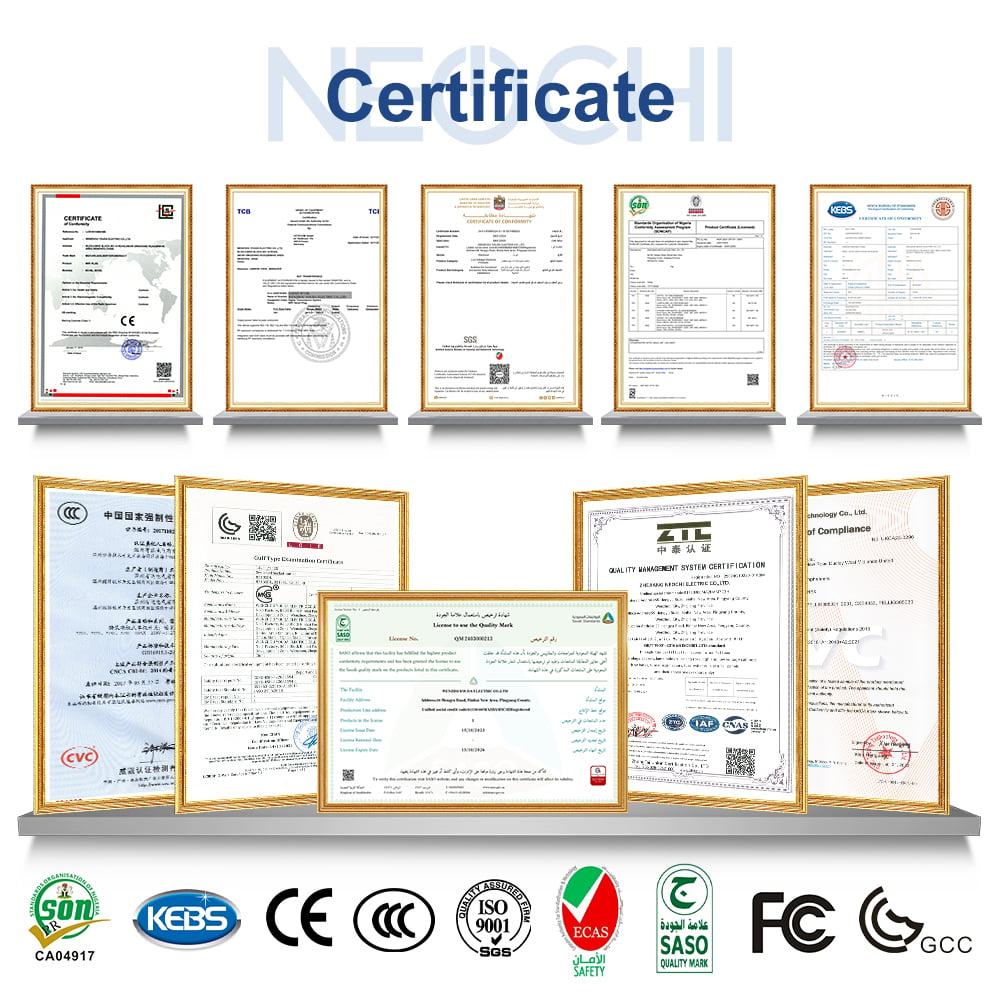
CE certified wall switches represent a critical compliance marker in electrical installations across Europe and many international markets. Understanding what this certification truly means is essential for facility managers, electricians, contractors, and building owners who specify or install electrical equipment. The CE marking on wall switches indicates that the product meets specific European safety and performance standards, yet many professionals remain unclear about the exact scope and implications of this certification. This article clarifies the genuine meaning of CE certified wall switches, the standards they must satisfy, and why this certification matters for your installations.
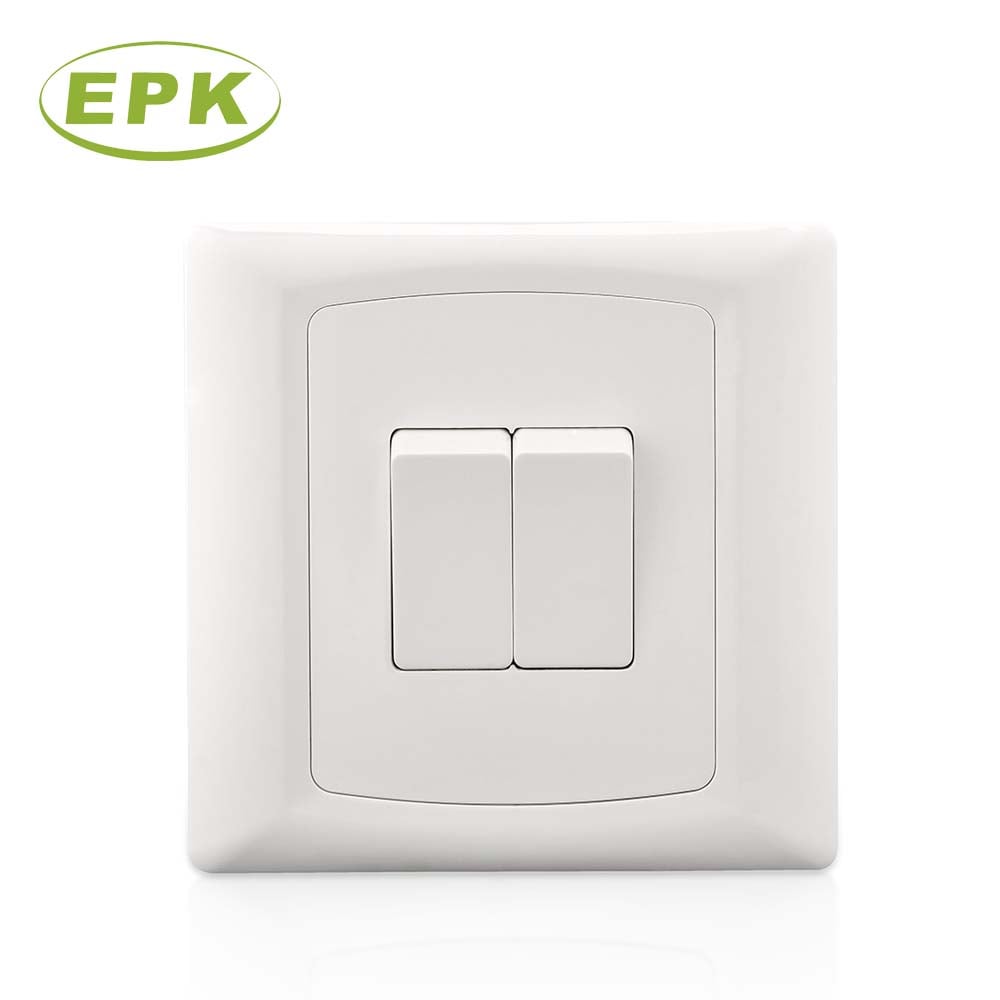
The CE marking on electrical products, including CE certified wall switches, does not guarantee superior quality or performance beyond minimum legal requirements. Instead, it certifies that the manufacturer has verified compliance with applicable EU directives and harmonized standards. CE certified wall switches must meet safety requirements, electromagnetic compatibility standards, and performance criteria established by European regulatory bodies. This certification is a legal requirement for selling electrical equipment in European Economic Area countries, and understanding its meaning helps you make informed procurement decisions and ensure workplace safety compliance.
Understanding CE Marking and Regulatory Compliance
What CE Certification Actually Represents
CE certified wall switches bear the CE marking to signify that the manufacturer assumes responsibility for compliance with EU directives. This marking does not mean the product was tested or approved by a government agency or external certifying body. Rather, CE certified wall switches indicate that the manufacturer has conducted a conformity assessment to verify compliance with relevant EU directives. The manufacturer of CE certified wall switches must prepare technical documentation, perform risk assessments, and ensure the product meets all applicable harmonized standards before applying the CE marking. This self-certification approach places responsibility on manufacturers to maintain compliance, making due diligence in supplier selection crucial for buyers.
Key EU Directives Governing CE Certified Wall Switches
CE certified wall switches must comply with the Low Voltage Directive (2014/35/EU), which sets safety requirements for electrical equipment operating between 50 and 1000 volts. The Radio Equipment Directive (2014/53/EU) applies if the CE certified wall switches incorporate wireless connectivity. Additionally, the Electromagnetic Compatibility Directive (2014/30/EU) ensures that CE certified wall switches do not emit excessive electromagnetic interference and can tolerate the electromagnetic environment in which they operate. These directives collectively form the regulatory framework that CE certified wall switches must satisfy. Compliance with these directives is mandatory for legal sale within the EU, and non-compliant products face market withdrawal and potential liability for manufacturers and distributors.
Harmonized Standards for CE Certified Wall Switches
EN 60669-1 and Safety Performance Standards
The primary harmonized standard for CE certified wall switches is EN 60669-1, which specifies safety requirements for electronic switches used in household and similar environments. This standard, adopted by CEN (European Committee for Standardization), establishes performance criteria that CE certified wall switches must satisfy. EN 60669-1 covers electrical safety, insulation resistance, dielectric strength, temperature limits, and mechanical durability. CE certified wall switches complying with EN 60669-1 must demonstrate a minimum number of operational cycles, typically 20,000 cycles or more, ensuring reliable long-term performance in residential and commercial settings. This standard ensures that CE certified wall switches maintain consistent safety margins throughout their design life and will not fail prematurely under normal operating conditions.
Additional Relevant Standards and Testing Requirements
Beyond EN 60669-1, CE certified wall switches may need to comply with EN 60950-1 or EN 62368-1 if they contain electronic components or power supplies. EN 61000-6-2 applies to industrial immunity requirements, while EN 61000-6-4 covers industrial emissions standards. For residential applications, EN 61000-3-2 and EN 61000-3-3 establish harmonic current and flicker limits that CE certified wall switches must respect. Testing for CE certified wall switches includes verification of contact resistance, switching capacity, thermal performance under fault conditions, and mechanical strength of terminals and components. These rigorous testing protocols ensure that CE certified wall switches deliver consistent safety and performance across diverse installation environments, from residential homes to commercial office buildings and industrial facilities.
What CE Certified Wall Switches Mean for Installation and Safety
Installation Requirements and Regulatory Compliance
CE certified wall switches must be installed in accordance with local national wiring regulations and the product documentation provided by the manufacturer. The CE marking certifies that the product meets EU safety standards, but proper installation remains the responsibility of qualified electricians and facility managers. CE certified wall switches should be installed by competent personnel who understand electrical safety, load calculations, and circuit protection requirements. The certification of CE certified wall switches covers the product itself, not the installation methodology or system design. Therefore, even certified switches can create safety risks if installed incorrectly, connected to inappropriate circuits, or used beyond their rated capacity. Always verify that CE certified wall switches are rated for the specific voltage, current, and frequency of your electrical system before installation.
Maintenance, Documentation, and Long-Term Performance
Proper documentation accompanies CE certified wall switches, including technical datasheets, safety information, and installation instructions in the local language. Buyers and installers should review this documentation to confirm that CE certified wall switches meet the specific requirements of their application. CE certified wall switches require periodic inspection and maintenance, particularly in high-traffic areas or environments with extreme temperature fluctuations. Dust, moisture, and mechanical wear can affect the performance of even well-designed CE certified wall switches over time. Building owners should establish maintenance protocols that include visual inspections, operational testing, and replacement of damaged units. Regular maintenance of CE certified wall switches extends their operational life and ensures continued safety compliance throughout the building lifecycle.
Common Misconceptions About CE Certified Wall Switches
What CE Certification Does Not Guarantee
A frequent misconception is that CE certified wall switches have undergone independent third-party testing and approval. In reality, most CE certified wall switches are subject to self-certification by manufacturers, with documentation retained for regulatory inspection. CE certified wall switches are not necessarily 'premium' or superior in quality compared to non-certified products outside the EU. The CE marking represents compliance with minimum legal safety standards, not excellence beyond those standards. CE certified wall switches do not carry government liability insurance or warranty coverage beyond the manufacturer's stated terms. Buyers sometimes assume that CE certified wall switches automatically work with all electrical systems; however, voltage, frequency, and load capacity must still be verified for compatibility. Understanding these limitations helps facility managers make realistic procurement decisions and avoid false confidence in product performance.
Regional Variations and Non-EU Applications
CE certified wall switches are legally required in the European Union and European Economic Area, but requirements differ in other regions. The United States uses UL or CSA certification standards instead of CE marking. Canada enforces different electrical codes and certification pathways for wall switches. Many countries outside Europe recognize or accept CE certified wall switches as evidence of compliance with international safety principles, but local national regulations take precedence. Some manufacturers produce CE certified wall switches specifically for European sale and may not certify the same products for other markets due to differing regulatory requirements. When specifying wall switches for international projects, verify the applicable local standards and certifications required in the target installation region rather than assuming CE certified wall switches satisfy all regional requirements.
FAQ
What does the CE marking on wall switches legally mean?
The CE marking on wall switches signifies that the manufacturer has conducted a conformity assessment and confirmed compliance with applicable EU directives, including the Low Voltage Directive (2014/35/EU) and Electromagnetic Compatibility Directive (2014/30/EU). CE certified wall switches must meet harmonized standards such as EN 60669-1 for safety performance. The CE marking is a legal requirement for selling electrical products in the EU and confirms that the manufacturer accepts responsibility for compliance with regulatory requirements.
Are CE certified wall switches tested by independent laboratories?
Most CE certified wall switches are subject to self-certification by manufacturers rather than mandatory third-party testing. However, some manufacturers voluntarily use notified bodies (independent laboratories) to verify compliance with specific directives, particularly those marked with a notified body number on the CE mark. CE certified wall switches produced under self-certification retain technical documentation that regulators can inspect to verify compliance claims. Buyers seeking additional assurance may request evidence of testing or certification from third-party laboratories, though this is not legally required for CE certification.
Do CE certified wall switches work everywhere, or only in Europe?
CE certified wall switches are required for sale in European Union and European Economic Area countries. Many manufacturers export CE certified wall switches to other regions because the certification demonstrates compliance with recognized safety standards. However, CE certification does not automatically satisfy regulatory requirements in the United States, Canada, Australia, or other nations with independent certification systems. Always verify local electrical codes and required certifications for your specific installation region, as CE certified wall switches may need additional local approvals or certifications to comply with national regulations.