
 EN
EN

Achieving CE certified wall switches represents a critical milestone for manufacturers operating in European and international markets. The CE certification process ensures that wall switches meet stringent safety, performance, and electromagnetic compatibility standards required for consumer protection. Understanding how manufacturers accomplish this certification is essential for anyone involved in electrical product development, quality assurance, or regulatory compliance. The journey to producing CE certified wall switches involves multiple stages of design verification, testing protocols, and documentation procedures that demand technical expertise and meticulous attention to detail.
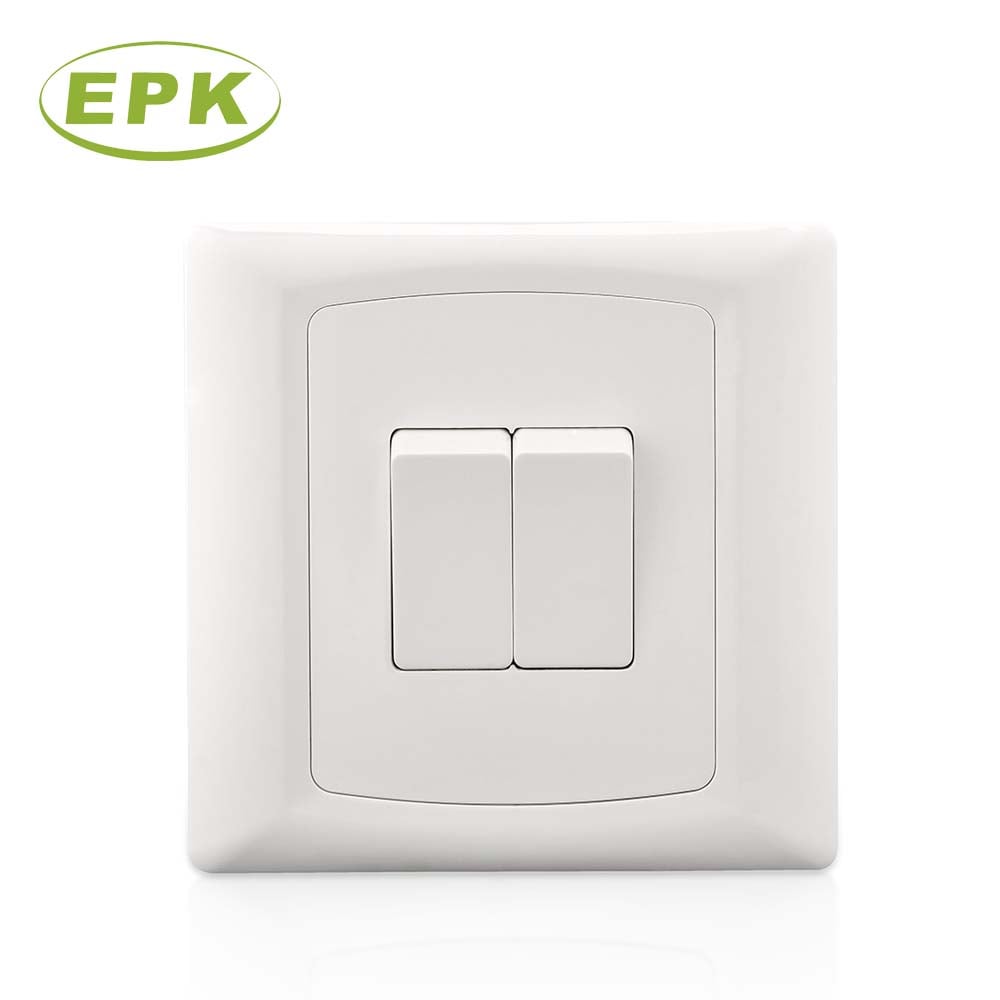
Manufacturers pursuing CE certified wall switches must navigate a comprehensive framework of European directives and harmonized standards that govern electrical safety and product performance. The certification process is not a single approval step but rather a systematic approach that integrates engineering design, production quality control, and third-party testing into the manufacturing workflow. Successfully achieving this certification demonstrates commitment to product safety, regulatory compliance, and customer confidence in electrical installations across residential and commercial buildings.
Understanding CE Certification Requirements for Wall Switches
Core Safety and Performance Standards
CE certified wall switches must comply with EN 60669-1, the primary European standard governing general requirements for electronic electronic switches used in households and similar environments. This standard establishes baseline safety criteria that all CE certified wall switches must satisfy, including electrical safety, mechanical durability, thermal performance, and operational reliability. Manufacturers designing CE certified wall switches evaluate construction materials, contact resistance, insulation properties, and mechanical switching cycles to ensure compliance with these rigorous performance benchmarks.
The Low Voltage Directive (2014/35/EU) and the Electromagnetic Compatibility Directive (2014/30/EU) form the legal foundation for CE certified wall switches in European markets. These directives mandate that CE certified wall switches undergo formal assessment procedures and demonstrate conformity through documented evidence. Manufacturers implement design reviews and risk assessments early in development to ensure that CE certified wall switches incorporate safety features such as flame-resistant materials, secure terminals, and protective barriers that prevent accidental contact with live conductors.
Harmonized Standards and Technical Documentation
Achieving CE certified wall switches requires manufacturers to reference harmonized European standards that provide technical specifications and test methodologies. Beyond EN 60669-1, additional standards such as EN 60950-1 for information technology equipment and EN 61000-6-2 for electromagnetic immunity establish comprehensive safety and performance criteria that CE certified wall switches must satisfy. Manufacturers compile technical documentation files for CE certified wall switches that include design drawings, material specifications, risk assessments, and test reports from accredited laboratories.
The technical file for CE certified wall switches serves as the foundation of the CE Mark declaration of conformity and must be maintained by manufacturers for at least ten years after production. This documentation demonstrates that CE certified wall switches have been designed and manufactured according to applicable standards and that appropriate testing and quality control procedures have been followed throughout the production process.
Testing and Verification Procedures for CE Certified Wall Switches
Type Examination and Laboratory Testing
Manufacturers pursuing CE certified wall switches typically engage with notified bodies—independent testing laboratories authorized by European competent authorities—to conduct type examination procedures. These laboratories perform comprehensive testing on sample units of CE certified wall switches to verify compliance with EN 60669-1 and related standards. Testing protocols for CE certified wall switches include mechanical durability tests measuring switching cycles (typically minimum 20,000 cycles), electrical contact resistance measurements, insulation breakdown tests at specified voltages, and thermal stability assessments under normal and fault conditions.
The type examination process for CE certified wall switches also includes operational tests that simulate real-world usage scenarios, environmental stress testing to evaluate performance across temperature and humidity ranges, and safety function verification to ensure that protective mechanisms operate correctly. Test reports from accredited laboratories provide manufacturers with objective evidence that CE certified wall switches perform reliably and safely across diverse installation environments.
Production Quality Control and Batch Testing
Beyond initial type examination, manufacturers of CE certified wall switches implement ongoing production quality control procedures to ensure that every manufactured unit meets the standards confirmed during testing. Production quality control for CE certified wall switches includes incoming material inspections, in-process manufacturing checks, and final product verification before shipment. Manufacturers establish internal testing protocols that mirror the rigorous procedures used by notified bodies, allowing quality teams to verify that CE certified wall switches maintain consistent performance across production batches.
Statistical process control and batch testing strategies help manufacturers maintain CE certified wall switches quality throughout production runs. Regular sampling and testing of finished CE certified wall switches units from each production batch provide ongoing assurance that manufacturing processes remain stable and that product performance has not degraded due to material substitutions, process variations, or supplier changes. Documentation of these production control activities becomes part of the technical file supporting CE certification claims.
Compliance Documentation and CE Mark Application
Declaration of Conformity and Technical Files
Manufacturers of CE certified wall switches must prepare a formal Declaration of Conformity that confirms their products meet all applicable EU directives and harmonized standards. This declaration for CE certified wall switches includes identification of the manufacturer, product model details, applicable directives and standards, and confirmation that appropriate conformity assessment procedures have been completed. The Declaration of Conformity for CE certified wall switches must be signed by an authorized representative with technical responsibility for the product and must accompany the CE certified wall switches throughout their distribution chain.
The technical file supporting CE certified wall switches certification must be organized, comprehensive, and readily available for inspection by market surveillance authorities. Manufacturers maintain detailed records for CE certified wall switches that document the entire lifecycle from design conception through production quality control, including all test certificates, design modifications, and supply chain management decisions. This organized approach to documentation ensures that manufacturers can quickly demonstrate conformity if questioned by regulators and demonstrates the systematic rigor applied to developing CE certified wall switches.
CE Mark Application and Product Identification
Once manufacturers have confirmed that CE certified wall switches meet all applicable standards through testing and quality control procedures, they apply the CE Mark to the product, packaging, and documentation. The CE Mark on CE certified wall switches serves as a visible declaration that the product has undergone conformity assessment and meets European safety requirements. Manufacturers must apply the CE Mark at least 10 millimeters tall and ensure it remains legible and durable throughout the product's service life.
Alongside the CE Mark, manufacturers provide CE certified wall switches with essential information including the product model number, manufacturing date, contact details for the manufacturer or authorized representative, and installation instructions that reference applicable safety standards. This comprehensive approach to product identification and labeling ensures that end-users, installers, and regulatory authorities can easily identify CE certified wall switches and verify their compliance status.
FAQ
What standards must CE certified wall switches comply with?
CE certified wall switches must comply with EN 60669-1 as the primary standard for general requirements, along with the Low Voltage Directive (2014/35/EU) and the Electromagnetic Compatibility Directive (2014/30/EU). Additional standards such as EN 60950-1 and EN 61000-6-2 may apply depending on product design and intended use. These standards establish safety criteria, performance benchmarks, and testing methodologies that CE certified wall switches must satisfy to receive CE certification.
How long does the certification process for CE certified wall switches typically take?
The timeline for achieving CE certified wall switches certification typically ranges from six to twelve months, depending on product complexity and whether a notified body is involved in type examination. Initial design review and risk assessment can take two to three months, followed by three to six months for laboratory testing and report preparation. Documentation compilation and Declaration of Conformity preparation for CE certified wall switches usually requires one to two months, allowing manufacturers to complete the entire certification pathway within a reasonable timeframe.
What are the consequences of selling non-compliant wall switches without CE certification?
Selling non-compliant wall switches without proper CE certification exposes manufacturers to significant legal and financial consequences, including product recalls, market fines, and potential criminal liability for safety violations. Market surveillance authorities actively monitor electrical products, and non-compliant switches identified in the marketplace can trigger investigations that damage manufacturer reputation and incur substantial remediation costs. Conversely, selling properly CE certified wall switches provides legal protection, customer confidence, and unrestricted access to European markets, making the certification investment worthwhile for manufacturers committed to regulatory compliance and product safety.