
 EN
EN

Contractors face critical decisions when selecting electrical components for residential and commercial projects, particularly when determining the appropriate timing and circumstances for specifying british standard switches. The decision to incorporate british standard switches into electrical installations requires careful consideration of regulatory requirements, project specifications, client expectations, and long-term performance standards. Understanding when to mandate these certified components can significantly impact project compliance, safety outcomes, and professional liability exposure.
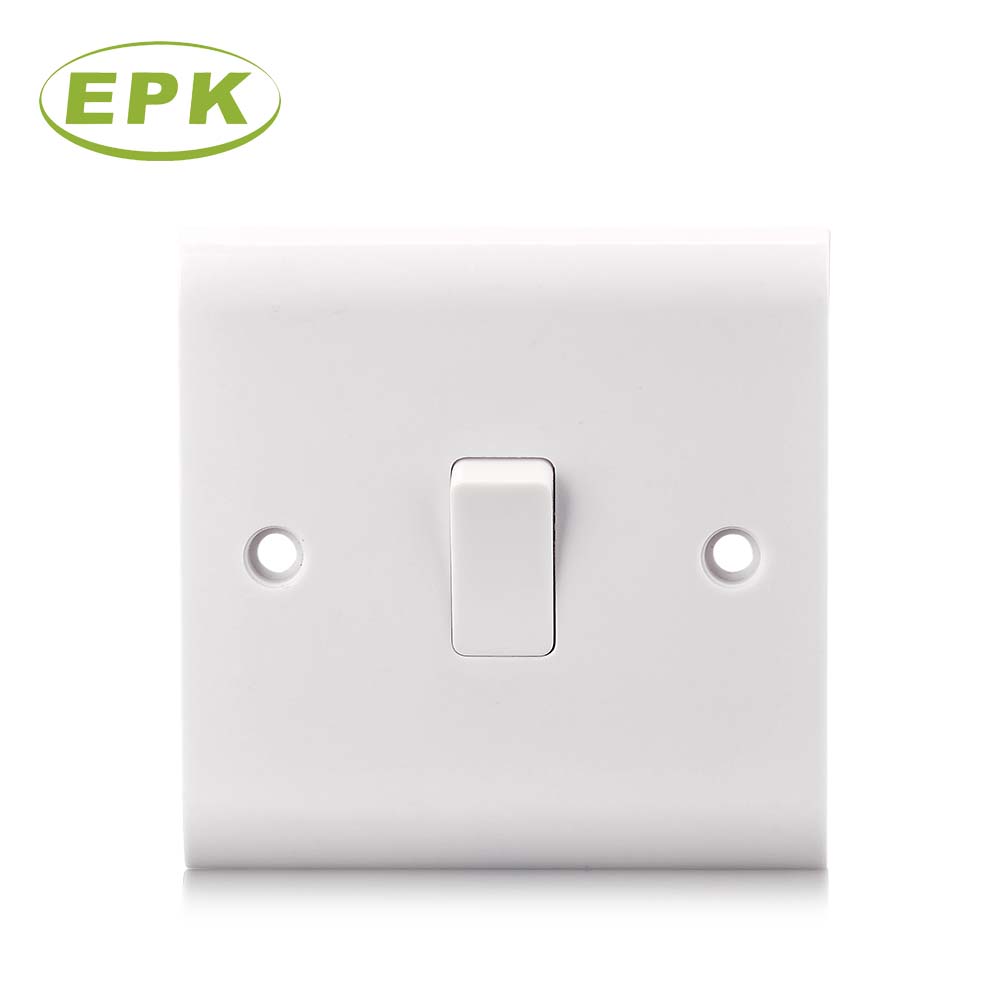
The timing of british standard switches specification depends on multiple project phases, regulatory triggers, and client-specific requirements that contractors must navigate strategically. Whether working on new construction, renovation projects, or electrical system upgrades, contractors need clear decision frameworks to determine when british standard switches become mandatory, recommended, or simply advantageous for their specific installation contexts. This comprehensive analysis examines the key indicators and decision points that signal when contractors should prioritize british standard switches in their project specifications.
Regulatory Compliance Triggers
Building Code Requirements and Inspection Standards
Contractors must specify british standard switches when local building codes explicitly require compliance with BS EN IEC 60669 standards or equivalent British Standards Institution certifications. Many jurisdictions mandate british standard switches for commercial installations, public buildings, or residential projects exceeding specific electrical load thresholds. The timing for this specification typically occurs during the electrical design phase, before permit applications are submitted to local authorities.
Electrical inspection protocols often require documentation proving that installed switches meet british standard switches specifications, particularly for projects involving insurance claims, warranty coverage, or regulatory compliance audits. Contractors should review local electrical codes early in project planning to identify when british standard switches become mandatory rather than optional components. This proactive approach prevents costly retrofitting situations where non-compliant switches require replacement during inspection phases.
The specification timing becomes critical when contractors work across multiple jurisdictions with varying compliance requirements for british standard switches. Projects involving government facilities, healthcare institutions, or educational buildings frequently mandate british standard switches regardless of local residential codes. Contractors must establish clear specification protocols that account for these regulatory variations and ensure compliance documentation accompanies all british standard switches installations.
Safety Certification Requirements
Insurance requirements often trigger the need for british standard switches specification, particularly when contractors work on projects involving higher liability exposure or specialized facility types. Many insurance providers require certified electrical components that meet british standard switches specifications for coverage validation, especially in commercial and industrial applications. The timing for this specification should align with insurance policy reviews and risk assessment procedures.
Safety certification demands increase when contractors handle projects involving vulnerable populations, such as healthcare facilities, schools, or assisted living environments. These applications typically require british standard switches that demonstrate enhanced safety features and rigorous testing protocols. Contractors should identify these requirements during initial project assessments to ensure proper specification timing and component selection.
Project Type and Application Scenarios
Commercial and Industrial Installation Contexts
Commercial contractors should specify british standard switches when working on office buildings, retail spaces, or industrial facilities where electrical reliability directly impacts business operations. The specification timing for these projects typically occurs during the electrical system design phase, when load calculations and safety requirements are established. British standard switches provide documented performance characteristics that support commercial insurance requirements and operational reliability expectations.
Industrial applications often require british standard switches due to harsh environmental conditions, elevated electrical loads, or specialized safety protocols. Manufacturing facilities, processing plants, and warehouse operations frequently mandate certified switches that can withstand temperature variations, moisture exposure, or chemical environments. Contractors should specify british standard switches early in industrial project planning to ensure compatibility with existing control systems and maintenance protocols.
High-traffic commercial environments benefit from british standard switches specification due to enhanced durability and consistent performance characteristics. Hotels, restaurants, shopping centers, and entertainment venues experience frequent switch operations that can exceed residential-grade component capabilities. The timing for specifying british standard switches in these applications should consider expected usage patterns and maintenance accessibility requirements.
Residential Applications and Upgrade Scenarios
Residential contractors should consider british standard switches specification when working on high-end custom homes, luxury renovations, or properties with sophisticated electrical systems. These applications often benefit from the enhanced reliability and safety features that british standard switches provide, even when not explicitly required by local codes. The specification timing should align with client consultations and electrical system planning phases.
Electrical system upgrades present optimal timing for british standard switches specification, particularly when existing switches show signs of wear, unreliability, or safety concerns. Contractors can recommend british standard switches during service calls, maintenance visits, or renovation consultations to provide clients with enhanced performance and safety benefits. This proactive approach positions contractors as safety-conscious professionals who prioritize long-term reliability.
Multi-unit residential developments often benefit from british standard switches specification due to standardization benefits, maintenance efficiency, and liability considerations. Property managers and developers appreciate the documented performance characteristics and warranty coverage that british standard switches provide across multiple units. Contractors should propose british standard switches during initial development planning to establish consistent specifications throughout the project.
Client Requirements and Specifications
Professional and Institutional Client Expectations
Professional clients including architects, engineers, and facility managers frequently request british standard switches specification based on their experience with performance reliability and maintenance requirements. These clients understand the long-term benefits of certified components and often mandate british standard switches in their project specifications. Contractors should identify these preferences during initial client consultations and proposal development phases.
Institutional clients such as hospitals, schools, and government facilities typically require british standard switches to meet internal procurement standards and safety protocols. These organizations often maintain approved vendor lists that include only certified components meeting british standard switches specifications. The timing for specification compliance should align with procurement cycles and budget planning processes for institutional clients.
Corporate clients managing multiple facilities often standardize on british standard switches to streamline maintenance operations, training requirements, and inventory management. Facility management companies appreciate the consistency and documented performance characteristics that british standard switches provide across their property portfolios. Contractors should propose standardization benefits during contract negotiations and service agreement discussions.
Quality and Performance Expectations
Discerning clients who prioritize quality and long-term value often request british standard switches based on reputation for reliability and performance consistency. These clients understand that certified components provide better return on investment through reduced maintenance costs and extended service life. Contractors should educate clients about british standard switches benefits during consultation phases to establish appropriate expectations.
Warranty and service agreement considerations often drive client preferences for british standard switches, particularly when contractors offer extended coverage or maintenance contracts. Clients appreciate the predictable performance characteristics and manufacturer support that accompany certified components. The timing for discussing british standard switches benefits should coincide with warranty presentations and service agreement negotiations.
Energy efficiency and sustainability goals increasingly influence client decisions regarding british standard switches specification, particularly for green building certifications or corporate sustainability initiatives. These switches often provide better energy performance documentation and environmental compliance features that support client sustainability objectives. Contractors should align british standard switches recommendations with client sustainability timelines and certification requirements.
Risk Management and Liability Considerations
Professional Liability Protection
Contractors should specify british standard switches when professional liability exposure increases due to project complexity, client expectations, or regulatory requirements. Certified components provide documented compliance with industry standards that support contractor defense in liability situations. The specification timing should align with insurance policy reviews and risk assessment procedures to ensure adequate protection coverage.
Warranty obligations often necessitate british standard switches specification to ensure component reliability throughout coverage periods. Contractors who offer extended warranties or service guarantees benefit from the predictable performance characteristics that certified switches provide. This proactive approach reduces callback risks and maintains contractor reputation for quality installations.
Documentation requirements for professional liability protection often favor british standard switches due to comprehensive certification records and performance data availability. Insurance providers and legal representatives appreciate the detailed compliance documentation that accompanies certified components. Contractors should maintain proper documentation timing that aligns with project completion and warranty activation procedures.
Long-Term Performance Assurance
Contractors working on projects with extended operational timelines should specify british standard switches to ensure consistent performance throughout the facility lifecycle. Educational institutions, healthcare facilities, and commercial buildings often operate for decades with minimal electrical component replacement. The specification timing should consider long-term operational requirements and maintenance accessibility constraints.
Maintenance accessibility and replacement efficiency favor british standard switches specification in applications where switch failure could disrupt critical operations. Emergency facilities, data centers, and manufacturing operations require reliable electrical components with predictable performance characteristics. Contractors should evaluate operational continuity requirements during specification development to ensure appropriate component selection timing.
FAQ
What regulatory situations require contractors to specify british standard switches?
Contractors must specify british standard switches when local building codes mandate BS EN IEC 60669 compliance, particularly for commercial buildings, public facilities, or electrical installations exceeding specific load thresholds. Insurance requirements, safety certifications, and government facility specifications also trigger mandatory british standard switches specification regardless of local residential codes.
How do contractors determine the right timing for british standard switches specification in residential projects?
Residential contractors should specify british standard switches during electrical system upgrades, high-end custom installations, or when clients prioritize long-term reliability and safety. The optimal timing occurs during initial consultations, renovation planning phases, or when existing switches show performance issues that could benefit from certified component replacement.
What client factors influence when contractors should recommend british standard switches?
Professional clients including architects and facility managers often request british standard switches based on performance expectations, while institutional clients require certification compliance for procurement standards. Corporate clients managing multiple facilities benefit from standardization, and quality-focused clients appreciate the reliability and warranty advantages that certified components provide.
When do liability and risk management concerns justify specifying british standard switches?
Contractors should specify british standard switches when professional liability exposure increases due to project complexity, extended warranty obligations, or critical operational requirements. Projects involving healthcare facilities, emergency services, or manufacturing operations where switch failure could cause significant disruption justify the enhanced reliability and documentation that certified components provide.
Table of Contents
- Regulatory Compliance Triggers
- Project Type and Application Scenarios
- Client Requirements and Specifications
- Risk Management and Liability Considerations
-
FAQ
- What regulatory situations require contractors to specify british standard switches?
- How do contractors determine the right timing for british standard switches specification in residential projects?
- What client factors influence when contractors should recommend british standard switches?
- When do liability and risk management concerns justify specifying british standard switches?