
 EN
EN
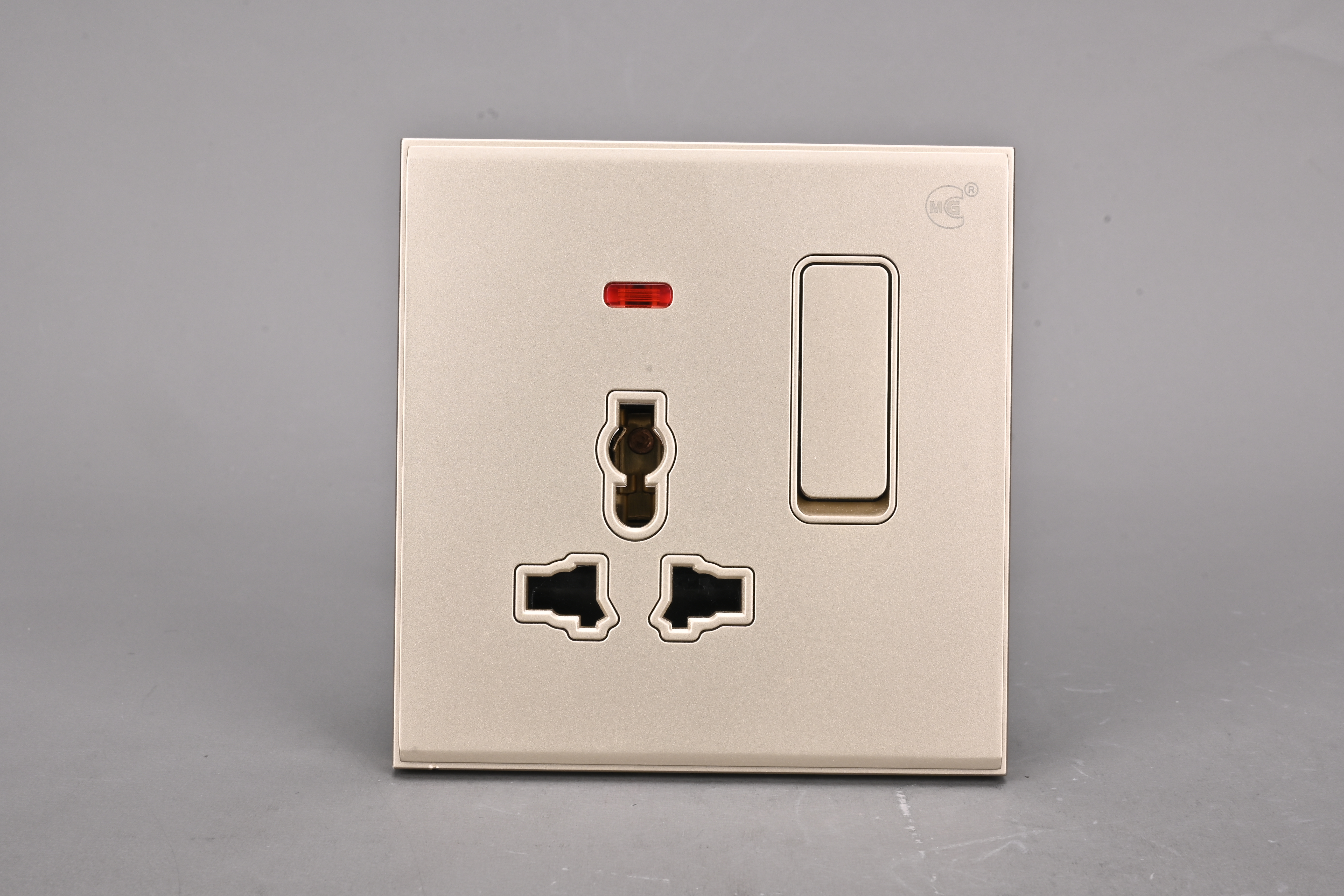
British standard sockets represent a critical component in electrical infrastructure across the United Kingdom and numerous international markets that have adopted the BS 1363 standard. Understanding the diverse installation scenarios for british standard sockets enables electricians, contractors, and property developers to make informed decisions that ensure safety, compliance, and functionality. From residential renovations to commercial fit-outs and industrial facilities, the proper deployment of british standard sockets requires careful consideration of environmental conditions, user requirements, regulatory frameworks, and long-term maintenance accessibility.
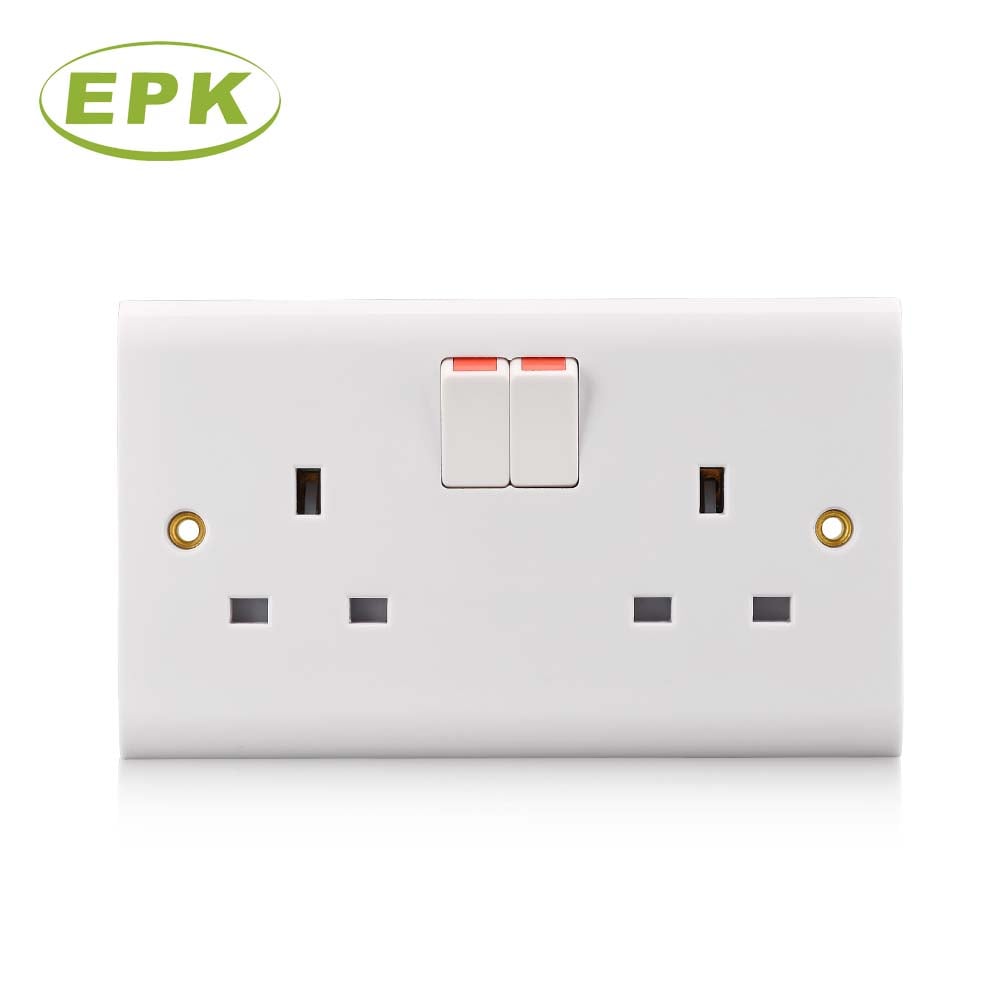
The versatility of british standard sockets makes them suitable for an extensive range of applications, yet each installation scenario presents unique technical challenges and considerations. Whether installing in newly constructed buildings, retrofitting heritage properties, equipping healthcare facilities, or addressing outdoor power distribution needs, professionals must evaluate factors including circuit protection, wiring configurations, mounting surfaces, and environmental exposure. This comprehensive exploration examines the practical installation scenarios where british standard sockets serve essential functions, providing guidance on selection criteria, positioning strategies, and compliance requirements that ensure optimal performance across different contexts.
Residential Installation Scenarios
Living Spaces and Bedroom Applications
Residential living areas constitute the most common installation scenario for british standard sockets, where thoughtful placement directly impacts daily convenience and household safety. In living rooms, british standard sockets should be positioned to accommodate entertainment systems, lighting solutions, and portable appliances without creating trip hazards from trailing cables. The standard practice involves installing double gang switched sockets at regular intervals along wall perimeters, typically at a height of 450mm to 1200mm above finished floor level, ensuring accessibility while maintaining aesthetic integration with interior design schemes.
Bedroom installations require strategic positioning of british standard sockets to serve bedside table areas, dressing zones, and general appliance needs. Modern residential specifications often include double sockets on either side of the bed at approximately 700mm height, allowing convenient access for charging devices, operating reading lamps, and powering alarm clocks. Additional sockets near wardrobes and vanity areas support grooming appliances, while maintaining sufficient distance from water sources in en-suite bathroom scenarios to comply with zoning regulations specified in BS 7671 wiring standards.
Kitchen and Utility Room Requirements
Kitchen environments present particularly demanding installation scenarios for british standard sockets due to the concentration of high-power appliances and proximity to water sources. Worktop-mounted british standard sockets typically require installation at 150mm above counter surfaces, positioned away from sink edges and cooking zones to minimize splash exposure and heat damage. Ring final circuits serving kitchen areas must accommodate significant electrical loads from refrigerators, washing machines, dishwashers, and small appliances, necessitating careful circuit planning and the integration of residual current devices for enhanced protection.
Utility rooms and laundry areas benefit from dedicated british standard sockets positioned to serve fixed appliances while allowing flexibility for portable equipment. Installation scenarios in these spaces often include switched double sockets mounted at standard height for general use, supplemented by dedicated circuits for washing machines and tumble dryers that may utilize fused connection units rather than standard socket outlets. The moisture-prone nature of utility environments may justify the specification of splash-resistant british standard sockets with enhanced IP ratings, particularly in installations where direct water contact remains a possibility.
Home Office and Study Configurations
The proliferation of home working arrangements has elevated the importance of proper british standard sockets installation in dedicated office spaces and study areas. These scenarios typically require higher socket densities than traditional residential rooms, with specifications often calling for multiple double gang sockets positioned to serve desk-based computing equipment, telecommunications devices, and task lighting without creating cable management challenges. Floor-mounted british standard sockets integrated into cable management systems offer elegant solutions for centralized desk locations, while wall-mounted units at desk height eliminate reaching and bending concerns.
Contemporary home office installations increasingly incorporate USB-equipped british standard sockets that combine traditional three-pin outlets with integrated USB charging ports, addressing the proliferation of portable devices requiring regular charging. These hybrid solutions reduce the need for plug-in adapters and contribute to cleaner workspace aesthetics. Installation scenarios in home offices should account for future expansion needs, with contractors often recommending socket quantities that exceed immediate requirements by approximately thirty percent to accommodate evolving technology portfolios without necessitating costly rewiring interventions.
Commercial and Retail Installation Contexts
Office Building and Corporate Environment Applications
Commercial office environments present complex installation scenarios for british standard sockets that must balance flexibility with regulatory compliance and aesthetic considerations. Open-plan office layouts typically utilize floor boxes containing british standard sockets that emerge through raised access flooring systems, providing power distribution to workstation clusters while maintaining clean sightlines and reconfiguration capability. Perimeter zones require wall-mounted british standard sockets at regular intervals to serve meeting areas, circulation spaces, and ancillary functions, with specifications typically mandating switched double gang units at 450mm height to facilitate safe isolation and cleaning operations.
Meeting rooms and conference facilities demand thoughtful british standard sockets placement that anticipates presentation equipment, video conferencing systems, and delegate device charging requirements. Installation scenarios often incorporate floor-mounted service outlets beneath conference tables, supplemented by wall-mounted sockets positioned to serve projection equipment and ancillary technology. The integration of british standard sockets with data connectivity and audiovisual infrastructure requires careful coordination during installation phases to ensure cable pathways remain organized and accessible for future maintenance or system upgrades.
Retail and Hospitality Sector Installations
Retail environments utilize british standard sockets across diverse installation scenarios ranging from customer-facing areas to back-of-house operational zones. Shop floor installations must balance accessibility for display lighting and point-of-sale equipment against aesthetic requirements that maintain brand presentation standards. Recessed british standard sockets integrated into display fixtures and sales counters provide necessary power distribution while minimizing visual impact, whereas storage and preparation areas benefit from surface-mounted industrial-grade units that withstand the mechanical stresses of commercial operations.
Hospitality installations including hotels, restaurants, and entertainment venues require british standard sockets configured to serve both operational requirements and guest convenience expectations. Guest room installations typically specify multiple double gang sockets positioned bedside, at desks, and near luggage storage areas, increasingly incorporating USB charging capability to address contemporary traveler expectations. Public areas require weatherproof british standard sockets in outdoor spaces, while back-of-house kitchens and service areas demand heavy-duty units capable of supporting commercial catering equipment loads under demanding environmental conditions including elevated temperatures and cleaning chemical exposure.
Educational and Healthcare Facility Scenarios
Educational institutions present unique installation scenarios for british standard sockets that must accommodate diverse teaching methodologies, technological integration, and student safety considerations. Classroom installations typically position sockets to serve interactive displays, computing equipment, and practical learning tools while incorporating tamper-resistant features and protective coverings appropriate to student age groups. Science laboratories and technical workshops require specialized british standard sockets installations that may include emergency isolation systems, increased circuit protection levels, and positioning that maintains safe distances from experimental work areas and chemical storage zones.
Healthcare facilities impose stringent requirements on british standard sockets installations due to life-critical equipment dependencies and infection control protocols. Patient care areas require medical-grade socket outlets that incorporate antimicrobial materials, clearly identified circuits distinguishing essential from non-essential supplies, and positioning that facilitates equipment access while supporting clinical workflows. Operating theatres and intensive care units demand british standard sockets connected to uninterruptible power supplies and emergency generation systems, with color-coding and labeling schemes that enable rapid identification during emergency scenarios when equipment reliability proves absolutely critical to patient outcomes.
Industrial and Specialized Environment Applications
Manufacturing and Production Floor Installations
Industrial manufacturing environments require robust british standard sockets installations capable of withstanding mechanical impact, dust ingress, chemical exposure, and frequent connection cycling. Production floor scenarios typically specify industrial-grade british standard sockets with enhanced IP ratings housed in steel or impact-resistant enclosures, mounted on structural columns or machinery frames at heights that balance operator accessibility against damage risk from material handling equipment and production processes. Circuit protection schemes for industrial british standard sockets installations incorporate upstream isolation that enables maintenance activities without compromising broader facility operations.
Workshop and maintenance areas benefit from flexible british standard sockets configurations that support portable power tool operation, temporary equipment connections, and diagnostic instrument use. Overhead cable reel systems incorporating british standard sockets offer mobility across expansive floor areas, while fixed installations at workbench locations provide stable power sources for precision assembly and testing operations. The specification of switched british standard sockets proves particularly valuable in industrial scenarios, enabling operators to safely isolate circuits before equipment intervention and reducing standby power consumption across facilities during non-operational periods.
Outdoor and Weatherproof Installation Requirements
External installations represent demanding scenarios for british standard sockets that must resist weather exposure, temperature extremes, and ultraviolet degradation while maintaining electrical safety standards. Garden areas, patios, and outdoor entertainment spaces require weatherproof british standard sockets rated to IP66 or higher, incorporating spring-loaded protective covers that automatically seal openings when outlets remain unused. Installation specifications for outdoor british standard sockets mandate the integration of residual current devices with thirty milliamp sensitivity and positioning that maintains minimum heights above ground level to reduce water ingress risk during precipitation events or cleaning activities.
Building exteriors including loading bays, car parks, and facility perimeters utilize british standard sockets for maintenance equipment, temporary lighting installations, and vehicle charging applications. These scenarios often specify armored cable installations and vandal-resistant enclosures that protect against deliberate damage or unauthorized access. The strategic positioning of external british standard sockets considers operational workflows, reducing extension cable requirements that create trip hazards and voltage drop issues, while ensuring compliance with exterior lighting regulations and maintaining adequate clearance from drainage systems and underground services.
Temporary and Event Power Distribution
Temporary installations for events, construction sites, and seasonal operations utilize british standard sockets within portable distribution units and temporary electrical installations that require rapid deployment and dismantling capability. Event scenarios demand weatherproof british standard sockets configured in distribution boards that can serve lighting systems, catering equipment, and audio-visual installations while incorporating comprehensive circuit protection and equipment earth monitoring. Construction site installations require robust british standard sockets within site distribution equipment rated for constant outdoor exposure and mechanical stress, positioned to serve power tools, temporary lighting, and site accommodation facilities throughout project durations.
Agricultural and horticultural applications present specialized installation scenarios for british standard sockets serving irrigation controllers, greenhouse environmental systems, and livestock facility equipment. These installations must address corrosive atmospheres from fertilizers and animal waste products, requiring british standard sockets with corrosion-resistant metalwork and enhanced sealing arrangements. Positioning considerations account for cleaning regimes involving high-pressure water systems and chemical sanitizers, with installation heights and enclosure specifications designed to minimize direct exposure while maintaining operational accessibility for farm personnel managing seasonal cultivation and livestock cycles.
Technical Considerations and Installation Best Practices
Circuit Design and Load Calculation Principles
Proper installation scenarios for british standard sockets begin with comprehensive circuit design that accounts for anticipated electrical loads, diversity factors, and future expansion requirements. Ring final circuits serving british standard sockets typically accommodate floor areas up to one hundred square meters in residential settings or seventy-five square meters in commercial applications, with each circuit protected by a thirty-two ampere overcurrent device and incorporating residual current protection. Load calculations must consider the simultaneous operation probability of connected appliances, applying appropriate diversity factors that prevent circuit oversizing while ensuring adequate capacity during peak demand periods.
Dedicated circuits for high-power appliances represent installation scenarios where british standard sockets may require individual circuit allocation rather than connection to shared ring mains. Kitchen appliances exceeding two kilowatts, workshop equipment, and specialized medical devices often justify dedicated circuits that eliminate voltage drop concerns and reduce the risk of nuisance tripping affecting other connected loads. The specification of british standard sockets for these applications should incorporate appropriate fusing arrangements, potentially utilizing fused connection units rather than standard switched sockets to provide enhanced protection tailored to specific equipment characteristics and manufacturer recommendations.
Mounting Height and Accessibility Standards
Installation height specifications for british standard sockets directly impact user accessibility, safety compliance, and practical convenience across different scenarios. Current accessibility guidelines recommend mounting british standard sockets between 450mm and 1200mm above finished floor levels in new construction and major renovation projects, ensuring usability for individuals with mobility limitations while reducing bending requirements for general users. Exceptions apply in specific scenarios including kitchen worktop areas where 150mm above counter surfaces provides optimal appliance connectivity, and specialized installations serving fixed equipment where functional requirements dictate alternative positioning approaches.
Horizontal spacing considerations ensure adequate british standard sockets density without creating overcrowded wall plates that complicate plug insertion and removal. Installation scenarios in residential settings typically specify socket positions at maximum intervals of four meters along usable wall lengths, adjusted based on room function and furniture placement expectations. Commercial and industrial scenarios may require increased density, particularly in areas serving multiple workstations or equipment clusters, with coordination between electrical installations and architectural layouts ensuring british standard sockets positioning aligns with furniture systems, partition arrangements, and workflow patterns established during space planning phases.
Environmental Protection and Enclosure Selection
The selection of appropriate enclosures and protection levels constitutes a critical consideration across diverse installation scenarios for british standard sockets. Standard domestic installations utilize british standard sockets with IP20 ratings suitable for dry internal environments, whereas moisture-prone areas including bathrooms, wet rooms, and external locations require enhanced protection levels. Bathroom zones defined in BS 7671 impose specific restrictions on british standard sockets placement, generally prohibiting installation within zones zero, one, and two except for shaver supply units complying with specialized standards designed for wet environment safety.
Industrial and outdoor installation scenarios demand british standard sockets with significantly higher ingress protection ratings, typically IP65 or IP66, incorporating gasket seals, spring-loaded protective covers, and corrosion-resistant materials. The specification process should evaluate exposure to dust, water jets, temporary immersion, and chemical atmospheres, selecting enclosure materials and sealing arrangements appropriate to anticipated environmental conditions throughout the installation's operational lifespan. Regular maintenance inspection protocols become particularly important for weatherproof british standard sockets, ensuring seal integrity remains effective and protective covers operate correctly to maintain advertised protection levels against environmental ingress.
Compliance, Testing, and Documentation Requirements
Regulatory Framework and Standards Adherence
All installation scenarios for british standard sockets must comply with BS 7671 Requirements for Electrical Installations, commonly known as the IET Wiring Regulations, which establish comprehensive safety standards governing circuit design, installation methods, and testing procedures. Compliance verification requires thorough understanding of regulation updates, with the current eighteenth edition incorporating enhanced requirements for surge protection devices, arc fault detection, and residual current device discrimination. Installation contractors must maintain current certification through recognized training programs, ensuring awareness of regulatory evolution and competence in applying standards across diverse british standard sockets installation contexts.
Building regulations impose additional requirements on british standard sockets installations within new construction and material alteration projects, mandating notification to local authority building control departments or engagement of competent person scheme members authorized to self-certify electrical work. These regulatory frameworks ensure installations undergo proper design review, incorporate adequate circuit protection, and receive comprehensive testing before energization. The specification of british standard sockets within Part P notifiable work requires documentation demonstrating compliance with applicable standards, potentially including design calculations, cable sizing justifications, and protection coordination studies depending upon installation complexity and risk assessments.
Installation Testing and Certification Protocols
Comprehensive testing protocols verify british standard sockets installations meet safety and performance standards before commissioning. Initial verification testing includes continuity measurements confirming protective conductor integrity, insulation resistance tests ensuring adequate separation between conductors and earth, polarity verification confirming correct phase-neutral-earth connections, and earth fault loop impedance measurements validating circuit protection effectiveness. Each british standard sockets circuit requires documentation of test results against prescribed limits, with failures necessitating remedial work and retesting before installation acceptance.
Residual current device testing constitutes a critical component of british standard sockets installation verification, confirming correct operation and appropriate disconnection times under fault conditions. Testing procedures verify RCD trip current thresholds and response times comply with manufacturer specifications and regulatory requirements, ensuring adequate protection against electric shock hazards. Functional testing of switched british standard sockets confirms mechanical operation and electrical switching performance, while visual inspection verifies correct mounting security, enclosure integrity, and absence of damage that could compromise safety or performance throughout the installation's operational life.
Documentation and Maintenance Planning
Proper documentation represents an essential element of professional british standard sockets installations, providing records that support ongoing maintenance, modification planning, and regulatory compliance demonstration. Installation certificates conforming to BS 7671 appendix formats document circuit characteristics, test results, and departures from standard configurations, creating permanent records that inform future electrical work and enable verification of regulatory compliance during property transactions or insurance assessments. Comprehensive documentation should include circuit schedules identifying british standard sockets allocations, cable routing information, and any special considerations affecting specific installation locations.
Maintenance planning for british standard sockets installations establishes inspection intervals and testing frequencies appropriate to installation environments and usage patterns. Domestic installations typically require periodic inspection and testing at ten-year intervals for owner-occupied properties or five years for rental accommodations, whereas commercial and industrial scenarios may mandate annual testing depending upon business activities and insurance requirements. Planned maintenance programs should include visual inspection of british standard sockets for damage or deterioration, functional testing of switching mechanisms and protective devices, and thermal imaging surveys in high-load applications to identify connection deterioration before failure occurs, ensuring continued safety and reliability across diverse installation scenarios.
FAQ
What factors determine the appropriate installation height for british standard sockets in different scenarios?
Installation height for british standard sockets depends on accessibility requirements, functional needs, and specific room types. Current accessibility standards recommend 450mm to 1200mm above finished floor level for general installations to accommodate users with mobility limitations. Kitchen worktop scenarios require positioning approximately 150mm above counter surfaces for convenient appliance connectivity, while specialized equipment installations may dictate alternative heights based on operational requirements. Bathroom installations face strict zoning restrictions that prohibit british standard sockets within certain distances from water sources, and industrial scenarios often elevate sockets to protect against mechanical damage and facilitate maintenance access.
How do environmental conditions influence the selection of british standard sockets for outdoor installation scenarios?
Outdoor installation scenarios require british standard sockets with enhanced ingress protection ratings, typically IP65 or IP66, to resist moisture penetration, dust ingress, and ultraviolet degradation. Weatherproof enclosures incorporate spring-loaded protective covers that automatically seal outlets when unused, while corrosion-resistant materials withstand exposure to precipitation and temperature extremes. Installation specifications must account for ground-level clearance to minimize water ingress during heavy rainfall, positioning that reduces direct sunlight exposure to prevent plastic degradation, and integration with residual current devices providing thirty milliamp sensitivity for enhanced shock protection. Coastal environments may require additional corrosion protection measures due to salt-laden atmospheres that accelerate metallic component deterioration.
What circuit protection considerations apply specifically to british standard sockets in commercial kitchen installations?
Commercial kitchen installations present demanding scenarios where british standard sockets must accommodate high-power appliances while maintaining safety in moisture-prone, high-temperature environments. Circuit design typically separates fixed equipment on dedicated circuits from general-purpose ring mains serving portable appliances, with each circuit incorporating residual current protection and appropriately rated overcurrent devices. British standard sockets positioned near sinks or food preparation areas require splash-resistant specifications and mounting heights that maintain adequate clearance from water sources. Load calculations must account for simultaneous operation of multiple high-power devices, potentially requiring supply upgrades or load management systems. Regular maintenance inspection becomes critical due to grease accumulation and cleaning chemical exposure that can compromise connection integrity and enclosure sealing effectiveness over time.
Are there specific installation scenarios where british standard sockets should be avoided in favor of alternative connection methods?
Certain installation scenarios justify alternative connection methods rather than standard british standard sockets. Fixed equipment with continuous operation requirements often benefits from hardwired connections or fused connection units that eliminate plug removal risks and provide equipment-specific protection. Bathroom zones prohibit british standard sockets except for specialized shaver supply units designed for wet environment safety. High-vibration industrial environments may require alternative connection systems with locking mechanisms preventing accidental disconnection during operation. Medical equipment supporting life-critical functions typically utilizes hospital-grade outlets with enhanced retention force and clearly identified emergency supply circuits. Outdoor locations subject to vandalism or unauthorized access may specify lockable enclosures or alternative distribution methods that prevent misuse while maintaining legitimate operational requirements.
Table of Contents
- Residential Installation Scenarios
- Commercial and Retail Installation Contexts
- Industrial and Specialized Environment Applications
- Technical Considerations and Installation Best Practices
- Compliance, Testing, and Documentation Requirements
-
FAQ
- What factors determine the appropriate installation height for british standard sockets in different scenarios?
- How do environmental conditions influence the selection of british standard sockets for outdoor installation scenarios?
- What circuit protection considerations apply specifically to british standard sockets in commercial kitchen installations?
- Are there specific installation scenarios where british standard sockets should be avoided in favor of alternative connection methods?