
 EN
EN
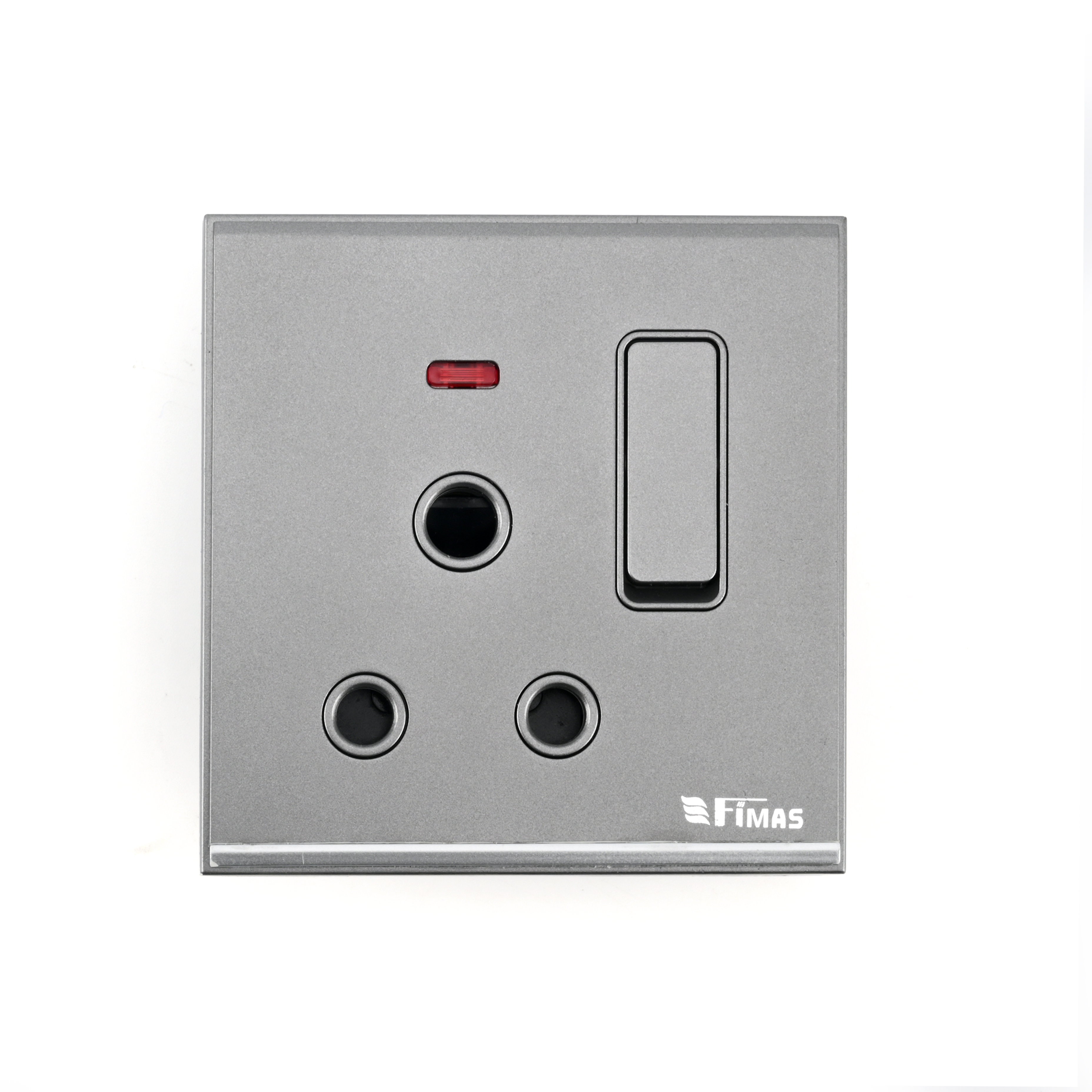
British standard sockets represent one of the world's most rigorously engineered electrical safety systems, incorporating multiple protective mechanisms that have made the United Kingdom's electrical infrastructure among the safest globally. These sockets, officially designated as BS 1363, combine innovative design principles with mandatory safety features that actively prevent electrical hazards in residential, commercial, and industrial environments. Understanding the comprehensive safety architecture embedded within british standard sockets reveals why this design has remained largely unchanged since its introduction and continues to set benchmarks for electrical socket safety worldwide.
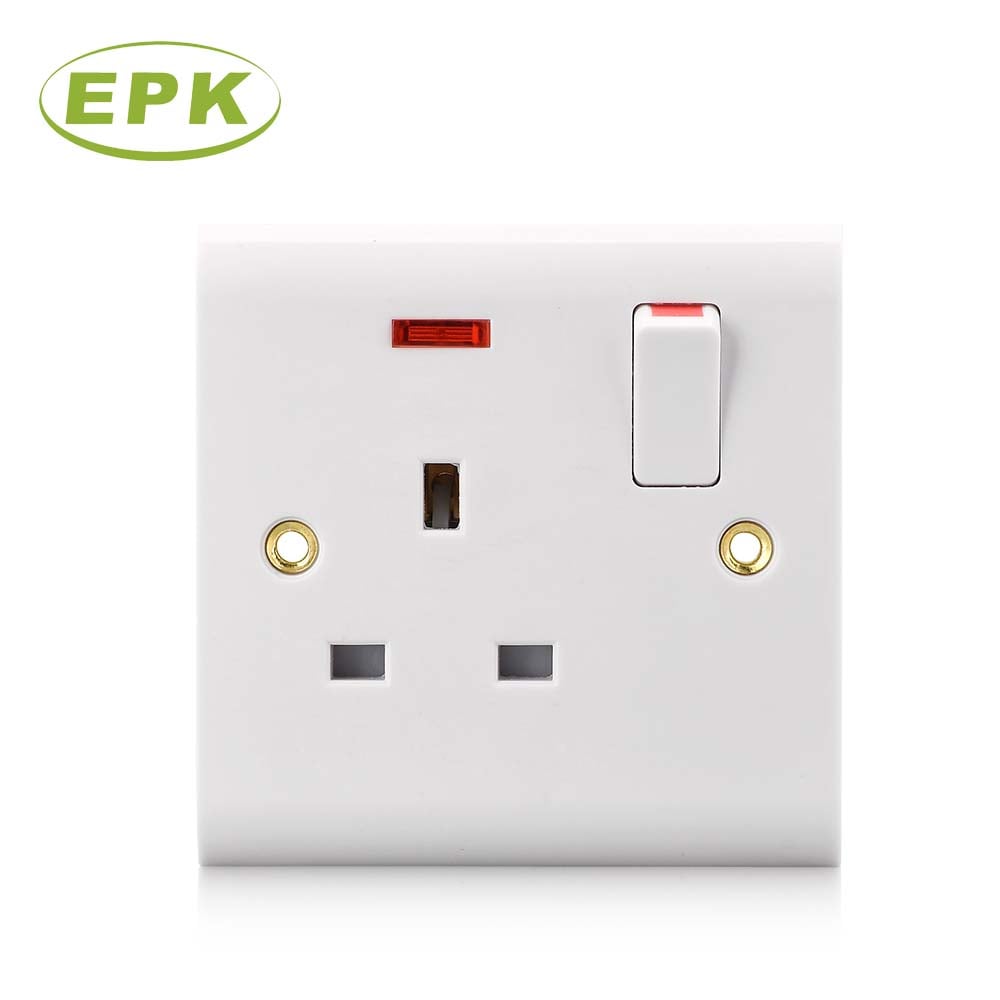
The safety features integrated into british standard sockets extend far beyond simple electrical contact protection, encompassing mechanical safeguards, insulation requirements, and design specifications that work synergistically to minimize risk. From the distinctive three-pin configuration to shuttered socket apertures and fused plug systems, each element serves a specific protective function. This comprehensive examination explores the individual safety mechanisms, their operational principles, and the protective benefits they deliver in everyday electrical usage scenarios across various applications.
Shuttered Socket Protection Mechanism
Physical Barrier Design and Operation
The shuttered protection system embedded in british standard sockets functions as the first line of defense against accidental contact with live electrical components. This mechanical safety barrier consists of spring-loaded shutters positioned directly behind the live and neutral socket apertures, which remain closed until simultaneously engaged by a properly configured plug. The longer earth pin on british standard sockets plugs must first enter its dedicated aperture, mechanically actuating the shutter mechanism that then permits the live and neutral pins to enter their respective contacts. This sequential engagement ensures that live components remain inaccessible unless a genuine plug insertion occurs.
The engineering precision required for effective shutter operation demands specific dimensional tolerances and material specifications that prevent inadvertent opening through foreign object insertion. British standard sockets utilize shutters constructed from durable polymeric materials with sufficient mechanical strength to resist penetration by common household items such as keys, hairpins, or screwdrivers. The spring tension applied to these shutters maintains constant closure force while allowing proper plug insertion without excessive resistance. This balance between accessibility and protection represents a critical design achievement that distinguishes british standard sockets from alternative socket designs used internationally.
Child Safety and Foreign Object Prevention
The shuttered design specifically addresses child safety concerns by preventing exploratory insertion of conductive objects into socket apertures. Statistical evidence from electrical safety authorities demonstrates significantly reduced incidence of childhood electrical accidents in regions utilizing british standard sockets compared to unshuttered socket designs. The mechanical interlock requiring simultaneous engagement of multiple contact points creates a protective barrier that resists defeat through random probing or single-object insertion attempts. This inherent protection eliminates the need for additional plug socket covers, which themselves present choking hazards and can sometimes be improperly installed.
Beyond child protection, the shutter mechanism provides essential safeguards in commercial and industrial environments where dust, debris, or accidental contact with conductive materials might otherwise create hazardous conditions. British standard sockets maintain their protective function throughout extended service lives, with quality manufacturing ensuring shutter mechanisms retain proper tension and alignment even after thousands of plug insertion and removal cycles. Maintenance protocols for commercial installations typically include periodic verification of shutter operation to confirm continued protective effectiveness, particularly in high-traffic areas where socket usage frequency exceeds typical residential patterns.
Insulation and Sleeve Requirements
Partial Insulation on Plug Pins
British standard sockets work in conjunction with specifically designed plugs featuring partially insulated pins, where the lower portions of the live and neutral pins incorporate non-conductive sleeves. This design innovation addresses a specific hazard scenario where a plug becomes partially withdrawn from the socket, potentially exposing live metal pins while still maintaining electrical connection. The insulated sleeves ensure that even when a plug sits partially inserted, no exposed conductive surface remains accessible to accidental touch. This protection proves particularly valuable in situations involving loose socket connections or where plugs might be inadvertently pulled partially from sockets without complete disconnection.
The dimensional specifications governing sleeve length and positioning on british standard sockets plugs ensure that live metal surfaces only become exposed after complete disconnection from the socket's live contacts. Regulatory standards mandate minimum insulation lengths that exceed the depth of potential accidental contact, creating a safety margin that accommodates variations in socket installation depth and plug manufacturing tolerances. This seemingly simple design element eliminates an entire category of electrical shock hazards that persist in socket systems lacking equivalent insulation requirements, demonstrating how thoughtful engineering addresses real-world usage patterns rather than idealized installation scenarios.
Socket Body Insulation Standards
The socket body itself must meet stringent insulation requirements specified within BS 1363, governing both material selection and dimensional parameters that ensure electrical isolation between internal conductive components and external accessible surfaces. British standard sockets utilize thermosetting plastics or other approved insulating materials with documented dielectric strength sufficient to prevent electrical breakthrough under fault conditions. Minimum wall thickness specifications ensure that even if internal arcing or component failure occurs, the socket housing maintains its protective barrier function preventing external shock hazards.
Fire resistance constitutes another critical aspect of socket body insulation, with british standard sockets required to demonstrate resistance to ignition and controlled burning characteristics that prevent fire propagation from electrical faults. Glow wire testing and needle flame testing verify that socket materials will not sustain combustion or produce flaming droplets when exposed to electrical fault conditions. These requirements recognize that socket installations often occur in proximity to combustible building materials, furnishings, or stored items, making fire containment an essential protective function that extends beyond immediate electrical shock prevention.
Fused Plug System Integration
Individual Circuit Protection Philosophy
British standard sockets operate within a unique electrical protection architecture that places fuses within individual plugs rather than solely relying on circuit-level protection at the distribution board. This design philosophy emerged from the ring final circuit topology commonly used in UK electrical installations, where multiple sockets connect to a single 30 or 32 ampere circuit breaker. The plug fuse system ensures that each connected appliance receives appropriate overcurrent protection matched to its specific power requirements and cable capacity, preventing situations where a small appliance's power cable might be damaged by current levels below the circuit breaker's trip threshold.
The integration of plug fuses with british standard sockets creates a two-tier protection system that addresses both catastrophic fault conditions and more subtle overcurrent situations that might not trigger main circuit protection. Fuse ratings typically range from 3 amperes for low-power devices to 13 amperes for high-power appliances, with selection based on appliance power consumption and supply cable specifications. This granular protection approach significantly reduces fire risk from cable overheating, particularly when multiple appliances connect to a shared ring circuit where individual device current draw might not individually approach circuit breaker thresholds but collectively create hazardous conditions.
Fuse Accessibility and Replacement Design
The british standard sockets plug design facilitates safe fuse inspection and replacement through accessible fuse carriers located between the pins, requiring only simple tools or thumb pressure to open. This accessibility encourages proper maintenance practices while ensuring that fuse replacement occurs within the controlled environment of the plug body rather than requiring socket disassembly or electrical panel access. Clear marking requirements mandate that plugs display appropriate fuse ratings, reducing the likelihood of incorrect fuse installation that might compromise protective effectiveness.
Safety considerations extend to the fuse replacement process itself, with british standard sockets plug designs preventing reassembly with incorrectly sized or improperly installed fuses. The cartridge fuse format used in these plugs provides reliable breaking capacity and predictable operation characteristics across the full range of potential fault currents. Unlike some alternative fuse designs that might exhibit degraded performance after repeated thermal cycling, the cartridge fuses specified for british standard sockets maintain consistent protective characteristics throughout their service life until fault conditions necessitate replacement.
Switching and Isolation Capabilities
Integrated Switch Safety Benefits
Many british standard sockets incorporate integrated switches that allow users to isolate connected appliances without physically removing plugs from sockets. This switching capability provides several distinct safety advantages, including elimination of arc hazards associated with plug insertion and removal under load conditions, reduced mechanical wear on socket contacts from frequent plug cycling, and convenient power control for permanently connected devices. The switch mechanism typically interrupts both live and neutral conductors simultaneously, ensuring complete electrical isolation when in the off position.
The mechanical design of switches used in british standard sockets must meet specific durability and performance requirements, including minimum contact ratings, switching cycle endurance specifications, and positive indication of switch position. Visual indicators such as rocker position or illuminated indicators provide clear feedback about socket energization status, reducing uncertainty that might lead to unsafe assumptions about circuit status. Commercial and industrial installations often prefer switched british standard sockets specifically for this control and safety functionality, particularly in environments where equipment requires frequent energization and de-energization cycles throughout normal operations.
Neon Indicator Integration
Selected british standard sockets models incorporate neon indicator lights that illuminate when the socket remains energized, providing visual confirmation of power availability without requiring test equipment or appliance connection. These indicators prove particularly valuable in commercial settings where socket locations might be obscured or where confirming circuit status before equipment connection prevents potential operational disruptions. The indicator circuit design typically incorporates high-value resistors that limit current flow to levels insufficient to present shock hazards while providing adequate illumination under normal lighting conditions.
Safety considerations governing indicator implementation ensure that indicator failure modes do not compromise socket protective functions or create additional hazards. British standard sockets with indicators must demonstrate that indicator component failure will not create fire hazards, maintain socket structural integrity, or bypass protective features. The indicator circuit remains isolated from the main socket contacts through appropriate spacing and insulation barriers, preventing any interaction between indicator components and the primary power path that might affect socket performance or protection characteristics.
Installation and Mounting Safety Requirements
Secure Mounting Standards
The safety features inherent within british standard sockets depend upon proper installation that maintains mechanical integrity and electrical specifications throughout the socket's service life. Mounting requirements specify minimum box depths, fixing screw specifications, and support requirements that prevent socket movement or deformation during normal plug insertion and removal forces. British standard sockets installations typically utilize steel or robust polymer mounting boxes secured to building structure, with socket faceplates providing additional mechanical support and environmental protection for internal components.
Installation height specifications for british standard sockets consider both accessibility and safety factors, with recommended mounting heights that minimize trip hazards from trailing cables while ensuring sockets remain accessible to intended users. Special considerations apply to installations in bathrooms, kitchens, and outdoor locations where moisture exposure or environmental conditions require additional protective measures beyond standard socket specifications. These location-specific requirements recognize that socket safety depends not only on device design but also on appropriate application matching and environmental suitability.
Cable Entry and Connection Security
The rear cable entry design of british standard sockets incorporates features that ensure secure conductor termination and strain relief, preventing loose connections that might generate heat or create intermittent contact situations. Terminal screw specifications mandate adequate clamping force to maintain long-term connection integrity while allowing proper installation using standard tools. Many modern british standard sockets utilize captive terminal screws that cannot be completely removed during installation, preventing loss and ensuring proper reassembly after conductor termination.
Cable clamping provisions within british standard sockets mounting boxes provide strain relief that prevents transmission of mechanical forces to electrical terminations, which could otherwise loosen connections over time or during accidental cable pulling. Installation standards specify minimum bend radius requirements and cable securing methods that maintain conductor insulation integrity while accommodating the physical constraints of wall cavity installation. Proper cable management within the mounting box prevents conductor crowding that might impair socket installation depth or create pressure points where insulation damage could occur.
FAQ
What makes british standard sockets safer than other international socket designs?
British standard sockets incorporate multiple integrated safety features including mandatory shuttered socket apertures that prevent foreign object insertion, partially insulated plug pins that eliminate exposed live metal during partial withdrawal, and a fused plug system providing individual appliance overcurrent protection. The combination of mechanical barriers, dimensional specifications requiring longer earth pins to actuate shutter mechanisms, and robust insulation requirements creates layered protection not universally present in alternative socket standards. Additionally, the higher contact rating and robust construction of british standard sockets reduces failure risk from electrical stress compared to socket designs with lower current capacity or less stringent manufacturing tolerances.
How do the shutters in british standard sockets prevent accidental contact with live parts?
The shutter mechanism operates through a mechanical interlock requiring the longer earth pin of a properly configured plug to first enter its designated aperture, which then mechanically actuates spring-loaded shutters covering the live and neutral contacts. This sequential engagement ensures that live electrical components remain inaccessible unless a genuine plug insertion occurs, as the shutters cannot be opened by inserting objects into only the live or neutral apertures individually. The spring tension and shutter geometry prevent common household items from defeating this protection, while the simultaneous engagement requirement ensures that even conductive objects inserted into multiple apertures cannot reach live components unless matching the precise dimensional specifications of approved plugs.
Why do british standard sockets require fuses in the plugs rather than only circuit breakers?
The plug fuse requirement addresses the unique characteristics of ring final circuits commonly used in UK installations, where multiple sockets connect to a single 30-32 ampere circuit breaker. Without plug fuses, a low-power appliance with smaller gauge power cable could draw current sufficient to damage its cable through overheating while remaining below the circuit breaker trip threshold. Plug fuses matched to individual appliance requirements and cable capacities provide granular overcurrent protection that prevents this hazard, effectively creating individual protected circuits for each connected device. This two-tier protection system addresses both catastrophic fault conditions triggering main circuit protection and more subtle overcurrent situations that might only affect individual appliances.
Can british standard sockets be safely used in wet or outdoor locations?
Standard british standard sockets designed for general indoor use do not provide adequate moisture protection for wet locations or outdoor installations. Bathrooms, outdoor areas, and other locations where moisture exposure occurs require specially rated sockets with appropriate IP (Ingress Protection) ratings indicating resistance to water penetration, typically incorporating weatherproof covers, sealed construction, and additional insulation measures. UK electrical regulations specify minimum distances between standard sockets and water sources in bathrooms, while outdoor installations mandate weatherproof enclosures meeting BS EN 60529 standards for the specific environmental exposure conditions. Specialized variants of british standard sockets exist for these applications, incorporating the same fundamental safety features while adding environmental protection suitable for demanding installation conditions.
Table of Contents
- Shuttered Socket Protection Mechanism
- Insulation and Sleeve Requirements
- Fused Plug System Integration
- Switching and Isolation Capabilities
- Installation and Mounting Safety Requirements
-
FAQ
- What makes british standard sockets safer than other international socket designs?
- How do the shutters in british standard sockets prevent accidental contact with live parts?
- Why do british standard sockets require fuses in the plugs rather than only circuit breakers?
- Can british standard sockets be safely used in wet or outdoor locations?