
 EN
EN
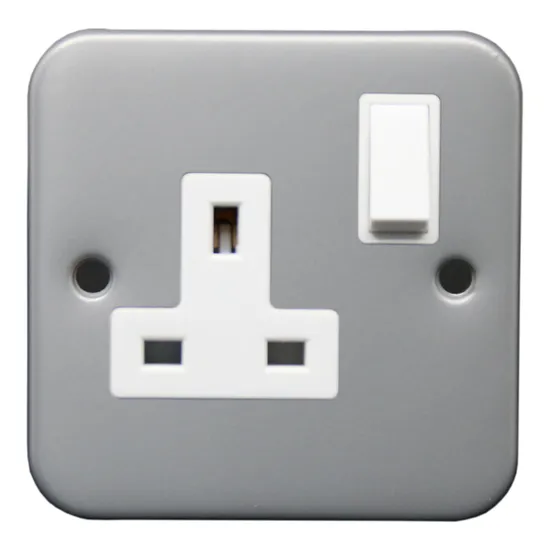
When planning electrical infrastructure for international markets, understanding regional socket requirements becomes critical for compliance, safety, and commercial viability. The question of whether British standard sockets are required in certain markets extends beyond simple product specification—it involves regulatory mandates, historical precedents, and practical considerations for manufacturers, exporters, and property developers. This comprehensive examination clarifies where british standard sockets remain obligatory, where they represent preferred practice, and how to navigate the complex landscape of international electrical standards compliance.

The regulatory requirement for british standard sockets varies significantly across global markets, with mandatory implementation in some jurisdictions, voluntary adoption in others, and complete prohibition in alternative regions. Countries that historically maintained ties with the United Kingdom often codified BS 1363 standards into national electrical codes, creating legally enforceable requirements that continue decades after political transitions. Simultaneously, emerging markets reassessing their electrical infrastructure face strategic decisions about adopting proven socket systems versus aligning with neighboring trading partners. Understanding these distinctions helps businesses avoid costly specification errors and ensures electrical installations meet all applicable legal requirements.
Mandatory Markets for British Standard Sockets
United Kingdom and Crown Dependencies
The United Kingdom maintains the most stringent requirements for british standard sockets, with BS 1363 specifications forming the legal foundation for all domestic and commercial electrical installations. The 18th Edition of the IET Wiring Regulations explicitly mandates compliance with BS 1363 for socket outlets rated at 13 amperes, covering the vast majority of residential and light commercial applications. This regulatory framework extends beyond England to encompass Scotland, Wales, Northern Ireland, and Crown Dependencies including the Isle of Man, Jersey, and Guernsey.
Building control inspections systematically verify socket compliance during new construction and renovation projects, with non-conforming installations subject to rejection and remediation requirements. The British standard socket system incorporates multiple safety features mandated by law, including shuttered live contacts, integrated fusing within plugs, and specific dimensional requirements that prevent insertion of foreign plug types. Property developers, electrical contractors, and equipment manufacturers operating in UK markets must exclusively specify british standard sockets to achieve regulatory approval and maintain legal compliance.
The enforcement mechanism combines building regulation compliance, electrical safety certification requirements, and insurance policy stipulations that collectively create comprehensive coverage. Electrical installations deviating from BS 1363 standards may invalidate property insurance, fail Electrical Installation Condition Reports, and expose property owners to liability in accident scenarios. This multi-layered enforcement ensures near-universal compliance across the UK market, making british standard sockets an absolute requirement rather than an optional specification.
Hong Kong Special Administrative Region
Hong Kong represents a crucial market where british standard sockets remain legally mandated despite political transition to Chinese sovereignty. The Electricity Ordinance and associated Codes of Practice maintain BS 1363 as the required standard for socket outlets throughout residential, commercial, and industrial installations. This regulatory continuity reflects both infrastructure investment protection and practical safety considerations, as the existing electrical distribution system was designed around british standard socket specifications.
The Electrical and Mechanical Services Department enforces these requirements through systematic inspection programs, with electrical contractors required to hold valid registration and demonstrate competency in BS 1363 installation practices. New building projects undergo detailed plan reviews verifying socket specifications before construction approval, and completed installations face comprehensive testing before energization permits are issued. The market characteristics create sustained demand for british standard sockets meeting specific Hong Kong regulatory variations, including additional marking requirements and certification documentation.
Despite geographic proximity to mainland China and economic integration, Hong Kong maintains electrical standards independence, with no current plans to transition away from british standard sockets. This regulatory stability provides long-term certainty for manufacturers and importers serving the Hong Kong market, though products must satisfy both BS 1363 specifications and local certification requirements administered through recognized testing laboratories.
Singapore and Brunei
Singapore enforces british standard sockets as the mandatory specification through the Singapore Standard SS 472, which directly references BS 1363 requirements. The Energy Market Authority oversees compliance through the Licensed Electrical Worker scheme, requiring registered electricians to install only approved socket types in all building categories. This regulatory framework creates a market where deviation from british standard sockets constitutes a legal violation subject to enforcement action, including installation rejection and potential penalties.
Brunei similarly mandates british standard sockets through national electrical codes administered by the Department of Electrical Services. The small market size but strict regulatory enforcement creates a specialized niche where suppliers must provide fully compliant products with appropriate certification documentation. Both markets demonstrate how former British territories often retained electrical standards despite developing independent regulatory frameworks, creating persistent demand for british standard sockets across Southeast Asia.
Preferred Practice Markets Without Absolute Mandates
Malaysia and Cyprus
Malaysia presents a nuanced situation where british standard sockets dominate market practice without constituting an absolute legal requirement. The Malaysian Standard MS 589 closely aligns with BS 1363 specifications, and the Energy Commission's Guidelines for Electrical Wiring in Residential Buildings strongly recommend british standard socket adoption. However, the regulatory language allows limited flexibility for alternative approved systems in specific industrial contexts, creating a market where british standard sockets represent the overwhelmingly preferred specification without constituting universal legal mandate.
Practical market realities reinforce british standard socket adoption beyond regulatory guidance. The existing infrastructure, electrician training systems, and consumer appliance market all align with BS 1363 specifications, making alternative socket types commercially impractical despite technical permissibility. Property developers overwhelmingly specify british standard sockets to ensure market acceptance, insurance coverage, and compatibility with standard electrical equipment, creating market outcomes similar to jurisdictions with explicit legal requirements.
Cyprus demonstrates comparable dynamics, with british standard sockets representing standard practice throughout the island despite European Union membership. The Cyprus Electricity Authority guidelines reference BS 1363, and the established infrastructure base makes british standard sockets the de facto requirement for practical market participation. However, EU regulatory harmonization creates potential long-term uncertainty about continued british standard socket predominance, particularly for new developments seeking broader European market alignment.
Middle Eastern Markets with British Infrastructure Heritage
Several Middle Eastern markets including Bahrain, Qatar, and the United Arab Emirates exhibit mixed socket type adoption, with british standard sockets widely used alongside alternative systems. These markets typically lack explicit legal mandates requiring british standard sockets, but historical infrastructure development under British technical influence established significant installed bases. Modern construction projects frequently specify british standard sockets for certain applications while accepting alternative types for others, creating diverse market requirements.
The regulatory environment in these markets generally permits multiple socket types meeting recognized international standards, with approval processes accepting british standard sockets alongside European and other specifications. However, specific project requirements, developer preferences, and end-user expectations often drive british standard socket selection regardless of regulatory flexibility. Hospitality developments catering to international visitors particularly favor british standard sockets to accommodate UK appliances, while residential projects may specify them for perceived quality and safety advantages.
Market participants must assess project-specific requirements rather than assuming universal british standard socket mandates across Middle Eastern markets. The absence of national-level legal requirements creates opportunities for alternative specifications, but practical considerations including existing infrastructure, maintenance capabilities, and user preferences often favor british standard socket selection despite regulatory neutrality.
Markets Where British Standard Sockets Are Prohibited or Impractical
Continental European Union Countries
Most continental European Union member states effectively prohibit british standard sockets through national electrical codes mandating alternative specifications. Countries including France, Germany, Spain, and Italy require socket types conforming to the CEE 7 standard family, with building regulations explicitly rejecting british standard socket installations. These requirements reflect both technical standardization objectives and market protection considerations, creating legal barriers to british standard socket adoption regardless of technical merit.
The regulatory enforcement mechanisms include building permit requirements, electrical inspection protocols, and certification systems that collectively exclude british standard sockets from compliant installations. Electrical contractors installing non-approved socket types face professional liability, regulatory sanctions, and insurance coverage issues that create powerful compliance incentives. For manufacturers and exporters, these markets represent absolute exclusion zones where british standard sockets cannot legally operate regardless of quality or pricing considerations.
Limited exceptions exist for specific applications including industrial facilities with UK-sourced equipment and temporary installations for British visitors, but these represent narrow niches rather than meaningful market opportunities. The European standardization trajectory points toward continued divergence from british standard sockets, with harmonization efforts focused on continental socket types rather than accommodating British specifications.
North American Markets
The United States and Canada maintain electrical codes requiring NEMA configuration sockets, creating complete incompatibility with british standard sockets. The National Electrical Code in the United States and the Canadian Electrical Code specify socket types fundamentally different in voltage, frequency, and physical configuration from BS 1363 specifications. These requirements reflect over a century of independent electrical infrastructure development, creating established systems incompatible with british standard socket integration.
No practical pathway exists for british standard socket adoption in North American markets outside extremely limited specialty applications. The voltage differential between British 230V systems and North American 120V residential power, combined with different frequency standards and grounding philosophies, creates technical barriers beyond mere socket configuration differences. Manufacturers targeting North American markets must develop entirely separate product lines meeting NEMA specifications rather than attempting british standard socket market entry.
Compliance Assessment Framework for International Projects
Regulatory Research Methodology
Determining whether british standard sockets are required for specific international projects demands systematic regulatory research combining multiple information sources. The primary research approach begins with identifying the applicable national electrical code, which typically carries legal force and establishes binding socket specifications. National standards organizations, electrical regulatory authorities, and building control departments represent authoritative sources for current requirements, though documentation quality and accessibility vary significantly across markets.
Secondary research should encompass consultation with local electrical contractors, professional associations, and project specification consultants who understand practical enforcement patterns beyond published regulatory text. Regulatory requirements sometimes exist formally but face inconsistent enforcement, while unwritten industry practices may create de facto standards more restrictive than legal minimums. Engaging qualified local professionals early in project planning helps identify these nuances and prevents costly specification errors discovered during construction or inspection phases.
Third-party testing laboratories and certification bodies familiar with specific markets provide valuable insights into product approval requirements and british standard socket acceptability. These organizations maintain current knowledge of regulatory changes, certification procedures, and technical specification details that determine market access. For projects involving british standard sockets in markets without clear mandatory requirements, laboratory consultation helps assess certification pathways and compliance documentation needs before procurement commitments.
Risk Assessment for Alternative Specifications
Projects in markets without explicit british standard socket mandates require careful risk assessment when considering alternative specifications. The evaluation framework should examine liability implications, insurance coverage requirements, user expectation management, and long-term maintenance considerations. Electrical installations represent decades-long commitments, and socket type decisions create path dependencies affecting future renovation costs, equipment compatibility, and property marketability.
Legal liability analysis must consider both direct regulatory compliance requirements and indirect exposure through negligence claims. Installing non-standard socket types in markets where british standard sockets represent common practice may create liability exposure if electrical accidents occur, even absent explicit legal violations. Insurance underwriters increasingly scrutinize electrical installation specifications, and deviations from market norms may affect coverage terms or premium calculations regardless of technical compliance with minimum legal requirements.
User experience considerations extend beyond technical functionality to encompass practical usability and market acceptance. Projects serving international clientele, particularly from UK and Commonwealth markets, benefit from british standard socket installation even where not legally required. Conversely, projects in markets trending toward alternative standards may suffer competitive disadvantages from british standard socket specification, despite technical adequacy. The risk assessment must balance current regulatory requirements against market evolution trajectories and project lifecycle expectations.
Documentation and Certification Requirements
Markets requiring or accepting british standard sockets typically impose certification and documentation requirements beyond basic product compliance. Testing reports from accredited laboratories demonstrating BS 1363 conformance represent baseline requirements, but many jurisdictions demand additional local certification, marking, or registration procedures. Hong Kong requires specific approval marks, Singapore mandates registration with the Energy Market Authority, and various Middle Eastern markets impose unique documentation standards.
The certification process timeline and cost implications affect project planning and procurement strategies. Some markets accept manufacturer declarations of conformity based on testing reports, while others require pre-market approval processes extending months before product sales authorization. Understanding these requirements during design development prevents schedule delays and budget overruns during procurement phases. Engaging certification consultants familiar with specific market requirements helps navigate complex approval processes and identify efficient compliance pathways.
Documentation requirements extend beyond initial product approval to encompass installation records, inspection reports, and compliance declarations. Many jurisdictions require licensed electricians to certify british standard socket installations, maintain installation documentation for building files, and provide compliance statements for regulatory authorities. Project planning must accommodate these administrative requirements, including electrician credential verification, documentation preparation, and regulatory submission processes that vary significantly across markets.
Strategic Considerations for Manufacturers and Exporters
Market Prioritization Based on Requirement Strength
Manufacturers developing british standard socket product lines should prioritize markets based on requirement strength and enforcement consistency. Mandatory markets including the UK, Hong Kong, and Singapore offer regulatory certainty and sustained demand, justifying significant product development and certification investments. These markets demonstrate stable long-term requirements with established enforcement mechanisms, creating reliable business foundations for british standard socket specialization.
Preferred practice markets including Malaysia and certain Middle Eastern jurisdictions offer substantial opportunities but require more nuanced market assessment. Success in these markets demands understanding of local preferences, competitive dynamics, and infrastructure evolution trajectories beyond simple regulatory compliance. Product positioning, pricing strategies, and distribution channel development require adaptation to local market characteristics while maintaining core BS 1363 technical compliance.
Emerging markets reassessing electrical infrastructure present speculative opportunities requiring careful evaluation. Some developing economies consider british standard socket adoption based on safety features, proven performance history, and Commonwealth technology transfer relationships. However, these markets often face competing influences from Chinese, European, and American suppliers promoting alternative specifications. Market entry decisions must weigh opportunity scale against regulatory uncertainty and competitive intensity, with pilot projects and partnership strategies reducing risk exposure.
Product Development for Multi-Market Compliance
Manufacturers serving multiple international markets benefit from product platform strategies accommodating regional specification variations within core british standard socket frameworks. While BS 1363 establishes fundamental requirements, different markets impose additional specifications including voltage ratings, marking requirements, mounting configurations, and aesthetic preferences. Modular product architectures enabling market-specific customization while maintaining core compliance reduce development costs and inventory complexity.
The technical development process should prioritize features meeting the most stringent requirements across target markets, creating products acceptable in all intended jurisdictions without market-specific variants. Enhanced safety features, superior materials, and rigorous testing protocols that exceed minimum BS 1363 requirements often satisfy additional local regulations while supporting premium market positioning. This approach reduces certification complexity and enables consolidated manufacturing operations serving multiple markets from common production facilities.
Certification strategy development represents a critical component of multi-market product planning. Understanding mutual recognition agreements, common testing protocols, and certification pathways that satisfy multiple jurisdictions simultaneously reduces time-to-market and approval costs. Some testing laboratories maintain accreditations across multiple markets, enabling single test programs generating reports acceptable in various jurisdictions. Strategic certification planning during product development phases prevents costly re-testing and design modifications discovered during market entry execution.
FAQ
Are british standard sockets legally required in all Commonwealth countries?
No, Commonwealth membership does not automatically create legal requirements for british standard sockets. While many Commonwealth nations including the UK, Singapore, Malaysia, and several Caribbean states maintain BS 1363 as their standard specification, others including Canada, Australia, New Zealand, India, and South Africa adopted different socket systems. Each country establishes electrical standards through independent national regulatory processes, and Commonwealth political affiliation does not determine technical electrical requirements. Market assessment must examine specific national electrical codes rather than assuming Commonwealth membership implies british standard socket requirements.
Can british standard sockets be installed in European Union countries for personal use?
Installing british standard sockets in EU countries with different national electrical codes typically violates building regulations and electrical safety requirements, even for personal residential use. Most EU member states enforce electrical codes through building permit systems, inspection requirements, and insurance policy stipulations that reject non-compliant installations regardless of ownership type. Limited exceptions may exist for temporary installations or specialized industrial applications, but standard residential and commercial construction must comply with national socket specifications. Property owners desiring UK appliance compatibility should use approved plug adapters rather than installing non-compliant socket types that create legal and safety issues.
How can businesses verify whether british standard sockets are required for specific international projects?
Verification requires multi-source regulatory research combining official standards documentation, consultation with local electrical authorities, and engagement with qualified local electrical contractors. Begin by identifying the applicable national electrical code and reviewing socket specifications, then contact the national standards organization or electrical regulatory authority for clarification. Engage local electrical engineering consultants familiar with practical enforcement patterns and certification requirements. Request documentation from testing laboratories regarding certification pathways and product approval requirements. This comprehensive approach prevents reliance on incomplete or outdated information and ensures accurate understanding of current requirements before procurement and installation commitments.
Do british standard sockets offer safety advantages that might justify specification even where not required?
British standard sockets incorporate several safety features including shuttered live contacts preventing foreign object insertion, integrated fusing within plugs providing appliance-level overcurrent protection, and robust physical construction with specific dimensional requirements. However, alternative socket systems also incorporate comprehensive safety features developed through different design philosophies, and no objective evidence demonstrates universal superiority of any single socket type. The safety case for british standard socket specification in non-required markets depends on comparative analysis against locally approved alternatives, considering the entire electrical system design rather than isolated socket features. Regulatory compliance with applicable local codes always takes precedence over subjective safety preference assessments.
Table of Contents
- Mandatory Markets for British Standard Sockets
- Preferred Practice Markets Without Absolute Mandates
- Markets Where British Standard Sockets Are Prohibited or Impractical
- Compliance Assessment Framework for International Projects
- Strategic Considerations for Manufacturers and Exporters
-
FAQ
- Are british standard sockets legally required in all Commonwealth countries?
- Can british standard sockets be installed in European Union countries for personal use?
- How can businesses verify whether british standard sockets are required for specific international projects?
- Do british standard sockets offer safety advantages that might justify specification even where not required?