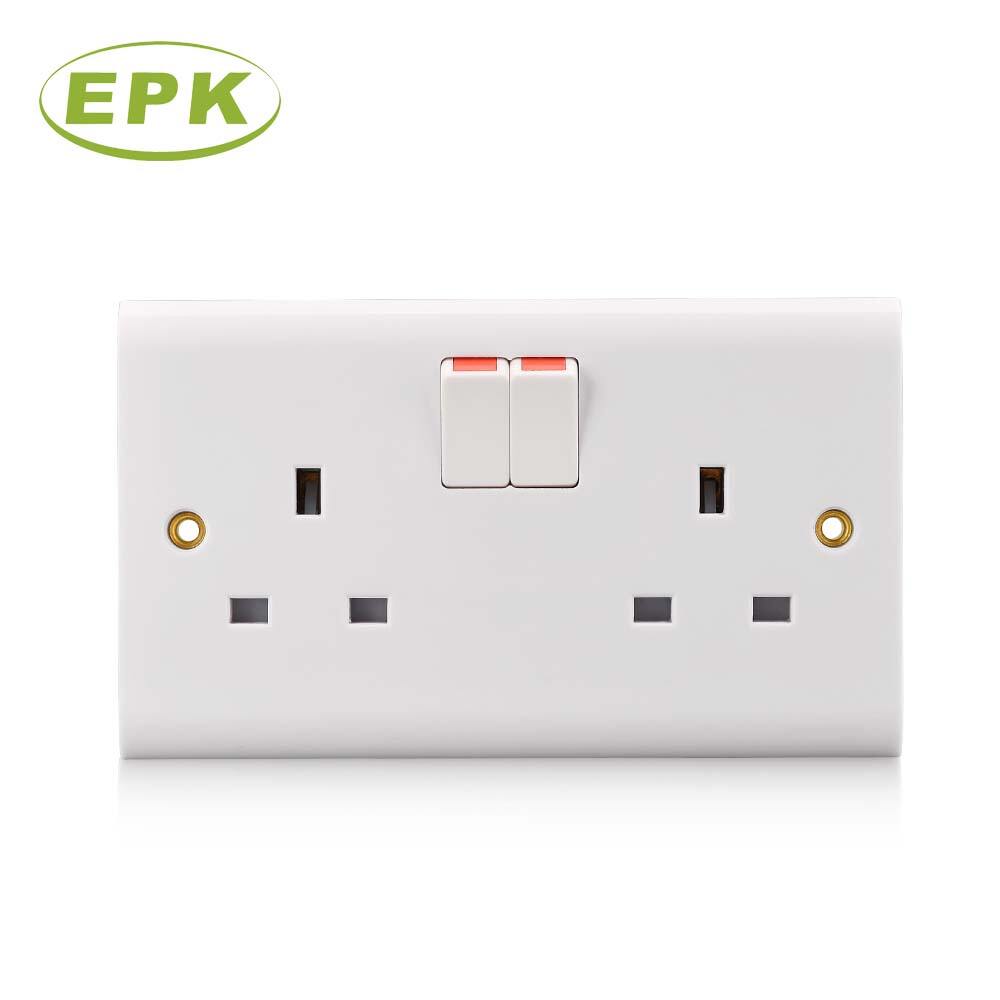
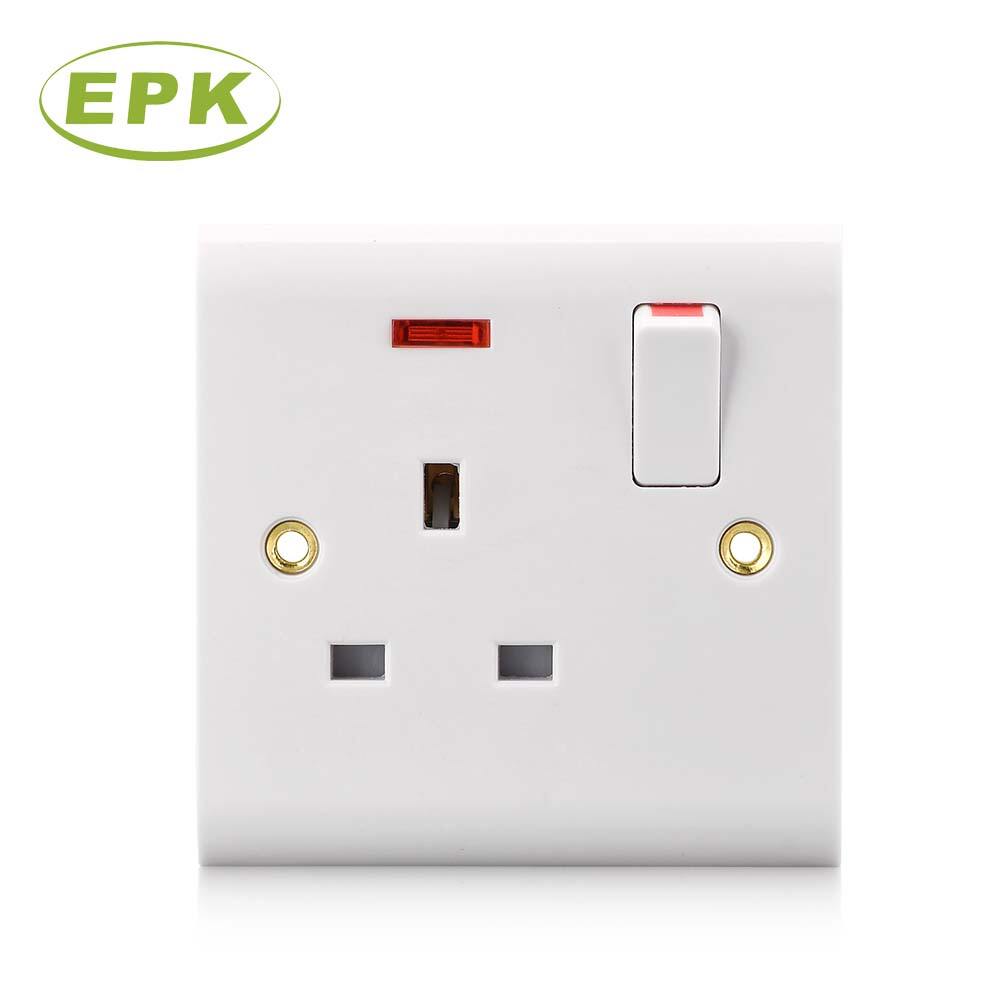
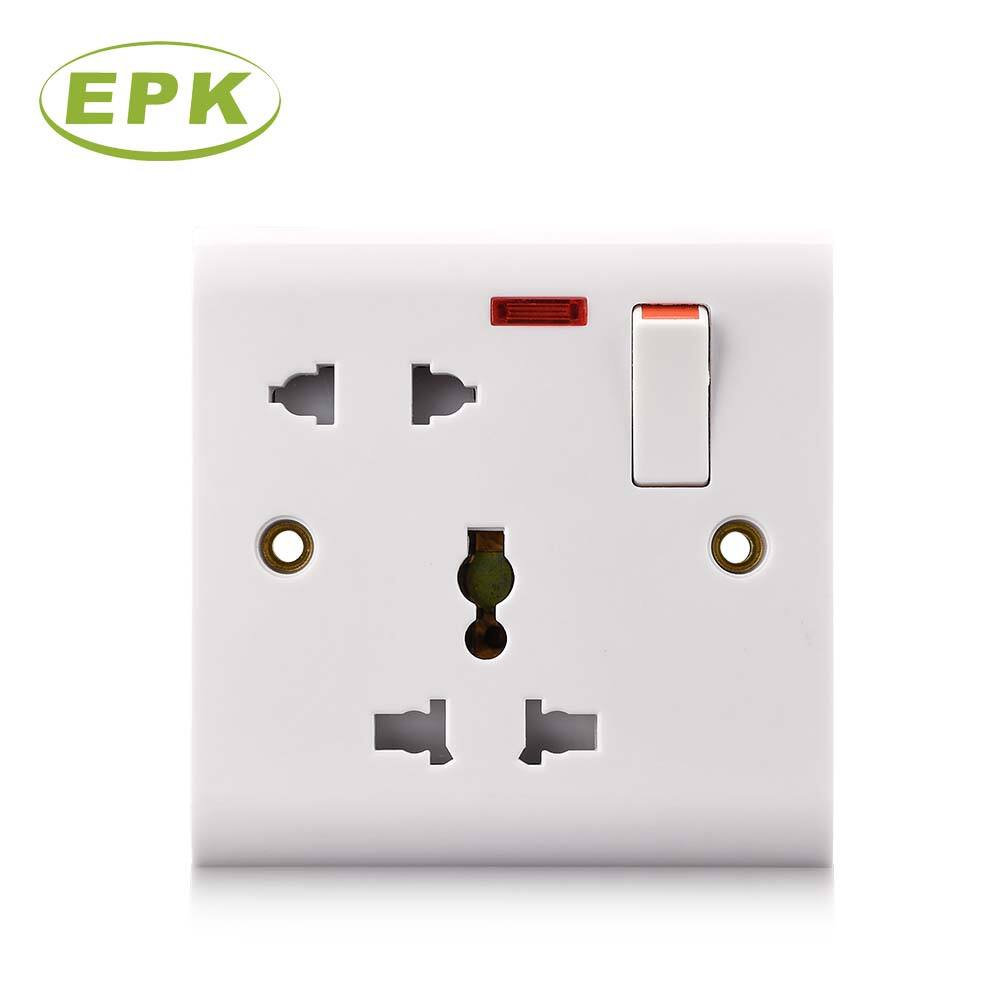
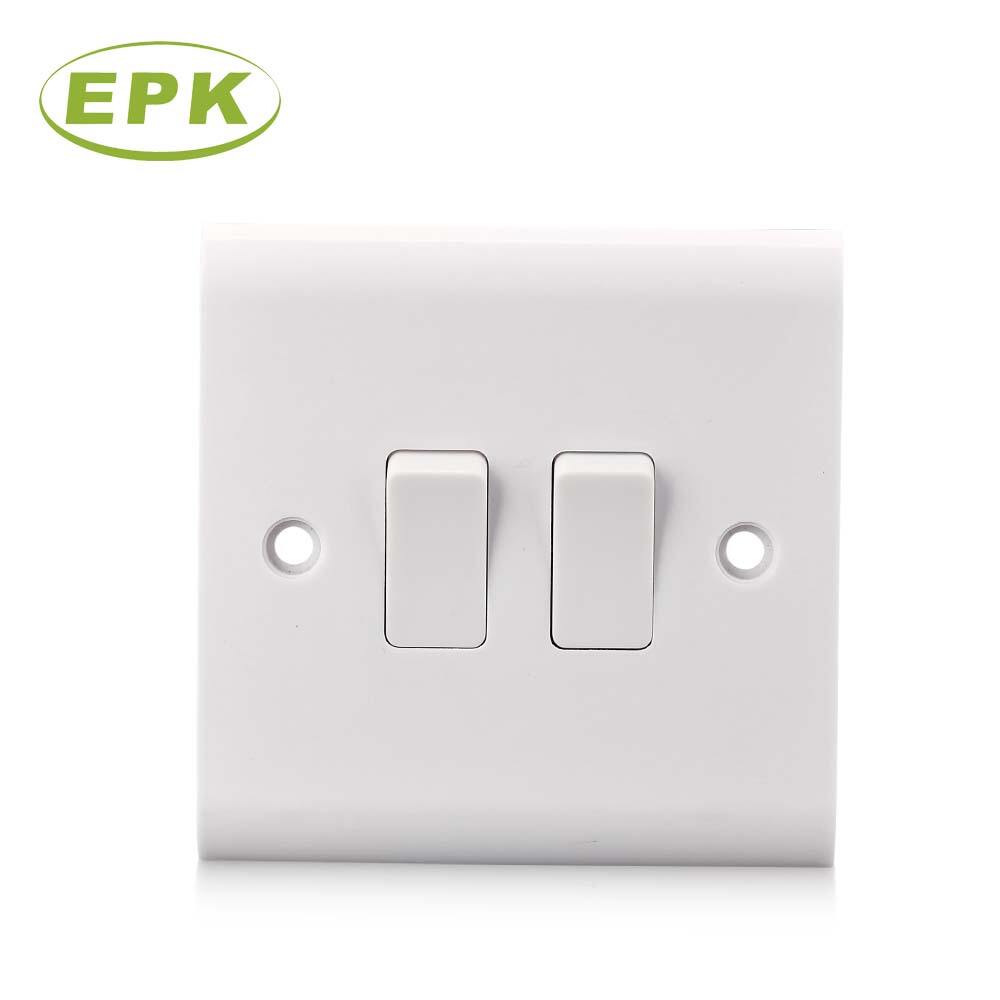
bs standard switches
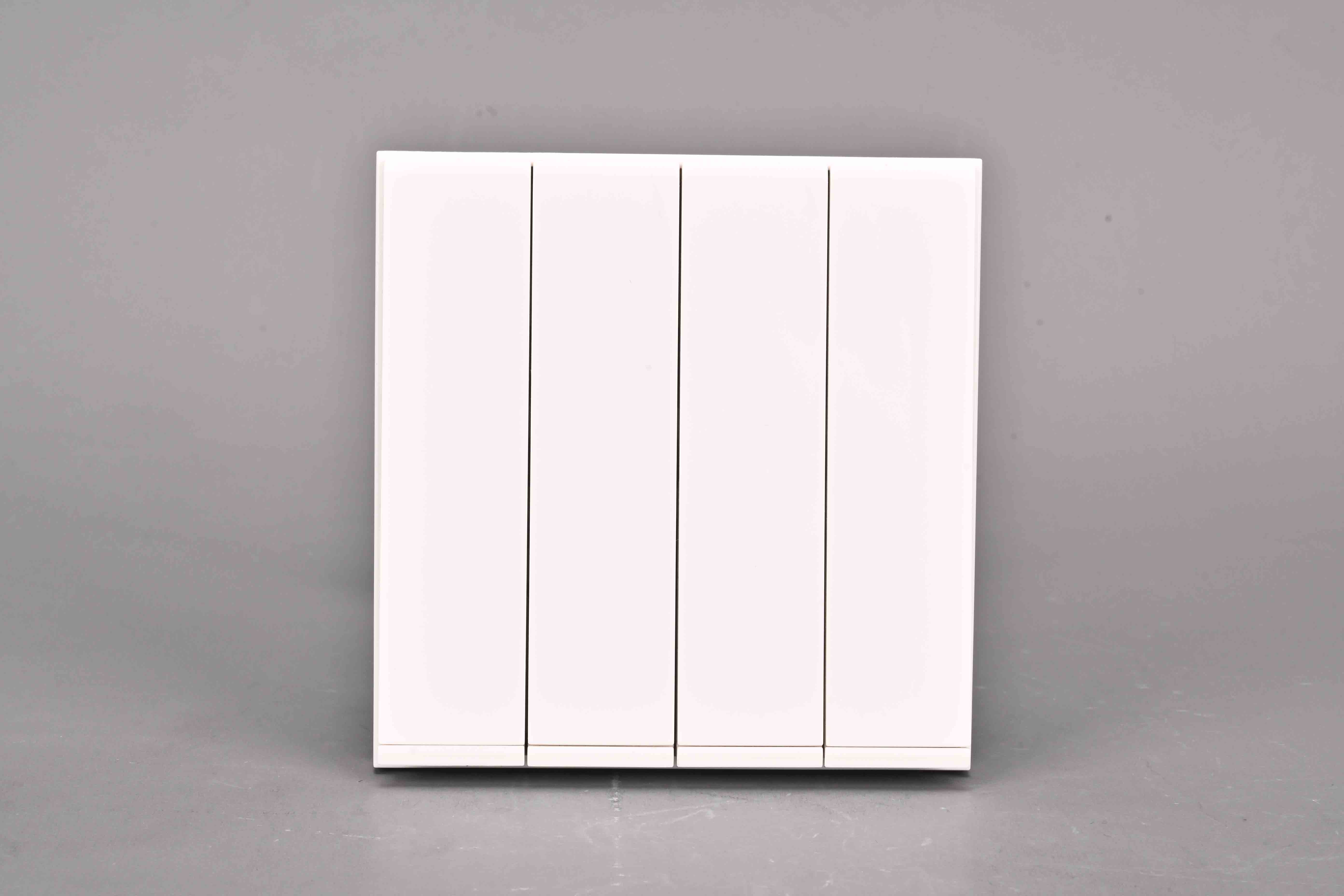
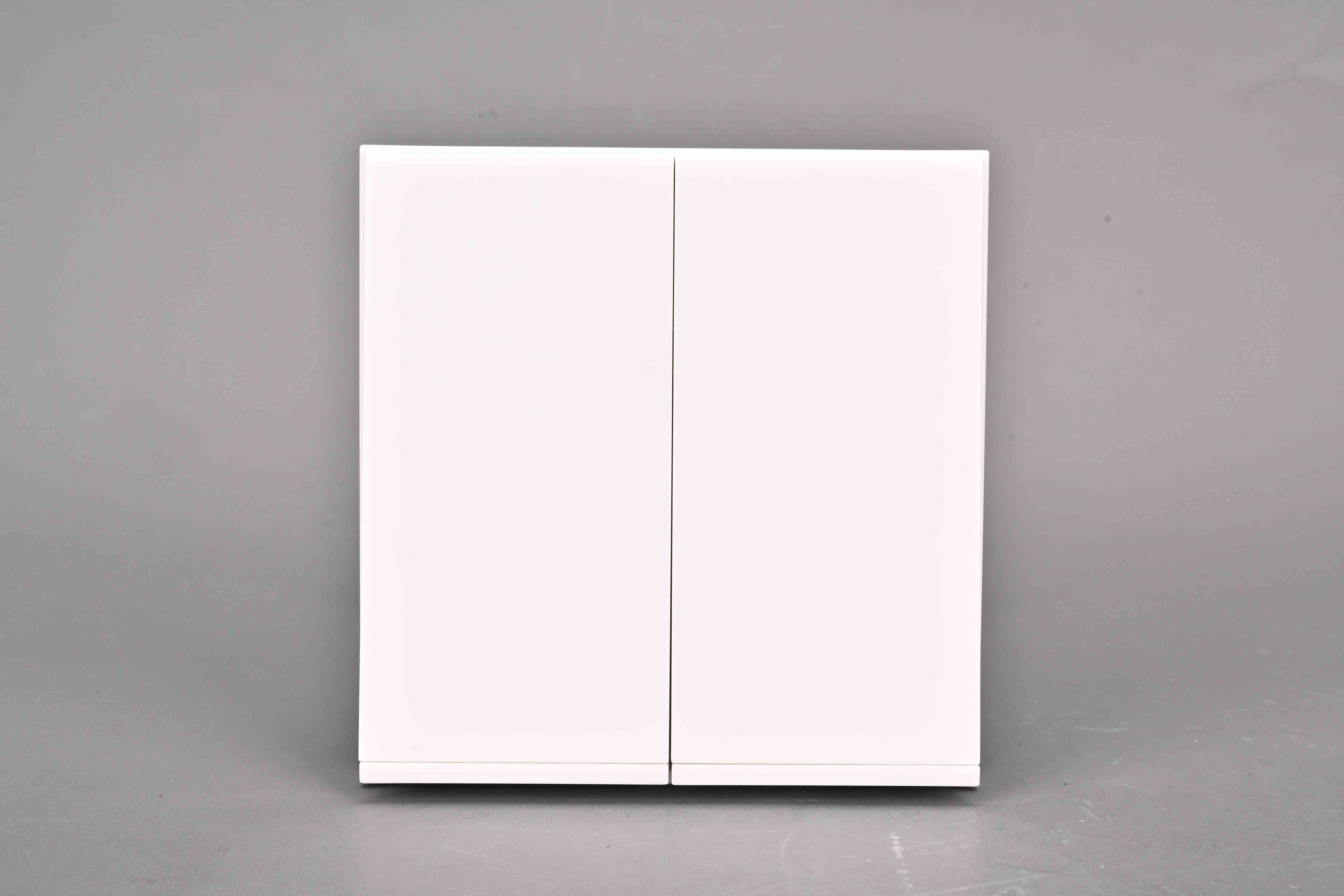
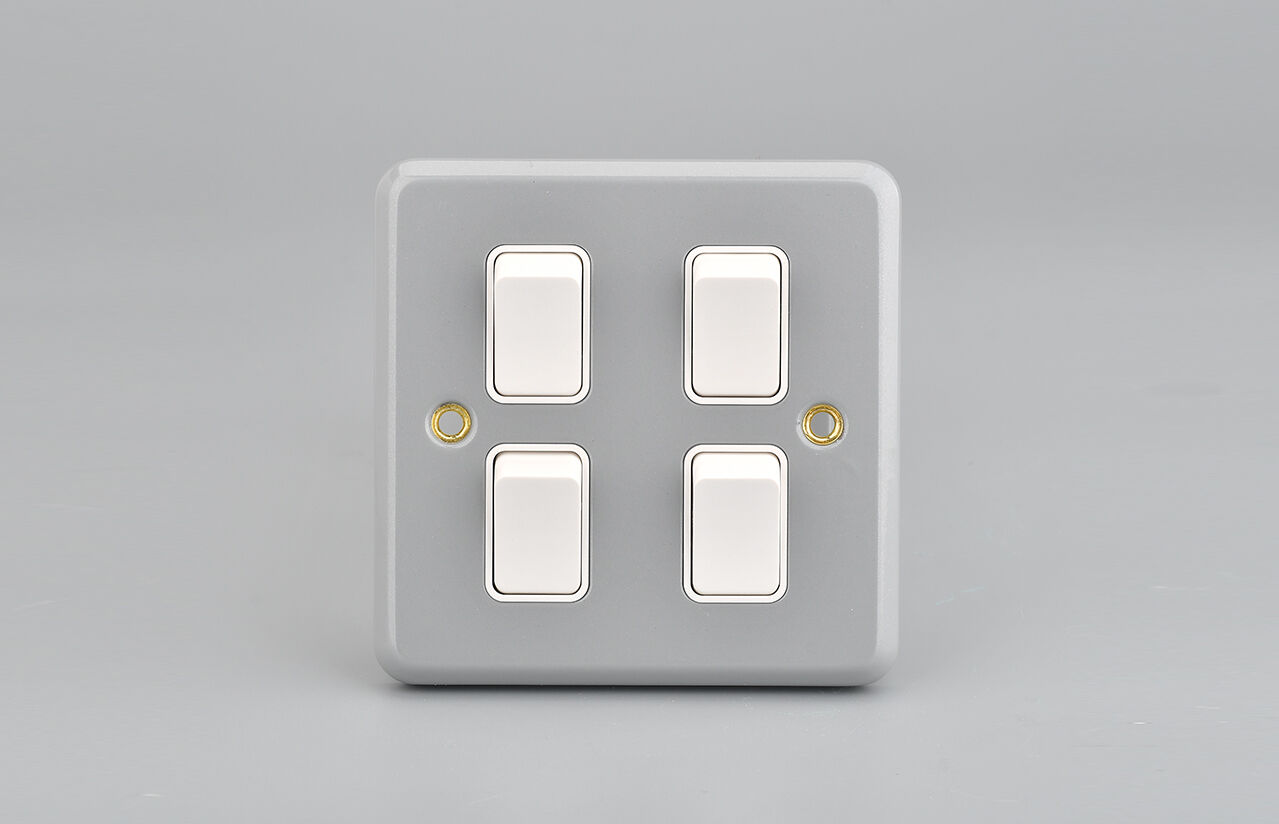
BS standard switches represent a comprehensive category of electrical switching devices that comply with British Standards specifications, designed to meet rigorous safety, performance, and compatibility requirements across various applications. These switches incorporate advanced engineering principles and undergo extensive testing to ensure they meet the demanding criteria established by British Standards Institution. The primary functions of BS standard switches encompass power control, circuit protection, signal routing, and system isolation across residential, commercial, and industrial environments. Their technological features include precision contact mechanisms, robust housing materials, standardized connection protocols, and enhanced safety measures that prevent electrical hazards. The switches utilize high-grade conductive materials, corrosion-resistant components, and weatherproof enclosures where applicable. Modern BS standard switches often integrate smart technology capabilities, allowing for remote monitoring and automated control systems. These devices find extensive applications in building management systems, industrial automation, renewable energy installations, marine environments, and critical infrastructure projects. The manufacturing process involves strict quality control measures, ensuring each unit meets dimensional tolerances, electrical ratings, and environmental resistance standards. BS standard switches are engineered to handle various voltage levels, from low-voltage control circuits to high-power distribution systems. Their modular design allows for easy installation, maintenance, and replacement, reducing downtime and operational costs. The standardization ensures interoperability between different manufacturers and systems, providing flexibility in system design and component sourcing. These switches feature multiple contact configurations, including single-pole, double-pole, and multi-pole arrangements, accommodating diverse switching requirements. The robust construction materials resist mechanical stress, temperature fluctuations, and environmental contaminants, ensuring long-term reliability in demanding operating conditions.



 EN
EN