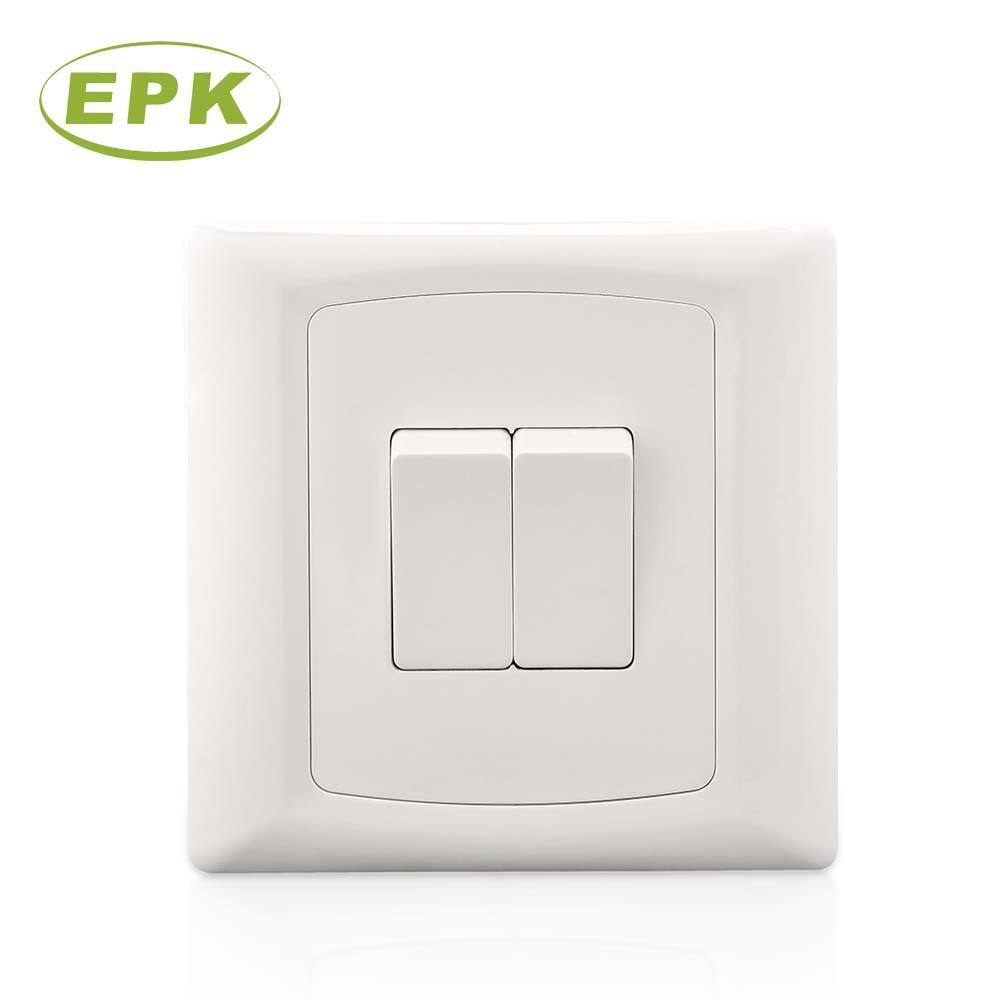
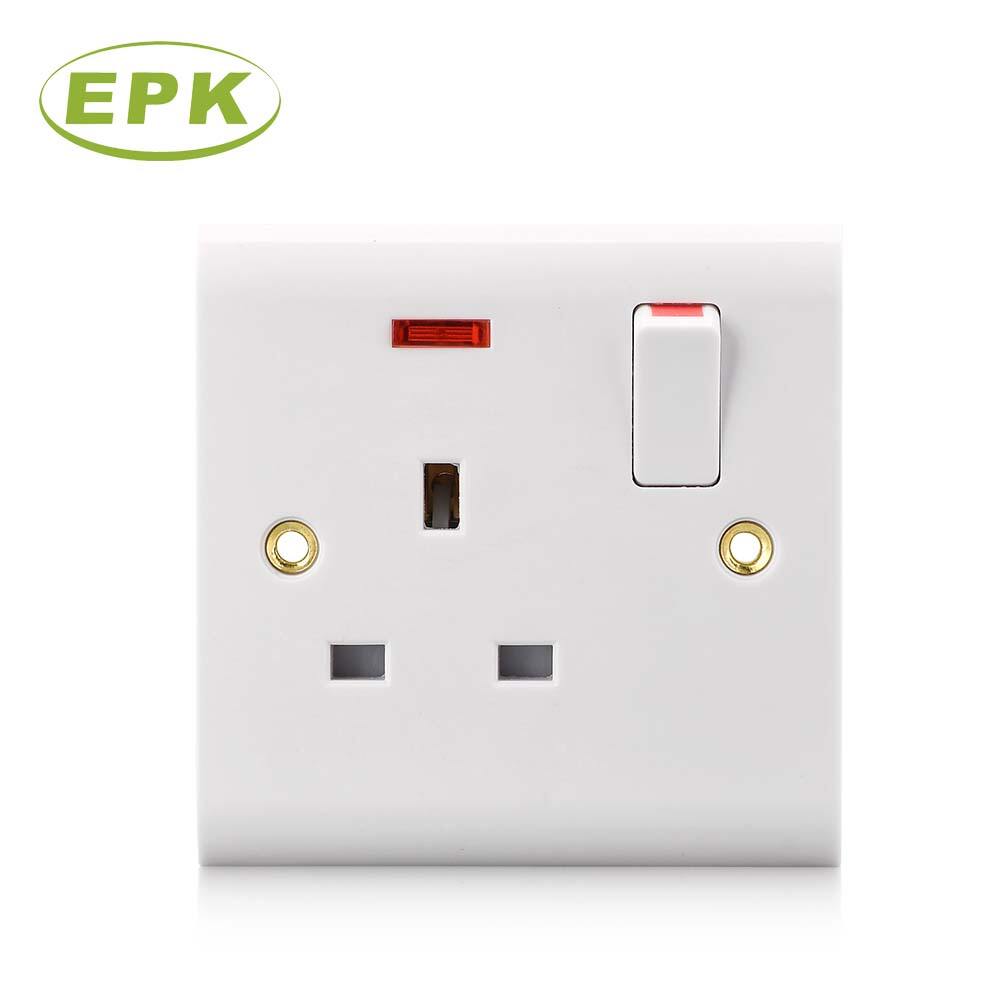
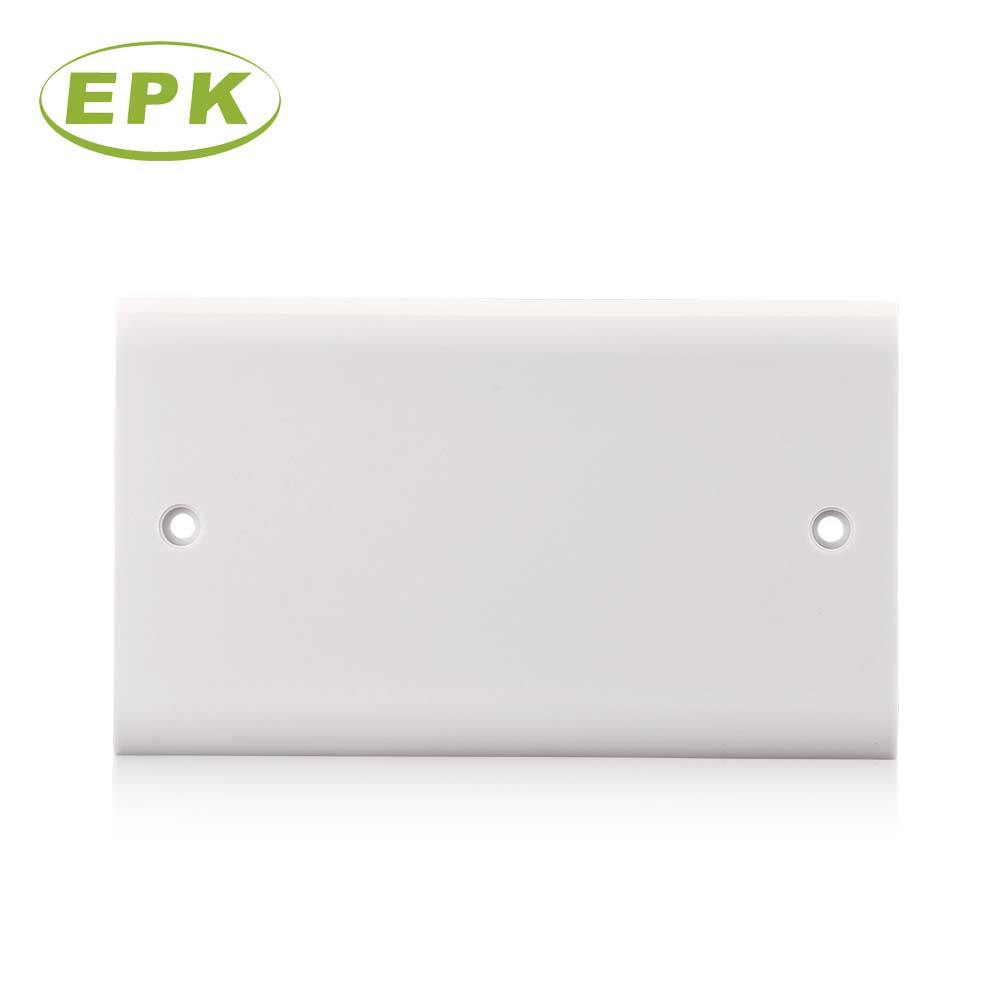
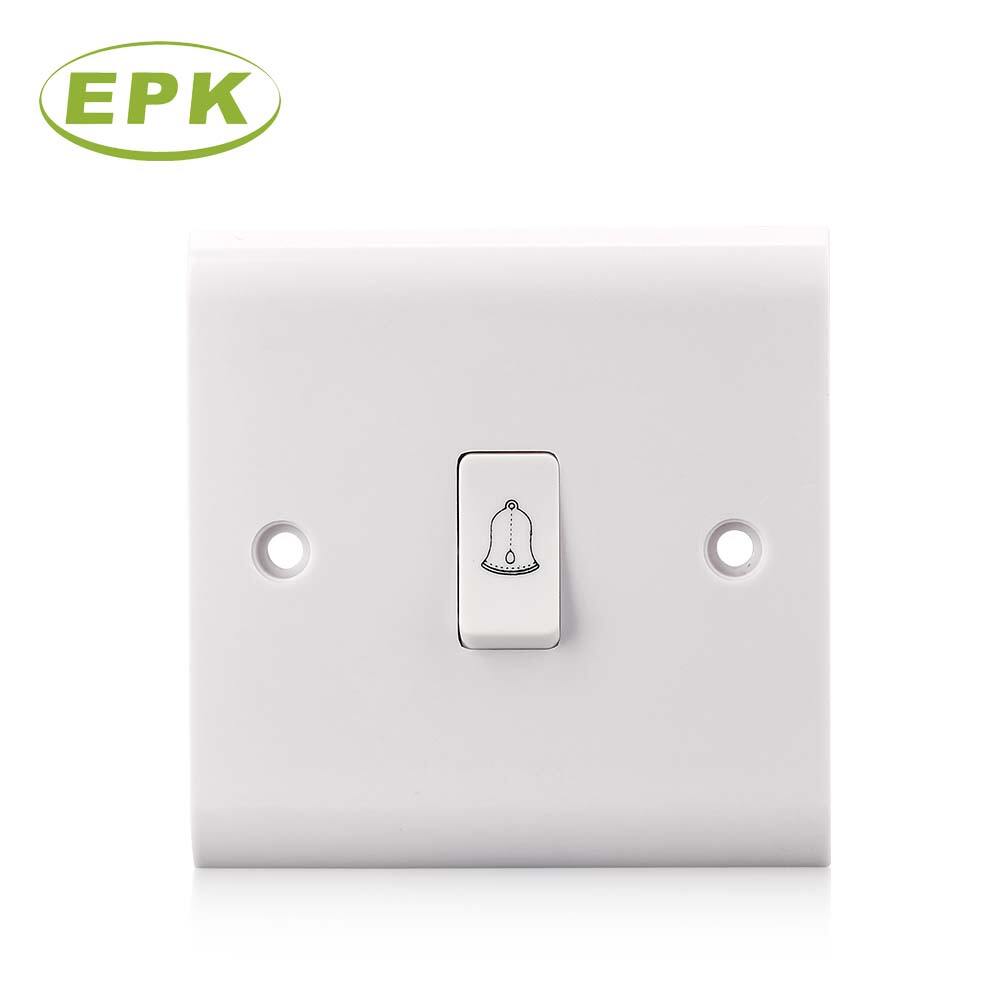
electrical wiring products
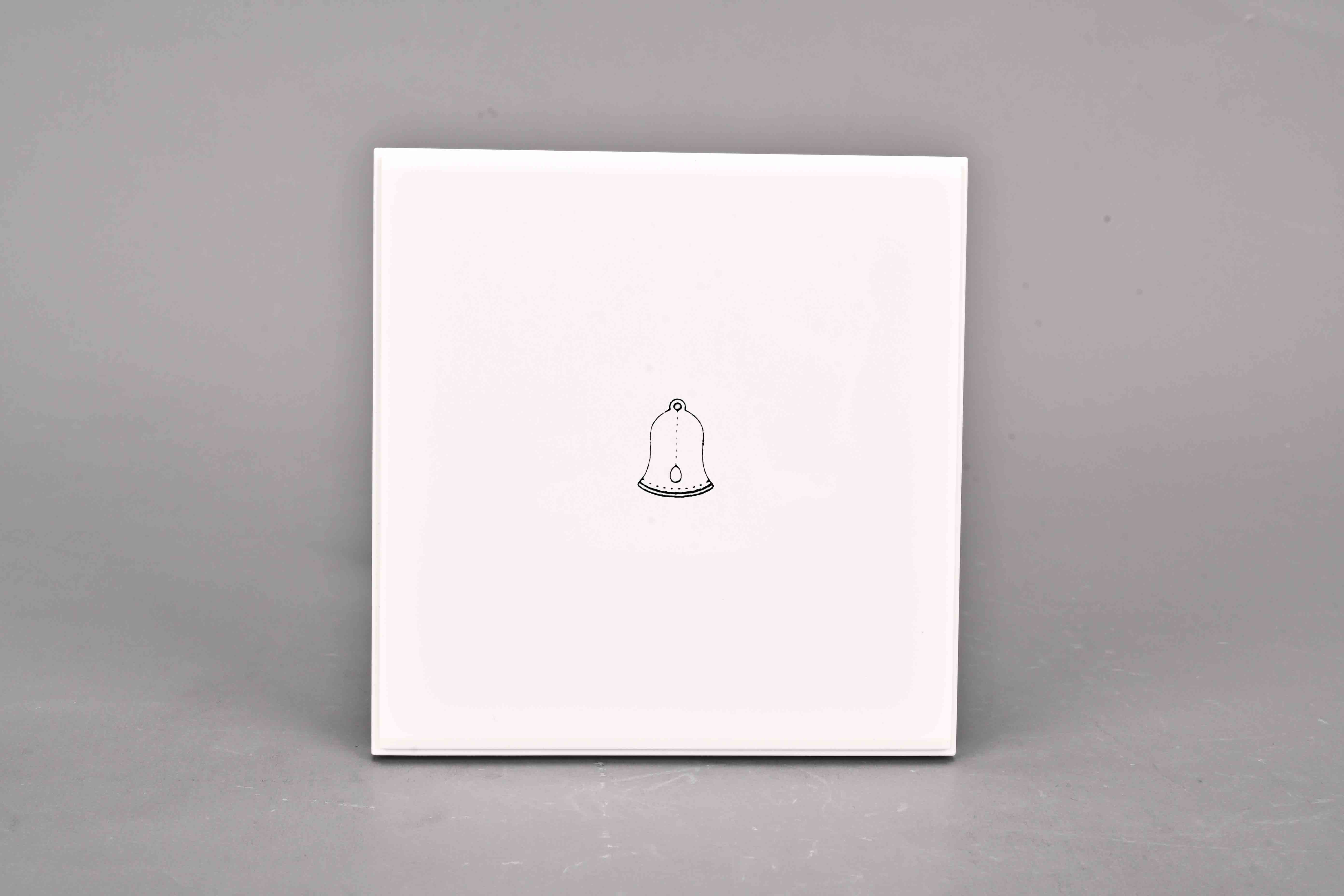
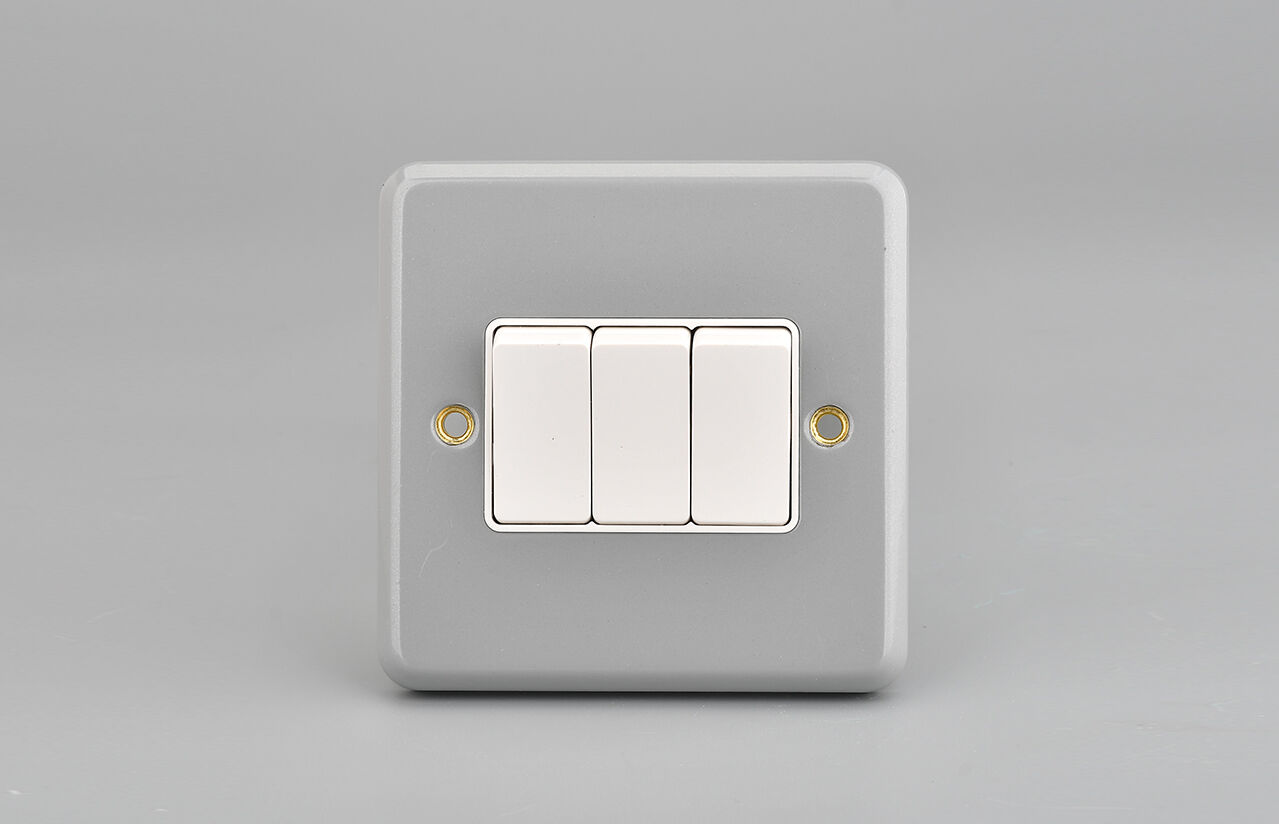
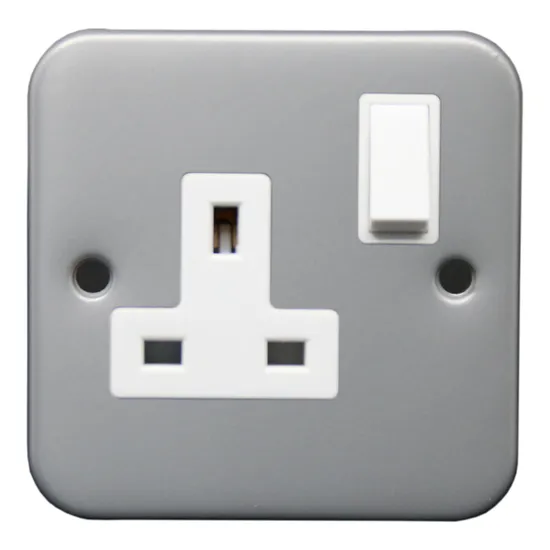
Electrical wiring products form the backbone of modern electrical infrastructure, encompassing a comprehensive range of components designed to safely distribute power throughout residential, commercial, and industrial environments. These essential systems include cables, conduits, junction boxes, switches, outlets, circuit breakers, and various connection accessories that work together to create reliable electrical networks. The primary function of electrical wiring products centers on the secure transmission of electrical current from power sources to end-use devices while maintaining safety standards and operational efficiency. Modern electrical wiring products incorporate advanced materials such as copper and aluminum conductors, high-grade insulation materials including PVC, XLPE, and rubber compounds, and protective sheathing that resists environmental factors like moisture, heat, and chemical exposure. Technological features of contemporary electrical wiring products include enhanced fire-resistant properties, improved flexibility for easier installation, color-coded identification systems for simplified maintenance, and compatibility with smart home automation systems. These products undergo rigorous testing to meet international safety standards including UL, CSA, and IEC certifications, ensuring reliable performance across diverse applications. The applications for electrical wiring products span across multiple sectors, from basic household lighting and power distribution to complex industrial automation systems and renewable energy installations. In residential settings, these products support everything from kitchen appliances to security systems, while commercial applications include office buildings, retail spaces, and healthcare facilities. Industrial applications encompass manufacturing plants, data centers, and infrastructure projects where robust electrical wiring products ensure continuous operations and worker safety. The evolution of electrical wiring products continues to address emerging needs such as increased power demands, environmental sustainability requirements, and integration with digital technologies that define modern electrical systems.

 EN
EN