two way switch one gang
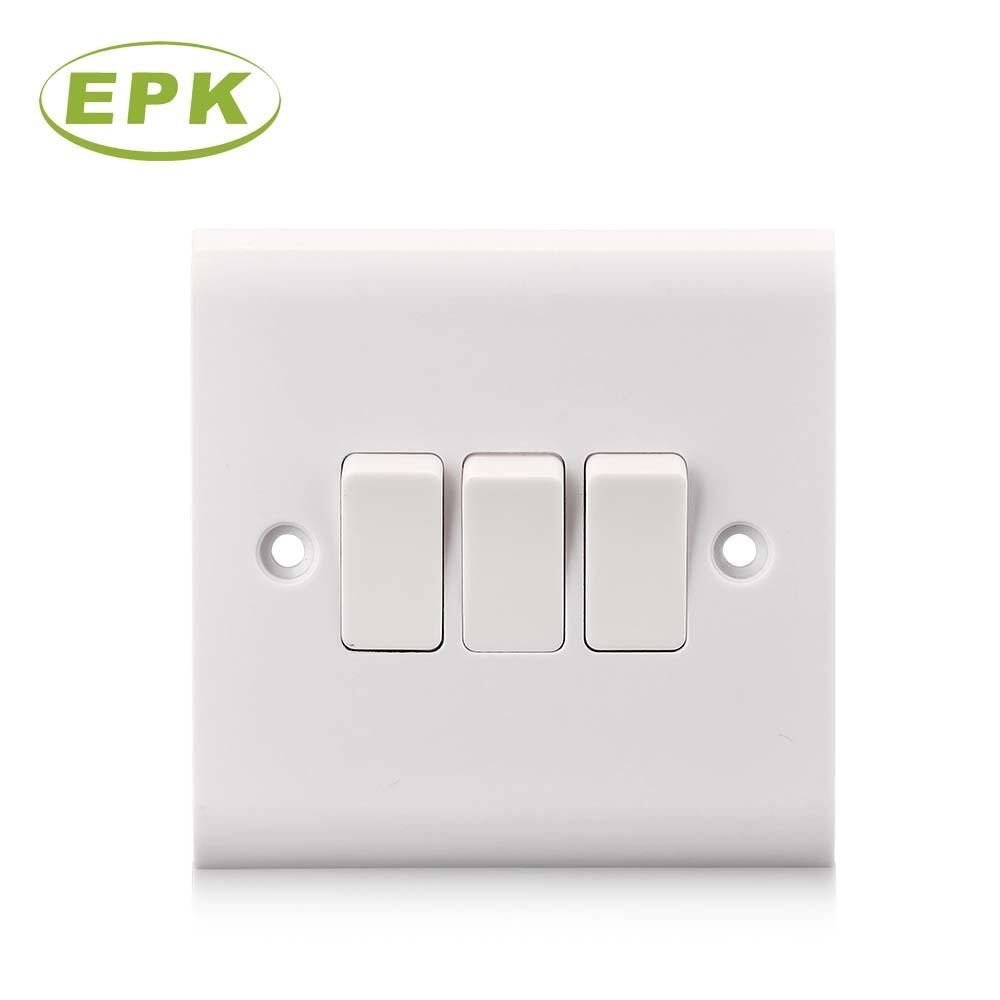
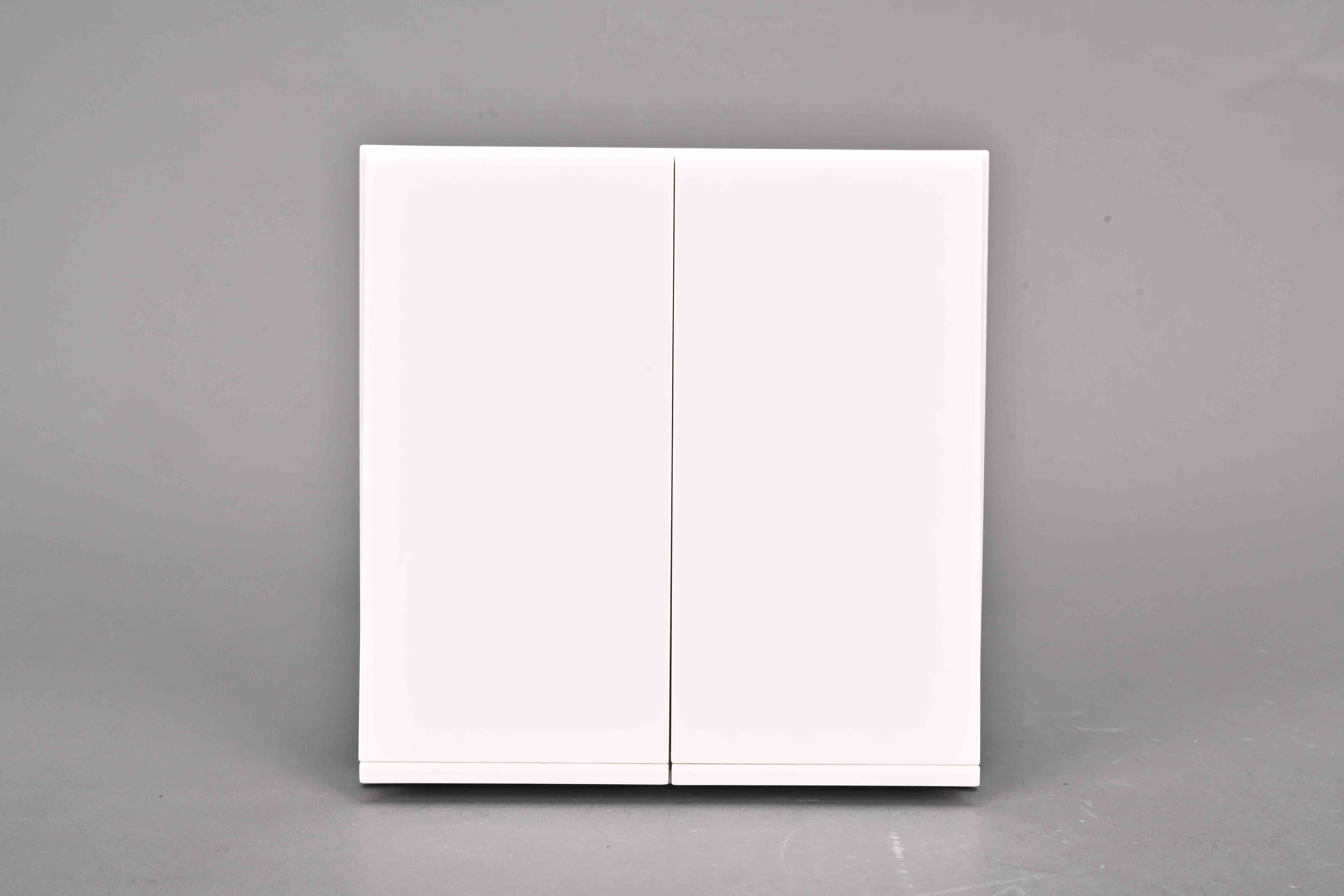
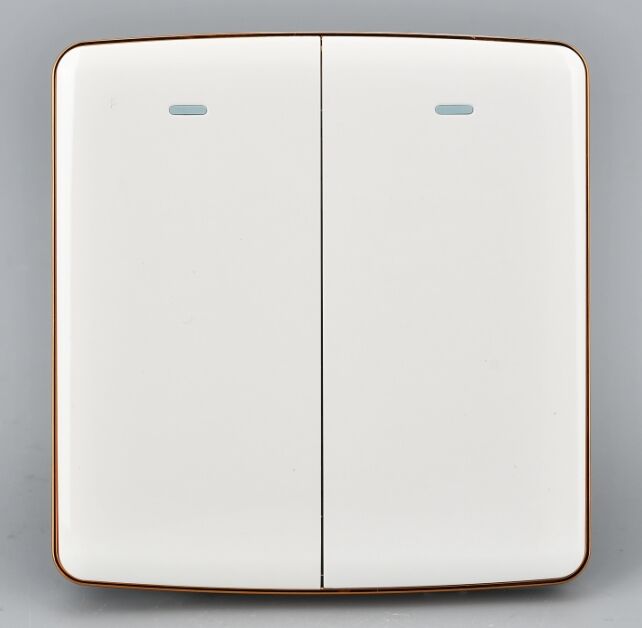
The two way switch one gang represents a fundamental component in modern electrical installations, designed to control lighting circuits from two separate locations within residential and commercial buildings. This essential electrical device enables users to operate a single light fixture or group of fixtures from multiple positions, providing enhanced convenience and accessibility throughout various spaces. The two way switch one gang operates on a simple yet effective principle, utilizing three terminal connections to create an alternative pathway for electrical current flow. When installed correctly, this switching mechanism allows seamless control over lighting systems, making it an indispensable element in hallways, staircases, bedrooms, and large rooms where multiple entry and exit points exist. The device features a standard single-gang mounting configuration, designed to fit into conventional electrical boxes and wall plates, ensuring compatibility with existing electrical infrastructure. Advanced models incorporate modern materials and manufacturing techniques, offering improved durability, enhanced safety features, and superior performance characteristics. The two way switch one gang typically includes clearly marked terminal points, robust internal mechanisms, and weather-resistant housing options for various installation environments. Professional electricians frequently recommend this switching solution for its reliability, ease of installation, and cost-effective nature. The technological advancement in two way switch one gang design has introduced features such as improved contact materials, enhanced spring mechanisms, and optimized internal architecture that ensures consistent operation over extended periods. These switches accommodate various electrical loads, supporting both incandescent and LED lighting systems while maintaining optimal performance standards. The compact design of the two way switch one gang makes it suitable for diverse architectural applications, from traditional residential settings to contemporary commercial spaces, providing flexibility in electrical planning and installation processes.


 EN
EN